8 Japanese Alps Adventure Ideas for Nature Lovers

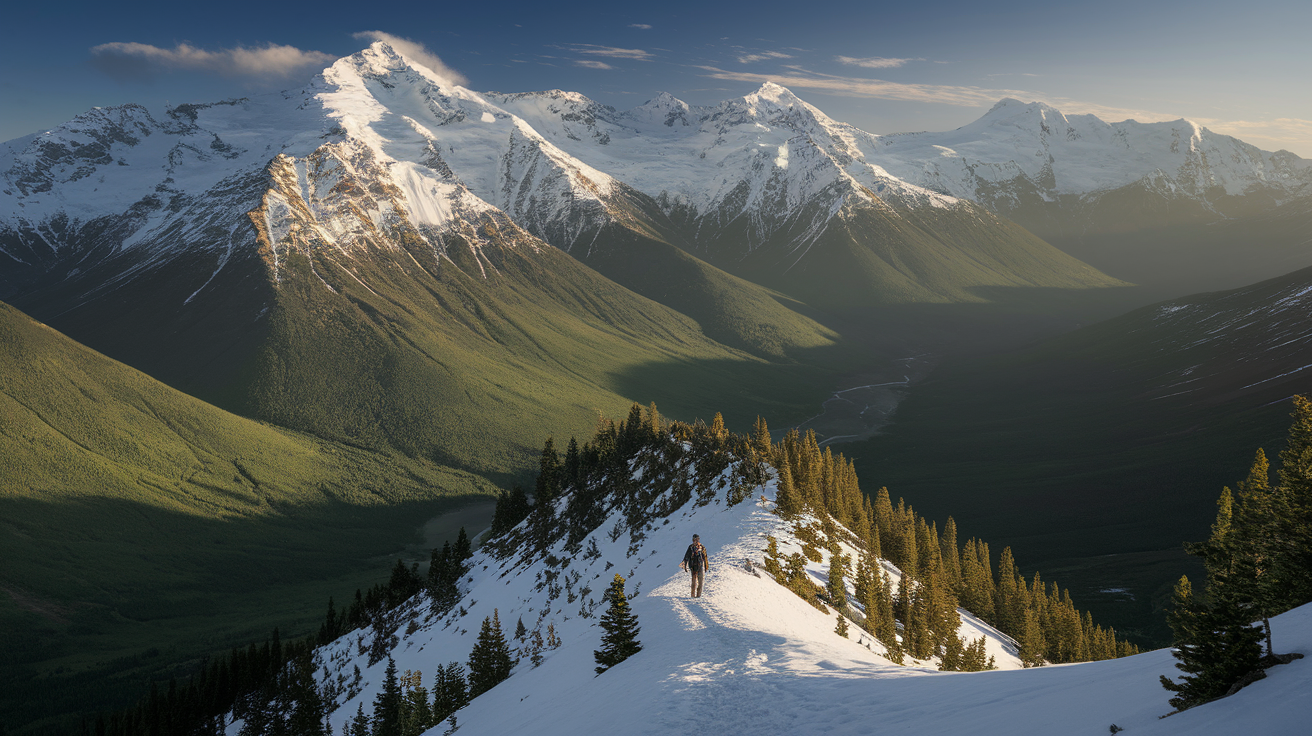
You’ve dreamed about Japan’s neon cities and ancient temples, but have you considered the country’s wild side? The Japanese Alps—spanning three magnificent ranges across central Honshu—offer some of the most breathtaking mountain adventures in Asia. These peaks rival the European Alps in drama, yet they remain surprisingly accessible to international travelers.
Whether you’re a seasoned mountaineer or a family looking for scenic valley walks, the Japanese Alps deliver unforgettable experiences. We’re talking crystal-clear rivers cutting through alpine valleys, 3,000-meter peaks that challenge your endurance, and traditional mountain huts where strangers become friends over steaming bowls of curry rice.
Here’s what makes these mountains special: they’re beginner-friendly yet epic enough to satisfy hardcore adventurers. The infrastructure is world-class, trails are well-marked, and safety systems are excellent. You don’t need to speak Japanese to explore confidently.
In this guide, you’ll discover eight adventures that showcase the best of the Northern, Central, and Southern Alps. We’ll cover everything from gentle riverside strolls to multi-day summit treks. You’ll learn when to visit, what gear you actually need, and how to navigate common concerns like accessibility and weather.
One worry I hear constantly: “I’m not experienced enough for mountain adventures.” Let me put that to rest. Many Japanese Alps experiences require nothing more than comfortable walking shoes and reasonable fitness. The more challenging adventures? We’ll give you honest assessments so you can choose what matches your abilities.
Ready to trade city lights for starlit peaks? Let’s explore these stunning mountains.
Explore the Breathtaking Kamikochi Valley
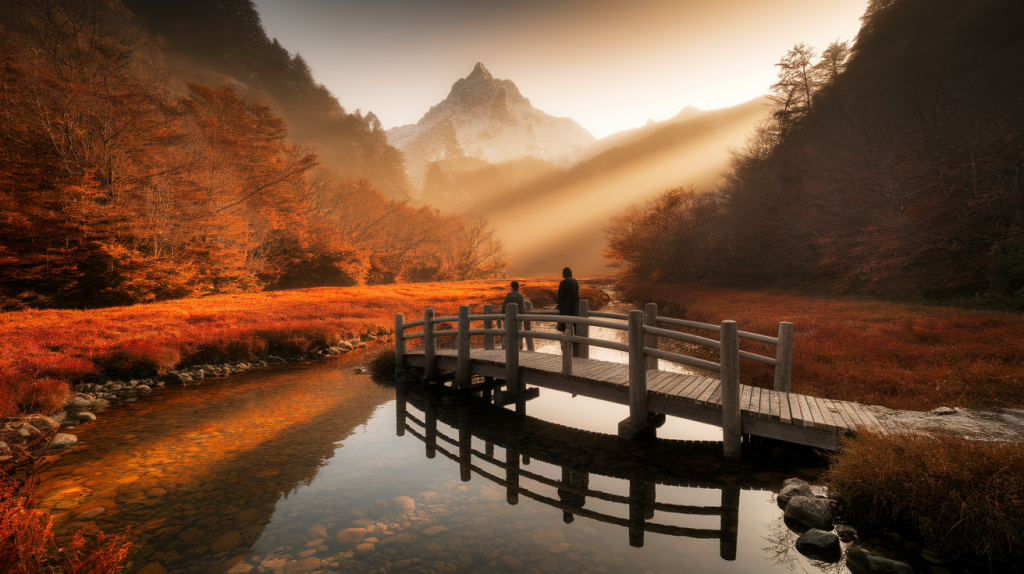
Kamikochi is where most Japanese Alps adventures begin—and for good reason. This pristine valley sits at 1,500 meters elevation in Chubu Sangaku National Park, offering stunning scenery without the grunt work of steep climbs.
Valley Floor Hiking Trails
The valley floor trails are perfect for testing the waters. The classic route from Kappa Bridge to Myojin Pond covers about 3.5 kilometers of flat, well-maintained paths along the turquoise Azusa River. You’ll complete this easy walk in roughly 90 minutes, though you’ll want extra time for photos—trust me.
The scenery is ridiculous. Snow-capped peaks of the Hotaka Range tower above you while the river rushes past smooth boulders. Japanese macaques occasionally make appearances near the treeline, and if you’re quiet, you might spot a Japanese serow (a goat-antelope that looks like it wandered from a fantasy novel).
Gear-wise, you need comfortable walking shoes—not even hiking boots. The paths are smooth enough for families with young children. Bring layers because mountain weather shifts quickly, but this isn’t technical terrain. It’s accessible adventure at its finest.
Karasawa Cirque Day Hike
Ready to level up? The Karasawa Cirque hike takes you from the valley floor to a dramatic alpine basin surrounded by towering rock walls. This moderate trail covers about 7 kilometers one-way with 600 meters of elevation gain.
Plan for a full day—most hikers take 6-8 hours round trip. The payoff? You’ll stand in a glacial cirque that looks straight out of the Swiss Alps, surrounded by wildflowers in summer or brilliant foliage in October.
The trail conditions vary with season. Summer brings afternoon thunderstorms, so start early. Autumn offers the most stable weather and spectacular colors. Spring? The valley doesn’t even open until late April due to snow.
Here’s your safety reality check: Weather changes fast at altitude. That sunny morning can turn into afternoon fog and rain within an hour. Pack a rain jacket and warm layer even if the forecast looks perfect. The temperature drops significantly as you climb.
When to Visit and How to Get There
Kamikochi operates on nature’s schedule. The valley opens in mid-to-late April and closes in mid-November. Peak season runs July through October, with Golden Week (late April/early May) and autumn foliage season (early October) bringing the biggest crowds.
Getting there is straightforward. Take a train to Matsumoto Station, then catch a bus to Kamikochi. The journey takes about 90 minutes through increasingly scenic mountain roads. Private vehicles aren’t allowed into the valley—this environmental protection keeps the area pristine.
Accommodation options range from day trips to overnight stays in mountain lodges. Several hotels and lodges operate in the valley itself, offering everything from basic rooms to upscale accommodations. Book months ahead for peak season weekends.
Summit Japan’s Iconic Peaks
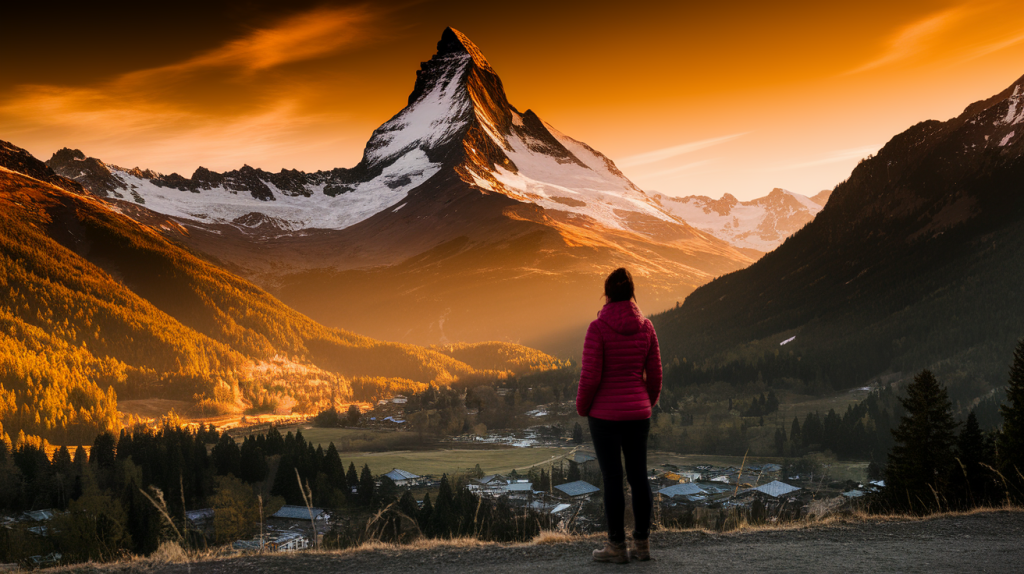
Valley hiking whets your appetite, but summiting these peaks delivers the ultimate Japanese Alps experience. These mountains demand more commitment, better fitness, and proper planning—but they reward you with views that’ll stick in your memory forever.
Mount Yari (The Japanese Matterhorn)
Mount Yari’s distinctive pyramidal peak rises 3,180 meters above sea level, earning it the nickname “Japanese Matterhorn.” This summit attracts adventurers from around the world, and standing on that narrow peak makes you feel like you’re on top of Japan.
The standard route from Kamikochi takes 2-3 days. Day one involves hiking to Yokoo, then climbing to Yarigatake Sanso mountain hut. Day two brings the summit push—a steep, rocky climb that includes chain-assisted sections near the top. Day three descends back to Kamikochi.
Mountain hut reservations are essential. These aren’t backcountry shelters—they’re staffed facilities providing meals, futon bedding, and basic amenities. Book several months ahead for summer weekends. You’ll share sleeping quarters with other hikers in a communal experience that’s uniquely Japanese.
Physical requirements are real. You need solid cardiovascular fitness and comfort with exposure. The final summit approach involves scrambling on rock with significant drop-offs. It’s not technical climbing, but you’ll use your hands and deal with heights.
Acclimatization matters. Some hikers experience altitude symptoms above 3,000 meters. Spend a night at the mountain hut (around 2,900 meters) before summiting. Stay hydrated, pace yourself, and listen to your body.
Mount Hotaka Range Traverse
The Hotaka traverse is the epic adventure that serious hikers dream about. This multi-day ridge walk connects several 3,000-meter peaks, including Oku-Hotaka-dake (3,190 meters), the third-highest peak in Japan.
Technical difficulty increases here. You’ll encounter scrambling sections requiring three points of contact, chain-assisted climbs on exposed ridges, and narrow paths with serious drop-offs. This isn’t a casual hike—it’s mountaineering-lite.
The best window runs July through September when snow has melted from the ridges and weather is most stable. Even then, afternoon thunderstorms are common. Start early, summit before noon, and be prepared to turn back if weather deteriorates.
Essential gear includes a helmet (falling rocks happen on popular routes), gloves for chain sections, and proper hiking boots with ankle support. Many hikers also carry lightweight crampons in early season when snow patches remain.
Beginner-Friendly Summit: Mount Norikura
Not ready for multi-day epics? Mount Norikura offers summit glory with minimal suffering. A bus or private vehicle takes you to 2,700 meters elevation, leaving just a 326-meter climb to the 3,026-meter summit.
The hike takes 90 minutes to two hours up well-maintained trails. Families with elementary-age children regularly summit this peak. The volcanic landscape and alpine wildflower meadows create stunning scenery without technical challenges.
What makes Norikura special is accessibility. You get genuine alpine environment and a legitimate 3,000-meter summit without the physical demands of other peaks. The sunrise tours are particularly magical—watching dawn break over the Japan Alps from above the clouds transforms you.
Discover Hidden Valley Adventures

Beyond the famous peaks lie valleys that fewer international travelers discover. These hidden gems offer spectacular scenery, diverse activities, and a chance to escape the crowds that gather at Kamikochi during peak season.
Jonen-dake Alpine Meadows
Jonen-dake remains relatively unknown to international hikers, which means you’ll share these stunning wildflower meadows with mostly Japanese mountaineers. Access begins at Nakabusa Onsen trailhead, about 90 minutes from Matsumoto.
The hike to Jonen-dake mountain hut covers roughly 12 kilometers with 1,300 meters of elevation gain. It’s a solid day’s work—plan for 5-7 hours up. But when you crest that final ridge and see the alpine meadows stretching toward the summit, you’ll forget every uphill step.
July and August bring the wildflower explosion. The meadows burst with color—purple, yellow, white, and pink blooms carpeting the landscape. It’s the kind of scenery that makes you stop walking just to absorb it.
Wildlife spotting opportunities abound. Japanese ptarmigan (rock ptarmigan) inhabit the alpine zone, their feathers changing with seasons for camouflage. Mountain goats navigate impossible-looking cliff faces, and various alpine bird species flit through the krummholz.
The moderate difficulty rating is honest—you need decent fitness and comfort with sustained uphill hiking. But the trail is well-marked, and the scenic payoff rivals more famous destinations without the crowds.
Hakuba Valley Seasonal Activities
Hakuba Valley showcases the Japanese Alps’ year-round appeal. This region hosted events during the 1998 Nagano Winter Olympics, and the infrastructure remains world-class.
Summer transforms Hakuba into an adventure playground. Valley hiking trails range from easy riverside walks to challenging mountain ascents. Mountain biking trails cater to all levels, from gentle forest paths to technical downhill runs. And for the ultimate thrill? Tandem paragliding flights launch from mountain peaks, giving you bird’s-eye views of the entire valley.
Winter brings Hakuba’s true calling—some of Japan’s best skiing and snowboarding. The region boasts multiple resorts with varied terrain, legendary powder snow, and options for every skill level. Snowshoeing adventures let non-skiers explore the winter landscape, accessing quiet forests and frozen waterfalls.
Family-friendly options exist at every season. Gondola rides provide mountain access without hiking. Various resorts offer kids’ programs and beginner areas. The villages themselves charm visitors with traditional architecture, local restaurants, and that welcoming rural Japanese atmosphere.
Tateyama Kurobe Alpine Route
The Tateyama Kurobe Alpine Route isn’t hiking—it’s a spectacular engineering marvel that takes you through multiple climate zones via cable cars, ropeways, and trolley buses. This route crosses the Northern Alps, connecting Toyama and Nagano prefectures.
The spring snow walls are legendary. When the route opens in mid-April, snowplows cut through accumulated snow that reaches 20 meters high in places. Walking between these towering white walls feels surreal—like nature’s own cathedral.
The journey itself becomes the adventure. You’ll ride a cable car up steep mountainsides, transfer to a trolley bus through a mountain tunnel, take a ropeway over dramatic valleys, and ride another cable car down the opposite side. Each segment reveals different landscapes and perspectives.
This route is perfect for travelers seeking dramatic mountain scenery without strenuous hiking. Elderly visitors, families with small children, and anyone with mobility concerns can experience the Japanese Alps’ grandeur. The infrastructure makes it accessible to virtually everyone.
Immerse Yourself in Cultural Mountain Experiences
The Japanese Alps offer more than physical adventures—they provide windows into Japanese mountain culture. These cultural experiences deepen your connection to the landscape and the people who’ve lived among these peaks for generations.
Mountain Hut Stays and Local Hospitality
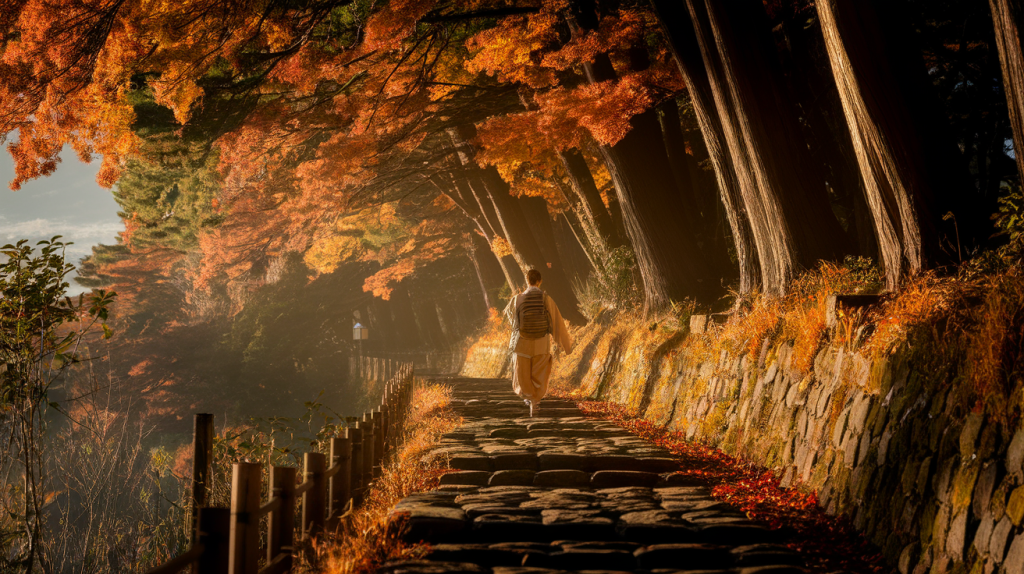
Staying in a Japanese mountain hut (yamagoya) is unlike any Western backcountry experience. These staffed facilities provide hot meals, futon bedding, and a social atmosphere that brings hikers together.
Here’s what to expect: You’ll remove your boots at the entrance and receive indoor slippers. Dinner is served communally—typically a hearty meal of rice, miso soup, protein, and vegetables. You’ll sleep in a large room on futons laid side-by-side, sharing space with other hikers. Breakfast comes early (usually 5-6 AM) to get climbers on the trail before weather deteriorates.
Etiquette matters. Keep noise down in sleeping areas. Don’t spread out your gear—space is limited. Bring earplugs because someone will snore. Many huts lack running water, so you’ll use hand sanitizer instead of washing. Some have no electrical outlets for charging devices.
This communal experience connects you deeply with Japanese hiking culture. You’ll share trail stories with locals and other international travelers. The camaraderie of mountain huts creates bonds that transcend language barriers.
Booking essentials: Reserve months ahead for popular huts during peak season. Some huts have English booking options online; others require Japanese language skills or booking through travel agencies. Expect to pay 8,000-10,000 yen per night including meals.
Historic Nakasendo Trail Sections
The Nakasendo Trail offers a different kind of adventure—walking ancient post roads through the Kiso Valley. During the Edo period (1603-1868), this route connected Tokyo and Kyoto, and sections remain beautifully preserved.
The Magome to Tsumago section is perfect for beginners. This 8-kilometer walk takes 2-3 hours through forested paths and traditional villages. The trail is well-marked, mostly flat or gentle, and suitable for all ages.
Traditional accommodations in preserved Edo-period towns let you sleep in historic buildings. Minshuku (family-run guesthouses) and ryokan (traditional inns) offer tatami rooms, kaiseki meals, and genuine Japanese hospitality. Waking up in a 200-year-old building surrounded by mountains feels like time travel.
Cultural highlights enrich the experience. You’ll see traditional crafts like woodworking and lacquerware. Local cuisine features soba noodles, river fish, and mountain vegetables. The architecture itself tells stories—wooden buildings with latticed windows, stone walls, and carefully maintained gardens.
Onsen (Hot Spring) Relaxation After Adventures
Japanese onsen culture and mountain adventures pair perfectly. After a long day hiking, soaking in mineral-rich hot spring water soothes tired muscles and rejuvenates your spirit.
The best mountain onsen towns cluster near the Alps. Hirayu Onsen in the Northern Alps offers numerous public baths and ryokan. Nakabusa Onsen sits at a trailhead, making it perfect for pre- or post-hike soaking. Shirahone Onsen’s milky-white waters are legendary among Japanese travelers.
Outdoor rotenburo baths with mountain views deliver the ultimate experience. Picture this: You’re submerged in hot water, surrounded by cool mountain air, gazing at peaks turning pink in the alpenglow. It’s meditation, therapy, and reward all in one.
Proper onsen etiquette is simple but important. Wash thoroughly before entering the bath—there are shower stations with soap and shampoo. Don’t bring your small towel into the water (fold it on your head or set it aside). No swimsuits—onsen are communal nude bathing. Most facilities are gender-separated, though some remote mountain onsen are mixed.
This recovery ritual enhances your adventure experience. The minerals genuinely help with muscle recovery. The ritual of bathing connects you to Japanese culture. And honestly? After climbing 1,500 meters, that hot water feels like heaven.
Plan Your Japanese Alps Adventure
The Japanese Alps offer something remarkable—diverse experiences that match every skill level and interest. You can walk gentle valley paths in the morning and soak in mountain hot springs by evening. Or you can test yourself on multi-day summit treks that demand everything you’ve got.
Seasonal variety means you can return multiple times for completely different adventures. Summer brings wildflowers and perfect hiking conditions. Autumn paints the mountains in brilliant reds and golds. Winter transforms valleys into powder paradise. Spring’s snow walls create surreal landscapes.
Your best seasons for hiking run June through October, with July-September offering the most stable weather. Winter sports enthusiasts should target December through March when snow conditions peak. Shoulder seasons (late May, early June, late October) bring fewer crowds but less predictable weather.
Let’s address gear concerns head-on: You don’t need specialized equipment for many Japanese Alps adventures. Kamikochi valley walks require only comfortable shoes and basic layers. More serious peaks demand proper hiking boots, rain gear, and warm layers, but you can rent specialized equipment locally in towns like Matsumoto or Hakuba.
Safety comes down to three principles: Check weather forecasts and respect trail closures. Know your limits and don’t push beyond your abilities. Start early to avoid afternoon thunderstorms and give yourself plenty of time.
Here’s what I want you to remember: Don’t let unfamiliarity hold you back. The Japanese Alps welcome international visitors with excellent infrastructure, well-marked trails, and helpful locals. English signage has improved significantly at major trailheads and tourist areas.
Which adventure speaks to your wild side? The gentle riverside paths of Kamikochi? The challenge of summiting Mount Yari? The cultural immersion of the Nakasendo Trail?
Start with accessible options if you’re nervous. Kamikochi’s valley walks and Mount Norikura’s bus-assisted summit build confidence. Once you experience the stunning beauty of these mountains, you’ll want to explore deeper.
The breathtaking landscapes of the Japanese Alps will transform how you experience nature. These peaks remind us that adventure doesn’t require extreme difficulty—it requires curiosity, respect for nature, and willingness to step outside your comfort zone.
Your Japanese Alps adventure awaits. The mountains aren’t going anywhere, but your opportunity to experience them starts the moment you commit to going. Research your target season, book those mountain huts, and prepare for landscapes that’ll take your breath away.
The wild, scenic beauty of these peaks is calling. Will you answer?