Japan travel itinerary for first time travelers

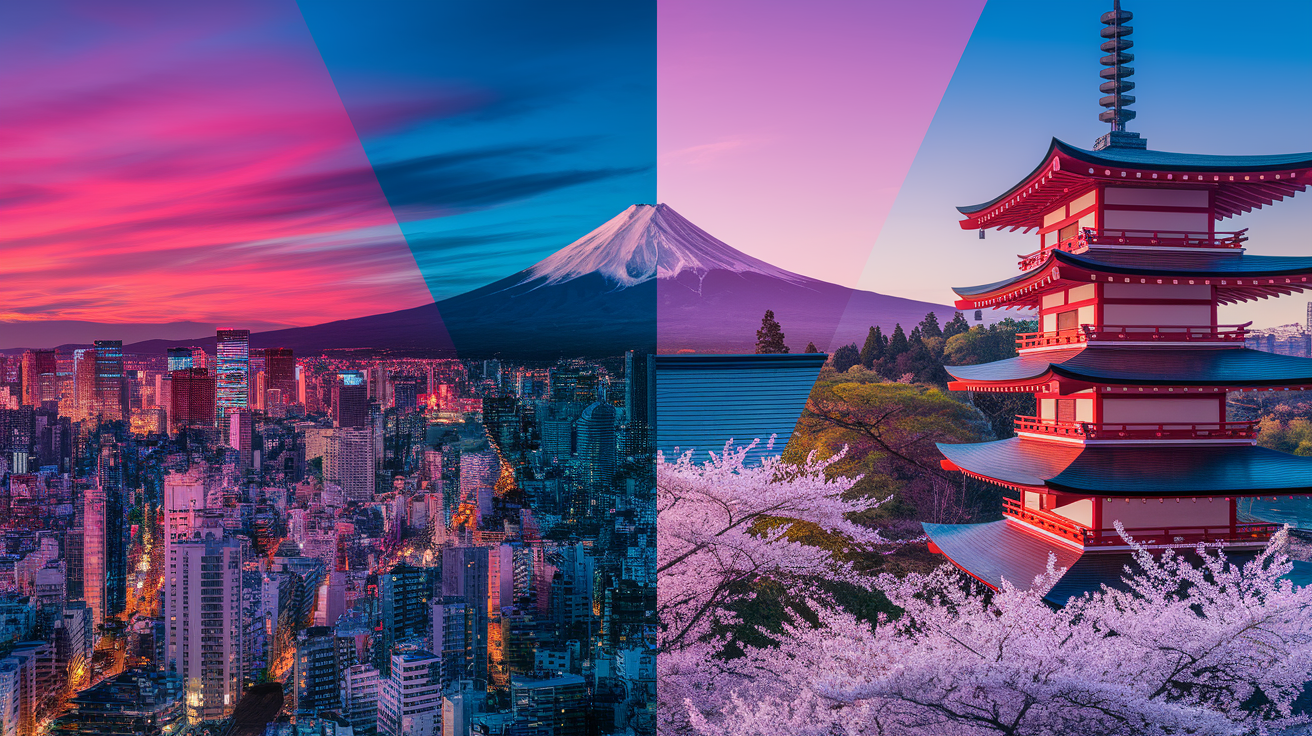
Japan consistently ranks as one of the world’s most rewarding destinations for first-time visitors, and honestly? The hype is completely justified. This island nation delivers an incredible combination of ancient temples, cutting-edge technology, world-class cuisine, and some of the friendliest people you’ll ever meet. Whether you’re wandering through neon-lit streets in Tokyo or watching deer bow in Nara, Japan creates memories that stick with you forever.
What makes this itinerary different from the dozens you’ve probably already scrolled through? It’s designed specifically for first-timers who want to experience Japan’s essential highlights without feeling rushed or overwhelmed. I’ve built this guide around a proven route that balances iconic experiences (yes, you’ll see Mount Fuji and those famous torii gates) with authentic cultural moments that reveal the real Japan.
Here’s what you’ll discover in this complete guide: a stress-free 10-14 day itinerary that covers Tokyo’s electric energy, Kyoto’s ancient beauty, and optional extensions that let you customize your adventure. You’ll get practical tips that actually matter—like how to navigate train stations without panic-sweating, where to find amazing food without breaking the bank, and which experiences are worth waking up early for.
This itinerary works because it follows a logical geographic route, minimizes luggage hauling between cities, and includes built-in flexibility for your personal interests. Whether you have 10 days or a full two weeks, you’ll leave Japan feeling like you truly experienced this incredible country. Ready to start planning your adventure? Let’s dive in.
Essential Pre-Trip Planning Made Simple

Understanding the Best Time to Visit Japan
Timing your Japan trip makes a massive difference in your experience. Spring (March through May) brings the world-famous cherry blossom season, when parks transform into pink wonderlands and locals gather for hanami parties under blooming trees. The weather is comfortable—think light jacket temperatures—and the energy throughout the country feels celebratory. Just know that late March through early April draws serious crowds, especially in Kyoto and Tokyo’s major parks.
Fall (September through November) rivals spring as the perfect time for first-timers. Autumn colors paint temple gardens in brilliant reds and golds, temperatures stay pleasant for walking all day, and you’ll encounter fewer tourists than cherry blossom season. Late November in Kyoto offers some of the most stunning temple photography opportunities you’ll find anywhere.
Here’s a quick tip for avoiding peak crowds while still catching seasonal highlights: visit major attractions early morning or late afternoon. Most tour groups hit places like Fushimi Inari between 10am-2pm, so arriving at 8am or after 4pm gives you a completely different (better) experience.
Getting Your Travel Essentials in Order
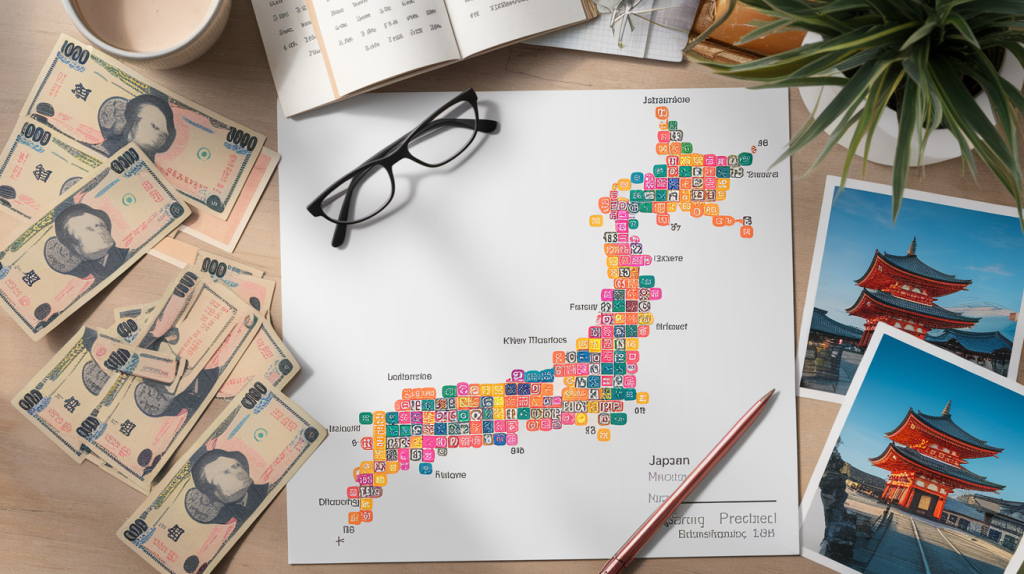
The Japan Rail Pass represents the ultimate money-saving tool for your trip. This pass gives you unlimited access to most JR trains, including the famous shinkansen (bullet trains) that zip between cities at 200+ mph. For a 7-day pass, you’ll pay around $280—which covers itself if you make just a few long-distance trips. The Tokyo-Kyoto round trip alone costs about $260 without the pass. Buy your exchange order before leaving home, then activate it at any major JR station when you arrive.
Visa requirements are easier than you think for most travelers. Citizens from 68 countries (including the US, Canada, UK, and Australia) get 90-day tourist visas automatically upon arrival. You literally just need a valid passport and your return ticket confirmation. The immigration process moves quickly and efficiently—welcome to Japan.
For staying connected, I recommend pocket WiFi over SIM cards for first-timers. Companies like Japan Wireless rent portable WiFi devices that support multiple devices simultaneously, perfect if you’re traveling with others. Pick it up at the airport, return it when you leave. Simple. Daily rates run about $8-10, and having reliable internet eliminates so much travel stress.
Budget Breakdown for First-Time Travelers
Let’s talk realistic daily costs. Plan on $150-250 per person per day for a comfortable mid-range experience. This breaks down roughly as: $60-100 for accommodation (business hotels or mid-range options), $40-70 for food (including one nice meal), $20-40 for activities and entrance fees, and $30-40 for local transportation and miscellaneous expenses.
Effective ways to save money without sacrificing experiences: eat breakfast at convenience stores (seriously, they’re amazing), use your JR Pass strategically for day trips, stay in business hotels instead of western chains, and take advantage of the incredible free attractions like temple grounds, parks, and observation decks.
Free and low-cost activities that deliver amazing memories include walking through Shibuya at night, exploring the outer grounds of most temples, visiting local markets early morning, people-watching in Yoyogi Park, and wandering through traditional neighborhoods like Yanaka in Tokyo or the backstreets of Gion in Kyoto. Some of my favorite Japan moments cost absolutely nothing.
Days 1-4: Tokyo – Your Perfect Introduction to Japan
Must-See Tokyo Neighborhoods and Attractions
Start your Japan adventure in Shibuya, where you’ll witness the world’s busiest pedestrian crossing in action. Stand in the Starbucks overlooking Shibuya Crossing for the perfect view, then dive into the chaos yourself. Walk 15 minutes to Harajuku, where youth culture explodes in colorful fashion, quirky shops, and Takeshita Street’s organized chaos. Don’t miss Meiji Shrine, tucked in a peaceful forest right behind all that urban energy—the contrast is incredible.
Asakusa represents traditional Tokyo at its finest. Senso-ji Temple, Tokyo’s oldest Buddhist temple, sits at the heart of this neighborhood. Arrive early to avoid crowds, walk through the massive red lantern gate, and explore Nakamise Shopping Street leading to the main temple. The traditional atmosphere here feels worlds away from modern Tokyo, yet you’re still in the same city.
Shinjuku delivers Tokyo’s skyscraper experience. Visit the free observation deck at Tokyo Metropolitan Government Building for stunning city views (go at sunset if possible). Wander through Shinjuku Gyoen National Garden for peaceful green space, then experience the controlled chaos of Shinjuku Station—the world’s busiest train station serving 3.5 million people daily.
Essential Tokyo Food Experiences
Your first sushi breakfast at Tsukiji Outer Market (the inner market moved, but the outer market still thrives) will ruin grocery store sushi forever. Arrive around 8-9am, grab a spot at any of the small sushi counters, and order the omakase (chef’s choice). You’ll pay $20-30 for the freshest fish you’ve ever tasted. Don’t stress about etiquette—the chefs are used to tourists and appreciate genuine enthusiasm.
Ramen streets exist throughout Tokyo, but Ramen Yokocho in Shinjuku or the ramen corridor in Tokyo Station offer easy starting points. You’ll typically order from a vending machine outside (pictures help!), hand your ticket to the staff, and slurp your noodles within minutes. Slurping is expected—it cools the noodles and shows appreciation.
Izakaya culture introduces you to Japanese social dining. These casual gastropubs serve small plates perfect for sharing, along with beer and sake. Try an izakaya in Yurakucho’s underpass area (Yurakucho Gado-shita) for an authentic experience. Order yakitori (grilled chicken skewers), edamame, and karaage (fried chicken). The staff might not speak much English, but pointing at menu pictures works perfectly.
Quick Day Trip Options from Tokyo
Mount Fuji and Hakone make an excellent day trip or overnight extension. Take the Romance Car train from Shinjuku to Hakone (90 minutes), cruise Lake Ashi with Fuji views (weather permitting), ride the ropeway over volcanic valleys, and soak in an onsen. If Fuji is hiding behind clouds (happens often), Hakone still delivers with its natural beauty and hot springs.
Nikko offers temples and nature for a complete cultural experience, just two hours north of Tokyo. The ornate Toshogu Shrine complex showcases incredible craftsmanship, while nearby Kegon Falls and Lake Chuzenji provide natural beauty. This day trip works best in fall when autumn colors paint the mountainsides.
Kamakura brings beaches, the Great Buddha, and a more relaxed pace just an hour south of Tokyo. Walk through bamboo groves at Hokoku-ji Temple, visit the 43-foot bronze Buddha at Kotoku-in, and explore the small shopping streets near Hase Station. If you’re visiting in summer, the beaches actually get packed with locals escaping Tokyo’s heat.
Days 5-8: Kyoto – Ancient Japan Comes Alive

The Complete Guide to Kyoto’s Top Temples and Shrines
Fushimi Inari’s thousands of vermillion torii gates create one of Japan’s most photographed scenes, and it absolutely lives up to the hype. Here’s the insider tip: arrive before 8am or after 5pm to beat the massive crowds. The main shrine area gets packed, but if you hike 30-45 minutes up the mountain trail, you’ll find yourself nearly alone among the gates. The full hike takes 2-3 hours round trip, but even 30 minutes up delivers that magical atmosphere.
Kinkaku-ji (Golden Pavilion) literally glows when sunlight hits its gold-leaf exterior. This Zen temple reflected in its pond creates perfect photo opportunities, though you can’t enter the pavilion itself. Visit mid-morning on weekdays for smaller crowds, and walk the garden path in the designated direction—you’ll get multiple viewing angles of this stunning structure.
Arashiyama Bamboo Grove transports you into another world when those towering stalks sway and creak in the breeze. Early morning (before 9am) transforms this experience from crowded photo op to magical moment. After the bamboo grove, explore nearby Tenryu-ji Temple’s garden, cross the iconic Togetsukyo Bridge, and consider the scenic train ride through the mountains if you have extra time.
Traditional Experiences You Can’t Miss
The geisha district of Gion offers the best chance to spot real geiko (Kyoto’s term for geisha) and maiko (apprentice geisha) heading to appointments. Walk along Hanami-koji Street around 5-6pm for potential sightings. Please remember: these are working professionals, not tourist attractions. Admire from a respectful distance and never block their path or grab them for photos.
Tea ceremony participation provides genuine insight into Japanese culture and aesthetics. Many temples and cultural centers offer 30-60 minute experiences where you’ll learn proper etiquette, prepare matcha tea, and enjoy traditional sweets. Camellia Tea Ceremony near Kiyomizu-dera offers excellent English-language sessions for about $30. The experience teaches you to slow down and appreciate simple moments—very Kyoto.
Kimono rental transforms your temple visits into something special. Numerous shops around Gion and Higashiyama offer full-day rentals ($40-80) including dressing service, accessories, and hair styling. Wearing kimono through Kyoto’s historic streets creates incredible photos and shows respect for local culture. Just wear comfortable shoes underneath—you’ll be walking a lot.
Essential Day Trips from Kyoto
Nara sits just 45 minutes from Kyoto and delivers two amazing experiences: over 1,000 semi-wild deer roaming freely through parks and temples, plus Todai-ji Temple housing a 50-foot bronze Buddha. The deer have learned to bow for crackers (sold throughout the park), creating adorable photo moments. They’re generally gentle but can get pushy when they smell food, so keep snacks hidden until you’re ready.
Osaka, Japan’s kitchen and entertainment capital, makes an easy 30-minute trip from Kyoto. Come for dinner in Dotonbori, where neon signs reflect off the canal and street food vendors serve takoyaki (octopus balls) and okonomiyaki (savory pancakes). Osaka’s food scene is more casual and affordable than Kyoto’s, with incredible energy after dark.
Uji, the green tea capital of Japan, offers a peaceful escape from Kyoto’s crowds. Visit Byodo-in Temple (featured on the 10-yen coin), walk along the Uji River, and taste the freshest matcha you’ll ever experience. Tea shops throughout town serve matcha parfaits, tea-flavored soba noodles, and traditional tea sets. The whole town smells like roasted green tea—it’s wonderful.
Days 9-12: Beyond the Basics – Complete Your Journey
Osaka: Japan’s Kitchen and Entertainment Hub
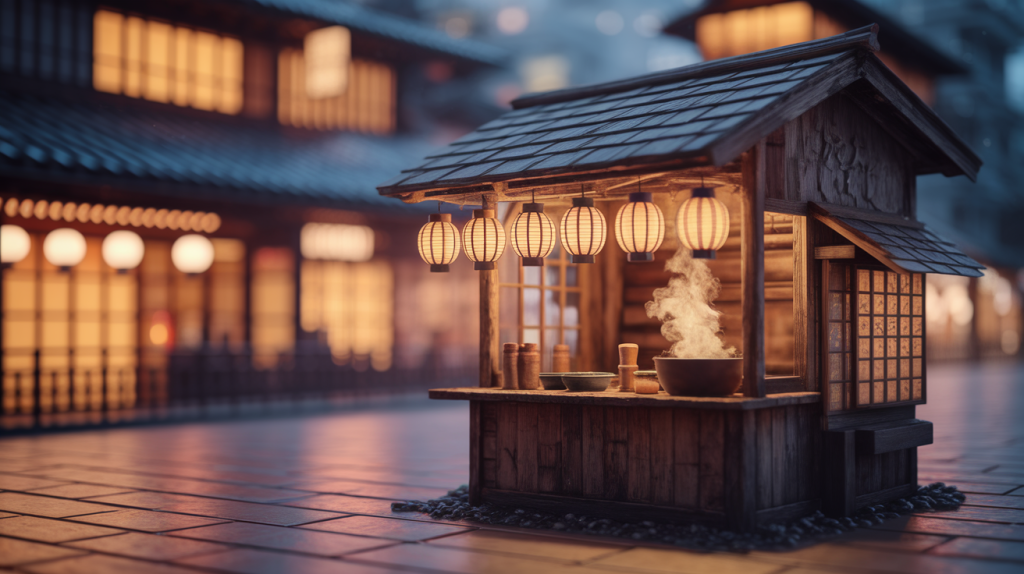
Dotonbori represents everything Osaka does best: incredible street food, outrageous neon signs, and non-stop energy. The famous Glico Running Man sign creates the perfect photo backdrop, while countless restaurants and food stalls line the canal. Try kushikatsu (deep-fried skewers) at a standing bar, grab takoyaki from a street vendor, and join locals for late-night ramen. The atmosphere here feels completely different from Kyoto’s refined elegance—Osaka is loud, fun, and delicious.
Osaka Castle sits in a beautiful park that’s especially stunning during cherry blossom season. The castle itself is a concrete reconstruction with a museum inside, but the exterior remains impressive and the top floor offers city views. The surrounding park provides great walking paths and people-watching opportunities. History buffs will appreciate learning about the castle’s role in unifying Japan.
Osaka’s nightlife is safe, fun, and easy to navigate even for first-timers. The Namba and Umeda areas offer everything from cozy bars to karaoke rooms to nightclubs. Hozenji Yokocho, a narrow alley near Dotonbori, features traditional lantern-lit restaurants and bars with intimate atmosphere. Japanese nightlife culture is respectful and welcoming—you’ll feel comfortable exploring.
Optional Extensions for a Perfect 14-Day Trip
Hiroshima and Miyajima deserve at least two days if you can extend your trip. The Peace Memorial Park and Museum in Hiroshima deliver a powerful, moving experience that puts history in perspective. Take the ferry to Miyajima Island to see the famous “floating” torii gate (currently under renovation but still impressive), friendly deer, and beautiful hiking trails. Stay overnight on the island to experience it after day-trippers leave.
Takayama and Shirakawa-go showcase traditional mountain villages and rural Japanese culture. Takayama’s preserved old town features sake breweries, morning markets, and incredible beef. Shirakawa-go’s gassho-zukuri farmhouses (with steep thatched roofs designed for heavy snow) create a storybook village scene. This extension works best with 2-3 days and requires some advance planning for transportation.
Hakone deserves more than a day trip if you love natural beauty and hot springs. Book a traditional ryokan with private onsen, take the scenic loop route around the area, and hope for clear Fuji views. The combination of volcanic landscapes, art museums, and relaxing hot springs makes Hakone perfect for unwinding before heading home.
Getting Around: Simple Transportation Tips
Navigating train stations looks intimidating but becomes second nature quickly. Follow these steps: find your train line on the overhead signs (color-coded and numbered), check the platform number, confirm the direction (look for the end destination), and board. Station staff are incredibly helpful—show them your destination written in Japanese (screenshot it) and they’ll point you to the right platform.
IC cards (Suica in Tokyo, ICOCA in Osaka/Kyoto) function as your key to seamless travel. Buy one at any major station for about $10 (includes $5 deposit), load money onto it, and tap in/out at ticket gates. These cards work on trains, subways, buses, and even at convenience stores and vending machines. You’ll never fumble with ticket machines again.
Managing luggage between cities requires strategy. Options include: shipping luggage ahead to your next hotel (takuhaibin service costs about $15 per bag and delivers next day), using coin lockers at major stations for day trips, or packing light enough to handle your bag on trains. Most travelers ship their main luggage and carry a day bag—it’s incredibly convenient and common in Japan.
Conclusion
Your Japan Adventure Starts Here
This complete itinerary covers Japan’s essential highlights while leaving room for spontaneous discoveries and personal interests. You’ll experience Tokyo’s electric energy, Kyoto’s ancient beauty, and Osaka’s food paradise, with optional extensions to Hiroshima, Hakone, or traditional mountain villages. Each destination builds on the previous one, creating a journey that reveals different facets of Japanese culture.
Japan welcomes first-time travelers with safe streets, efficient transportation, and genuine hospitality that makes you feel valued even when you can’t speak the language. Yes, you’ll encounter some language barriers and cultural differences, but that’s part of what makes the experience memorable. Japanese people consistently go out of their way to help confused tourists—I’ve had strangers walk me several blocks to ensure I found my destination.
The most important planning steps: book your flights and accommodations early (especially if traveling during cherry blossom season), purchase your JR Pass exchange order before leaving home, download essential apps (Google Maps, Google Translate, Hyperdia for train schedules), and create a rough daily schedule while staying flexible. Some of your best memories will come from unexpected moments.
Proven Tips for a Stress-Free Trip
Download these essential apps before departure: Google Maps (works offline if you download areas), Google Translate (camera function translates signs instantly), Hyperdia or Japan Travel by Navitime (train schedules and route planning), and TabiEats or Gurunavi (restaurant searches with pictures). These tools eliminate most common travel frustrations.
Simple phrases that make a big difference: “Sumimasen” (excuse me/sorry), “Arigatou gozaimasu” (thank you very much), “Eigo ga hanasemasu ka?” (do you speak English?), and “Kore kudasai” (this please—while pointing). Japanese people deeply appreciate any attempt to speak their language, even if your pronunciation is terrible.
Stay connected with pocket WiFi, keep your IC card loaded with funds, carry cash (many small restaurants and shops don’t accept cards), and always have your hotel’s address written in Japanese for taxi drivers. Japan is incredibly safe—you can walk anywhere at night, leave belongings at your table while ordering, and trust that lost items will likely be returned.
Ready to Book Your Amazing Japan Adventure?
Start by booking flights and your first few nights of accommodation in Tokyo. The JR Pass should be your next purchase, followed by booking any special experiences that require reservations (like teamLab Borderless in Tokyo or specific ryokans in Hakone). Day-to-day activities and restaurants can remain flexible—some of the best experiences come from spontaneous decisions.
For continued planning and inspiration, check out Japan Guide (japan-guide.com) for detailed practical information, r/JapanTravel on Reddit for recent traveler experiences and itinerary feedback, and YouTube channels like “Abroad in Japan” for entertaining cultural insights. The more you research, the more excited you’ll get.
Save this complete itinerary for easy reference while planning and during your trip. Japan will exceed your expectations in ways you can’t imagine yet—the combination of ancient traditions, modern innovation, incredible food, and genuine kindness creates something truly special. Your adventure awaits, and honestly? You’re going to have the time of your life. Start planning today, and you’ll be walking through those torii gates before you know it.