How to Pack Light for 2 Weeks: The Complete Beginner’s Guide to Stress-Free Travel

You stare at your empty suitcase, then at your overflowing closet, and panic sets in. How can you possibly fit two weeks’ worth of clothes into one bag? What if you forget something essential? What if you need that extra pair of shoes?
Here’s the truth: packing light isn’t about sacrifice—it’s about freedom. When you master the art of minimalist packing, you’ll breeze through airports while others struggle with oversized luggage.
You’ll save hundreds on baggage fees. You’ll spend less time deciding what to wear and more time actually enjoying your destination.
This guide will transform you from an anxious overpacker into a confident light-packing pro. We’re not talking about wearing the same outfit for 14 days straight.
Instead, you’ll learn proven strategies that professional travelers use to pack smart, stay comfortable, and look great throughout their entire trip.
The best part? These techniques work whether you’re heading to tropical beaches, exploring European cities, or hiking mountain trails.
You’ll discover that you need far fewer items than you think, and that packing light actually makes your travel experience MORE enjoyable, not less. Let’s dive into the simple system that will change how you travel forever.
The Essential Mindset Shift: Why Packing Light Changes Everything

Introduction
Understanding the Real Benefits

Why Packing Light for 2 Weeks Changes Everything
Before we get into the how, let’s talk about the why. Packing light delivers tangible benefits that transform your entire travel experience from the moment you leave home.
First, there’s the financial freedom. Airlines charge $30-$75 per checked bag each way. That’s up to $150 per person you could spend on actual experiences instead of hauling extra clothes you won’t wear. When you travel with just a carry-on, you also eliminate the risk of lost luggage—a nightmare that ruins the first days of countless trips every year.
Then there’s the mobility factor. Picture yourself navigating a crowded train station in Rome or climbing stairs to your third-floor Parisian apartment. With a light carry-on, you’re agile and independent. You can hop on public transportation without wrestling with massive bags. You can walk further to find that perfect café without exhaustion. You’re not that person blocking the airplane aisle, struggling to lift an overstuffed bag into the overhead compartment.
But here’s the benefit nobody talks about: mental clarity. When you pack light, you make fewer decisions throughout your trip. You’re not standing in your hotel room for 20 minutes wondering which of your seven shirts to wear. You have a curated collection of pieces that all work together, eliminating decision fatigue and leaving more mental energy for enjoying your destination.
The Perfect “Capsule Wardrobe” Philosophy

The Ultimate Pre-Packing Strategy (Do This First!)
The secret to packing light lies in the capsule wardrobe concept—a small collection of versatile pieces that mix and match effortlessly.
Think of your travel wardrobe like a recipe. You don’t need 50 different ingredients to make amazing meals; you need the right ingredients that work together in multiple combinations. The same principle applies to clothing. Five carefully chosen tops can create more outfit combinations than ten random pieces that don’t coordinate.
Start with a neutral color palette. Black, navy, gray, tan, and white form the foundation. These colors work together seamlessly, meaning every top pairs with every bottom. Then add one or two accent colors that complement your neutrals—maybe olive green or burgundy. This approach might sound boring, but it’s actually liberating. You’ll look polished in every photo without the stress of coordinating complicated patterns.
Quality beats quantity every time. One well-made pair of pants that fits perfectly and doesn’t wrinkle will serve you better than three cheap pairs that lose their shape after one wear. Invest in items made from wrinkle-resistant fabrics like merino wool, synthetic blends, or quality cotton. These pieces maintain their appearance throughout your trip, even when stuffed in a suitcase.
Breaking Free from “What If” Thinking

The Complete Clothing List for 2 Weeks
The biggest obstacle to packing light isn’t physical—it’s psychological. We pack for imaginary scenarios instead of realistic situations.
“What if I get invited to a fancy dinner?” “What if the weather changes?” “What if I need three different jacket options?” These “what if” questions lead to overpacking every single time. Here’s the reality check you need: you’re going to a real place with real stores. If you truly need something specific, you can buy it there. In fact, shopping at your destination often becomes one of your favorite travel memories.
Apply the 48-hour rule: if you haven’t used an item within the first two days of your trip, you probably won’t use it at all. Experienced travelers know this truth. That “just in case” outfit stays folded in your suitcase the entire journey, taking up valuable space and adding unnecessary weight.
Challenge yourself with this proven tip: lay out everything you think you need, then remove one-third of it. That remaining two-thirds is probably still more than you’ll actually use. If you’re genuinely torn about an item, you don’t need it. Trust your gut—and trust that you’re resourceful enough to handle unexpected situations without packing your entire closet.
Your Ultimate Packing List: The Complete Essentials

Toiletries and Personal Care Made Simple
Clothing Basics (The 5-4-3-2-1 Method)

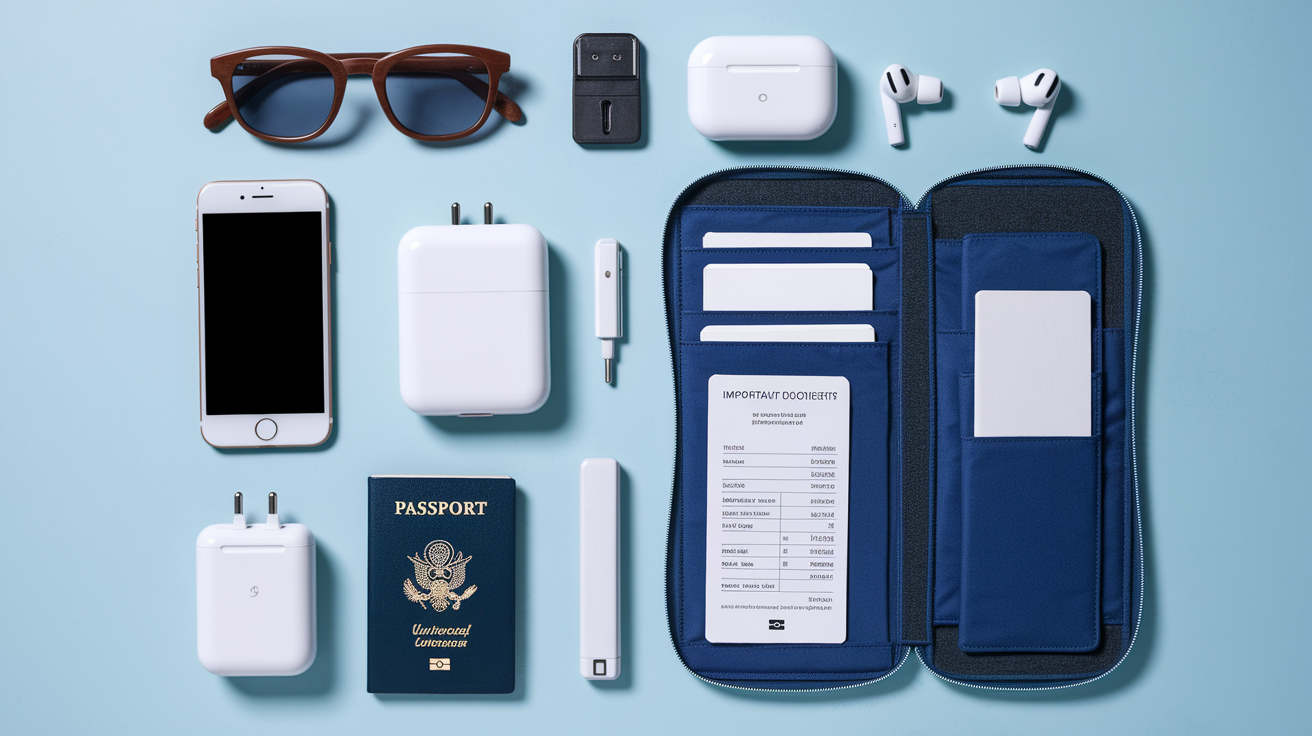
Tech, Documents, and Travel Essentials
This proven formula gives you everything you need without excess. It’s been tested by thousands of travelers and works for virtually any destination.
5 Tops: Choose a strategic mix that covers all situations. Pack two casual t-shirts or tank tops for everyday wear, two blouses or button-downs that can dress up or down, and one nicer top for special occasions. Make sure at least three of these tops work with all your bottoms. Stick to your neutral palette with maybe one patterned piece for variety.
4 Bottoms: Two pairs of pants form your foundation—one in a dark color for versatility and one in a lighter neutral. Add one pair of shorts for warm weather or casual days, and either a skirt or dress that can transition from day to evening. If you’re traveling somewhere cold, swap the shorts for a second pair of long pants. The key is choosing bottoms in complementary colors that work with all your tops.
3 Layers: Weather changes, and buildings have different temperatures. A lightweight cardigan works for mild cooling and adds polish to casual outfits. A versatile jacket—like a denim jacket or utility jacket—handles cooler temperatures and light rain. Finally, pack one sweater that’s warm enough for chilly evenings but not too bulky. Choose layers that coordinate with your entire wardrobe, not just specific outfits.
2 Pairs of Shoes: This is non-negotiable for light packing. Your first pair must be comfortable walking shoes—sneakers, supportive flats, or walking sandals that you can wear for hours without blisters. Break these in before your trip! Your second pair should be sandals for warm destinations or dressier shoes for cooler climates. Wear your bulkiest pair during travel to save suitcase space.
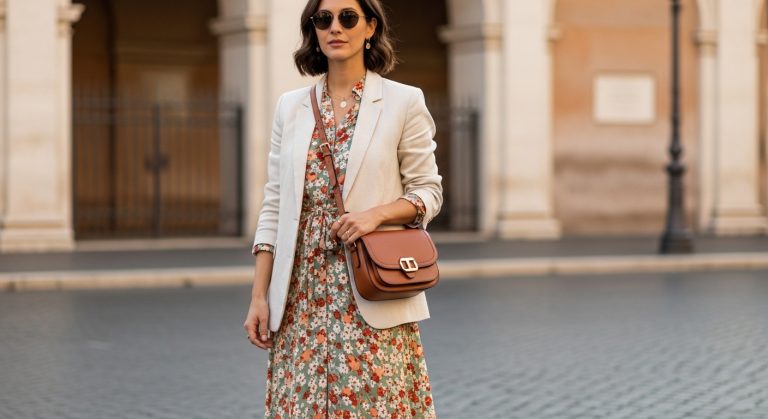
1 Special Outfit: Keep one complete outfit for unexpected nice dinners or events. This could be a dress with a cardigan, or dress pants with a nice blouse. Choose something that doesn’t wrinkle easily and makes you feel confident.
Undergarments and Accessories

Proven Packing Techniques That Maximize Space
These small items make a huge difference in your packing efficiency and daily comfort.
For underwear and socks, pack seven pairs maximum—one for each day of the week. Choose quick-dry fabrics like synthetic blends or merino wool that you can wash in the sink and have dry by morning. This investment pays off immediately when you realize you’re not lugging around 14 pairs of cotton underwear.
Keep jewelry minimal and versatile. One pair of earrings, one necklace, and maybe one bracelet that work with everything in your wardrobe. Leave expensive pieces at home—you don’t want to worry about losing them or being a target for theft. Choose items that won’t tarnish if they get wet.
A scarf or hat serves multiple purposes beyond fashion. A lightweight scarf becomes a blanket on cold planes, a beach cover-up, a shawl for visiting religious sites, or even a makeshift bag. A hat protects you from sun or rain while adding variety to your outfits. Choose one multi-purpose accessory that matches your wardrobe.
Don’t forget your swimsuit if you’re heading anywhere near water. Even if swimming isn’t your main activity, opportunities often arise—hotel pools, hot tubs, unexpected beach days, or spa visits. Swimsuits take up minimal space and dry quickly.
Toiletries That Won’t Weigh You Down

Doing Laundry on the Road (It’s Easier Than You Think!)
Toiletries are where beginners make their biggest packing mistakes. You don’t need full-size bottles of everything.
Invest in quality travel-size containers (3 ounces or less for carry-on compliance) and fill them with your favorite products. Or buy travel-size versions of essentials. Remember that most hotels provide shampoo, conditioner, soap, and lotion. You really only need to bring products you’re particular about or that serve specific purposes.
Your essential toiletries list should include: toothbrush and toothpaste, deodorant, face wash, moisturizer, sunscreen, and any prescription medications. That’s it for the basics. Add razor, makeup, and hair products based on your personal needs, but keep it minimal.
Look for multi-purpose products that save space and weight. A tinted moisturizer with SPF eliminates three separate products. A 2-in-1 shampoo and conditioner cuts your bottles in half. Solid products like shampoo bars, conditioner bars, and solid sunscreen don’t count toward liquid limits and often last longer than their liquid counterparts.
Skip the “what if” toiletries. You don’t need three different types of pain relievers, a full first-aid kit, or enough products to open a pharmacy. If you need something specific, pharmacies exist at your destination. Pack a small amount of basics and trust that you can purchase anything else if necessary.
Smart Packing Techniques That Actually Work

Common Beginner Mistakes (And How to Avoid Them)
The Rolling vs. Folding Debate (Solved!)

Conclusion
The internet is full of conflicting advice about rolling versus folding clothes. Here’s the truth: both methods work, but for different items.
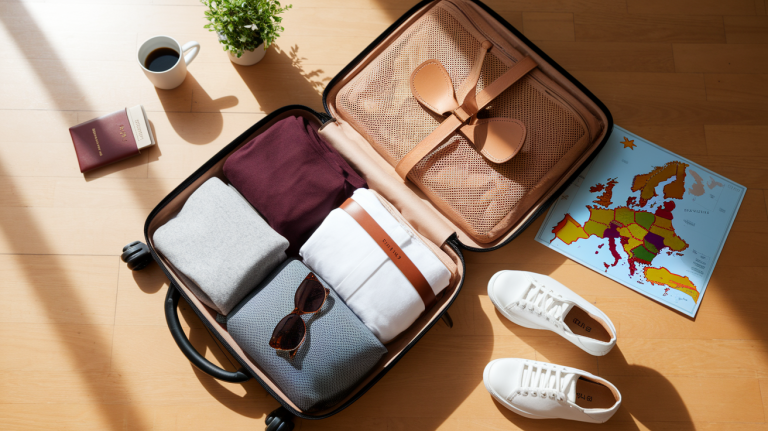
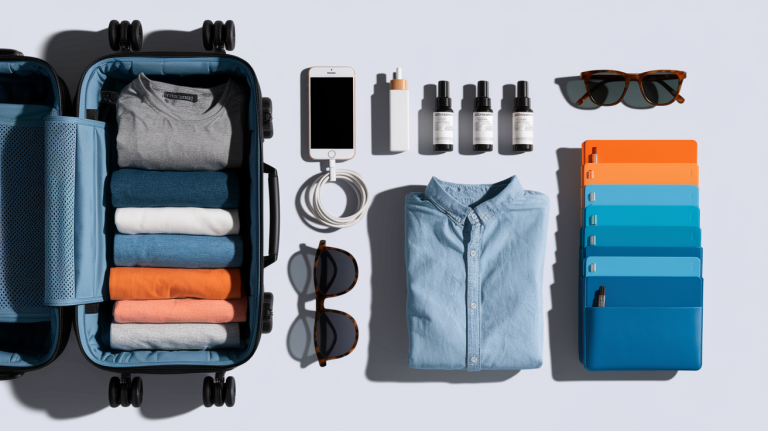
Rolling is perfect for most casual clothing—t-shirts, tank tops, shorts, casual pants, and underwear. The technique is simple: lay the item flat, smooth out wrinkles, fold in the sleeves (for shirts), then roll tightly from bottom to top. This method prevents creases, maximizes space, and lets you see everything in your bag at a glance. Rolled items also compress more easily, allowing you to fit more into your luggage.
Folding works better for structured items that look better with defined lines. Dress shirts, blazers, and dress pants should be folded carefully to maintain their shape. Use tissue paper between folds to minimize creasing. For these items, the traditional fold-and-stack method actually prevents wrinkles better than rolling.
The bundle wrapping technique combines both approaches for maximum efficiency and wrinkle prevention. Place your most wrinkle-prone item flat, then layer other items on top, wrapping each around a central core (like a toiletry bag). This method works brilliantly for dress clothes and special occasion outfits, keeping everything smooth and compact.
Here’s your action plan: roll casual items, fold structured pieces, and use bundle wrapping for anything you need to look perfect. Mix these techniques based on what you’re packing rather than committing to just one method.
Organizing with Packing Cubes and Compartments
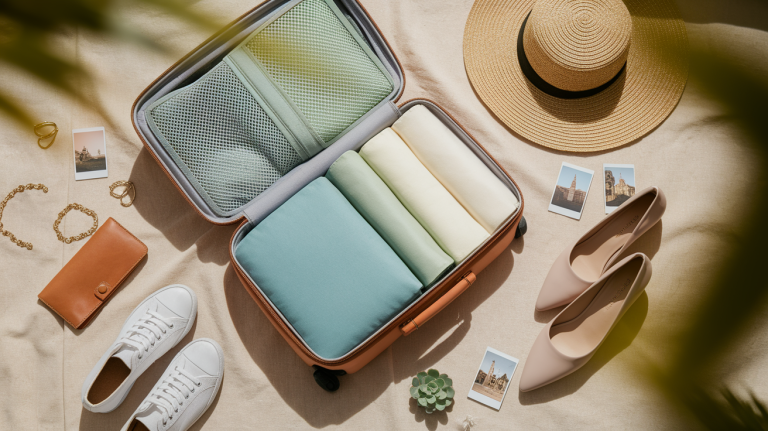
Packing cubes are the game-changing tool that converts chaotic suitcases into organized systems. These lightweight fabric containers compress your clothing while keeping everything categorized and accessible.
Use different cubes for different categories: one for tops, one for bottoms, one for undergarments, one for accessories. This organization means you can find exactly what you need without unpacking your entire bag. When you arrive at your destination, simply move the cubes from your suitcase to drawers—no unpacking required.
The compression feature of quality packing cubes is remarkable. By zipping them closed, you squeeze out excess air and reduce the volume of your clothes by up to 30%. This compression doesn’t wrinkle your clothes more than they’d already be from standard packing—it just makes them more compact.
Color-coding takes organization to the next level. Use one color for clean clothes and another for dirty items, or assign colors to different family members if you’re traveling together. This simple system saves time and mental energy throughout your trip.
Pro tip: Keep a separate small cube or plastic bag for dirty clothes as your trip progresses. This keeps worn items separate from clean ones and makes unpacking at home effortless—just dump the dirty cube straight into the washing machine.
Maximizing Every Inch of Space
Strategic packing means using every available inch of your luggage efficiently.
Your shoes are hollow containers—use them! Stuff socks, underwear, chargers, or small accessories inside your shoes. This protects the shoe’s shape while utilizing otherwise wasted space. Wrap shoes in shower caps or plastic bags to keep them separate from clothes.
The personal item you carry on the plane is valuable real estate. Your backpack or tote can hold more than you think. Pack heavy items like shoes, books, or electronics in your personal item to keep your main luggage lighter and easier to lift. Layer clothing items around these heavy objects for protection and space efficiency.
Wear your bulkiest items during travel days. That heavy jacket, chunky boots, and thick sweater don’t need to take up suitcase space—wear them on the plane. Yes, you might be warm in the airport, but you can always remove layers once you’re through security. This strategy alone can save enough space to downsize from a checked bag to a carry-on.
Fill gaps strategically. Small items like belts, chargers, and jewelry fit into the spaces between larger items. Tuck flat items like documents or thin clothing into the laptop compartment of your bag. Every gap is an opportunity to pack smarter without adding bulk.
Pro Tips for Staying Light Throughout Your Trip
The Laundry Solution
The secret that makes two-week light packing possible is simple: do laundry midway through your trip.
Finding laundry facilities is easier than you think. Many hotels offer laundry services (though they’re expensive). Hostels often have coin-operated machines. Airbnbs frequently include washers. And every destination has laundromats—use Google Maps to locate one near your accommodation.
For ultimate flexibility, master the sink-washing technique. Fill the bathroom sink with warm water and a small amount of detergent or soap. Submerge your clothing, gently agitate, let soak for 10-15 minutes, then rinse thoroughly with cool water. Roll items in a towel to squeeze out excess water (don’t wring delicate fabrics), then hang to dry overnight. Quick-dry fabrics will be ready to wear by morning.
This is why fabric choice matters so much. Merino wool, polyester blends, and nylon dry in hours rather than days. Cotton takes forever and gets heavy when wet. When you’re buying clothes for travel, check the fabric content and choose materials designed for quick drying.
Pack a small container of travel detergent or bring a few laundry sheets. Alternatively, use the hotel shampoo—it works in a pinch for hand-washing clothes. A sink stopper or universal drain plug (available for a few dollars online) ensures you can wash clothes even in sinks without built-in stoppers.
Outfit Planning and Mix-Matching Strategy
Strategic outfit planning multiplies your wardrobe without adding items.
Before you leave home, spend 30 minutes creating outfit combinations with your chosen pieces. Lay out different combinations on your bed and take photos with your phone. These photos become your reference guide when you’re tired and can’t think creatively about what to wear. You’ll be amazed at how many different looks you can create from a small capsule wardrobe.
Apply the rule of three: every item you pack should work with at least three other pieces. That patterned shirt that only matches one pair of pants? Leave it home. The shoes that only work with one outfit? Not worth the space. This rule forces you to choose versatile pieces that maximize your outfit options.
Layer strategically to create different looks from the same base items. A t-shirt alone is casual. Add a cardigan and it’s polished. Throw on a scarf and suddenly it’s a completely different outfit. The same dress looks casual with sandals and a denim jacket, but dressy with heels and jewelry. Layers and accessories transform your limited pieces into seemingly unlimited combinations.
Plan for the activities you’ll actually do, not imaginary scenarios. If your trip involves mostly sightseeing and casual dining, you don’t need multiple dressy outfits. If you’re attending a wedding, yes, pack accordingly—but don’t also pack three other formal options “just in case.” Be realistic about your itinerary and pack for your actual plans.
What to Leave at Home (Yes, Really!)
Experienced travelers know these items seem essential but rarely get used.
Leave the “just in case” outfit at home. You know the one—that extra dress or outfit for an occasion that might happen but probably won’t. If an unexpected fancy event arises, you’ll make your existing clothes work or enjoy the excuse to buy something new at your destination.
Skip excessive shoes. Three pairs maximum, and that’s pushing it for most trips. Each pair of shoes is heavy and bulky. Unless you’re going somewhere with dramatically different climates or activities, two pairs handle everything. Your feet will thank you for the reduced load when you’re walking miles each day.
Don’t pack full-size books. They’re heavy and take up significant space. Use an e-reader or phone app for reading material. If you must have physical books, buy one at your destination and leave it behind when you finish. Airport book exchanges and hotel libraries offer free options.
Leave the hair dryer and other bulky electronics at home. Most hotels provide hair dryers. If you’re staying somewhere without one, buy a cheap one at your destination for $15-20 and leave it behind. The same goes for irons—hotels have them, or you can use the shower steam method to release wrinkles.
Forget the travel-size everything. You don’t need miniature versions of every product you own. Choose your actual essentials and leave the rest. You won’t need three types of moisturizer, four hair products, and a complete makeup collection. Simplify your routine for travel, and you might discover you don’t need half those products at home either.
Embrace the Freedom of Light Packing
Packing light for two weeks isn’t about deprivation—it’s about liberation. When you embrace this minimalist approach, you’ll discover that the best part of travel has nothing to do with your wardrobe and everything to do with your experiences.
Your first light-packing trip is a learning experience. You might realize you packed one item too many or wish you’d brought one specific thing. That’s perfectly normal and part of the process. Take notes during your trip about what you used and what stayed in your bag. These insights will make your next packing experience even better.
The system we’ve covered—the 5-4-3-2-1 method, strategic packing techniques, and the laundry solution—works because it’s been tested by thousands of travelers across countless destinations. Start with this proven framework, then adjust it to match your personal style and needs. Maybe you need three pairs of shoes instead of two, or perhaps you can get away with four tops instead of five. Make the system yours.
Remember that packing light is a skill that improves with practice. Your first attempt might feel uncomfortable or challenging. By your third trip, you’ll pack your bag in 20 minutes flat and wonder how you ever traveled with more. You’ll walk past the baggage claim carousel with a smile, knowing your belongings are safely with you and your vacation has already begun.
The experiences you’ll have—the spontaneous adventures, the stress-free travel days, the extra money in your pocket—far outweigh any concerns about outfit variety. You’re not going on this trip to showcase your wardrobe; you’re going to explore, discover, and create memories that last a lifetime.
Start making your packing list today. Choose your versatile pieces, gather your travel-size toiletries, and get ready to embrace the light-packing lifestyle. Your future self—standing in an airport, breezing through security, and heading straight to your destination—will thank you. The freedom of traveling light changes everything, and you’re about to discover exactly why minimalist packing is the ultimate travel hack.