Best Japanese Wellness Spots 2026

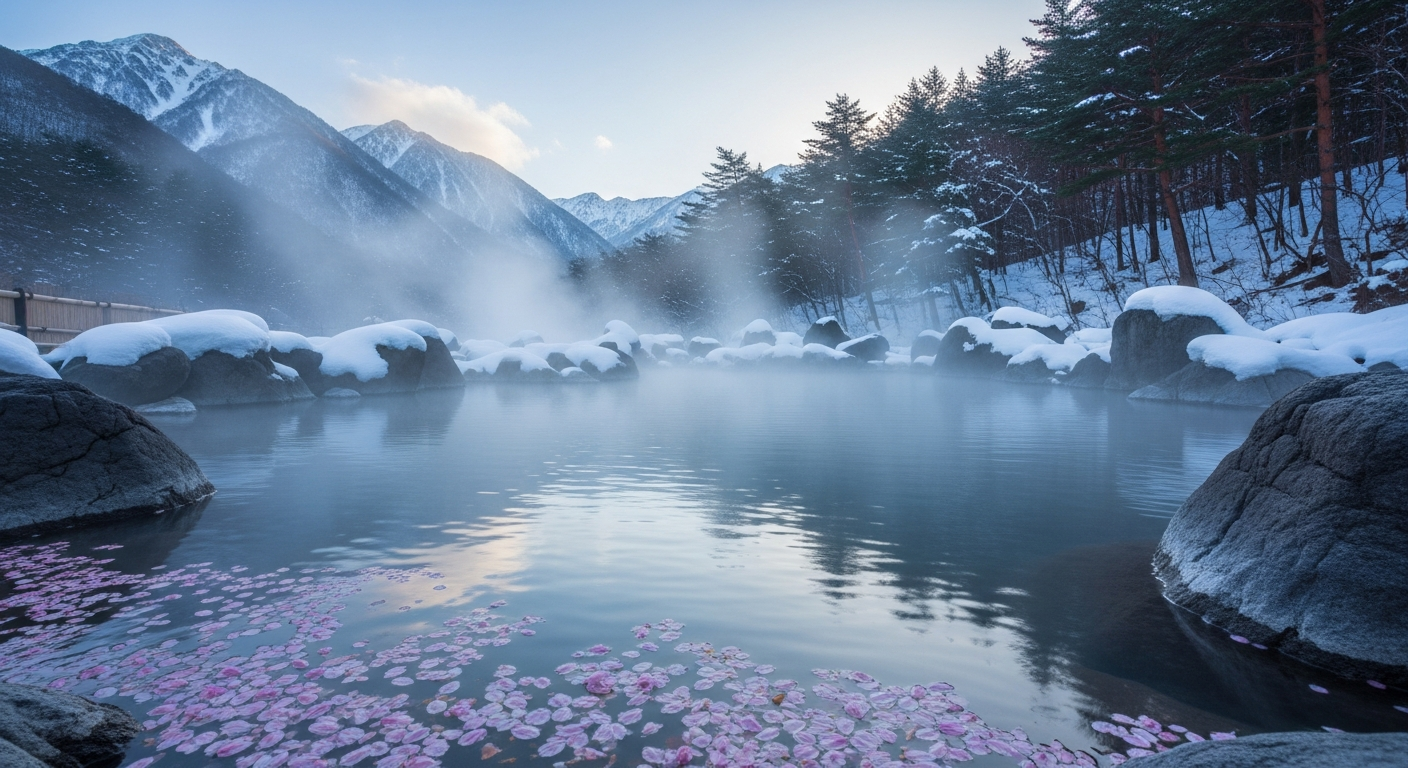
You dream of soaking in a steaming outdoor onsen, surrounded by snow-capped mountains, as cherry blossoms drift lazily across the water. This isn’t just a wellness vacation—it’s a complete reset for your body and soul. And it’s waiting for you in Japan.
I get it. You’re exhausted from back-to-back work weeks, your shoulders are permanently hunched from desk life, and your last “vacation” involved answering emails by the pool. You need something different. Something that actually delivers the rejuvenation you’re craving.
Here’s the problem most travelers face: Limited vacation time means you can’t afford to waste days on disappointing experiences. You’re worried about costs spiralling out of control.
You’re overwhelmed by contradictory advice from travel blogs. And you definitely don’t want to end up at some tourist trap that promises “authentic Japanese wellness” but delivers Instagram backdrops instead of actual healing.
That’s exactly why I’ve created this guide. After years of exploring Japan’s wellness landscape—from hidden mountain onsens where locals outnumber tourists ten-to-one, to urban sanctuaries that deliver profound relaxation between business meetings—I’ve identified the spots that genuinely transform how you feel.
This isn’t a listicle of pretty photos. This is your blueprint for experiencing wellness practices that Japanese people have perfected over thousands of years, complete with honest budget breakdowns, insider tips that skip the tourist traps, and strategic planning advice that maximizes every precious vacation day. Whether you have $500 or $5,000 to spend, whether you’re traveling solo or with family, you’ll find your perfect wellness escape in these pages.
Ready to discover why Japan is about to become your new wellness obsession? Let’s dive in.
Why Japan Is the Ultimate Wellness Destination in 2026

Japan doesn’t just do wellness—it invented half the practices the Western world is now scrambling to adopt. And in 2026, experiencing authentic Japanese wellness has never been more accessible for international travelers.
The Ancient Wisdom Behind Japanese Wellness
The foundation of Japanese wellness runs deep. Onsen culture dates back over 3,000 years, with natural hot springs delivering mineral-rich waters that heal everything from joint pain to skin conditions. These aren’t spa treatments—they’re geological phenomena that happen to be incredibly therapeutic. The water composition varies by location: sulfur springs for skin rejuvenation, iron-rich waters for circulation, and sodium bicarbonate springs for softening and moisturizing.
Then there’s shinrin-yoku, or forest bathing. What Japanese practitioners have known for centuries, Western science finally confirmed in 2019: spending intentional time in forests measurably reduces cortisol levels, lowers blood pressure, and boosts immune function. This isn’t about hiking or exercising—it’s about slowly, mindfully absorbing the forest atmosphere through all your senses.
Traditional kaiseki cuisine transforms nutrition into an art form. Each multi-course meal follows seasonal rhythms, balances flavors and textures according to ancient principles, and presents food as visual poetry. You’re not just eating—you’re participating in a wellness practice that nourishes body and spirit simultaneously.
Even Zen meditation, which can feel intimidating to beginners, becomes accessible in Japan. Temples across the country now offer English-language sessions where monks guide you through practices refined over 800 years. No previous experience required, no judgment, just ancient techniques that quiet your racing mind.
What’s New for Wellness Travelers in 2026
The Japanese wellness landscape has evolved dramatically to welcome international visitors. English-speaking staff are now standard at major wellness facilities, with many offering translation apps and multilingual signage. You no longer need Japanese language skills to navigate these experiences confidently.
Transportation improvements have revolutionized wellness travel planning. New train routes specifically connect major wellness destinations, and the JR Pass now includes access to premium wellness-focused routes. You can seamlessly travel from Tokyo’s urban sanctuaries to remote mountain onsens without the logistical headaches that plagued travelers five years ago.
Digital detox packages have become the norm rather than the exception. Most wellness ryokans now offer structured programs where you surrender your devices upon arrival and receive them back at checkout. These aren’t punitive—they include alternative activities like calligraphy, tea ceremony, and guided meditation that fill the void your phone usually occupies.
The most exciting development? Hybrid experiences that blend traditional practices with modern wellness technology. Imagine following a traditional onsen soak with biometric health tracking, or combining Zen meditation with neurofeedback monitoring. Japan has figured out how to honor ancient wisdom while leveraging contemporary science.
Value for Your Vacation Days
Here’s what makes Japan exceptional for time-strapped travelers: strategic location clusters. You can experience forest bathing, onsen therapy, temple meditation, and kaiseki cuisine within a 50-mile radius. Compare that to wellness destinations that require days of travel between experiences.
Japan’s legendary transportation efficiency means you spend more time rejuvenating and less time in transit. The Shinkansen delivers you from Tokyo to Kyoto in 2 hours and 15 minutes. Local buses run with punctuality measured in seconds, not minutes. This efficiency directly translates to more wellness experiences per vacation day.
All-inclusive wellness packages eliminate the planning stress that undermines relaxation before you even arrive. Many ryokans now offer complete experiences: accommodation, meals, onsen access, and additional treatments bundled at transparent prices. No hidden fees, no decision fatigue, just pure restoration.
Most importantly, these experiences deliver results you’ll feel for months after returning home. This isn’t temporary vacation relaxation that evaporates the moment you check your work email. The practices you’ll learn—proper onsen etiquette, basic meditation techniques, mindful eating principles—become tools you can integrate into daily life back home.
Quick Stats: Average onsen day-visit costs ¥800-2,000 ($6-15). A complete 3-day wellness retreat ranges from under $500 for budget-conscious travelers to $2,000+ for ultimate luxury experiences. The Japan Rail Pass (7-day) costs ¥29,650 ($220) and covers transportation to virtually every wellness destination in this guide.
The Secret Onsen Towns Locals Actually Visit

Forget the overcrowded tourist onsens where you’ll queue for baths and dodge selfie sticks. These three destinations represent where Japanese wellness seekers actually go when they need genuine restoration.
Kurokawa Onsen, Kumamoto – The Breathtaking Mountain Sanctuary
Nestled in a pristine valley in Kumamoto Prefecture, Kurokawa Onsen feels like stepping into a watercolor painting. Thirty traditional ryokans line a crystal-clear river, connected by walking paths through ancient forests. The entire town has preserved its historical architecture—no modern buildings, no neon signs, just wooden structures with thatched roofs that could have existed 200 years ago.
What makes Kurokawa truly special is the “tegata” pass system. For just ¥1,500 ($11), you purchase a wooden pass that grants access to three different ryokan onsens of your choice. This means you can experience the unique character of multiple properties without staying overnight at each. One might feature outdoor baths overlooking the river, another offers cave baths carved into natural rock, and a third provides secluded forest baths where the only sound is birdsong.
This destination excels for couples seeking romantic tranquility and solo travelers wanting authentic immersion without language barriers. The compact town layout means you can explore everything on foot, and the universally peaceful atmosphere makes solo dining and bathing comfortable rather than awkward.
Budget travelers can find guesthouses with onsen access starting at ¥8,000 per night ($60), including breakfast. Mid-range traditional ryokans with full kaiseki meals run about ¥18,000 per night ($135). Luxury seekers looking at premium kaiseki dinners featuring local specialties and private onsen access should budget ¥35,000 per night ($260).
Timing matters here. Visit during autumn (October-November) for spectacular foliage that transforms the valley into a riot of reds and golds. You’ll avoid the summer crowds while enjoying perfect soaking temperatures as the air cools. Winter brings snow-covered landscapes that are equally stunning, though some mountain roads may require chains.
Getting there requires planning: take a 3-hour bus from Fukuoka Airport. Book ahead through services like Japanican or JR Kyushu for English support and guaranteed seating. The journey itself becomes part of the experience as you wind through increasingly remote mountain landscapes.
Kinosaki Onsen, Hyogo – The Perfect Seven-Bath Journey
If Kurokawa represents serene isolation, Kinosaki offers charming sociability. This historic onsen town features willow-lined canals, wooden bridges, and a unique tradition: the “Soto-yu Meguri” or external bath tour. You stay at any accommodation in town, don your provided yukata (casual kimono), and spend your days strolling between seven distinct public bathhouses, each with different architectural styles and water properties.
This system brilliantly solves the first-timer’s anxiety about onsen etiquette. Because everyone’s moving between baths in their yukatas, the whole town feels like a shared wellness experience. You’ll see families, elderly couples, young travelers, and local residents all participating in the same ritual. Some bathhouses allow families to bathe together (with towel wraps), making this one of the few truly family-friendly onsen destinations.
Each of the seven baths offers something different. Satono-yu features cave baths and a garden view. Mandara-yu claims to bring good fortune. Gosho-no-yu provides spacious baths perfect for first-timers who feel self-conscious. The variety means you can sample different experiences without leaving town.
Budget accommodations start at ¥7,000 per night ($52) for minshuku (family guesthouses) that include breakfast and yukata rental. Mid-range ryokans averaging ¥20,000 per night ($150) typically include both breakfast and dinner. Luxury properties featuring the region’s famous Matsuba crab in elaborate kaiseki meals run about ¥45,000 per night ($335).
Winter (November through March) is crab season, and missing the legendary Matsuba crab dinners would be a mistake. These sweet, delicate crabs are prepared multiple ways throughout a single kaiseki meal: sashimi, grilled, in hot pot, and as sushi. It’s a culinary experience that justifies the luxury price point.
The journey from Kyoto takes 2.5 hours via limited express train—easy, scenic, and covered by the JR Pass. This accessibility makes Kinosaki perfect for adding onto a Kyoto itinerary without major logistical complications.
Nyuto Onsen, Akita – The Hidden Alpine Escape
Nyuto Onsen exists for travelers seeking complete disconnection. This collection of seven remote ryokans sits deep in the mountains of Akita Prefecture, accessible only by winding mountain roads. Cell service is spotty. English is limited. Modern conveniences are scarce. And that’s exactly the point.
The star attraction is Tsurunoyu, a 300-year-old ryokan featuring milky-white sulfur waters in outdoor mixed-bathing pools (separate bathing areas available for those uncomfortable with the traditional practice). The mineral content is so high that the water appears opaque white—you literally cannot see beneath the surface. The sulfur content delivers powerful skin benefits, though be warned: your jewelry will tarnish and your clothes will carry a faint sulfur scent for days.
This destination serves digital detox seekers who need forced disconnection, nature photographers chasing pristine landscapes, and winter enthusiasts who dream of soaking in outdoor baths while snow falls around them. The winter landscape here is otherworldly—deep snow blankets everything, creating a hushed white world where the only sounds are bubbling hot springs and wind through pines.
For budget-conscious travelers, day-visit passes cost just ¥600 ($4.50) at most Nyuto onsens. This option lets you experience these legendary waters without committing to overnight prices that can exceed ¥20,000 per person with meals. Pack a lunch, spend the day rotating between different ryokan baths, and return to more affordable accommodations in nearby Tazawako.
Reaching Nyuto requires taking a bus from Tazawako Station. Winter visitors need to prepare for serious snow—bring appropriate clothing and check road conditions. The remoteness that makes Nyuto special also means limited flexibility if weather turns severe. Plan extra buffer days in your itinerary.
Urban Wellness: Complete Rejuvenation Without Leaving the City

Not everyone can dedicate entire trips to remote mountain retreats. Sometimes you need wellness experiences that fit between business meetings, cultural sightseeing, or family activities. Japan’s major cities deliver surprisingly authentic wellness options without requiring rural escapes.
Tokyo’s Hidden Wellness Gems
Oedo Onsen Monogatari (Odaiba) reimagines the traditional onsen as an accessible theme park experience. This sprawling facility recreates an Edo-period town complete with food stalls, games, and multiple themed baths. For first-time onsen visitors intimidated by traditional etiquette, this provides a gentle introduction with English signage, staff assistance, and a relaxed atmosphere where mistakes are expected and forgiven.
The facility stays open until 9am the following morning, making it perfect for jet lag recovery. Arrive at midnight Tokyo time when your body thinks it’s noon, soak away travel fatigue, sleep in the relaxation rooms, and emerge synchronized to local time. The ¥2,900 entry fee ($22) includes yukata rental and access to all baths—exceptional value for central Tokyo.
The local secret? Visit after 6pm for a ¥2,000 discount rate. Combine your onsen visit with TeamLab Borderless (a 10-minute walk away) for a perfect Tokyo day blending wellness and cutting-edge digital art.
Spa LaQua (Tokyo Dome City) offers something unique: a rooftop onsen with panoramic city views. Watch Tokyo’s glittering skyline while soaking in natural hot spring water pumped from 1,700 meters underground. The women-only floors provide premium treatments in a space designed for complete relaxation without the self-consciousness some women feel in mixed-gender facilities.
Entry costs ¥2,900 plus treatments starting at ¥5,000. The “Healing Baden” package bundles full-day access with meals and selected treatments at a discount—book this if you’re planning to spend 4+ hours. The location adjacent to Tokyo Dome makes it easy to combine with baseball games or concerts.
Forest Bathing in Meiji Jingu Forest proves you don’t need to leave the city for authentic shinrin-yoku. This 175-acre forest sanctuary sits just 30 minutes from Shinjuku Station, yet feels completely removed from urban chaos. Free guided shinrin-yoku walks happen every Saturday morning—arrive early as spaces fill quickly.
The contrast therapy of experiencing Harajuku’s sensory overload followed by Meiji Jingu’s profound silence creates a uniquely Tokyo wellness experience. You’ll understand how Japanese urbanites maintain balance despite living in one of the world’s most intense cities.
Kyoto’s Authentic Temple Wellness Experiences
Shunko-in Temple offers something rare: English-language Zen meditation sessions led by actual monks, not wellness instructors playing dress-up. The 90-minute sessions cost ¥3,000 ($22) and include tea ceremony instruction—an unforgettable combination of mental and cultural wellness.
The monks explain Zen principles in accessible terms, guide you through proper meditation posture and breathing, and answer questions about Buddhist practice. You’ll leave with techniques you can practice at home, not just Instagram photos. Book at least two weeks ahead through their website as sessions fill quickly.
Kurama Onsen sits just 30 minutes north of central Kyoto but feels worlds away. The mountain location provides outdoor baths with forest views, and the ¥2,500 day pass ($19) includes access to all facilities. The local tip that transforms this from good to unforgettable: hike the Kurama-Kibune trail first (2-3 hours through mountain temples and pristine forest), then soak your tired muscles. The combination of forest bathing during the hike and onsen therapy afterward delivers profound physical and mental restoration.
Osaka’s Spa World – Budget Traveler’s Paradise
Spa World takes the theme park approach even further than Oedo Onsen, offering 16 different international-themed baths under one roof. Roman baths, Greek baths, Finnish saunas, Turkish hammams—it’s wellness tourism without leaving Osaka. The ¥1,500 entry fee ($11) represents incredible value, especially considering the facility operates 24 hours (except monthly maintenance day).
The budget traveler’s secret: bring your own towel to save the ¥300 rental fee. The facility provides lockers, soap, and shampoo, so a towel is your only necessary item. Combine this with Osaka’s affordable food scene and excellent hostel options, and you can experience legitimate wellness on a backpacker budget.
Luxury Wellness Retreats Worth the Splurge

Sometimes wellness requires complete surrender to expert care in settings designed for transformation. These luxury retreats justify their premium prices by delivering experiences you’ll remember for decades.
Hoshinoya Karuizawa – The Complete Forest Sanctuary
Hoshinoya Karuizawa represents the pinnacle of Japanese luxury wellness. Private hot spring villas nestle into pristine forest, each designed with floor-to-ceiling windows that blur the boundary between interior and nature. You’ll wake to birdsong, soak in your private onsen while watching sunlight filter through trees, and fall asleep to the sound of the nearby river.
The property sits in Karuizawa, a mountain resort town 70 minutes from Tokyo by Shinkansen. This accessibility makes it perfect for travelers who want remote tranquility without sacrificing half a day to transportation. The town itself offers excellent restaurants, galleries, and shopping for when you want to venture beyond your villa.
What sets Hoshinoya apart is the holistic wellness program. Upon arrival, staff assess your stress levels and wellness goals, then create a customized itinerary combining onsen therapy, forest bathing, meditation, and specialized treatments. The kaiseki meals adapt to your dietary needs while maintaining traditional principles—they’ve mastered the art of accommodating vegetarian, vegan, and allergy requirements without compromising the experience.
Rooms start at ¥80,000 per night ($600) including breakfast and dinner. The 3-night “Forest Wellness” package runs ¥300,000 ($2,240) per person and includes all meals, treatments, and activities. This isn’t casual vacation spending—it’s an investment in profound restoration that delivers lasting benefits.
The property limits guest numbers to maintain tranquility, so book 2-3 months ahead for peak seasons (cherry blossom season in April, autumn foliage in October-November). Off-season rates (January-February, excluding New Year) drop 20-30% while delivering equally exceptional experiences with even more privacy.
Beniya Mukayu, Ishikawa – The Ultimate Ryokan Experience
Beniya Mukayu in Yamashiro Onsen takes the traditional ryokan concept to its absolute zenith. This adults-only property (no children under 13) focuses entirely on creating an environment for deep relaxation and rejuvenation. Every detail serves wellness: the minimalist design that calms visual noise, the curated art collection that inspires contemplation, the silence protocol that protects tranquility.
The property features both indoor and outdoor onsens using water from the historic Yamashiro hot springs, known for softening and beautifying skin. The outdoor baths provide views of the surrounding mountains and forests, with strategic landscaping ensuring complete privacy despite the openness.
What justifies the ¥60,000 per night ($450) starting rate is the comprehensive wellness approach. Morning yoga sessions, guided meditation, traditional tea ceremony, and seasonal kaiseki meals that adapt to your body’s needs—the staff actually asks about your energy levels, sleep quality, and stress symptoms, then adjusts your meals accordingly. It’s personalized wellness at a level most Western spas can’t match.
The location in Ishikawa Prefecture offers strategic value. You can combine Beniya Mukayu with visits to Kanazawa (one of Japan’s most beautiful cities), the Noto Peninsula’s dramatic coastline, and the UNESCO-listed Shirakawa-go village. This transforms a luxury wellness retreat into a complete cultural immersion experience.
Book the 2-night minimum stay to fully benefit from the programs. One night feels rushed—you spend your first evening settling in and your second morning packing. Two nights allows you to establish routines, participate in all activities, and experience the transformation the property promises.
Amanemu, Mie – Where Wellness Meets Natural Beauty
Amanemu occupies a stunning peninsula in Ago Bay, Mie Prefecture, offering something rare: onsen therapy combined with ocean views. The property features its own natural hot springs plus a comprehensive spa offering treatments that blend Japanese traditions with modern wellness science.
The villas and suites all include private onsens on spacious terraces overlooking the bay. Wake early to watch sunrise while soaking, spend your day alternating between spa treatments and exploration of nearby Ise Jingu (Japan’s most sacred Shinto shrine), then return for sunset soaks. The rhythm the property establishes feels perfectly calibrated for restoration.
Amanemu’s signature wellness program combines traditional onsen therapy with modern fitness, nutrition counseling, and mindfulness practices. The 3-day “Immersion” program includes personalized fitness training, nutritional consultations, spa treatments, and guided meditation—all designed around your specific wellness goals. Prices start at ¥450,000 ($3,360) per person for three nights, positioning this firmly in the once-in-a-lifetime category.
The value proposition here isn’t just the facilities—it’s the expertise. The wellness practitioners bring decades of experience in both traditional Japanese healing arts and contemporary wellness science. You’re not just getting treatments; you’re getting education about practices you can continue at home.
The location in Mie Prefecture offers cultural depth beyond the property. Ise Jingu provides profound spiritual experiences, the nearby pearl farms offer unique tours, and the coastal cuisine features some of Japan’s finest seafood. You can create a complete wellness and cultural journey around Amanemu as your base.
Practical Planning: Making Your Wellness Journey Happen
Understanding what makes Japanese wellness special means nothing if you can’t actually plan and execute your trip. Let’s address the practical questions that determine success or frustration.
When to Visit for Optimal Wellness Experiences
Spring (March-May) brings cherry blossoms and comfortable temperatures perfect for outdoor onsens and forest bathing. This is peak season, meaning higher prices and advance booking requirements. Book accommodations 3-4 months ahead for popular destinations. The trade-off for crowds and costs is experiencing Japan at its most photogenic—cherry blossoms framing outdoor baths create unforgettable moments.
Summer (June-August) offers the lowest prices and smallest crowds but comes with challenges. June brings rainy season (tsuyu) with high humidity. July-August delivers intense heat that makes outdoor activities uncomfortable. However, mountain destinations like Nyuto Onsen and Kurokawa Onsen remain pleasant, and you’ll find excellent deals on luxury properties. If you handle heat and humidity well, summer offers exceptional value.
Autumn (September-November) rivals spring for ideal conditions. Autumn foliage transforms landscapes into spectacular color displays, temperatures cool to comfortable ranges, and typhoon season ends by October. This is my personal favorite time for wellness travel—the cooling weather makes hot spring soaking particularly satisfying, and the visual beauty enhances every experience. Book 2-3 months ahead for popular dates.
Winter (December-February) creates magical experiences for cold-weather enthusiasts. Soaking in outdoor onsens while snow falls around you ranks among life’s great pleasures. Winter also brings the lowest prices outside the New Year holiday period (December 28-January 4). Mountain destinations become winter wonderlands, and the contrast between cold air and hot water intensifies the therapeutic effects. Just prepare for serious cold and potential transportation delays in heavy snow regions.
Budget Breakdown for Different Travel Styles
Budget Wellness Trip (7 days): ¥150,000-200,000 ($1,120-1,500) – JR Pass 7-day: ¥29,650 – Guesthouse/budget ryokan accommodations: ¥8,000/night × 6 nights = ¥48,000 – Meals (mix of convenience stores, casual restaurants, included breakfasts): ¥3,000/day × 7 = ¥21,000 – Onsen day passes and activities: ¥2,000/day × 7 = ¥14,000 – Airport transfers and local transportation: ¥10,000 – Reserve: ¥25,000-75,000
This budget delivers authentic experiences by focusing on day-visit onsens, budget accommodations with basic onsen access, and strategic use of free activities like forest bathing and temple meditation.
Mid-Range Wellness Trip (7 days): ¥300,000-450,000 ($2,240-3,360) – JR Pass 7-day: ¥29,650 – Mid-range ryokan accommodations: ¥18,000/night × 6 nights = ¥108,000 – Additional meals and premium dining experiences: ¥5,000/day × 7 = ¥35,000 – Spa treatments and premium onsen experiences: ¥8,000/day × 7 = ¥56,000 – Transportation and activities: ¥20,000 – Reserve: ¥50,000-200,000
This range allows traditional ryokan stays with full kaiseki meals, professional spa treatments, and flexibility for spontaneous experiences without budget anxiety.
Luxury Wellness Trip (7 days): ¥800,000-1,500,000 ($5,970-11,200) – Private car service or first-class rail: ¥100,000 – Luxury ryokan/resort accommodations: ¥80,000/night × 6 nights = ¥480,000 – Premium dining experiences: ¥15,000/day × 7 = ¥105,000 – Comprehensive spa programs and treatments: ¥20,000/day × 7 = ¥140,000 – Private guides and exclusive experiences: ¥100,000 – Reserve: ¥75,000-575,000
Luxury travel in Japan delivers exceptional value compared to Western destinations—the service quality, attention to detail, and genuine hospitality justify premium prices.
Essential Booking Resources
Accommodation: – Japanese Guest Houses (japaneseguesthouses.com): Curated selection of authentic ryokans with English booking – Booking.com: Best for comparing prices and reading recent reviews – Relux (rlx.jp/en): Premium Japanese accommodations with English support – Ikyu (ikyu.com): Japanese site with occasional English options, best prices for luxury properties
Transportation: – JR Pass: Purchase before arriving in Japan through official vendors – Hyperdia (hyperdia.com): Essential for planning train routes and schedules – Google Maps: Surprisingly accurate for Japanese public transportation
Activities: – Voyagin/Rakuten: English-language booking for temple experiences and guided activities – Direct booking: Many wellness facilities now have English websites—booking direct often provides better rates
Onsen Etiquette Essentials
Understanding basic onsen etiquette prevents embarrassment and ensures respectful participation:
1. Wash thoroughly before entering any bath. Shower stations provide soap, shampoo, and stools. Sit while washing, rinse completely.
2. No clothing or towels in the bath water. You can carry a small modesty towel to and from the bath, but it stays out of the water. Fold it on your head or place it beside the bath.
3. Tattoos remain controversial. Many traditional onsens prohibit visible tattoos due to yakuza associations. Smaller tattoos can often be covered with special patches (available at drugstores). Private onsens (in your room) eliminate this concern.
4. Hair must not touch the water. Tie long hair up before entering.
5. Enter and exit quietly. Onsens are contemplative spaces—loud conversation disrupts the atmosphere.
6. Never drain the bath or add cold water. These are shared spaces with carefully maintained temperatures.
Most anxiety about onsen etiquette is overblown—Japanese people understand that foreign visitors are learning, and staff will gently correct mistakes. The key is demonstrating respect through observation and following visible cues from other bathers.
Conclusion: Your Wellness Transformation Awaits
Japan’s wellness culture offers something the Western world desperately needs: practices that deliver genuine, lasting transformation rather than temporary relaxation. These aren’t trendy wellness fads that’ll disappear next year—they’re traditions refined over thousands of years because they actually work.
You now have the complete blueprint: secret onsen towns where locals outnumber tourists, urban wellness sanctuaries that fit any schedule, luxury retreats that justify their premium prices, and practical planning advice that prevents costly mistakes. You know when to visit, how much to budget, where to book, and what to expect.
The question isn’t whether Japanese wellness can transform how you feel—it absolutely can. The question is whether you’ll prioritize your wellbeing enough to make it happen.
Here’s what I know: Six months from now, you’ll either be planning your return trip to Japan, telling everyone about the onsen that finally fixed your chronic shoulder pain, and practicing the meditation techniques you learned from Kyoto monks… or you’ll still be exhausted, still be stressed, and still be thinking “someday I’ll take that wellness trip.”
The difference between those two futures is a single decision made today.
Your Next Step: Open a new browser tab right now and search for flights to Tokyo or Osaka. Don’t plan the entire trip—just look at flight prices and available dates. That single action transforms this from interesting reading into actual planning. Once you see real dates and prices, your brain shifts from “someday” to “specifically when.”
The onsen waters have been bubbling for 3,000 years. The forests have been offering their healing atmosphere for millennia. The ryokans have been perfecting their hospitality for centuries. They’ll all be there when you’re ready.
The only question is: how much longer will you make them wait?
*Start planning your Japanese wellness journey today. Your transformed, rejuvenated future self is already thanking you.*