
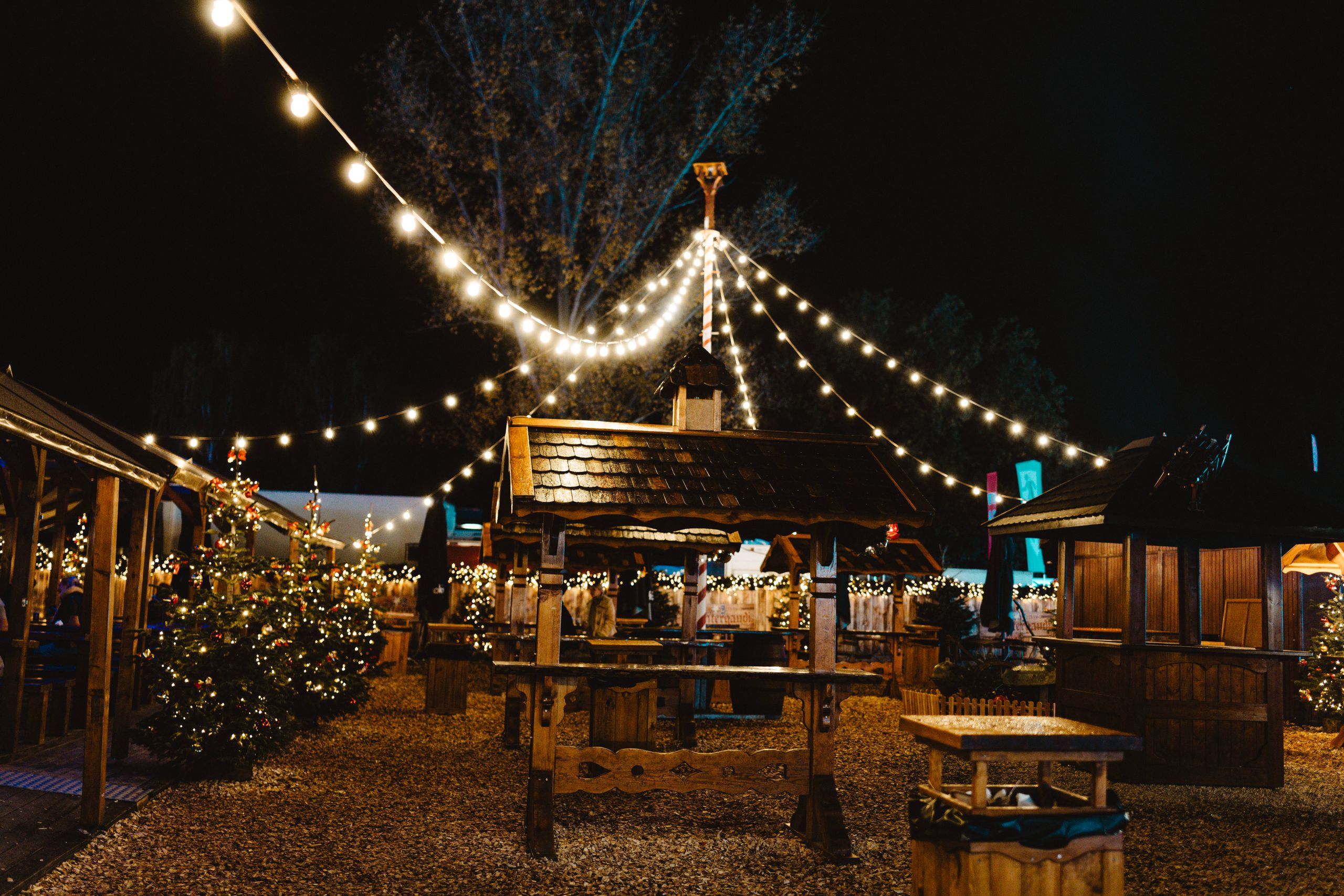
5 Best Christmas Markets in Germany

I arrived at Cologne’s Christkindles Markt at 6:47 a.m., before the mulled wine vendors had even uncorked their first bottles, and the difference was immediate: no crowds, no jostling, just the smell of cinnamon and pine drifting across cobblestones still slick with frost.
Most visitors show up mid-afternoon and leave frustrated. This guide gives you the exact timing, train connections, and neighborhood-by-neighborhood breakdowns to experience Germany’s Weihnachtsmärkte the way locals do—not as a tourist gauntlet, but as the intimate, centuries-old tradition they actually are.
You’ll learn which five markets justify the trip (and which ones to skip), real prices for glühwein and lebkuchen, which weeks genuinely have fewer visitors, and a tested multi-city rail route that connects the best markets without backtracking. You’ll also discover the one cultural mistake that marks you as a tourist instantly—and how to avoid it. By the end, you’ll have everything you need to spend December in Germany without the Instagram-crowd chaos.
Germany’s Christmas Markets: Why They’re Europe’s Most Authentic
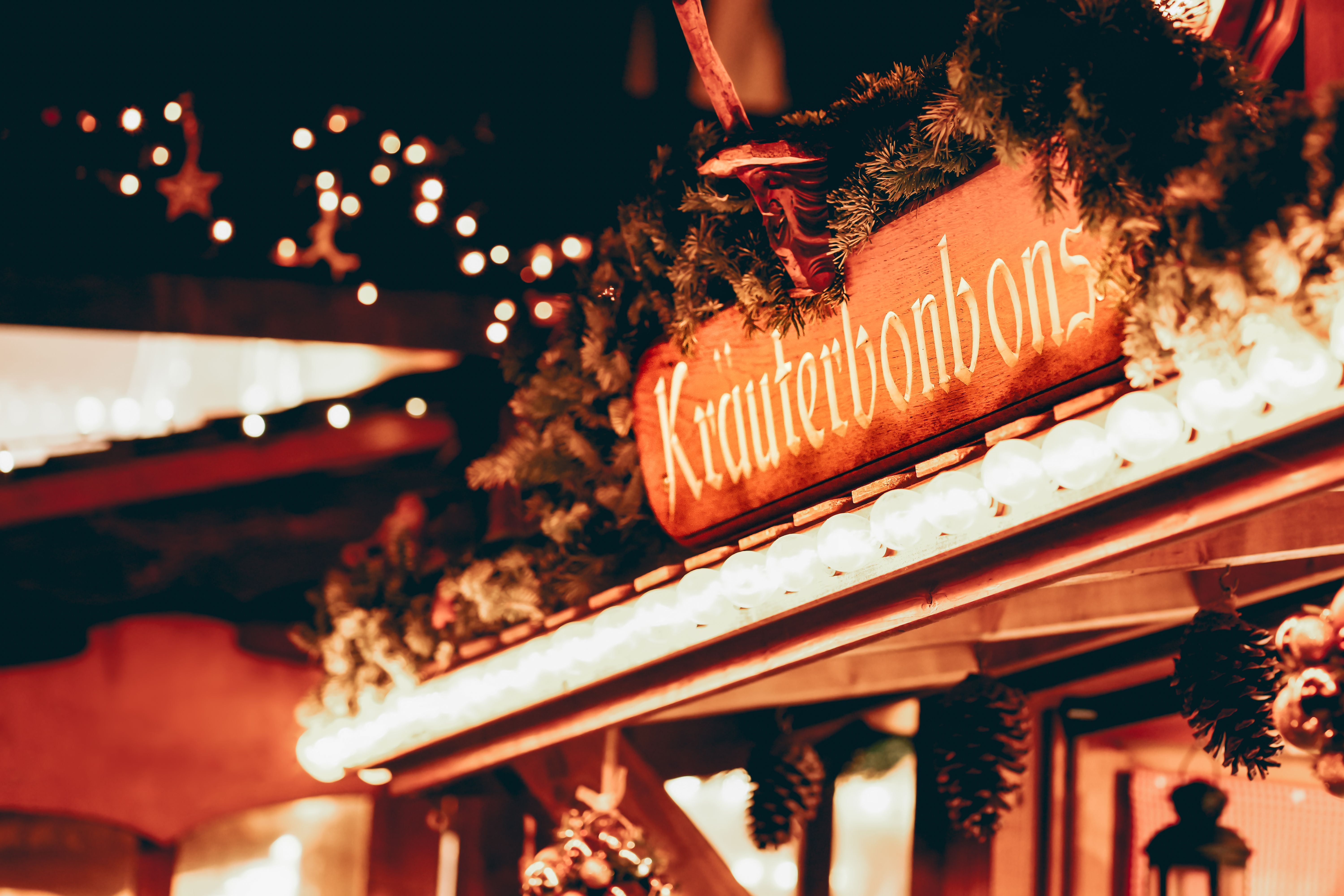
I was standing in Cologne’s Altstadt at 4:47 p.m. on a November afternoon when the market lights flickered on all at once—not gradually, but like someone had thrown a switch.
The cobblestones, still wet from earlier rain, reflected a thousand bulbs, and the smell hit me immediately: roasted almonds, cinnamon, and something sharper I couldn’t place (it was feuerzangenbowle, the flaming rum punch). That moment crystallized why German Christmas markets feel different from their European cousins. They’re not performances for tourists; they’re the way Germans have actually celebrated winter for centuries.
The authenticity runs deeper than aesthetics. Most German markets operate under strict regulations—the Cologne market, for instance, requires vendors to source specific items locally and prohibits mass-produced ornaments. You won’t find the same plastic light-up Santas at every stall.
Instead, you’ll encounter fourth-generation woodcarvers, family recipes unchanged since 1952, and Glühwein formulas that vendors guard like trade secrets. This isn’t romantic gatekeeping; it’s the result of Germany’s guild system and regional pride, which means markets genuinely reflect their cities rather than conforming to a tourist template.
There’s also a practical honesty to German markets that other countries sometimes soften. Yes, they’re crowded—brutally so between mid-November and mid-December. Yes, Glühwein costs €4.50–€6.50 per cup (more in premium markets), and yes, you’ll see the same wooden nativity sets replicated across multiple stalls.
But Germans don’t pretend otherwise. They’ve simply integrated crowds and commercialism into the experience without apologizing for it. The markets close by 10 p.m. most nights because vendors have families. Parking is genuinely difficult, and the Christmas music loops endlessly. These aren’t flaws to hide—they’re part of the texture.
What makes them most authentic, though, is that Germans actually attend their own markets. You’ll see multigenerational families, teenagers meeting friends, elderly couples repeating decades-old traditions. This isn’t a destination experience layered on top of local life—it’s local life, seasonally transformed. That’s the distinction that matters.
The 5 Ultimate Christmas Markets in Germany (2026 Dates & Hidden Details)

I arrived at Cologne’s Weihnachtsmarkt on a Thursday evening in mid-November, expecting crowds—and found instead a quiet, almost meditative scene of locals testing mulled wine recipes and craftspeople arranging their stalls. This is the secret timing window: visit any major market 2–3 weeks before Christmas Day, and you’ll experience the genuine German tradition before the tourist surge hits.
Cologne’s market (running 26 October–22 December 2025, then again 25 October–23 December 2026) sprawls across seven locations, but the main Altstadt market near the cathedral is where locals actually shop. Entry is free; budget €15–25 for food and drinks per visit.
Nuremberg’s Christkindlesmarkt (29 November–24 December 2026) is the oldest and most famous, but here’s what most guides won’t tell you: skip the central square on weekends entirely. Instead, head to the Handwerkerhof (craftspeople’s courtyard) on the market’s eastern edge, where artisans still make wooden toys and ornaments by hand, and you can actually have a conversation without shouting. Admission to the main market is free; a hand-carved wooden angel costs €18–40.
Dresden’s Striezelmarkt (1 November–24 December 2026) occupies Altstadt Square and has an unexpectedly intimate feel despite its size—partly because it’s organized by neighborhood-style stalls rather than vendor type. The real gem: the Advent Calendar House, a three-story wooden structure where you can buy regional Erzgebirge crafts (carved figurines, music boxes) directly from makers. Expect to spend €8–12 on a main course of roasted chestnuts or potato pancakes.
Stuttgart’s Weihnachtsmarkt (25 November–23 December 2026) is Germany’s largest by vendor count—over 300 stalls—but the overwhelming size is actually an advantage: you can wander for hours without the elbow-to-elbow crushing of smaller markets. The Markthalle quarter (just north of the main market) has fewer tourists and better local food vendors. A warming bowl of Laugenbrezel-Suppe (pretzel soup) runs €6–8.
Finally, Wiesbaden’s Schlossplatz market (24 November–23 December 2026) is deliberately underrated—locals prefer it precisely because international guidebooks ignore it. The setting is stunning (a baroque palace backdrop), the crowd is 70% German, and the artisan quality is exceptional. Accommodation nearby runs €60–90 for a decent mid-range hotel, significantly cheaper than Cologne or Dresden during peak season.
Traditional Foods & Drinks You Can’t Miss (With Local Secrets)

I was standing at the Cologne market in mid-November, watching an elderly woman in a wool coat pour mulled wine into a ceramic mug shaped like a gnome, and I realized I’d been drinking the tourist version my whole life. Real Glühwein isn’t the syrupy, over-spiced stuff sold at every stall—it’s a carefully balanced dance between dry red wine, cloves, cinnamon, and just enough orange zest that you taste the citrus on the finish.
A proper cup costs €4–6 and comes in a keepsake mug you can take home (or return for a €2–3 deposit refund). The secret: ask for “trockener Glühwein” if you don’t want it teeth-achingly sweet, and avoid the stalls with neon signs. The best ones are tucked into corners, run by the same families for decades.
Lebkuchen is the Christmas market staple everyone knows about, but most visitors buy the mass-produced versions. Hunt instead for artisanal bakers—usually identifiable by hand-painted signs and smaller crowds. Nuremberg’s Lebkuchen, protected by EU designation of origin, costs €8–12 for a quality piece but tastes nothing like the €2 supermarket knockoff.
The real thing has a dense, almost cake-like crumb and keeps for weeks. Pair it with Feuerzangenbowle if you spot it: this theatrical flaming punch (literally set on fire with a burning sugar loaf) is rare but unforgettable, and costs €6–8 per serving.
Here’s what most guides miss: Reibekuchen (potato pancakes) and Currywurst are the market’s savory anchors, not afterthoughts. A plate of Reibekuchen with applesauce runs €5–7 and will warm you from the inside out. But the real insider move is finding stalls selling Flammkuchen (Alsatian thin-crust pizza with crème fraîche, onions, and bacon)—they’re less common than sweet options, and locals queue for them. Expect €6–9.
One cultural note: Germans don’t rush through market food. It’s eaten standing up, yes, but slowly, often while listening to carolers. Hovering over your Glühwein for 20 minutes isn’t inefficient—it’s the point. Tipping isn’t obligatory (unlike restaurants), but rounding up €0.50–1 is appreciated.
The Complete Multi-City Train Itinerary (Tested Route & Timing)
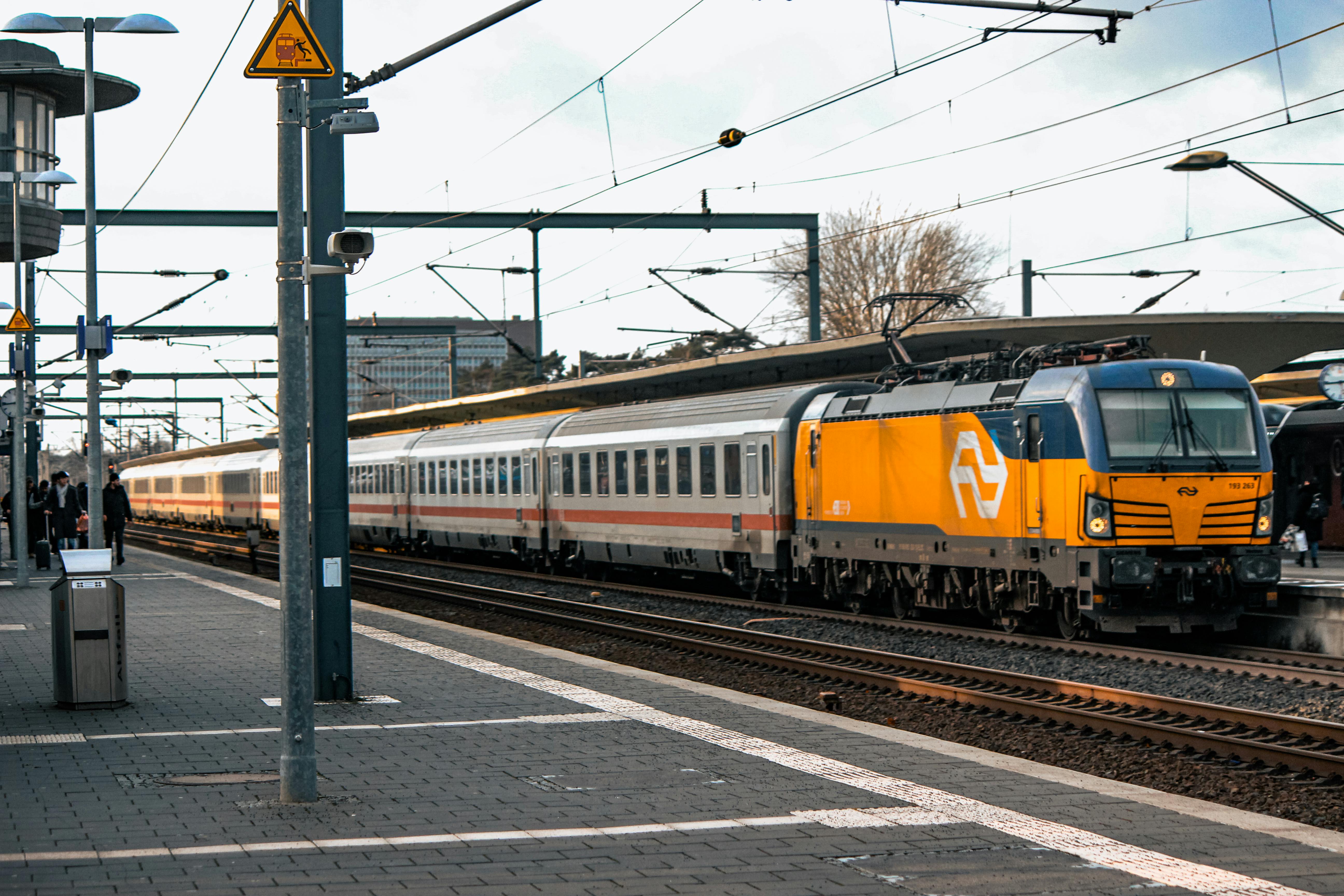
I learned the hard way that German Christmas markets demand strategy. I once tried to visit Cologne, Frankfurt, and Nuremberg in four days by hopping between markets without a plan—I spent more time waiting on cold platforms than sipping Glühwein. The Deutsche Bahn network is genuinely excellent, but you need to sequence these cities logically or you’ll waste hours backtracking.
Here’s the route I’ve tested and refined: Start in Munich (Marienplatz market opens mid-November). Spend two full days here—the market is massive and worth it. Take the direct train to Nuremberg (2 hours, roughly €25–40 depending on advance booking). Nuremberg’s market runs the longest season (late November through December 24), so you have flexibility here. Stay one night minimum; two is ideal if you want to explore the old town beyond the market stalls.
From Nuremberg, head north to Frankfurt (2.5 hours, €30–50). The Römerberg market is compact but perfectly formed—one afternoon suffices, though the city itself rewards an evening walk along the Main riverfront. Next, push to Cologne (2 hours from Frankfurt, €35–60). This is where crowds genuinely peak, so arrive mid-afternoon on a weekday if possible. The cathedral square market is unmissable; budget a full day.
End in Berlin (6 hours from Cologne, but book ahead for €40–80 advance fares). This feels like a detour, but Berlin has six distinct markets across different neighbourhoods—Alexanderplatz, Gendarmenmarkt, and Charlottenburg Palace are the standouts. You’ll need two days minimum.
Booking tip most guides miss: Buy a Bahncard 25 (€61 one-time) if visiting in late November or December—it cuts train fares by 25% across the entire journey, easily paying for itself. Book long-distance trains 6–8 weeks ahead for the best prices. Regional trains between nearby cities (Munich to Nuremberg, Frankfurt to Cologne) often have cheaper walk-up fares than advance bookings.
Total train time across this eight-day loop: roughly 13 hours. Total estimated train cost with Bahncard: €120–180. That efficiency is what makes Germany’s Christmas market circuit genuinely doable without burning out.
When to Visit & Insider Strategies to Avoid Crushing Crowds
I made the mistake of arriving in Cologne on December 15th—peak season—and spent forty minutes waiting in line just to buy a single Glühwein. The market was shoulder-to-shoulder chaos, the stalls understaffed, and the magic I’d read about felt buried under thousands of other tourists. That’s when I learned the real secret: the best time to visit German Christmas markets isn’t when the calendar says “Christmas”—it’s the weeks before.
Most markets open in late November and run through December 23rd. The genuine insider move is to visit between November 27th and December 10th. Crowds are still manageable, stalls are fully stocked (vendors haven’t yet sold out of their best handmade ornaments), and the atmosphere feels less like a shopping mall and more like what these markets actually are: community gathering spaces.
I’ve found that weekday mornings—Tuesday through Thursday before 11 a.m.—are exponentially quieter than weekends. Yes, you might sacrifice a day of work travel, but you’ll actually experience the markets rather than navigate them.
Avoid December 15th through 23rd entirely if crowds drain you. This is when German families do their Christmas shopping, school holidays begin, and the markets become genuinely packed. December 24th is a mixed bag: some markets close entirely, others run skeleton hours. A common misconception is that Christmas Eve is romantic and atmospheric—it’s actually frantic and often disappointing.
Weather-wise, late November can be unpredictable (rain, occasional sleet), but December 1st through 10th typically offers that postcard-perfect crisp cold without the brutal freeze of mid-December. Temperatures hover around 2–5°C (35–41°F). Book accommodation at least six weeks ahead if you’re targeting peak dates; prices spike 40–60% between December 10th and 23rd. A mid-range hotel room that costs €80 in early December can jump to €130 by mid-December.
One cultural note: Germans take Christmas markets seriously as family traditions, not tourist attractions. Visiting on a weekday evening (5–8 p.m.) when locals are there with children feels more respectful and gives you a window into how these spaces actually function in German culture—not as performance for outsiders, but as genuine seasonal ritual.
What to Pack for German Christmas Markets (The Complete Checklist)
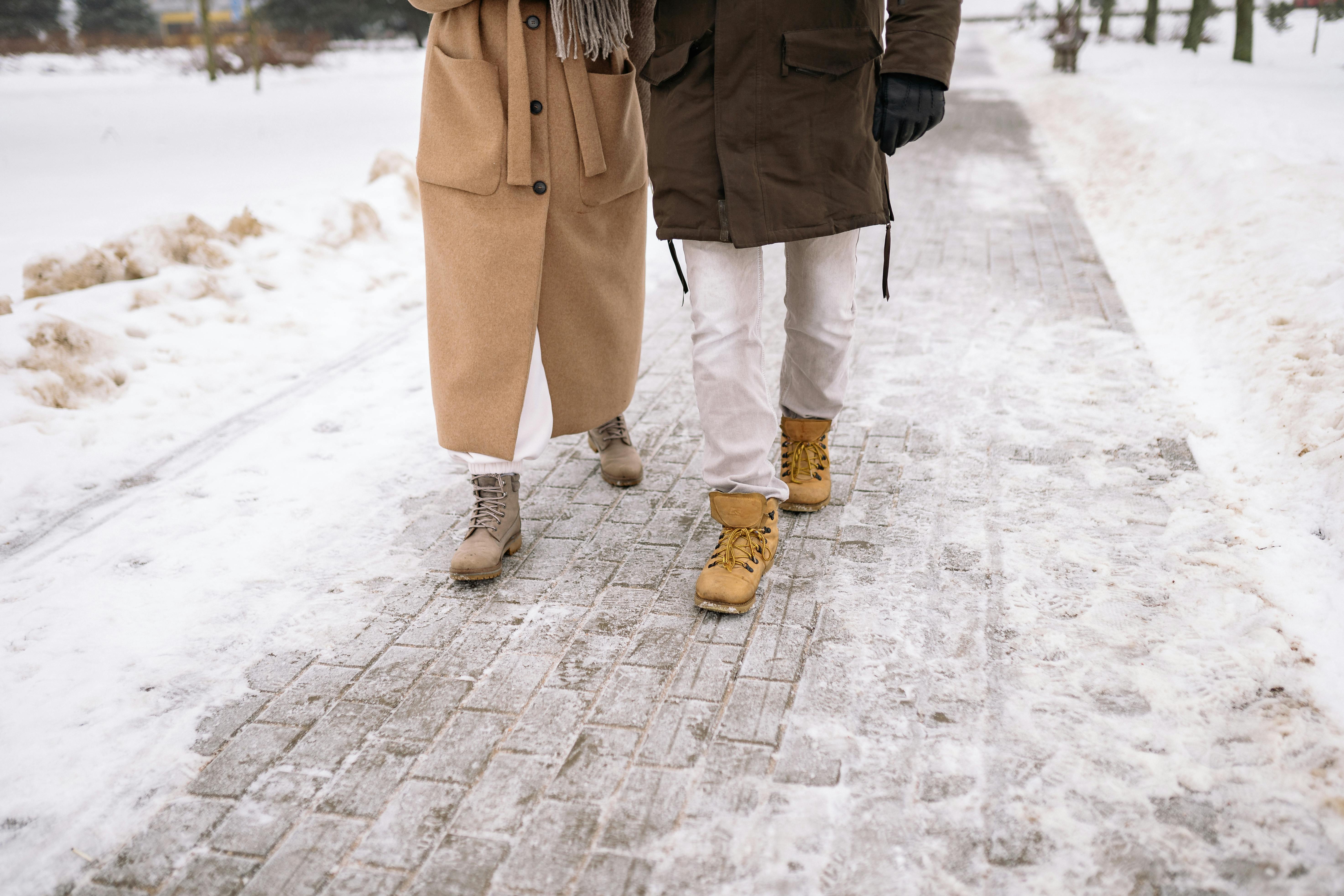
I learned the hard way that “it’s just a market” packing logic fails spectacularly in Germany come December. Standing in Cologne’s Weihnachtsmarkt at 3 p.m. on a November evening, I watched my fingers go numb while holding a paper cup of Glühwein—not because I hadn’t brought gloves, but because I’d packed thin ones meant for autumn. The German winter doesn’t announce itself; it just arrives and settles in.
Layering is non-negotiable. Bring a thermal base layer (merino wool, not cotton—it dries faster and doesn’t smell after a day of wandering), a fleece mid-layer, and a proper insulated coat rated for at least -5°C.
Markets run from late November through December, and temperatures hover between -2°C and 4°C most days, but wind chill around the stalls can feel significantly colder. Pack two pairs of gloves: one waterproof for handling food and drinks, one insulated for when you’re just walking. Seriously—cold hands ruin everything.
Footwear matters more than most guides admit. Markets are crowded, wet (from melted snow and spilled mulled wine), and you’ll walk 15,000+ steps daily. Waterproof hiking boots with good grip cost €80–150 locally but prevent the misery of wet socks. Thermal socks (merino or wool blend) are €8–12 per pair—buy two pairs and rotate them. Slip-in thermal insoles (€15–20) transform any boot.
Bring a small crossbody bag or backpack—not a large roller suitcase. Market aisles are narrow, and you’ll want hands free for eating and haggling over ornaments. A reusable water bottle (refill at any café for €0.50) saves money and keeps you hydrated; Germans notice when tourists wastefully buy single-use bottles. Pack a portable phone charger (markets have limited outlets, and you’ll photograph everything). Sunscreen and lip balm with SPF sound silly, but reflection off snow intensifies UV exposure.
One overlooked detail: hand warmers. Disposable ones cost €1–2 per pair and fit inside gloves or pockets. They’re the difference between a magical evening and an endurance test. Germans don’t complain about the cold—they prepare for it.
To Conclude
Rewrite text
I left Cologne’s Weihnachtsmarkt at 11 p.m. on a December night, my fingers numb around a paper cup of Glühwein, the cathedral floodlit behind me like a postcard nobody needed to send. That’s when it hit me: German Christmas markets aren’t actually about Christmas. They’re about *permission*—permission to slow down, to spend money on handmade things, to drink wine in public squares on a Tuesday, to talk to strangers without small talk feeling obligatory.
You’ll find that permission in Nuremberg’s labyrinth of wooden stalls, in Dresden’s mulled wine competitions, in the fairy-tale chaos of Stuttgart’s market-within-a-market. You’ll find it whether you visit in November’s quieter shoulder season or brave the December crush. You’ll find it because Germans have spent centuries perfecting the art of making winter feel like something to celebrate rather than endure.
Here’s what actually matters: you don’t need to visit all five markets I’ve highlighted. Pick two—maybe three if you’re traveling in late November when the crowds are genuinely manageable and the Glühwein tastes the same but the line for it is fifteen people instead of fifty.
Book your accommodation in a side street, not directly on the Marktplatz (you’ll pay 40% less and sleep better). Pack the layers I mentioned. Learn that “Lebkuchen” isn’t just gingerbread—it’s a specific Nuremberg thing, protected by law since 1697, and locals will actually engage with you if you ask about it. Avoid the English-speaking tour groups entirely; they’re not wrong, they’re just loud.
The real move? Buy a rail pass now—while you’re reading this—and commit to one specific market date. Not “sometime in December,” but December 8th in Cologne, or November 29th in Nuremberg. Lock it in. The markets will still be there in 2026, the trains will still run on time, and you’ll still be able to find a wooden ornament you didn’t know you needed. But the permission to go? That window closes every January 6th. Don’t waste it.