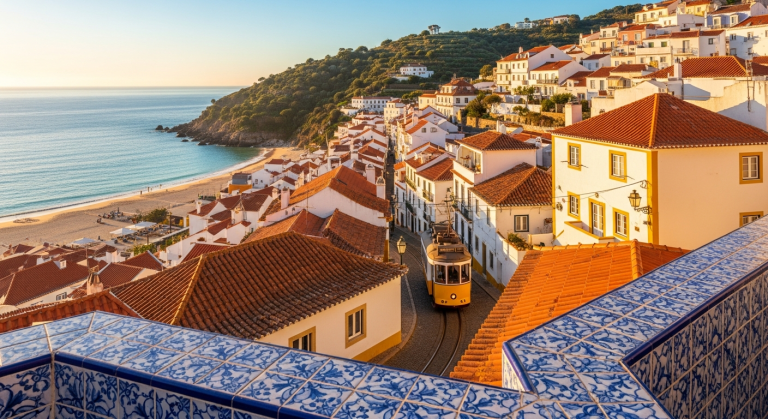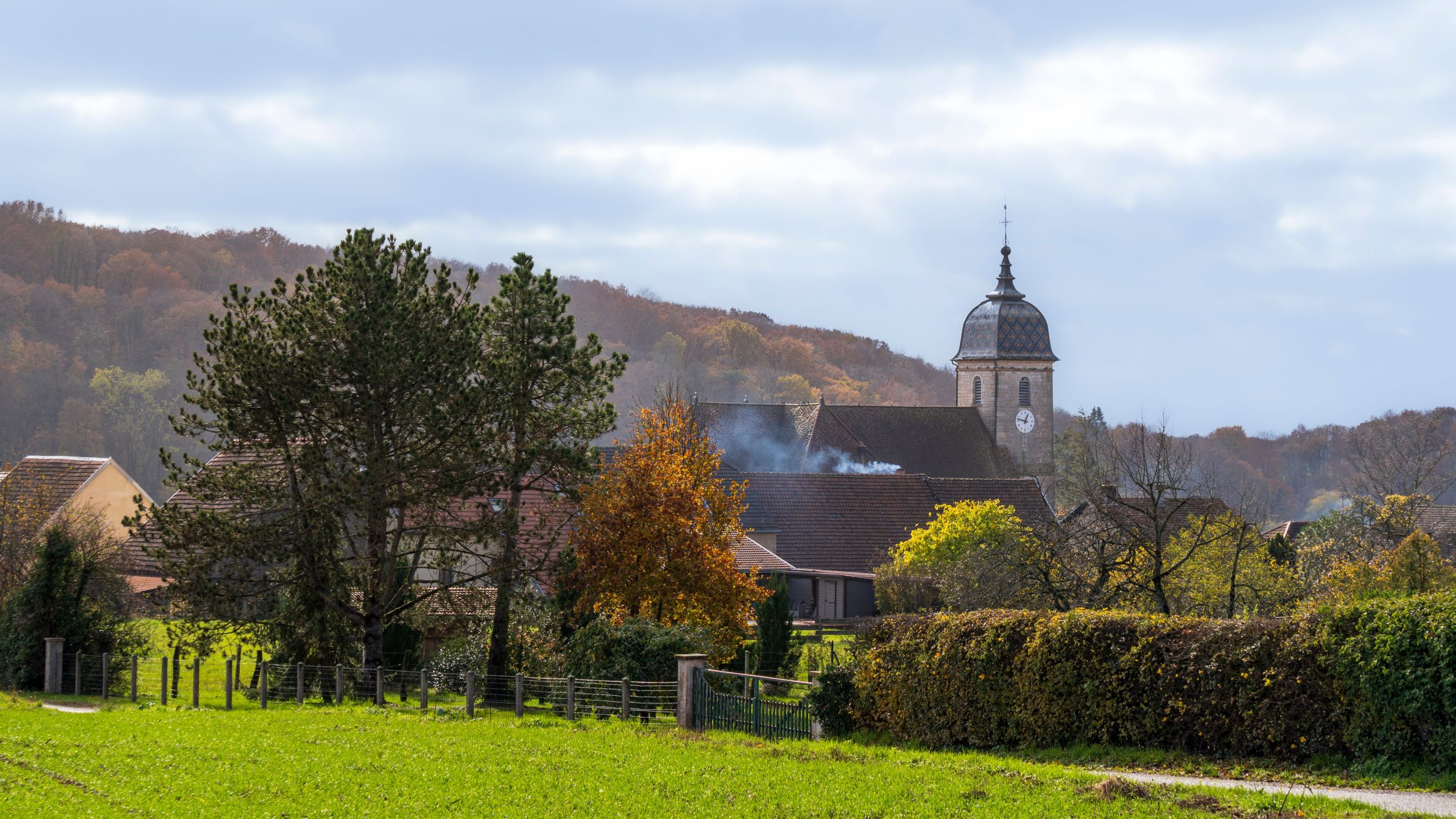
Why fall is the best season to visit Europe

I watched a tour group of forty people squeeze into a Venetian gondola queue at 9 a.m. in July, then watched the same canal empty completely by 4 p.m. in mid-October when I returned. That emptiness—the ability to actually see a city instead of fighting through it—is just the beginning of why fall is when Europe stops performing for tourists and starts revealing itself.
This guide cuts through the romance. You’ll get exact price comparisons (flights 40–60% cheaper than summer, accommodation dropping from €180 to €85 per night in major cities), the one month that beats the others, which destinations reward early booking versus last-minute flexibility, and what every first-time fall visitor misunderstands about packing for temperature swings that can hit 15°C between morning and evening.
You’ll also learn which experiences are genuinely worth timing your trip around—and which fall-specific activities are tourist traps designed for Instagram rather than memory.
Europe In Fall: Why October Beats September and November
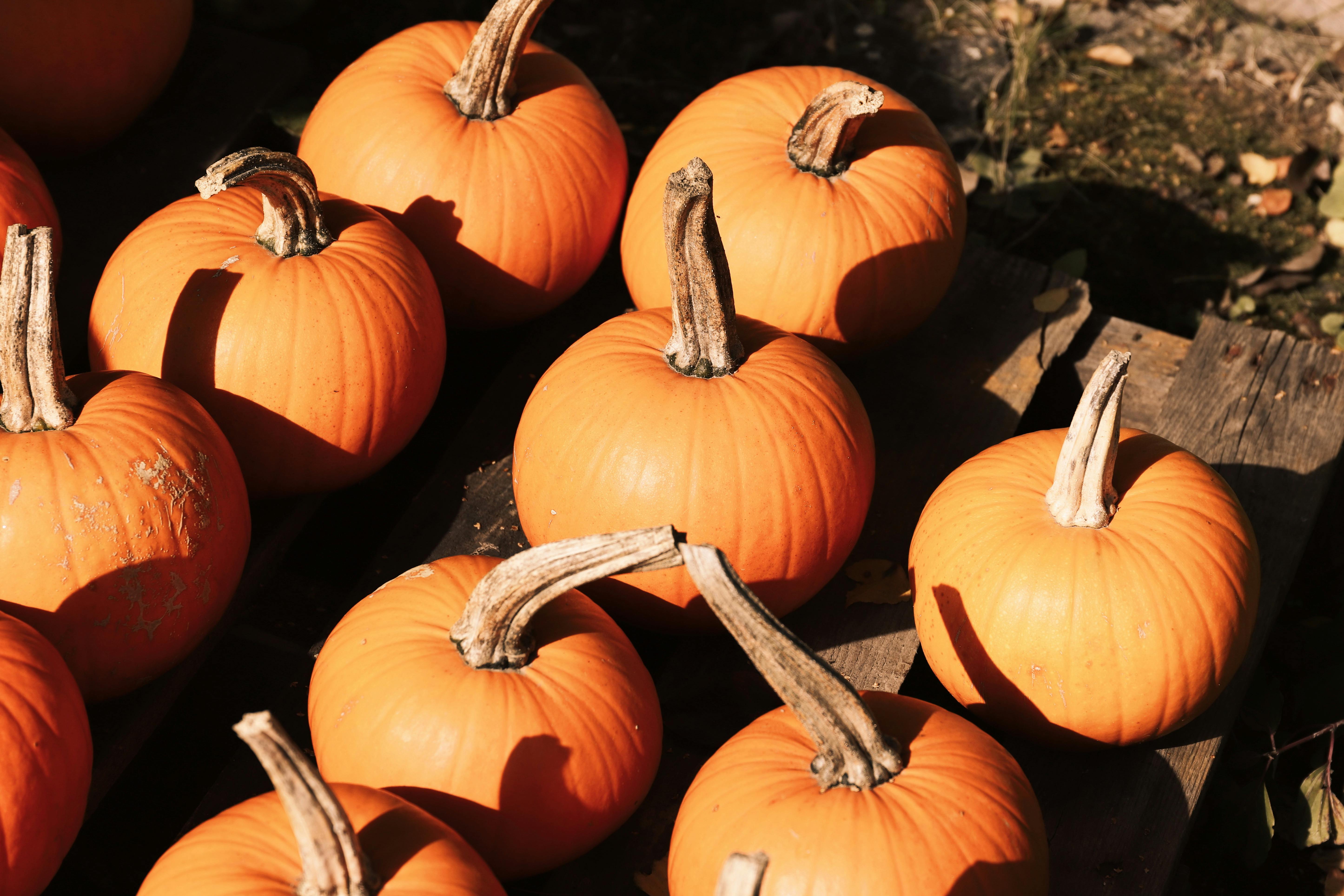
I was standing on the Pont des Arts in Paris on October 15th, and for the first time that week, I could actually breathe without my lungs burning. September had left the city swollen with heat—the kind that makes museum queues unbearable and café terraces feel like griddles. By mid-October, that suffocating humidity had finally broken. The light had shifted too, turning everything amber and forgiving. This is the window. Not the tail end of summer, not the creep toward winter. October itself.
The reason October outpaces September is simple physics: the summer crowds haven’t fully evaporated yet, but the weather has stopped punishing you for being outside. In September, you’re still competing with families on school holidays and heat-stressed tourists moving between shade patches. By October, those groups have thinned, but the weather is actually *better* than it was in August or September—cooler, crisper, with lower humidity across most of Western and Central Europe. You get the Goldilocks condition: manageable crowds and genuinely pleasant temperatures.
November, conversely, is when Europe starts feeling genuinely gray. Not poetically moody—actually gray. In places like Berlin, Amsterdam, and London, you’re looking at 4-6 hours of daylight and persistent cloud cover. The foliage is mostly gone by mid-November, and the Christmas markets haven’t quite started (or are just beginning, which means holiday pricing without holiday atmosphere). Hotel rates do drop, but you’ll spend those savings on museum visits and indoor activities just to escape the weather.
October gives you something November and September both lack: the foliage is *actually happening*. Not peaked yet in early October, but genuinely vibrant by mid-month in Central Europe and Scandinavia. The light is low enough to make everything photogenic, but the days are still long enough to explore—you’ve got roughly 10-11 hours of daylight across most of the continent. Accommodation prices have dropped 20-30% from summer peaks, but restaurants and attractions aren’t running skeleton crews yet. It’s the season where Europe feels like itself, without the extremes.
Fall Travel: The Complete City-by-City Guide for October
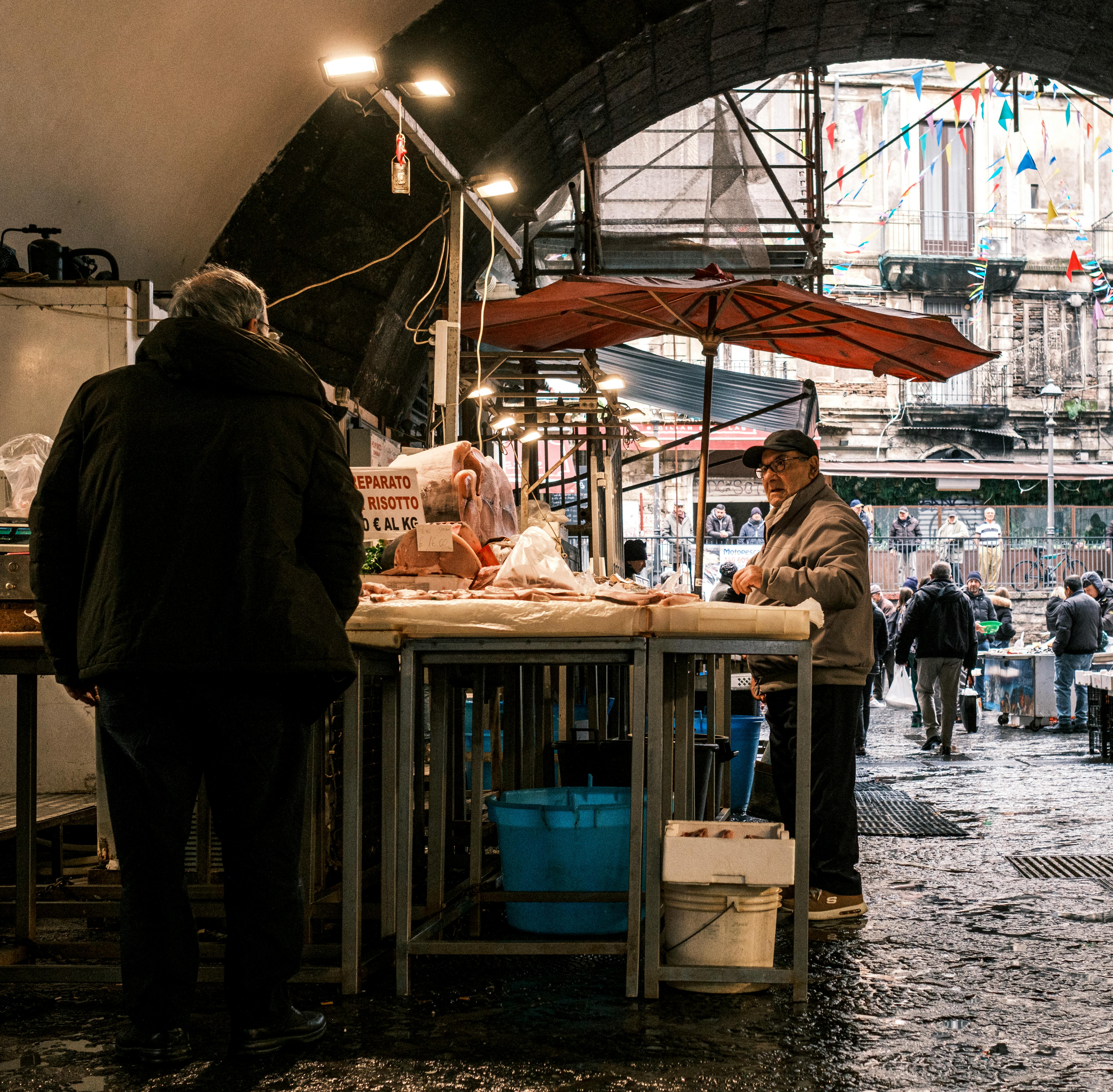
I watched a street musician in Barcelona pack up his guitar at 6 p.m. in early October—not because the crowds had vanished, but because the heat finally had. The difference between September and October in southern Europe isn’t subtle; it’s the difference between enduring a city and actually inhabiting it. Here’s how to navigate October across the continent’s most rewarding destinations.
Barcelona and coastal Spain hit their stride in October. The Mediterranean is still swimmable (around 20°C), the tapas bars have reclaimed their outdoor seating from August’s tourist crush, and you can actually walk Las Ramblas without feeling like you’re in a mosh pit. Stay in Gràcia neighbourhood rather than the Gothic Quarter—it’s 15 minutes north, half the price (€90–120 per night for decent apartments versus €150+), and where locals actually live. Grab breakfast at any corner café: café con tostadas costs €3–4.
Prague in October is criminally underrated. The Charles Bridge still has crowds, yes, but by 7 a.m. you can cross it almost alone. The castle gardens glow amber, and beer halls have shifted from tourist traps to actual neighbourhood gathering spots. A pint of Pilsner Urquell runs €2–3. One thing most guides miss: book the Old Town Square viewpoint tickets (€4) for sunrise, not sunset—the light is better, and you’ll beat the Instagram crowds by three hours.
Lyon and the Rhône Valley offer what I call “the October sweet spot”—wine harvest festivals are wrapping up (meaning fewer crowds but still accessible wine tastings), and the first frost turns the plane trees golden. Stay in Vieux Lyon, cross the Fourvière bridge at dusk, and eat at any bouchon restaurant for €18–28. A critical detail: October 15th onwards, many smaller châteaux close for the season, so front-load your wine-region visits.
Berlin becomes genuinely comfortable in October—no more sweat-soaked museum visits. The beer gardens are still open, the tech scene is in full swing, and accommodation drops to €70–100 per night for solid mid-range hotels. One cultural note: Germans value punctuality obsessively; if you book a tour or restaurant reservation, arrive exactly on time, not five minutes early.
Best Fall Destinations Europe: Where to Splurge vs. Save
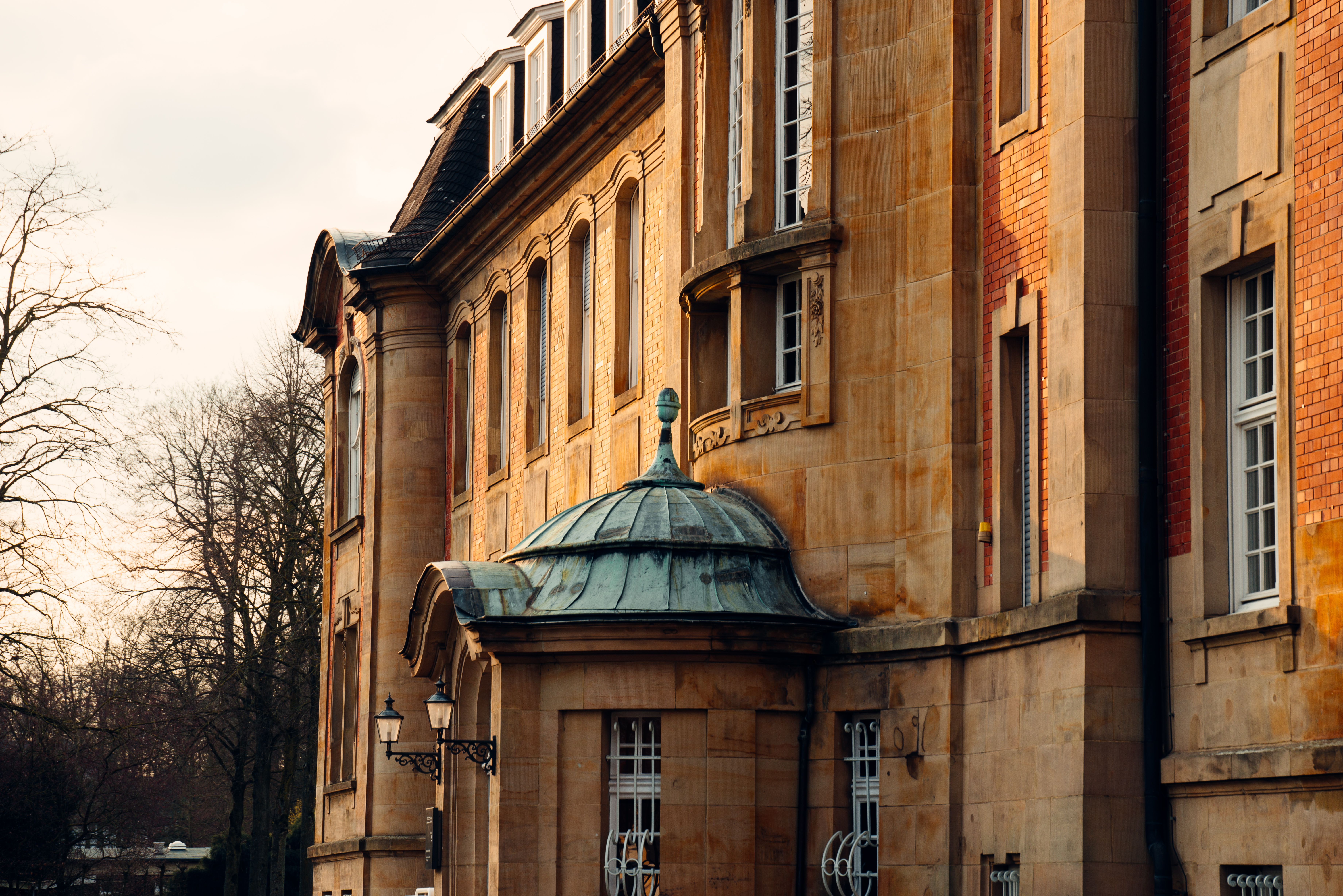
I watched a couple at a Prague café argue over their bill—€18 for two coffees and a pastry—before I realized they’d wandered into the Old Town Square tourist trap instead of the backstreet spots where locals actually drink. Fall’s lower prices are real, but they’re unevenly distributed across Europe. Knowing where your money stretches versus where it evaporates is the difference between a budget trip and a budget trip that feels cheap.
Splurge destinations—and why October justifies it: Switzerland, Norway, and the Cotswolds stay expensive in fall, but October is genuinely the sweet spot. Swiss mountain towns like Interlaken drop 20–30% from summer rates; you’ll pay €120–180 for a mid-range hotel instead of €200+. The hiking is still excellent, and autumn light on the Alps is sharper than summer’s haze. Norway’s fall colors peak mid-to-late October, making fjord towns like Geirangerfjord worth the splurge—though budget €60–90 for main courses. The payoff: fewer cruise-ship crowds and that rare October window before winter shuts things down.
Save destinations—and where October makes them even cheaper: Portugal, Hungary, and the Balkans offer genuine value year-round, and October amplifies it. Lisbon’s guesthouses run €35–55 per night; a three-course meal in a neighborhood spot costs €12–18. Budapest is even cheaper—€25–40 for accommodation, €8–12 for dinner. The Balkans (Split, Dubrovnik, Sarajevo) see a dramatic tourist drop after September, meaning September’s €50+ guesthouses fall to €25–35 by late October. A common mistake: assuming “cheap” means low-quality. These places offer excellent value because labor and local goods are genuinely less expensive, not because corners are cut.
The hybrid play: Spend 4–5 days in one splurge destination (Switzerland, Greek islands), then 10 days in a save destination to offset costs. This approach lets you experience premium landscapes without the summer premium, while keeping overall trip costs manageable. October’s shoulder-season pricing makes this math actually work.
Fall In Europe: What to Pack for 7°C to 22°C Temperature Swings

I learned the hard way in Prague that October’s morning chill is not a suggestion. I’d left my cardigan at the hotel, convinced the noon sun would be enough. By 3 p.m., sitting in a café watching the light drain from the Charles Bridge, I was genuinely cold—the kind of cold that makes you regret decisions. The mistake most travelers make is packing for a single temperature instead of treating fall like a daily negotiation between seasons.
The real packing strategy isn’t about quantity; it’s about layering architecture. Start with a merino wool base layer (€40–60 from brands like Icebreaker or Smartwool)—it regulates temperature and doesn’t smell after three days, which matters when you’re living out of a 7-kilogram carry-on. Add a long-sleeve shirt or thin sweater (€20–40), then a mid-weight fleece or wool cardigan that packs small (€35–80). Your anchor piece should be a water-resistant jacket, not waterproof—fall rain in Europe is usually drizzle, not downpour, and waterproof fabrics trap sweat. A €60–120 softshell or technical rain jacket breathes while keeping you dry. Crucially, all of these should be colors you can mix. I packed black, navy, and cream; everything worked together across ten outfit combinations.
Footwear is where people genuinely stumble. Cobblestones in Vienna, wet leaves in Amsterdam, and sudden rain in Barcelona all demand the same thing: shoes with actual grip and water resistance. Avoid canvas sneakers entirely. A pair of leather walking boots (€80–150) or waterproof hiking shoes (€70–120) will outlast your trip and carry you through next fall too. Pack one dressier option if you plan restaurants—a leather flat or loafer works for both day and evening.
One detail most guides skip: bring a lightweight scarf (€15–30 in local markets). It’s not fashion—it’s functional. Wrap it around your neck when the wind picks up at dawn, tie it over your shoulders at noon, use it as a blanket on evening trains. Europeans do this constantly, and it’s the single most versatile item in fall travel.
Pack layers you can actually wear together, not a closet’s worth of single-use pieces. Fall demands flexibility, not bulk.
Europe October Travel: Booking Windows and Logistics
I booked my October flight to Prague exactly 47 days in advance—and watched the price drop by €120 the day before departure. That’s the October sweet spot: airlines haven’t fully shifted into winter pricing, but early-bird discounts have expired. For October travel to Europe, aim for 6–8 weeks out. You’ll beat the last-minute premium that hits November, while dodging the inflated summer rates that linger through September.
Here’s what most guides gloss over: October ferries and regional trains run full autumn schedules, but some mountain routes (think Swiss Alps, Pyrenees) begin cutting back toward month’s end. Book train tickets 4–6 weeks ahead for the best fares on Renfe (Spain), SNCF (France), and ÖBB (Austria). Buses are cheaper but slower; FlixBus prices typically range €15–45 for cross-country routes, and October demand is moderate enough that you won’t need to book months early. Flights within Europe run €40–120 depending on route; avoid the last week of October when half-term school holidays spike demand.
Accommodation is where October logistics get genuinely smart. Most European cities drop rates 20–30% from September peaks but haven’t yet hit winter lows. Mid-range hotels in Vienna, Budapest, and Lisbon run €70–110 per night in early October; by late October, that dips to €60–95. Airbnbs see similar shifts. Book 4–6 weeks ahead for the best inventory in popular neighbourhoods—by late August, the prime apartments near Marais in Paris or De Pijp in Amsterdam are already claimed. Hostels remain stable year-round (€20–35), so they’re less time-sensitive.
One logistical reality: travel insurance becomes non-negotiable in October. Weather volatility means flight delays happen—I spent an unexpected night in Munich because of unexpected snow in the Alps. Annual policies cost €100–200 and cover cancellations, delays, and medical emergencies. Skip it and you’re gambling. Finally, check whether your destination requires advance registration (some Schengen countries ask for pre-arrival notifications). These take five minutes but are easy to forget until you’re at the airport.
Fall Vacations Europe: Experiences Worth Timing Your Trip Around
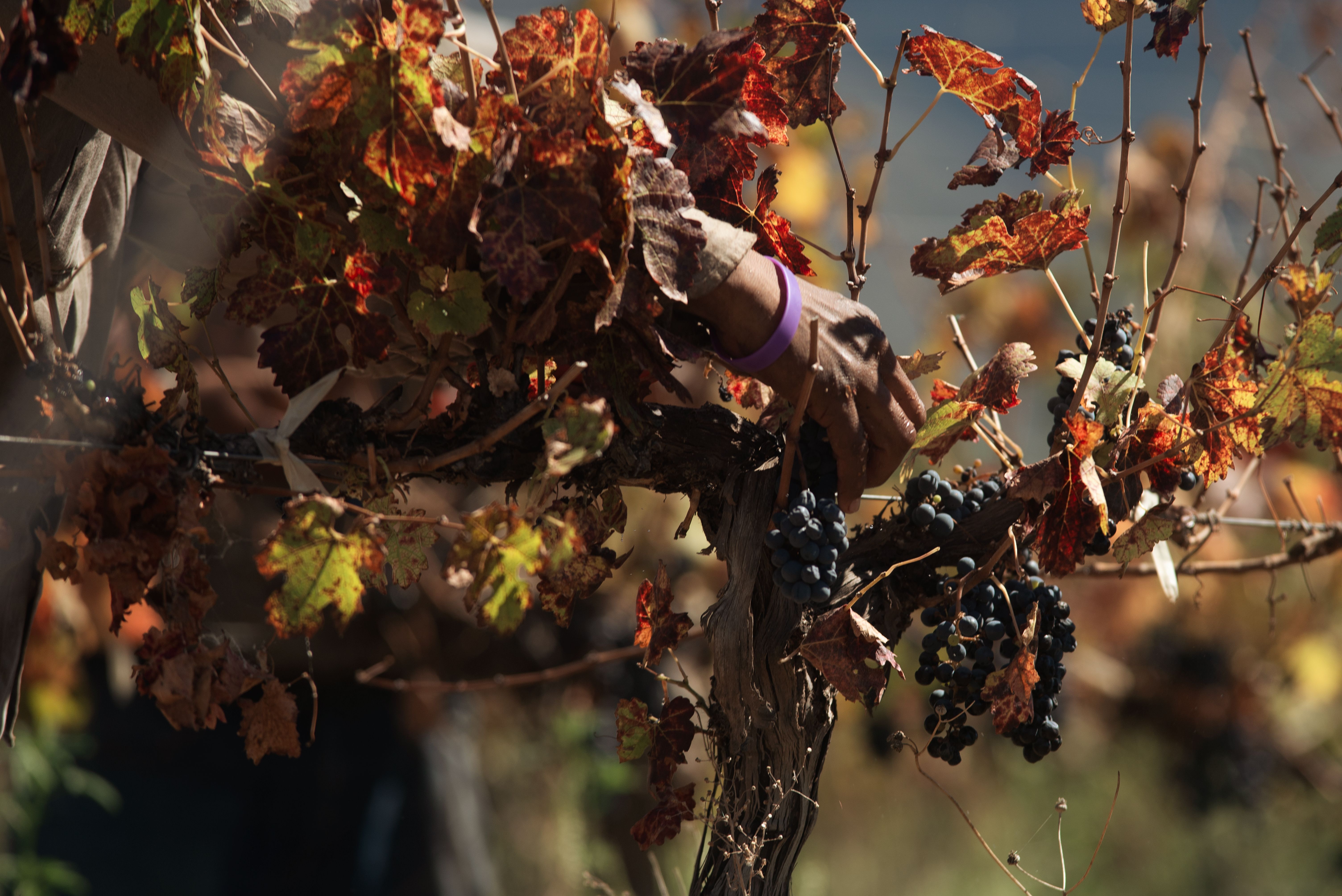
I stood in a Tuscan vineyard at dawn in late October, watching harvesters move between rows of Sangiovese grapes, and realized this was the exact moment I should have booked my trip months earlier. Fall isn’t just about avoiding crowds—it’s about catching Europe at the precise moment when its seasonal rhythms peak. The difference between arriving in early October versus late November isn’t just temperature; it’s whether you witness the actual experience or its afterimage.
The wine harvest in Tuscany, Burgundy, and the Douro Valley typically runs from late September through mid-October. If you want to participate—not just tour—you need to book harvest experiences by August. Most vineyards charge €80–150 per person for a half-day picking session, and they fill up fast. The same applies to Oktoberfest in Munich; the festival technically runs into early October, but the best beer tents and traditional brass bands dominate the first two weeks. Arriving after mid-October means fighting for standing room and missing the Bavarian brass bands that play only during peak weeks.
Fall foliage in Central Europe—particularly the Black Forest in Germany and the hills around Prague—peaks between mid-October and early November, depending on elevation and that year’s weather. This isn’t something you can predict with precision, which is why locals watch forecasts obsessively. If you’re flexible, sign up for regional tourism board alerts in August; they’ll email you when colors reach 70–80% saturation. Missing peak foliage by a week means photographing half-bare trees instead of the burnished gold that justifies the trip.
One detail most guides skip: mushroom season runs parallel to fall foliage across Eastern and Central Europe. October is when local restaurants feature wild porcini and chanterelles that won’t appear again until spring. If you’re chasing food experiences—not just architecture—timing matters. A €18 pappardelle with fresh porcini in Florence in late October becomes a €24 version with frozen mushrooms by November.
The practical truth: fall experiences aren’t interchangeable across the season. Plan backward from what you actually want to do, not from when prices drop.
CONCLUSION

I boarded a train from Vienna to Prague on October 18th—peak fall, peak shoulder season—and watched the landscape shift from golden vineyards to burnt-orange forests. By the time we crossed into the Czech Republic, I understood why October has become my default month for European travel. It’s not romantic nostalgia. It’s math: fewer crowds than summer, stable weather that actually cooperates, prices that don’t require a second mortgage, and the kind of light that makes even ordinary streets look like they’ve been color-graded by someone who knows what they’re doing. Fall doesn’t promise perfection—some days are grey, some towns are already shuttering for winter, and yes, you’ll pack twice as much as you actually need. But it rewards planning and flexibility in ways summer never does.
The framework is straightforward: October beats September and November for consistency. Splurge on cities like Venice and Prague where autumn transforms the experience entirely; save money in underrated towns where your €45 hotel room comes with a view and genuine hospitality. Pack layers obsessively—the 15°C swings are real, and there’s nothing worse than being caught between seasons without a proper jacket. Book your train passes and accommodation in August, flights even earlier, but leave your restaurant reservations flexible enough to chase the recommendations locals give you at 8 p.m. that night. And time at least one experience around something that matters: harvest festivals, opera seasons, wine routes when the grapes are actually being picked—not just because they’re photogenic, but because they’re the reason Europeans themselves travel in fall.
Your next step: pick one city from this guide that genuinely appeals to you—not because it’s famous, but because something in its description made you pause—and check the dates when it hosts its major fall event. Then block those exact dates on your calendar. Don’t overthink it. Fall in Europe doesn’t require perfection; it requires showing up when the season is actually happening. Everything else follows from there.