Best Places to Travel in Europe this fall

I watched the last tour bus of the season pull away from the Ponte Vecchio in Florence, and the Arno suddenly felt like it belonged to the city again—not to the 40,000 daily visitors of July.
That’s the moment I understood why fall is when Europe actually reveals itself. The crowds thin. The prices drop by 30–50%. The light turns amber and honest.
This guide cuts through the romance to give you what actually matters: which weeks to travel (spoiler: early November beats October for value), exact accommodation costs across budget tiers, the neighbourhoods tourists miss, and the one mistake that costs most travelers €200+ in wasted bookings.
You’ll learn why September and October require different strategies, which cities genuinely deserve your time, and how to experience Europe’s most rewarding season without the summer chaos or winter closures.
Why Fall Is Europe’s Hidden Travel Season
I was standing on the Pont des Arts in Paris in mid-October, and for the first time that day, I didn’t have to shoulder my way through a wall of selfie sticks. The light was doing that particular golden thing it only does in autumn—not the harsh glare of summer, but something softer, almost apologetic. A woman next to me was sketching the Seine, unhurried. That’s when it hit me: fall is when Europe actually becomes livable again for travelers who want to experience a place rather than just photograph it.
Summer in Europe is a masterclass in overcrowding. Venice in August isn’t a city; it’s a theme park where you pay €30 for a mediocre spritz and queue 90 minutes to see a cathedral you can barely see through the crowd. Fall changes this equation entirely. By September, the school holidays end, the tour buses thin out, and accommodation prices drop by 30–50% compared to peak season. A hotel room in Barcelona that costs €180 in July? You’re looking at €90–120 in October. That’s not a small difference—that’s the difference between a budget trip and a comfortable one.
The weather is also genuinely superior. Summer heat in Southern Europe isn’t romantic; it’s punishing. I’ve watched tourists collapse in the Uffizi Gallery in Florence because they underestimated 35°C (95°F) heat combined with marble floors that radiate warmth like an oven. Fall offers 15–22°C (59–72°F) in most regions—cool enough that walking for six hours doesn’t feel like a punishment, warm enough that you’re not constantly seeking shelter. You can actually explore without planning your day around air conditioning.
Here’s what most guides won’t tell you: fall is when Europeans travel within Europe. Locals reclaim their cities. Restaurants that cater to tourists in summer revert to actual neighborhood spots. Markets are fuller, the wine harvest is happening (if you’re in wine regions), and the cultural calendar explodes—festivals, opera seasons, and art fairs kick into gear. You’re not just avoiding crowds; you’re arriving when the destination is most authentically itself. That’s worth planning for.
Best European Cities To Visit In Fall
I stepped off the train in Lyon on a September afternoon, and the first thing I noticed wasn’t the architecture—it was the smell. Roasting chestnuts from a street vendor mixed with cooling stone after an afternoon rain.
That’s when it hit me: fall in Europe isn’t just a season change; it’s a complete reset of how cities feel. The crowds have thinned enough that you can actually breathe, but the energy hasn’t died yet. Here are the cities where that sweet spot matters most.
Kraków, Poland transforms in autumn in ways most guidebooks skip over. Yes, the Market Square is stunning, but what they don’t tell you is that September through October is when you can actually walk through it without fighting for space. Accommodation runs €40–70 per night for decent mid-range hotels; a three-course dinner costs €12–18.
The real gem: the Tatra Mountains are 90 minutes south by bus (€8 return), and the hiking conditions in October are nearly perfect—cool enough to move without overheating, but stable weather. One thing locals wish visitors knew: tipping isn’t expected in Poland the way it is in Western Europe. A small rounding up is polite, but 15% will confuse your server.
Barcelona in October still has warm days (20–22°C) but without July’s suffocating heat and selfie-stick crowds. The beaches are genuinely swimmable. Budget €60–100 for accommodation, €10–14 for a proper meal away from the Gothic Quarter. Take the local metro (T-10 ticket: €11.35 for 10 journeys) rather than taxis—faster and you’ll see how the city actually moves.
Prague in November is when I finally understood why people love it. Summer Prague is a theme park. Autumn Prague—with golden light hitting the Charles Bridge at 4 p.m., fewer tour groups, and locals reclaiming their cafés—feels like you’ve discovered a secret. Rooms from €35–55, meals €6–12. The catch: daylight ends by 5 p.m., and some smaller attractions close earlier. But that’s exactly when the beer halls fill with actual Czechs, not tourists.
Each of these cities offers something different depending on which autumn month you travel—something we’ll break down next.
Fall In Europe: September vs. October vs. November
I learned the hard way that September in Europe feels nothing like fall — it feels like summer’s encore that nobody asked for. I was standing in a piazza in Rome at 3 p.m., watching locals disappear indoors while I melted into my gelato, that the distinction hit me.
Early September across southern Europe still carries brutal heat (often 28–32°C / 82–90°F), and beaches remain packed. But here’s what most guides miss: September is when the real locals return.
Schools reopen, summer tourists thin out by late month, and you get that sweet spot where popular sites like the Uffizi Gallery in Florence have actual breathing room by week three. Prices drop 15–25% compared to August. The trade-off? Mediterranean humidity and occasional afternoon thunderstorms can derail outdoor plans.
October is the Goldilocks month — genuinely. Temperatures across Europe settle into the 15–22°C (59–72°F) range, perfect for walking all day without overheating or needing a parka. The light changes too; it becomes lower and golden, which is why photographers obsess over October.
Autumn colours appear first in Alpine regions (Switzerland, Austria) and northern areas like Germany and the Czech Republic.
But October’s popularity means prices creep back up 10–20% from September, and popular destinations like Prague and Vienna start feeling crowded again by mid-month. Book accommodation by early September if you’re targeting October weekends.
November is divisive. It’s wet, grey, and often cold (5–12°C / 41–54°F in northern Europe), with daylight ending by 4:30 p.m. in many cities.
I spent a November evening in Amsterdam watching rain hammer the canal-side cafés, and honestly, it’s atmospheric if you embrace it — fewer crowds, lower prices (20–35% off peak season), and a genuinely local feel. Southern Spain and Portugal stay mild enough for comfortable travel.
But here’s the real insight: November is when many smaller attractions close for winter, particularly in rural areas and mountain regions. Check opening hours obsessively before booking.
The practical choice depends on your priorities. Want warmth and manageable crowds? Late September. Seeking perfect weather and don’t mind paying for it?
October. Looking for authentic, budget-conscious travel and willing to pack layers? November in southern Europe, or accept grey skies in the north.
Europe In The Fall: Complete Budget Breakdown

I stood in a Budapest ruin bar in late September, nursing a craft beer for 800 HUF (about $2.50), watching the golden light pour through broken windows—and realized I’d just paid less for a drink than I would have for a coffee in London’s summer crowds.
Fall is when Europe stops charging peak-season premiums, but the savings aren’t uniform across the continent, and knowing where your money actually goes is the difference between a comfortable trip and one where you’re constantly surprised at the till.
Accommodation costs drop 30–50% from summer peaks. A mid-range hotel room in Prague runs €60–90 in fall versus €120+ in July. Budapest stays even cheaper: €40–70 for a solid three-star place.
Southern Europe—Barcelona, Rome, Athens—sees the steepest discounts because summer tourism was most aggressive there.
Hostels across the continent hover around €18–28 per bed year-round, but private rooms in guesthouses become genuinely affordable in October. Book directly with properties rather than OTAs; many offer fall-specific discounts that don’t appear on aggregator sites.
Food is where fall budgeting gets interesting. Restaurant mains in Central Europe cost €8–15; in Western Europe, €15–25. Here’s what most guides miss: street food and market meals cost half that.
I ate better (and cheaper) buying fresh bread, cheese, and seasonal fruit from Polish markets than sitting in tourist-trap restaurants. Budget €30–40 daily for food if you’re mixing restaurants with markets; €50+ if you’re eating out exclusively.
Transport varies wildly by country. A month-long Eurail pass costs €400–550 depending on zones; buses (FlixBus, Omio) run €10–40 between major cities.
Within cities, monthly transit passes cost €40–80—buying daily tickets is a trap. One mistake I see constantly: visitors buying point-to-point train tickets instead of exploring regional passes. A Vienna-to-Prague ticket costs €50+ individually; a Central Europe rail pass makes it negligible.
Realistic monthly budget for one person: €1,500–2,200 (accommodation €600–900, food €300–400, transport €200–300, activities €400–600). Eastern Europe runs 40% cheaper than Western Europe. Travel in early September or late October for the best price-to-weather ratio.
Autumn Travel Destinations Europe: Unforgettable Fall Experiences
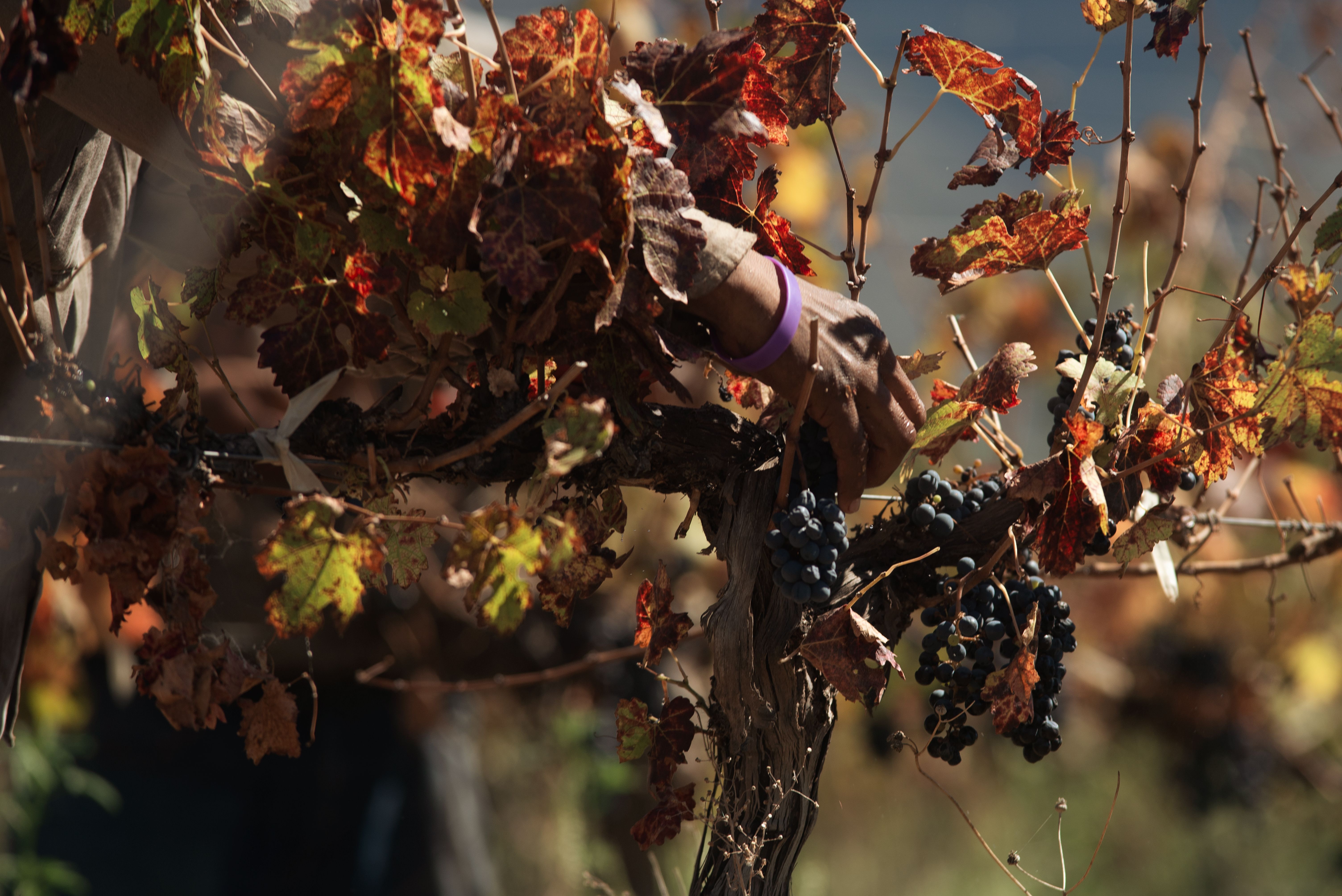
I was standing in a Tuscan vineyard in late September when the harvest crew moved through the rows beside me—not tourists, but actual workers, their hands stained purple, their pace unhurried.
That’s the difference between visiting Europe in fall and visiting it in summer: you don’t just see the seasons change; you witness the rhythms that define each place. This is when Europe stops performing for crowds and returns to itself.
The Danube Valley in Austria and Hungary becomes something almost sacred in October. The vineyards shift from green to amber, and the wine villages—Dürnstein, Hallstatt’s quieter Austrian cousins—are populated by actual locals again, not queues of selfie-stick wielders.
You can sit in a riverside café in Krems for an hour with a glass of Grüner Veltliner (around €8–12) without feeling rushed. Most travel guides skip this region entirely in favor of Vienna, which is a mistake; the Danube Valley’s real magic is its absence of manufactured charm.
Scotland’s Highlands deserve a mention here because fall is genuinely the only time to see them properly. September and October bring clearer skies than summer’s perpetual mist, and the midges—the tiny biting insects that make August unbearable—finally die off.
Glen Coe and the Isle of Skye transform into something from a myth. The trade-off: it’s cold (expect 8–12°C / 46–54°F) and wet. Bring actual waterproofs, not the Instagram-friendly kind.
One critical insight: in much of Europe, fall is when restaurants and smaller attractions close for the season. This isn’t a bug; it’s a feature if you know how to work with it. It forces you away from the tourist trail.
The Algarve in Portugal, the Amalfi Coast, even parts of Provence—they’re emptier and cheaper, but you need to verify opening hours before you arrive. A museum closing for three weeks in November isn’t charming; it’s just frustrating.
The real unforgettable experiences aren’t the famous ones. They’re the morning you catch a local train through the Swiss Alps as the larch trees turn gold, or the afternoon you’re the only person in a Prague church because everyone else is at the Charles Bridge. Fall gives you permission to find those moments.
Fall Vacations Europe: Practical Planning Essentials

I learned the hard way that booking a flight to Prague on October 15th at 11 p.m. — thinking I’d scored a deal — meant arriving at 6 a.m. with nowhere to check in and twelve hours to kill.
The lesson: fall’s sweet spot for flight prices is booking 6–8 weeks ahead, roughly mid-July for September travel and early August for October. Prices spike sharply in the final three weeks before departure.
Budget airlines like Ryanair and Wizz Air offer the cheapest fares (often €40–90 one-way), but factor in baggage fees and airport transfers — they’re rarely as close to city centers as legacy carriers.
Accommodation is genuinely cheaper in fall than summer, but not uniformly. Mid-September still carries summer pricing in Mediterranean destinations; October is your sweet spot across most of Europe.
Budget hostels run €15–25/night, mid-range hotels €60–100/night, and apartments (my preference for stays over three days) €50–80/night.
Book directly with properties when possible — platforms like Booking.com add 10–15% commission that savvy owners will negotiate away if you email them.
One detail most guides skip: many smaller European cities close their tourist offices by early November, so if you need detailed maps or transit advice, grab it in October.
Visa requirements rarely change seasonally, but fall is when you should finalize them. US, Canadian, and Australian citizens get 90 days visa-free in the Schengen zone.
UK citizens post-Brexit need a new ETIAS (European Travel Information and Authorization System) starting 2025 — check gov.uk for current status.
Travel insurance becomes non-negotiable in November; weather-related cancellations spike, and European winter storms can strand you. Expect to pay €80–150 for two weeks of comprehensive coverage.
Public transport passes are your financial lifeline. Most cities offer 3–7 day passes (Vienna’s €18 for 72 hours, Barcelona’s €35 for 5 days) that pay for themselves after two trips.
Buy them at stations, not hotels — you’ll avoid 20% markups. One overlooked detail: many regional trains offer 50% discounts if you book 7+ days ahead through national rail websites, not through third-party apps.
Finally, download offline maps (Google Maps works offline with pre-downloaded areas) before you leave — European data plans are pricey, and you’ll thank yourself when your phone dies at a train station.
In Closing
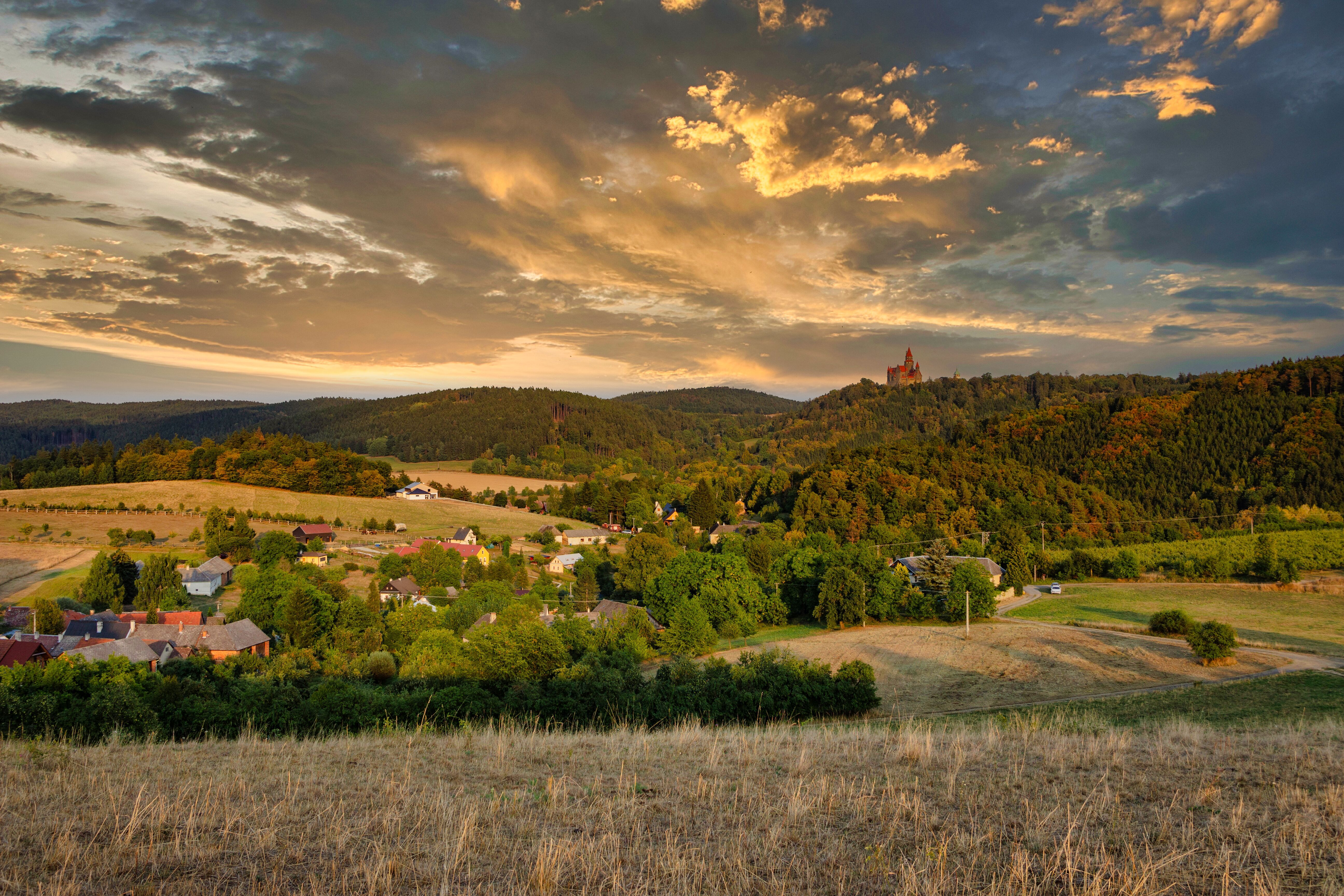
Fall in Europe isn’t a compromise destination—it’s the season when the continent reveals itself most generously. You’ve got the math now: September’s lingering warmth and manageable crowds, October’s perfect temperature sweet spot and vineyard harvests, November’s dramatic light and rock-bottom prices if you can handle the rain.
You know that a mid-range hotel in Prague costs roughly 60–90 EUR per night in October versus 120+ EUR in summer, that a three-course dinner in Lisbon runs 25–35 EUR, and that a rail pass makes sense only if you’re covering serious ground across multiple countries.
You understand the visa situation, the best neighborhoods to avoid tourist traps, and why sitting on the left side of the train from Interlaken gives you the mountain views while the right side faces the cliff face.
More importantly, you’ve learned that fall travel in Europe requires one non-negotiable mindset shift: embrace the weather as part of the experience, not something to endure.
I’ve watched rain transform the Danube into a mirror and seen it empty Prague’s Charles Bridge so completely that you could actually hear your own footsteps—something impossible in July. The locals aren’t fleeing; they’re settling into their cities. That’s the access you’re buying with an off-season ticket.
Here’s your next move: pick one city that genuinely calls to you—not the one that sounds most impressive, but the one where you’ve actually imagined yourself sitting in a café or walking a specific street. Look up its average temperature for your preferred month.
Then check flight prices for exactly two weeks out from today. Book accommodation in a neighborhood where locals actually live, not the postcard-perfect old town.
A small guesthouse or Airbnb in a residential district will cost 30–40% less, give you better meals nearby, and put you in the real rhythm of the place.
Finally, build in one unscheduled day per week—not for rest, but for the kind of wandering that produces the moments you’ll actually remember. Fall’s slower pace rewards that kind of attention. The season is waiting. Don’t overthink it.