Kyoto First-Time Visitor Activities Tips

The call to prayer echoes across the rooftops at dawn. You’re standing in a narrow Gion alleyway, geishas slipping past in subdued silence, and the reality hits: Kyoto isn’t a single destination—it’s 2,000+ temples, dozens of neighborhoods, and endless ways to spend your limited time.
Most first-timers waste their first two days figuring out which temples matter, which bus pass to buy, and why they booked a hotel in the wrong district.
This guide cuts through that overwhelm. You’ll learn exactly which experiences deliver authentic Kyoto, which ones are tourist traps masquerading as must-sees, and how to navigate a city that rewards early mornings and spontaneous detours in equal measure.
This guide walks you through Kyoto as a first-time visitor in six essential sections. Start by understanding when to visit—seasonal timing transforms your entire experience, from cherry blossom chaos to the golden solitude of winter temples.
Then we’ll cover the essential temple experiences that actually justify the hype, followed by the practical transportation knowledge you need to stop getting lost on buses.
The curated bucket list moves beyond guidebook clichés to include hidden shrines and neighborhood walks that reveal how locals actually move through the city. Finally, a realistic 3-day itinerary shows you how to string it all together without burning out on temple fatigue.
When to Visit Kyoto: Timing Your Perfect Trip

Cherry Blossom Season (Late March–Early April)
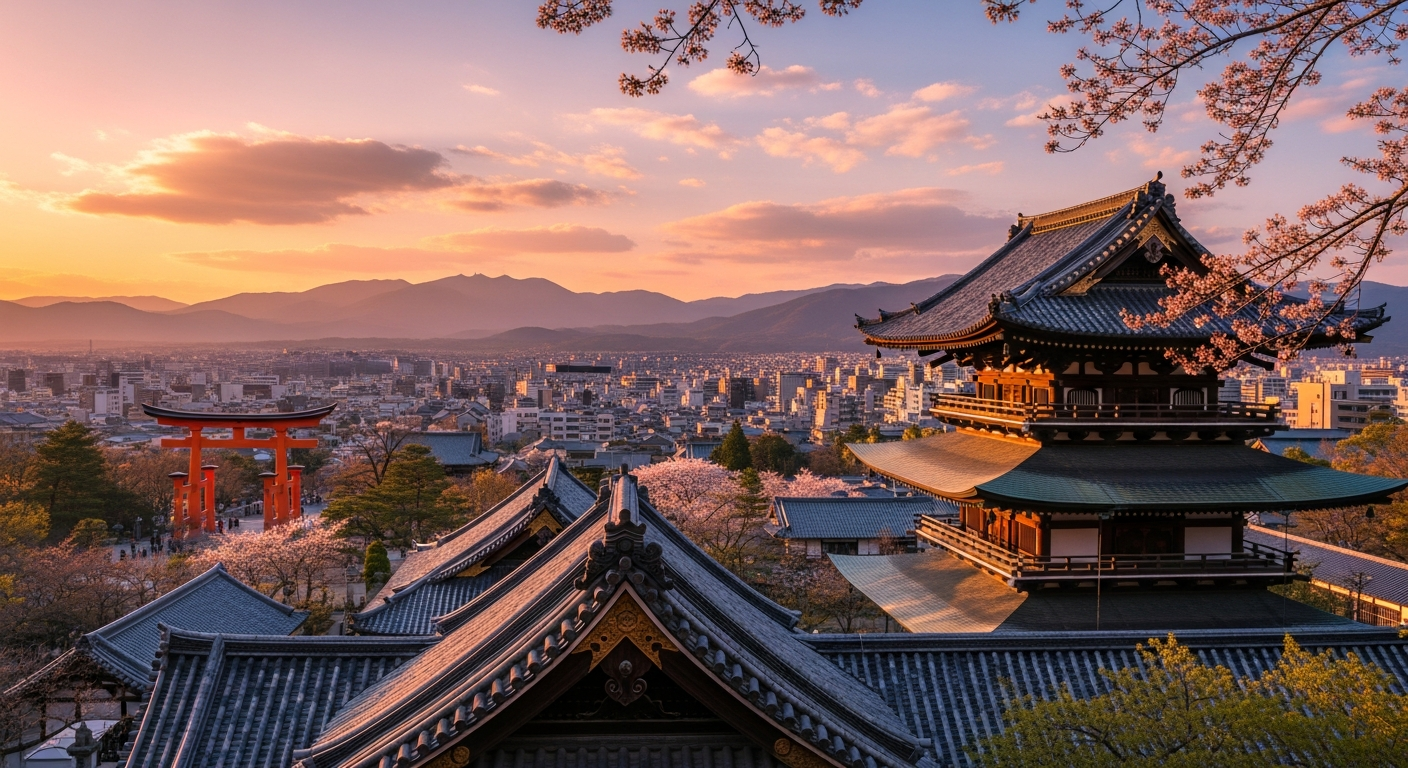
Sakura season is stunning and also a logistical nightmare. Peak bloom typically hits between March 28 and April 5, but booking accommodations requires planning 4–6 months ahead—prices triple during these two weeks. You’ll share temple grounds with thousands of other visitors. Major sites like Kinkaku-ji and Philosopher’s Path become shoulder-to-shoulder crowds by mid-morning.
If cherry blossoms are non-negotiable, arrive at popular sites by 7 AM. Philosopher’s Path—a 2-kilometer canal-side walk lined with cherry trees—is far less crowded than Kinkaku-ji and offers the same aesthetic payoff with space to breathe. The Philosopher’s Path is free, takes 30 minutes to walk, and connects to Ginkaku-ji (the Silver Pavilion) at the north end. Book this neighborhood for accommodation if possible; you’ll be near the best morning light and away from downtown crowds.
Fall Foliage Season (Mid-November)
This is the ultimate time for first-timers. Mid-November through early December offers comfortable weather (15–20°C), breathtaking maple and ginkgo colors, and manageable crowds. Temple gardens are designed specifically for autumn viewing—the contrast of red foliage against stone lanterns and dark wood structures feels intentional, because it is.
Many temples offer night illuminations during peak foliage. Kiyomizu-dera and Eikan-do stay open until 9 PM on select evenings, with lanterns lighting the gardens. Book tickets online in advance; these sessions fill up. Accommodation is easier to secure than during cherry blossoms, and prices remain reasonable. October and early November offer similar foliage without the crowds, though some trees turn later depending on weather.
Summer & Winter: The Hidden Advantage
Summer (July–August) is hot and humid—expect 30°C+ and afternoon thunderstorms. But here’s the trade-off: fewer tourists and significantly lower accommodation prices. Budget ryokans that charge ¥15,000 per night during peak season drop to ¥8,000–¥10,000 in August. You can book restaurants on the same day instead of weeks ahead. Gion Matsuri (July 16–17) is worth timing your visit around if you’re interested in traditional festival atmosphere, though the festival itself is crowded.
Winter (December–February) brings crisp air, occasional snow dusting temples, and an authentic local pace. Fewer tour buses mean you’ll see genuine pilgrims and residents at shrines. Photography light is excellent—low winter sun creates dramatic shadows and golden tones. Temples are less crowded, and spontaneous ryokan bookings are genuinely possible. The downside: some gardens look sparse without foliage, and early darkness (sunset by 4:30 PM in December) limits evening exploration.
The season you choose shapes whether Kyoto feels like a pilgrimage or a photo queue.
Things To Do In Kyoto Japan: The Essential Experiences

Fushimi Inari Taisha: The Iconic Torii Gates
Ten thousand vermillion torii gates wind up a mountainside at Fushimi Inari, and yes, the photos are real. But the shrine is 24/7, which means arriving at 7 AM transforms the experience entirely.
You’ll walk through mostly empty gates with mist rising from the valley below. By 10 AM, tour groups fill the path. By noon, you’re navigating a human traffic jam.
The common misconception: you need to hike all 2–3 hours to the summit. You don’t. The first 30 minutes of walking captures the iconic gate tunnels.
Most visitors turn back by the 45-minute mark, leaving the upper mountain peaceful. Entry is free. Wear comfortable shoes with good grip—the stone steps get slippery, especially in wet conditions. Bring water; there are no facilities beyond the base shrine.
Fushimi Inari is a 15-minute walk from Fushimi Inari Station (JR Nara Line from central Kyoto, ¥150). Go early, spend 1–1.5 hours, and move on. Don’t try to see it at sunset—the gates lose their luminous quality, and crowds actually intensify.
Arashiyama Bamboo Grove & Beyond
The complete Arashiyama morning strings together three experiences: bamboo grove, Tenryu-ji Temple, and a riverside walk. The bamboo grove itself is tiny—about 400 meters long—and becomes unbearably crowded by 9 AM. Arrive at 8 AM or earlier. You’ll have 10–15 minutes of near-solitude before the first tour buses arrive.
Tenryu-ji Temple (entry ¥800 for garden, ¥1,000 to include the temple building) sits immediately adjacent to the grove. The garden is stunning and much less crowded than the bamboo path.
Spend 45 minutes here. Then walk south along the Okigawa River—this 2-kilometer path is scenic, free, and genuinely peaceful.
You’ll pass small restaurants, local shops, and occasional shrines. Skip the monkey park (Iwatayama) unless you’re specifically interested in it; it adds 2 hours and isn’t essential for a first-timer.
The hidden gem: Okochi Sanso Villa, a private garden 15 minutes’ walk north of the grove (entry ¥1,000). Fewer tourists know about it, and the views over Kyoto are extraordinary.
It’s worth 30 minutes if you have time. Take the Randen tram from Arashiyama Station (¥220 one-way) to reach different parts of the district efficiently.
Kinkaku-ji (Golden Pavilion): Worth the Hype
Yes, it’s touristy. Yes, you should still see it. The golden pavilion reflecting in still water is genuinely breathtaking, and no photo fully captures the scale or the color.
Entry is ¥500. The best light is mid-morning (9:30–11 AM), and you want to position yourself at the first viewing platform—don’t linger there, but capture your shot and move on. Most visitors spend 30–45 minutes here.
The strategic mistake: treating Kinkaku-ji as a standalone destination. Pair it with Ryoan-ji Temple (15 minutes south by bus, ¥500 entry), which offers an authentic Zen rock garden experience in a far quieter setting. Ryoan-ji is where locals actually go for contemplation.
The rock garden has 15 stones arranged in gravel, and the puzzle of its meaning—whether it depicts islands, mountains, or pure abstraction—is genuinely thought-provoking. Spend an hour here; it recalibrates your temple experience away from photo-ops toward actual Buddhist philosophy.
Gion District: Geisha Culture Done Right
Gion is Kyoto’s geisha district, and evening strolls through Hanami-koji Street and along Shirakawa Canal are genuinely atmospheric.
Wooden machiya (traditional houses) line narrow streets, lanterns glow at dusk, and you’ll occasionally see geishas heading to evening appointments.
But here’s the etiquette that matters: never photograph geishas without permission, never chase them, never block their path. They’re workers heading to clients, not tourist attractions.
The best time for respectful observation is early evening (6–7 PM), when geishas are moving between locations but light is still good.
Walk slowly, observe from a distance, and if a geisha makes eye contact, a respectful nod is appropriate. If you want authentic cultural immersion, book a tea ceremony (¥3,000–¥8,000) or kaiseki dinner (¥8,000–¥20,000) through the official Kyoto tourism board. These experiences include geisha performance and interaction in an appropriate setting.
Kyoto Travel Guide: Transportation & Getting Around

Mastering the Bus System
Kyoto’s bus system is efficient and genuinely easy once you understand the mechanics. Buy a Kyoto Bus Pass (¥700 for unlimited day travel) from the driver on your first bus ride.
It pays for itself in 3 rides. You’ll use this pass constantly. Three main bus routes hit most tourist sites: #100, #101, and #102 form a loop connecting Kyoto Station, Downtown, Kinkaku-ji, Ryoan-ji, Arashiyama, and Gion. Memorize these three numbers.
How it works: board at the back door, tap your pass when exiting the front door (or pay ¥230 per ride without a pass). Google Maps shows bus routes and real-time arrivals—it’s more reliable than trying to decode the Japanese route maps.
Download the offline map before arrival; your phone’s data connection might be spotty. Bus stops are marked with numbers and route lists, though the English signage is inconsistent. Ask the driver if you’re unsure; most speak basic English and are patient with tourists.
When to Use Trains vs. Buses
Use trains for longer distances: Arashiyama (Randen tram or JR Sagano Line), Fushimi Inari (JR Nara Line), and day trips to Nara or Osaka.
Train fares are cheap (¥150–¥500 per ride) and faster than buses for cross-city travel. A JR Pass is worth it only if you’re doing multiple-day trips; for staying within Kyoto, skip it.
Buses work best for temple hopping in central neighborhoods like Higashiyama and Downtown. Walking is genuinely underrated in Kyoto.
The Higashiyama district—stretching from Kiyomizu-dera south to Gion—is best explored on foot. You’ll discover small shrines, local restaurants, and pottery shops that buses would bypass entirely. Wear comfortable shoes; expect 15,000+ steps daily.
Bicycle rentals are perfect for flat areas like central Kyoto and riverside paths. Rental shops charge ¥1,000–¥1,500 per day and are abundant near major train stations.
Walking Districts & Neighborhood Navigation
Higashiyama is the ultimate walking neighborhood. Start at Kiyomizu-dera Temple (entry ¥400) in the morning and walk south through Ninenzaka and Sannenzaka streets—these are narrow, atmospheric shopping streets lined with traditional restaurants, tea houses, and craft shops.
Ninenzaka is more touristy; Sannenzaka is slightly more local. Continue south to Yasaka Pagoda (Hokanji Temple), then wander east to Maruyama Park and Yasaka Shrine. This full walk takes 2–3 hours and requires zero bus rides.
Download offline maps immediately. Your phone’s GPS works, but cellular data is inconsistent in older neighborhoods. Comfortable shoes are non-negotiable—Kyoto’s streets are cobblestone and uneven in many districts.
Slip-on shoes simplify temple visits (you’ll remove shoes frequently). Bring a small backpack or crossbody bag; you’ll acquire souvenirs, and pickpocketing is rare but possible in crowded areas.
What To Do In Kyoto: The Curated Bucket List

Kiyomizu-dera Temple & Higashiyama Walk
Kiyomizu-dera’s wooden stage hangs over a forested valley, and the views across Kyoto are genuinely breathtaking. The temple is currently undergoing renovation on the main hall, but the stage itself is fully accessible.
Entry is ¥400. The best approach is to enter from the north (via Ninenzaka) rather than the main south entrance; you’ll encounter fewer crowds and the path is more scenic.
Timing matters: sunrise (around 6:30 AM in summer, 7:00 AM in winter) offers soft light and minimal crowds. Late afternoon (4–5 PM) gives golden hour photography and fewer tour groups. Spend 45 minutes at the temple itself, then descend through Sannenzaka Street, stopping at tea houses and pottery shops.
This full Higashiyama walk—from Kiyomizu-dera south to Gion—takes 2–3 hours and requires no transportation. You’ll pass Kodai-ji Temple (¥600 entry), Maruyama Park, and Yasaka Shrine along the way. Each is worth 15–30 minutes.
Nishiki Market: Kyoto’s Kitchen
Nishiki Market is a covered shopping street in downtown Kyoto, and it’s authentic—not a tourist trap. Local chefs shop here daily for ingredients.
You’ll find fresh mochi, tsukemono (pickled vegetables), tamagoyaki (sweet egg omelet), and seasonal specialties. Budget ¥1,500–¥2,500 for sampling multiple stalls. Go mid-morning (10–11 AM) when vendors are freshest and willing to chat. Afternoon crowds are heavier, and some vendors close by early evening.
The market is about 400 meters long. Don’t feel obligated to buy from every stall; taste a few items and linger where the food genuinely interests you.
Most vendors offer small samples. Nishiki is a 10-minute walk from Kawaramachi Station (central Kyoto’s main shopping district).
Pair this with a lunch nearby—the surrounding restaurants range from casual ramen shops (¥900–¥1,200) to higher-end sushi counters (¥5,000–¥8,000).
Hidden Gems Beyond the Guidebook
Tofuku-ji Temple (¥600 entry) sits 20 minutes south of downtown and is stunning without the crowds—except during fall foliage season when its reputation spreads.
The Zen garden and covered walkway over a ravine are extraordinary. Kifune Shrine (free entry) is a 30-minute train ride north into forested mountains.
It’s magical at dusk, with lanterns lighting the path and pilgrims making offerings. The walk to the shrine takes 20 minutes uphill; it’s peaceful and genuinely feels removed from Kyoto proper.
Pontocho Alley is a narrow dining street along the Kamogawa River, far less touristy than Gion and with excellent restaurants.
Walk it at dusk for atmospheric light. Neighborhood shrines at dusk offer unforgettable peaceful moments—small shrines like Kiyomizu Gojo Shrine or Maruyama Shrine are genuine pilgrimage sites that tourists rarely visit. The local insight: explore side streets.
Every neighborhood has hidden shrines, small gardens, and local restaurants that guidebooks never mention. Wander deliberately—take a street that looks interesting and follow it for 15 minutes without a destination.
Cultural Experiences Worth Booking
Tea ceremony (chanoyu) is worth experiencing. Authentic venues charge ¥3,000–¥8,000 and include preparation, whisking, and tasting matcha with traditional sweets. Book through the official Kyoto tourism board rather than random websites.
Kaiseki dinner is a splurge-worthy multi-course traditional meal (¥8,000–¥20,000 per person) that showcases seasonal ingredients and impeccable technique. Reserve 2–3 weeks ahead for well-regarded restaurants.
Kimono rental is fun for photos (¥3,000–¥5,000 for day rental) but comes with unspoken etiquette: wear it respectfully, avoid sitting cross-legged, and don’t treat it as a costume. Several temples offer morning zazen (meditation) sessions for visitors (¥1,000–¥2,000).
These are genuine spiritual practices, not performances. Arrive early, follow instructions carefully, and expect profound silence.
Kyoto Travel Plan: Sample 3-Day Itinerary

Day 1: Eastern Kyoto & Gion
Start early. Arrive at Fushimi Inari by 7 AM (take the JR Nara Line from Kyoto Station, ¥150). Spend 1.5 hours walking the torii gates.
Return to central Kyoto by 9:30 AM. Take bus #100 to Kiyomizu-dera (¥230 with day pass). Spend 45 minutes at the temple, then descend through Ninenzaka and Sannenzaka streets.
Grab lunch at a small restaurant along the way (budget ¥1,200–¥2,000). Continue walking south through Higashiyama, passing Kodai-ji Temple and Maruyama Park. Arrive at Gion by late afternoon.
Spend the late afternoon wandering Gion’s streets—Hanami-koji and Shirakawa Canal area. Observe early evening (6–7 PM) for potential geisha sightings.
Dinner at a Gion restaurant; options range from casual (¥2,000–¥3,500) to kaiseki (¥12,000+). If you didn’t book ahead, walk into small restaurants and ask to see the menu. Most have English translations or pictures. End the day with a quiet walk along the canal at dusk.
Day 2: Arashiyama & Western Kyoto
Arrive at Arashiyama Bamboo Grove by 8 AM (Randen tram from central Kyoto, ¥220). Spend 20–30 minutes in the grove. Walk immediately to Tenryu-ji Temple (garden entry ¥800). Spend 45 minutes exploring the garden and temple building. Walk south along the Okigawa River (2 kilometres, 30 minutes). Grab lunch at a riverside restaurant (¥1,500–¥2,500).
Take bus #101 to Kinkaku-ji (Golden Pavilion, ¥500 entry). Spend 30–45 minutes. Continue by bus to Ryoan-ji Temple (¥500 entry).
Spend 1 hour contemplating the rock garden and walking the grounds. This temple is genuinely peaceful and offers a different philosophical experience than the more famous sites.
Return to central Kyoto by late afternoon—dinner in Downtown Kyoto near Kawaramachi Station. Explore Nishiki Market if you haven’t already (best in the morning, but pleasant for evening strolling).
Day 3: Philosopher’s Path & Cultural Immersion
Start at the north end of Philosopher’s Path (Ginkaku-ji, the Silver Pavilion, ¥500 entry). Walk the 2-kilometer canal-side path south to Nanzen-ji Temple (free entry to grounds, ¥600 for the inner temple).
This walk takes 1.5–2 hours and is one of Kyoto’s most atmospheric routes. Stop at small tea houses along the way. Lunch at a local restaurant in the Nanzen-ji area (¥1,500–¥2,500).
Afternoon: book a tea ceremony (¥3,000–¥8,000) or visit a museum you haven’t seen. Kyoto National Museum (near Higashiyama) is excellent and far less crowded than temples (¥700 entry).
Alternatively, spend the afternoon wandering a neighborhood you haven’t explored—take a bus to a random stop and walk for 2 hours without a specific destination. You’ll find local shrines, residential streets, and genuine Kyoto life.
Dinner: splurge on kaiseki if you haven’t already, or revisit a favorite neighborhood restaurant. Pack light for your evening; you’re likely catching a train out tomorrow.
Your Next Move
The single most important takeaway: Kyoto rewards early mornings and spontaneous detours far more than it rewards guidebook completionism.
You cannot see everything, and trying to will exhaust you. Instead, pick 3–4 major sites, arrive early, and leave time to wander. The hidden shrines, local restaurants, and unexpected conversations happen in the gaps between famous temples.
Start your planning by choosing your season. Fall foliage (mid-November) is ideal for first-timers—comfortable weather, stunning visuals, manageable crowds.
Book accommodation in Gion, Higashiyama, or Arashiyama (not downtown) so you’re near the actual experiences. Download Google Maps offline, buy a ¥700 bus pass on arrival, and commit to one early morning (7 AM) at either Fushimi Inari or Philosopher’s Path.
That single early morning sets the tone for your entire trip—you’ll see Kyoto as pilgrims and locals experience it, not as a tourist queue.
Pack comfortable shoes, wear clothes that allow temple etiquette (knees and shoulders covered), and bring a small notebook.
Write down one small moment each day—a tea house conversation, a shrine you stumbled upon, a meal that surprised you. These details become your real Kyoto story, not the Instagram photos everyone takes at the same spot. The city is patient. It will reveal itself if you move slowly.