Swiss Alps hiking packing list summer 2026

# The Ultimate Swiss Alps Summer Hiking Packing List: What Actually Works at Altitude
I’ll never forget standing at the Männlichen cable car station at 6 a.m., watching a woman in flip-flops and a cotton sundress board for a “quick hike” to Kleine Scheidegg.
Three hours later, I passed her on the trail—shivering, sunburned, with bleeding blisters—being helped down by concerned strangers. She’d assumed “summer in Switzerland” meant beach weather.
The reality? I was wearing three layers, had already applied sunscreen twice, and my hiking boots were caked in mud from an unexpected rain shower that had blown through thirty minutes earlier.
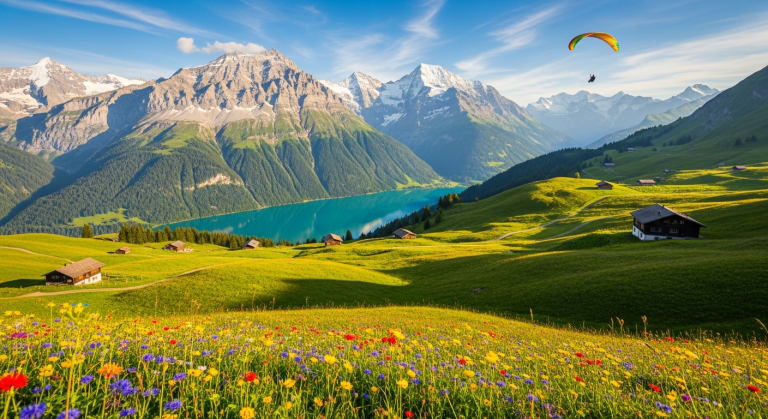
The Swiss Alps don’t follow normal summer rules. You’ll sweat through your shirt on sunny valley trails, then shiver at mountain restaurants just an hour later.
I’ve experienced four distinct weather patterns in a single six-hour hike, and I’ve learned the hard way that the difference between an unforgettable alpine adventure and a miserable slog often comes down to what’s in your pack.
This complete guide eliminates the guesswork. Whether you’re tackling the legendary Eiger Trail, strolling through flower-filled meadows in Lauterbrunnen, or pushing toward the Matterhorn, you’ll know exactly what to bring.
No overpacking, no expensive gear you’ll never use again, and definitely no cotton t-shirts that’ll leave you hypothermic on a July afternoon.
Understanding Swiss Alps Summer Weather: Why Your Packing List Matters

The Alpine Climate Reality Check
Here’s what the tourism brochures don’t tell you: Swiss summer hiking means navigating temperature swings of 40°F or more in a single day. Valley floors around Interlaken or Grindelwald regularly hit 75-85°F (24-29°C) in July and August, perfect for shorts and tank tops.
But climb to 8,000 feet—which takes just 30 minutes on a cable car—and you’re suddenly in 45-55°F (7-13°C) conditions with wind chill that makes it feel even colder.
I’ve watched tourists at Schilthorn’s revolving restaurant (9,744 feet) literally shaking in their summer dresses while locals casually sip coffee in down jackets.
The UV intensity increases approximately 10% for every 3,000 feet of elevation gain, meaning you’ll burn faster at altitude even when it feels cool. That deceptive combination of cold air and intense sun has left more hikers with painful burns than any Mediterranean beach.
The “four seasons in one day” phenomenon isn’t tourist board marketing—it’s meteorological reality. Mountain weather systems move incredibly fast.
I’ve started hikes in brilliant sunshine, been caught in hailstorms by lunch, and finished in fog so thick I couldn’t see ten feet ahead. The mountains create their own microclimates, and afternoon thunderstorms develop with shocking speed, especially in July and August.
Common Packing Mistakes That Ruin Trips
The biggest mistake I see? Overpacking heavy “just in case” items instead of mastering strategic layering. A bulky winter coat takes up half your suitcase and you’ll wear it once. Three lightweight, packable layers give you infinitely more flexibility and weigh half as much.
Assuming “summer” means consistently warm is the second killer. I’ve met countless hikers who packed only shorts and t-shirts, then spent CHF 200 (about $220) panic-buying gear at overpriced mountain shops. One British couple I encountered at Jungfraujoch had just dropped CHF 150 on emergency fleeces because they’d dressed for their London summer, not an alpine one.
But the absolute #1 regret? Wrong footwear. I cannot overstate this. Every single season, I encounter hikers attempting serious trails in fashion sneakers, new boots that haven’t been broken in, or completely inappropriate sandals. Blisters, twisted ankles, and early retreats from stunning trails—all preventable with proper planning.
Regional Variations to Consider
Zermatt tends to be drier than the Bernese Oberland (Grindelwald, Wengen, Mürren), where afternoon rain is almost guaranteed in summer. The Engadin region near St. Moritz gets more consistent sunshine but colder temperatures due to higher base elevations. Lugano and the southern valleys feel almost Mediterranean—genuinely hot and humid—while northern faces like the Eiger can hold snow well into July.
Before finalizing your pack, check MeteoSwiss (the official weather service) and look at webcams for your specific destinations. The SRF Meteo app gives incredibly accurate localized forecasts. I check it obsessively three days before any hike, and it’s rarely wrong about precipitation timing.
The Essential Clothing System: Layers Are Your Secret Weapon

Base Layers That Actually Work
Your base layer is your foundation, and in the Alps, moisture management is everything. I pack three to four moisture-wicking athletic tops—a mix of tank tops for hot valley sections and short-sleeve technical tees for versatile wear. The key word is “technical.” That cute cotton tank from your gym will stay wet with sweat and leave you chilled the moment you stop moving.
UV-protective long-sleeve shirts are non-negotiable for exposed alpine trails. I learned this after getting second-degree burns on my arms during what seemed like a cloudy day on the Schynige Platte panorama trail.
The sun reflecting off snow patches and light-colored rock intensifies UV exposure dramatically. I now use Columbia’s PFG series or similar—they’re lightweight, breathable, and have saved my skin countless times.
For women, a proper sports bra designed for high-impact activity makes all-day comfort possible. The constant uphill/downhill rhythm of alpine hiking is more demanding than you’d think. Pack three to four pairs of quick-dry underwear minimum—ExOfficio and similar brands dry overnight in hotel rooms, meaning you can pack less.
The merino wool versus synthetic debate comes down to personal preference and budget. Merino (brands like Icebreaker or Smartwool) resists odor better and regulates temperature more naturally, but costs significantly more.
Synthetic base layers from Patagonia Capilene or similar perform excellently at half the price. I use both depending on the length of trip. For a week in the Alps, merino’s anti-odor properties win. For a weekend, synthetics are perfectly fine.
Mid-Layers for Temperature Fluctuations
A lightweight fleece pullover or quarter-zip is your temperature regulation workhorse. I wear mine starting most hikes (alpine mornings are cold even in August), strip it off within an hour as I warm up, then put it back on at every mountain restaurant stop.
Patagonia Better Sweater, North Face TKA, or budget options from Decathlon all work. The key is packability—it needs to stuff into your daypack without taking up half the space.
An insulated vest deserves special mention. It keeps your core warm without the bulk and restricted arm movement of a full jacket. I’ve converted dozens of skeptical hiking partners who now swear by this layer. It’s perfect for cable car rides (those open-air gondolas get frigid), early morning starts, and sitting at scenic lunch spots where you cool down fast.
Outer Layer Protection
A waterproof, breathable rain jacket is the single most important piece of gear you’ll pack. Not water-resistant. Not a windbreaker. A proper waterproof jacket with sealed seams and a hood. I’ve been caught in alpine downpours that went from clear skies to torrential rain in under ten minutes. Your jacket is the difference between continuing your hike or shivering miserably back to the nearest cable car.
Look for Gore-Tex or equivalent membranes (eVent, Outdoor Research’s AscentShell). Budget-conscious travelers can find excellent options from Marmot’s PreCip line (around $100) or Outdoor Research’s Helium series. Luxury options from Arc’teryx or Patagonia run $300-500 but last decades. Whatever you choose, make sure it has pit zips for ventilation—you’ll overheat quickly on steep climbs even in rain.
A lightweight packable down jacket completes your layering system. This seems excessive until you ride the cable car to Schilthorn or Gornergrat and realize it’s genuinely cold at 10,000 feet, even in July. Modern down jackets compress to the size of a water bottle. I use mine constantly: chilly morning train rides, mountain restaurant terraces, summit stops, and evening lakeside walks. It’s earned its weight in my pack a hundred times over.
Bottoms That Handle Alpine Conditions
Hiking pants with zip-off legs are the ultimate versatile option, though I’ll admit they’re not winning fashion awards. The functionality is undeniable: full-length pants for morning starts and exposed ridgelines, shorts for hot afternoon valley returns. Brands like Prana, Columbia, and REI make versions that don’t look completely ridiculous.
I also pack one pair of moisture-wicking hiking shorts for guaranteed hot-weather trails and one pair of comfortable athletic leggings or tights. The leggings layer under pants for especially cold or windy conditions, or work solo on moderate-weather days. Many women I know prefer hiking in leggings exclusively—the stretch and comfort win over traditional hiking pants.
Bring one pair of casual jeans or comfortable pants for town exploration and dining. Swiss culture is more put-together than typical hiking-town casual. You’ll feel out of place wearing technical gear at Interlaken’s restaurants or Zermatt’s cafes. A simple pair of dark jeans or chinos paired with a non-athletic top makes you blend in.
Cotton is your enemy in the mountains. It absorbs moisture, dries slowly, and loses all insulating properties when wet. “Cotton kills” is a hiking cliché because it’s true. Every piece of clothing that touches your skin should be synthetic or merino wool.
What to Wear in Swiss Towns Between Hikes
Switzerland balances athletic outdoor culture with European sophistication. You’ll see locals seamlessly transition from hiking boots to stylish casual wear. I pack one lightweight cardigan or casual sweater for lakeside evenings—Brienz, Thun, and Geneva get breezy after sunset, and outdoor cafe culture is big. A simple sundress or casual button-down with your jeans works for dinners. You’re not dressing for Milan fashion week, but hiking pants at nice restaurants will get you side-eye.
Footwear & Accessories: Don’t Skimp on These

The Footwear Formula
Your feet will make or break your Swiss adventure, so listen carefully: broken-in hiking boots with ankle support for technical trails with significant elevation gain or rocky terrain. Trail runners or low-cut hiking shoes for moderate, well-maintained paths like many of Switzerland’s famous panorama trails. Comfortable walking shoes for train travel and town exploration. Sandals with straps (Tevas, Chacos, or similar) for post-hike relief and casual wear around your accommodation.
The single biggest mistake is bringing brand-new, untested boots. I’ve witnessed grown adults in tears from blisters caused by boots they bought the week before their trip. Break in your hiking boots with at least 20-30 miles of walking before your trip. Wear them around town, on local trails, anywhere that builds up calluses and identifies hot spots before you’re halfway up the Schilthorn with no escape route.
For most Swiss hiking, you don’t need heavy mountaineering boots. Modern trail runners with good tread handle the majority of summer trails beautifully and weigh far less. I use Salomon Speedcross or similar for probably 80% of my Swiss hikes. Save the serious boots for via ferratas or early-season hikes with potential snow.
Sock Strategy That Prevents Blisters
Pack two to three pairs of merino wool hiking socks (Darn Tough, Smartwool, or Farm to Feet). Quality hiking socks cost $20-25 per pair but last years and prevent the blisters that ruin trips. The cushioning and moisture-wicking properties are worth every franc.
Liner socks worn under your main hiking socks create a friction barrier that dramatically reduces blister formation. I resisted this for years as overkill, then tried them on a five-day hiking trip and became an instant convert. The two-layer system allows friction between the sock layers instead of against your skin.
Pack regular casual socks for town wear and sleeping. Your feet will thank you for the variety.
Sun Protection Essentials
A wide-brimmed hat or baseball cap is mandatory. The sun at altitude is relentless, and I’ve watched too many people get painful scalp burns through their hair part. I prefer wide-brimmed hats for maximum face and neck coverage, but they catch wind on exposed ridges. Baseball caps are more practical for windy conditions.
Sunglasses with UV protection rated for high-altitude use are non-negotiable. Cheap gas station sunglasses don’t cut it when you’re dealing with glacier glare and intense reflected light. Polarized lenses reduce glare from snow patches and lakes. I use Julbo or Smith with category 3-4 lenses.
A buff or neck gaiter is the most versatile piece of gear in your pack. Sun protection for your neck, warmth on cold mornings, sweat management, makeshift facemask for dusty trails, headband to keep hair back—I use mine constantly and it weighs almost nothing.
The Complete Accessories Checklist
Lightweight gloves seem absurd for summer until you’re starting a hike at 6 a.m. and your fingers are numb. Pack a thin pair of fleece or synthetic gloves. You’ll use them more than you expect.
Trekking poles deserve their own section but I’ll mention them here: collapsible or telescoping poles reduce knee strain on descents (where most injuries happen) and provide stability on rocky terrain. They’re especially valuable if you’re carrying a heavier pack. Black Diamond and Leki make excellent options. Many hikers resist poles initially, then become devoted converts after one long descent.
The Perfect Daypack: What to Carry on Every Hike

Choosing the Right Pack Size
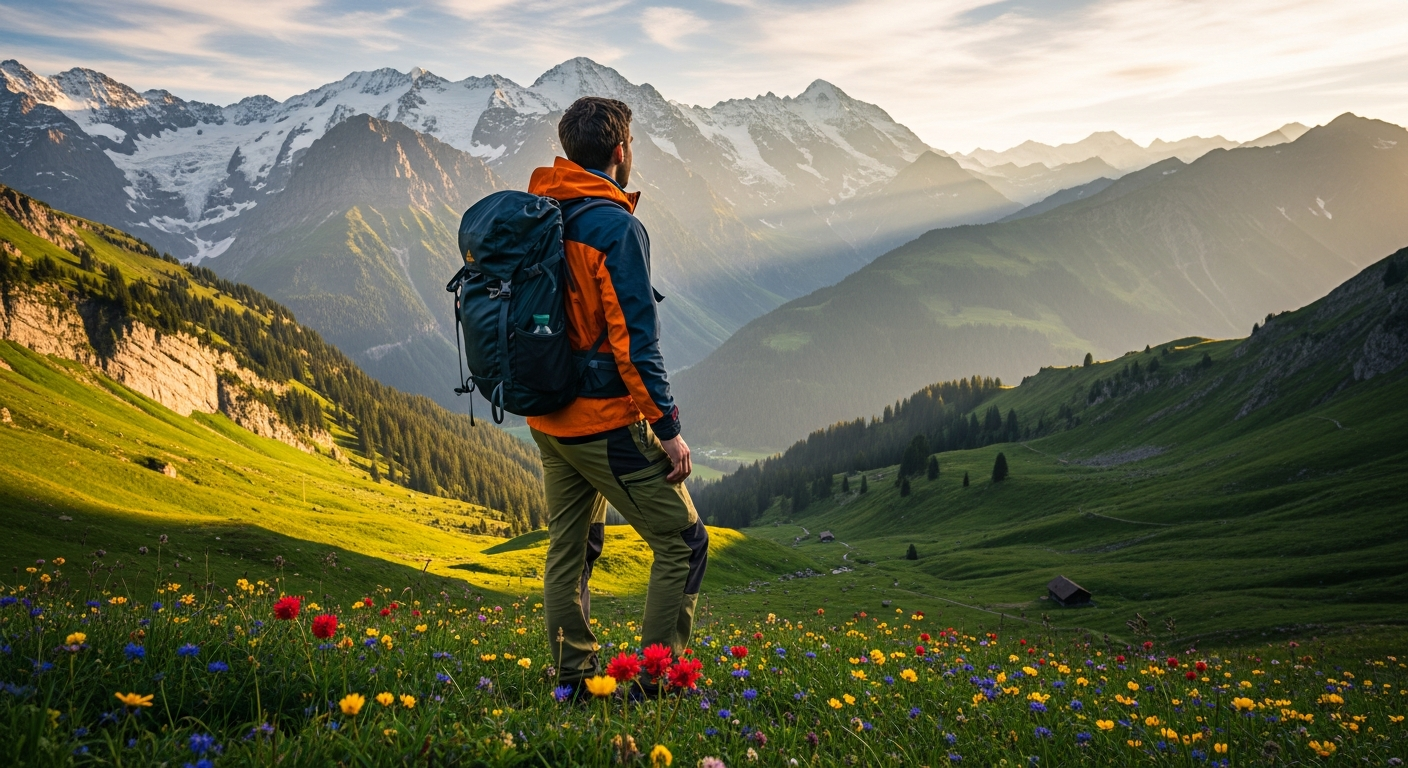
A 20-30 liter daypack is the sweet spot for Swiss day hiking. Smaller than 20L won’t fit your layers, water, and lunch. Larger than 30L tempts you to overpack and carry unnecessary weight. I use a 25L Osprey Talon that’s served me perfectly for years.
Critical features: hip belt to transfer weight off your shoulders, chest strap for stability, ventilated back panel to reduce sweat, external pockets for water bottles and quick-access items, and internal organization pockets. If you’re flying carry-on only, look for packable daypacks that compress flat in your luggage. REI Flash and Matador Beast are excellent options.
Hydration Essentials
Carry 1.5-2 liters of water minimum for a full day hike. Dehydration at altitude happens faster than you realize, and while Switzerland has excellent fountain water in villages, mountain trails often have long stretches without refill options. I use two 1-liter Nalgene bottles because I can see exactly how much I’m drinking and they’re indestructible.
Hydration bladders (CamelBak style) offer hands-free drinking, which keeps you hydrating more consistently on the move. The downside: harder to track consumption and they can leak in your pack. I’ve used both systems extensively and prefer bottles for their simplicity, but many hikers swear by bladders.
Alpine streams and fountains are generally safe to drink from in Switzerland—the water quality is exceptional. However, if you’re hiking near livestock (common in the Alps), consider a filter bottle or purification tablets. I carry a Sawyer Mini filter as cheap insurance.
Electrolyte packets (Nuun, Liquid IV, or similar) are worth bringing for longer hikes. You lose significant salt through sweat, and plain water doesn’t replace it. I add electrolytes to one bottle on any hike over four hours.
Snacks & Nutrition for Alpine Energy
Swiss chocolate is mandatory trail food—this is non-negotiable and I will die on this hill. Buy it at Coop or Migros supermarkets in town for reasonable prices (Ragusa and Cailler are my favorites). The sugar and fat provide quick energy, and it tastes infinitely better than energy gels.
Pack energy bars, trail mix, and something salty. I bring at least 500 calories of snacks per person for a full-day hike. You burn significantly more calories hiking uphill at altitude than you’d expect. Bonking (running out of energy) turns an epic hike into a survival march.
Here’s an authentic local secret most tourists miss: stop at village bakeries before your hike. Fresh bread, local cheese, and cured meats make infinitely better trail lunches than pre-packaged bars. A Weggli (Swiss bread roll) with Gruyère costs CHF 3-4 and tastes like heaven eaten at a mountain viewpoint. Many mountain restaurants sell simple provisions too, though at premium prices (CHF 8-12 for a sandwich).
Safety & Navigation Must-Haves
A compact first aid kit is essential. Minimum contents: blister treatment (Compeed or moleskin), pain relievers (ibuprofen for inflammation), bandages, antiseptic wipes, athletic tape, and any personal medications. Swiss pharmacies are excellent but not accessible mid-trail.
An emergency whistle weighs nothing and could save your life. The international distress signal is six blasts per minute. I’ve never needed mine in Switzerland, but it lives on my pack strap just in case.
A headlamp or small flashlight covers the scenario where your hike takes longer than expected and daylight fades. Summer days are long in Switzerland, but mountain valleys darken earlier than you’d think.
Download offline maps before your hikes. SwitzerlandMobility Plus app (CHF 35/year) is the gold standard with every marked trail and real-time GPS positioning. Maps.me is a free alternative that works well. Cell coverage in the Swiss Alps is surprisingly good, but don’t rely on it exclusively.
Carry a physical map and compass if you’re doing anything beyond well-marked tourist trails. Yes, even in 2024. Technology fails; paper doesn’t.
Tech & Documentation
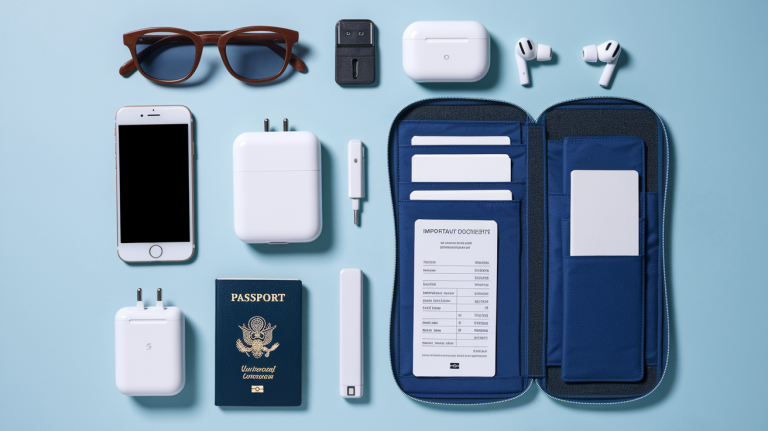
Fully charge your phone before every hike and bring a portable charger (10,000+ mAh capacity). Your phone is your camera, map, emergency contact device, and entertainment for train rides. Running out of battery is not an option.
Keep your Swiss Travel Pass or hiking pass accessible—you’ll show it multiple times on trains and cable cars. I keep a physical copy in my pocket and a digital backup on my phone.
Carry cash. Many mountain huts and restaurants are cash-only, and you don’t want to reach a stunning summit restaurant only to discover they don’t take cards. I always have CHF 50-100 in small bills.
A waterproof case or dry bag