Banff 5 days itinerary summer 2026

Let’s assume you got exactly five days, a burning desire to experience the Canadian Rockies, and absolutely zero room for error. Sound familiar?
Let’s be honest—planning a Banff trip can feel overwhelming. With limited vacation days, you’re wondering: Should I prioritize Lake Louise or Moraine Lake? Is the Icefields Parkway worth a full day? How do I avoid the crowds that everyone complains about? And most importantly, how do I pack all those breathtaking experiences into just five days without feeling rushed?
I’ve spent countless summers exploring Banff, and I’m sharing the ultimate 5-day itinerary that balances iconic landmarks with hidden local gems—no tourist traps, no wasted time, just pure mountain magic. Whether you’re a budget-conscious adventurer or ready to splurge on unforgettable experiences, this guide has you covered.
You’ll discover exactly where to go each day, insider tips for beating the crowds, authentic local experiences most visitors miss, and practical planning advice that’ll save you hours of research (and potential headaches). This isn’t just another generic itinerary—it’s the exact route I’d take my best friend on their first Banff adventure.
Planning Your Perfect Banff Summer 2026 Trip: What You Need to Know First

Best Time to Visit Banff in Summer 2026
Here’s what nobody tells you: Not all summer weeks are created equal in Banff. Early June is the sweet spot most travelers overlook. You’ll find fewer crowds, wildflowers blooming across alpine meadows, and accommodation rates that won’t make your wallet weep. The trails are accessible, the weather is surprisingly pleasant, and you can actually get reservations without planning six months ahead.
Peak season (July-August) delivers stunning weather and guaranteed sunshine, but it requires military-level planning. Every shuttle, hotel, and popular restaurant gets booked solid. If you’re visiting during these months, you need to reserve everything 90 days in advance—no exceptions.
Late August offers the perfect compromise. You get shoulder season perks with full summer access to trails and roads. The larches start turning golden, creating photography opportunities that rival anything you’ll see in peak season.
The New Banff Reservation System: Your 2026 Game Plan
This is crucial: The Lake Louise and Moraine Lake shuttle system is mandatory. You cannot drive your personal vehicle to these locations during peak season anymore. The Parks Canada reservation system opens 90 days before your visit, and popular time slots sell out within hours.
Here’s your action plan: Set a calendar reminder for exactly 90 days before your trip. Log into the Parks Canada reservation system at 8 AM Mountain Time when bookings open. Have your credit card ready and know your preferred time slots. Book the earliest shuttle you can handle—trust me, waking up early beats fighting crowds all day.
You’ll also need a valid Parks Canada Discovery Pass. Purchase this online before arriving to save time at park gates.
Budget Breakdown: What 5 Days in Banff Really Costs
Budget travelers can experience Banff for $800-1,200 per person by camping at sites like Tunnel Mountain, cooking your own meals, and sticking to free hikes and viewpoints. The secret? Shop at Canmore’s grocery stores (Save-On-Foods or Safeway) instead of Banff—you’ll save 20-30% on provisions.
Mid-range explorers should budget $1,500-2,500 per person. This covers comfortable hotels like the Elk + Avenue or Moose Hotel, a mix of restaurant meals and picnics, and one or two guided experiences like the Columbia Icefield tour.
Luxury travelers spending $3,000+ will stay at the Fairmont Banff Springs, dine at Eden or The Bison, and splurge on helicopter tours over the Rockies. The experience is unforgettable, but you can capture 80% of the magic at half the price with smart planning.
Day 1 – Arrive and Immerse: Banff Town & Vermilion Lakes

Morning: Land in Calgary and Hit the Ground Running
Your Banff adventure starts the moment you land at Calgary International Airport (YYC). The 90-minute drive to Banff along the Trans-Canada Highway is stunning—mountains gradually rising from the prairie like a promise of adventure ahead.
Car rental makes sense if you’re planning this exact itinerary. You’ll need transportation for Yoho and Kananaskis on Days 4-5. Book through Auto Slash or Costco Travel for the best rates, and get a vehicle with good clearance for unpaved parking areas.
Before reaching Banff, stop in Canmore (20 minutes from Banff). Hit the Canmore Safeway or Save-On-Foods for snacks, breakfast supplies, and picnic ingredients. You’ll pay significantly less than Banff prices, and locals know this is the smart move.
Afternoon: Get Your Bearings in Banff Town
Check into your accommodation first. Budget travelers love the HI-Banff Alpine Centre for its unbeatable location and price. Mid-range options include the Elk + Avenue Hotel (modern, central, great value) or the Moose Hotel & Suites (rooftop hot tubs with mountain views). Splurging? The Fairmont Banff Springs is iconic, but the Rimrock Resort Hotel offers similar luxury with better views.
Explore Banff Avenue on foot. Skip the generic souvenir shops and head to Monod Sports for quality outdoor gear, or Wild Life Distillery for locally-crafted spirits. The Whyte Museum offers authentic insight into Banff’s history and is completely free.
For a secret viewpoint without the crowds, walk to Cascade Gardens behind the Parks Administration building. The formal gardens frame Cascade Mountain perfectly, and you’ll likely have it to yourself.
Evening: Vermilion Lakes Sunset Magic
Vermilion Lakes is the perfect first-evening activity—accessible by car, breathtaking, and teeming with wildlife. Drive along Vermilion Lakes Road just west of Banff town. The road connects three lakes, each offering stunning mountain reflections.
Here’s the local photographer’s secret: Third Vermilion Lake delivers the most stunning reflections of Mount Rundle, especially in calm evening conditions. Arrive 90 minutes before sunset to watch the light transform from golden to pink to purple.
You’ll often spot elk, deer, and occasionally moose grazing near the wetlands. Keep your distance (minimum 30 meters) and bring binoculars for better wildlife viewing.
For dinner, skip the tourist-packed Banff Avenue restaurants. Locals eat at Park Distillery (excellent burgers and craft beer), Nourish Bistro (vegetarian-friendly, incredible flavors), or Three Ravens Restaurant & Wine Bar (upscale without the Fairmont prices).
Day 2 – The Iconic Lakes: Lake Louise & Moraine Lake

Early Morning: Beating the Crowds at Lake Louise
Set your alarm for 6 AM—yes, it’s early, but this is non-negotiable for the best experience. Catch the 7 AM Roam 8x shuttle from Banff to Lake Louise. The shuttle picks up from several downtown Banff locations, and your reservation guarantees your spot.
Lake Louise opens up before you like a postcard come to life—turquoise water, Victoria Glacier towering above, and the iconic Fairmont Chateau framing the scene. Most tourists snap photos from the main viewing area and leave. You’re smarter than that.
Walk the Lakeshore Trail along the left side of the lake for changing perspectives and fewer people. The trail is flat, easy, and takes about 45 minutes to reach the far end. For a workout with epic rewards, tackle the Fairview Lookout trail—it’s steep but delivers panoramic views of Lake Louise and the surrounding peaks in just 1.5 hours round trip.
The hidden gem locals use? Follow the trail past the boathouse for about 15 minutes. You’ll find a quiet spot where the glacier views are stunning and the crowds disappear.
Midday: Moraine Lake – Worth Every Bit of Hype
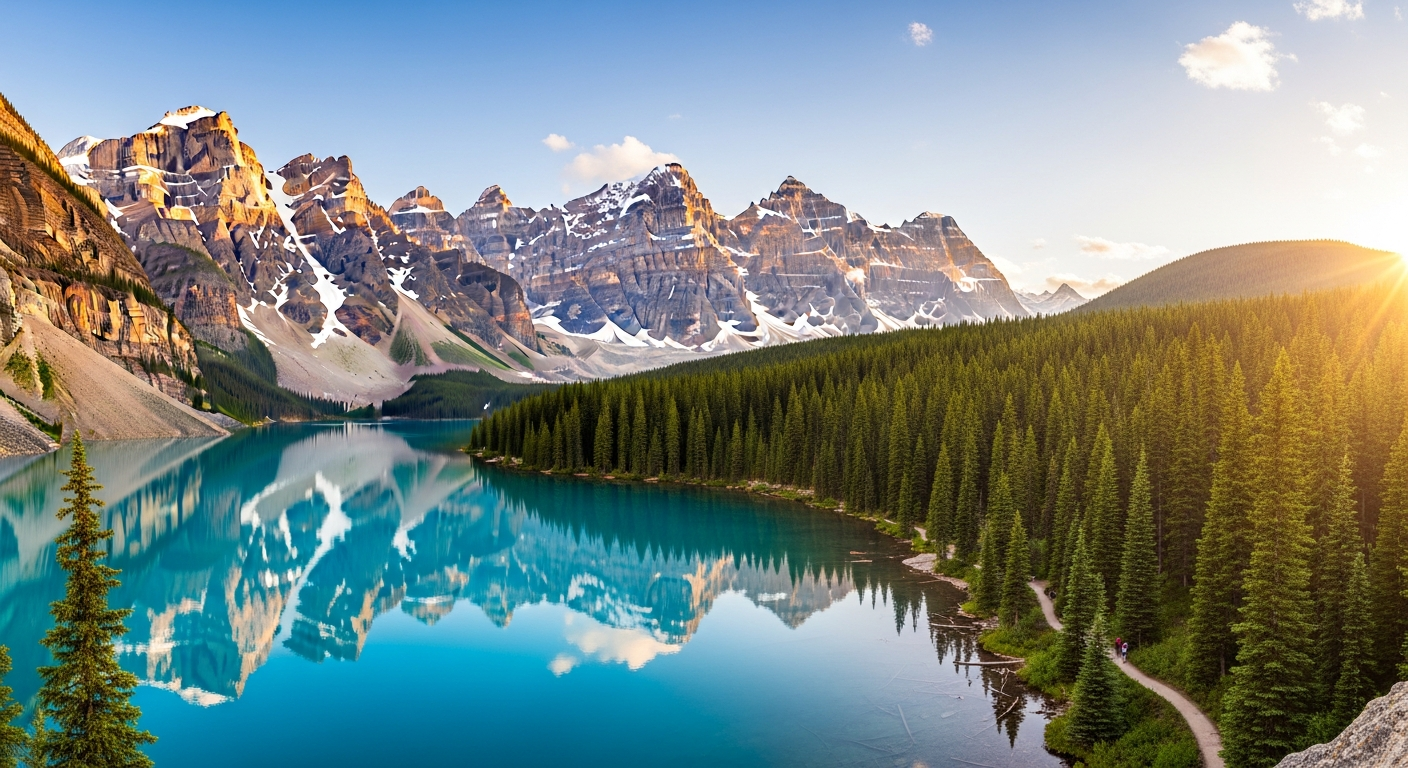
The shuttle continues to Moraine Lake, and this is where your jaw officially drops. The famous Twenty Dollar View (yes, it was on the Canadian $20 bill) is real, and it’s spectacular. The vivid turquoise color comes from glacial rock flour—tiny particles that refract light most magically.
Climb the Rockpile Trail immediately—it’s a 10-minute scramble to the viewpoint everyone photographs. Get there early because it gets congested quickly.
If you’re feeling energetic, the Larch Valley trail is unforgettable. This moderate 8-kilometer hike climbs through alpine meadows to stunning valley views. In late summer, the larches turn golden, creating one of the most photographed landscapes in Canada.
Pack a picnic lunch from Canmore or Banff. The Moraine Lake Lodge restaurant is overpriced and crowded. Find a quiet spot along the lakeshore, spread out your blanket, and soak in views that cost absolutely nothing.
Afternoon: Lake Louise Village & Optional Activities
After returning to Lake Louise village, explore the area around the Fairmont Chateau Lake Louise. Even if you’re not staying here, walk through the lobby—the mountain views through the windows are stunning and completely free.
For adventurous travelers, consider the Lake Agnes Tea House hike. This 7-kilometer round trip climbs to a charming tea house perched beside a pristine alpine lake. Order fresh-baked goods and tea while surrounded by towering peaks. It’s touristy but genuinely special.
Budget-friendly alternative? The Bow River Loop near Lake Louise Campground offers beautiful forest walking, river views, and zero crowds. Sometimes the best experiences are the ones nobody’s posting on Instagram.
Day 3 – The Ultimate Icefields Parkway Adventure to Jasper

Morning: Bow Lake and Peyto Lake Perfection
Wake up early again—8 AM departure is essential for this epic day. The Icefields Parkway (Highway 93 North) is considered one of the most scenic drives on Earth, and you’re about to understand why.
Your first stop is Bow Lake, about 40 minutes north of Lake Louise. The turquoise water reflects Crowfoot Glacier, and the scene is pure Rocky Mountain perfection. Walk to Num-Ti-Jah Lodge for a different perspective and fewer crowds than the main viewpoint.
Peyto Lake comes next, and this is the shot everyone wants. The viewpoint sits high above the lake, revealing its distinctive wolf-head shape and impossible turquoise color. Arrive before 10 AM to beat the tour buses. The upper viewpoint requires a short uphill walk but delivers better photos with fewer people in your frame.
Midday: Columbia Icefield Experience
The Columbia Icefield is where you’ll make a choice. The Glacier Skywalk and Ice Explorer tours are popular but expensive ($150+ per person combined). Here’s the honest truth: They’re impressive engineering feats and offer unique perspectives, but they’re not essential for an unforgettable Banff experience.
If you’re budgeting carefully, skip the paid tours and walk to the Athabasca Glacier toe for free. The short trail from the parking area brings you close to the glacier (don’t walk on it without a guide—it’s dangerous). The views are stunning, and you’ll save $150 for other experiences.
If you’re splurging, the Ice Explorer tour onto the glacier is genuinely cool. You’ll stand on ice thousands of years old and learn about glaciology from knowledgeable guides.
Afternoon/Evening: Jasper National Park Highlights
Continue north to Jasper, stopping at Athabasca Falls along the way. This powerful waterfall thunders through a narrow canyon, and the short walk from the parking area is suitable for all fitness levels. The force of the water is mesmerizing—bring a rain jacket for the spray.
Jasper town feels more authentic and less touristy than Banff. The main street (Connaught Drive) has excellent restaurants, local shops, and a genuine mountain town vibe. Grab dinner at Syrahs of Jasper (Mediterranean-inspired, excellent wine list) or The Raven Bistro (local ingredients, cozy atmosphere).
You have two options for overnight: Stay in Jasper (more relaxed, authentic experience) or drive back to Banff (saves repositioning time tomorrow). Both work—choose based on your energy level and accommodation preferences.
Day 4 – Hidden Gems: Yoho National Park & Kananaskis

Morning: Emerald Lake – The Local Favorite
Yoho National Park sits just west of Lake Louise, and locals consistently rank it as their favorite park. Fewer crowds, stunning scenery, and that authentic wilderness feeling that’s harder to find in Banff proper.
Emerald Lake is the crown jewel—vivid green water surrounded by towering peaks and dense forest. The 5-kilometer Emerald Lake Loop is easy, flat, and absolutely beautiful. Rent a canoe from the boathouse if you want a different perspective (around $90/hour, worth it for the experience).
On your way to Emerald Lake, stop at the Natural Bridge. This quick roadside stop shows the Kicking Horse River forcing through a natural rock bridge—it’s surprisingly impressive for a 5-minute stop.
Afternoon: Takakkaw Falls and the Secret Yoho Valley
Takakkaw Falls is one of Canada’s tallest waterfalls at 373 meters, and the approach is dramatic. The narrow, winding Yoho Valley Road climbs to a parking area where the falls thunder down before you. The spray creates rainbows on sunny afternoons, and the short walk from parking brings you to the base.
For adventurous hikers, the Iceline Trail starts here and delivers some of the most spectacular alpine scenery in the Rockies. It’s challenging (21 kilometers, full day) but unforgettable if you have the time and fitness.
Pack a picnic lunch and eat at one of the viewpoints near Takakkaw Falls. The sound of the waterfall, the mountain air, and the complete absence of commercialization make this a perfect authentic moment.
Late Afternoon: Kananaskis Country Alternative
If you’re craving something different, head to Kananaskis Country instead of Yoho. Grassi Lakes offers stunning turquoise twin lakes with an easy 2-kilometer hike. The color rivals Lake Louise, but you’ll encounter a fraction of the crowds.
Canmore’s downtown has an authentic local scene that Banff sometimes lacks. Visit Grizzly Paw Brewing Company for craft beer and pub food, or The Wood Restaurant for upscale Canadian cuisine. The town feels real—locals actually live here year-round, not just catering to tourists.
These free or low-cost experiences rival Banff’s expensive attractions. Sometimes the best memories come from the places you discover off the main tourist route.
Day 5 – Choose Your Own Adventure: Banff’s Best-Kept Secrets

Your final day offers flexibility based on your interests. Choose the option that speaks to your travel style—all three deliver unforgettable experiences.
Option A: Adrenaline Seekers – Via Ferrata & Mountain Thrills
The Mount Norquay Via Ferrata is an absolute thrill. This guided climbing experience uses fixed cables, iron rungs, and suspended bridges to traverse the mountain face. No climbing experience necessary—guides provide all equipment and instruction. The views are breathtaking, the adrenaline is real, and you’ll feel like a mountain climber for a day (around $150-200 per person).
White water rafting on the Kicking Horse River delivers Class IV rapids and stunning canyon scenery. Several outfitters operate from Lake Louise and Golden, with half-day trips running around $100-120 per person.
Mountain biking enthusiasts should hit the Canmore Nordic Centre trails. These world-class trails hosted the 1988 Olympics and offer everything from gentle cruising to technical challenges.
Option B: Relaxation & Culture – Banff Upper Hot Springs & Cave and Basin
Banff Upper Hot Springs provides the perfect recovery after days of hiking. The historic hot springs pool sits at 1,585 meters elevation with mountain views. The water temperature hovers around 37-40°C (98-104°F), and the mineral content is genuinely therapeutic. Arrive early (before 10 AM) or late (after 7 PM) for a more peaceful soak. Entry is only $10—an absolute bargain.
The Cave and Basin National Historic Site is where Canada’s national park system began. The interpretive exhibits tell the fascinating story of how these hot springs led to the creation of Banff National Park in 1885. The short boardwalk trails around the site offer beautiful views and historical context.
The Sulphur Mountain Gondola is the big splurge option ($70+ per adult). The views from the summit are spectacular, but here’s the insider tip: Hike up the Sulphur Mountain trail for free, then buy a one-way gondola ticket down ($40). You get the summit experience, the workout, and save money.
Option C: Wildlife & Photography – Johnston Canyon & Bonus Hikes
Johnston Canyon is Banff’s most popular hike, which means crowds. Beat them with this strategy: Arrive before 8 AM or after 5 PM. The early morning light is magical, and you’ll have the canyon mostly to yourself.
The paved trail climbs through a dramatic limestone canyon to the Lower Falls (2.4 kilometers round trip) and Upper Falls (5.2 kilometers round trip). Both are stunning, but the real secret is the Ink Pots extension.
Most tourists turn around at Upper Falls. Continue another 2.5 kilometers to the Ink Pots—seven cold mineral springs creating vivid turquoise pools in an open meadow. The pools bubble with carbon dioxide, and the setting is otherworldly. You’ll see maybe 20% of the crowds that mob the main falls.
For wildlife spotting, drive the Bow Valley Parkway (Highway 1A) between Banff and Lake Louise early morning or evening. This scenic alternative route is prime habitat for bears, elk, deer, and wolves. Drive slowly, pull over safely if you spot wildlife, and keep your distance (100+ meters for bears, 30+ meters for elk).
Your Banff Adventure Awaits
Five days in Banff delivers enough memories to last a lifetime. You’ve got the complete blueprint—from iconic lakes to hidden gems, from budget-friendly experiences to splurge-worthy adventures.
The key to an unforgettable trip? Book your shuttle reservations 90 days in advance, start your days early to beat crowds, and balance famous landmarks with authentic local experiences. Don’t try to see everything—you’ll just feel rushed. Instead, immerse yourself fully in each moment.
The Canadian Rockies reward those who plan smart and stay flexible. Weather changes quickly, wildlife sightings happen unexpectedly, and sometimes the best experiences are the ones you never planned.
Ready to start planning? Set that calendar reminder for shuttle reservations, bookmark this guide, and start dreaming about turquoise lakes and towering peaks. Your ultimate Banff adventure is waiting—and summer 2026 will be here before you know it.
What’s your biggest question about planning your Banff trip? Drop a comment below, and let’s make sure your adventure is absolutely perfect.