Portugal travel on a budget 2026

The Golden beaches stretching for miles, historic cobblestone streets winding through medieval towns, world-class wine for €2 a glass, and three-course meals that cost less than a fast-food combo back home. This isn’t a fantasy—it’s Portugal, Europe’s best-kept budget travel secret for 2026.
While most travelers drain their savings in Paris or Rome, Portugal delivers the same stunning scenery, incredible food, and rich culture at a fraction of the cost. I’ve spent months exploring every corner of this country, from Lisbon’s hilltop miradouros to the Algarve’s hidden beaches, and I can tell you with absolute certainty: Portugal is where your travel budget becomes a superpower.
The best part? You won’t sacrifice quality for affordability. Portugal isn’t “cheap” because it’s lacking—it’s affordable because it hasn’t been overrun by mass tourism, and the local culture genuinely values authentic experiences over inflated tourist prices. You’ll eat where locals eat, stay in neighborhoods where real Portuguese families live, and discover that budget travel doesn’t mean missing out—it means traveling smarter.
In 2026, Portugal is perfectly positioned for budget-conscious travellers. New flight routes, improved infrastructure, and a growing digital nomad scene have created more affordable options than ever before. Whether you’re planning a weekend escape or a month-long adventure, this guide will show you exactly how to experience Portugal’s magic without emptying your bank account.
What Makes Portugal Perfect for Budget Travelers in 2026

The Real Numbers: Daily Budget Breakdown
Let’s talk actual costs, not vague estimates. In Portugal, a comfortable daily budget ranges from €45 to €100, depending on your travel style. Compare that to €100-150 in Spain, €120-180 in Italy, or €150-200 in France, and you’ll see why Portugal wins.
For accommodation, expect €25-35 per night in quality hostels with private rooms, €40-60 for charming guesthouses, and €70-90 for boutique hotels in prime locations. These aren’t sketchy budget options—they’re clean, comfortable, and often more authentic than generic chain hotels.
Meals are where Portugal truly shines. Budget €15-20 daily if you’re mixing supermarket breakfasts with local restaurant lunches. Mid-range travelers spending €25-35 can enjoy sit-down meals twice daily, including wine. Even “splurge” days rarely exceed €50 for food, and that includes a nice dinner with drinks.
Transportation costs €5-10 daily for metro passes in cities, while intercity buses run €10-20 for most routes. Train travel costs slightly more but offers stunning views worth every extra euro. Seasonal variations matter: April-May and September-October offer peak value, with prices 20-30% lower than summer while weather remains perfect.
Inflation in 2026 has affected Portugal less dramatically than other European destinations, with tourism costs rising only 5-8% compared to 15-20% in popular spots like Barcelona or Amsterdam. Your daily totals? Budget travelers thrive on €45-60, mid-range comfort sits at €70-90, and even luxury-leaning trips rarely exceed €120-140 per person.
Hidden Advantages Beyond the Price Tag
Portugal’s compact size transforms your budget in unexpected ways. You can breakfast in Lisbon, lunch in medieval Óbidos, and watch sunset in coastal Nazaré—all on a €15 bus ticket. This geography means less money wasted on transportation and more time actually experiencing places.
The country’s free attractions rival paid experiences elsewhere. Lisbon’s miradouros (viewpoints) offer panoramic city views that would cost €15 admission in other capitals. Beaches throughout the Algarve and Costa Vicentina are completely free, with facilities and cleanliness that put many paid beaches to shame. Historic neighborhoods like Alfama, Ribeira, and Bairro Alto cost nothing to explore and deliver Portugal’s most authentic moments.
Portuguese culture values slow living over tourist gimmicks. Locals spend hours at cafés over €1 espressos, making these spots perfect for budget travelers who want to soak up atmosphere without constant spending pressure. The country’s safety and excellent infrastructure mean you won’t lose money to scams, theft, or tourist traps that plague other destinations.
English proficiency runs high, especially among younger Portuguese and in tourist areas. This accessibility means first-time international travelers can navigate confidently without expensive guides or tours, saving money while gaining independence.
2026 Travel Trends Working in Your Favor
New budget airlines have launched direct routes to Porto and Faro, with carriers like Ryanair, EasyJet, and Wizz Air competing aggressively on price. I’ve seen round-trip flights from London for €40 and from other European cities for under €100. From North America, TAP Air Portugal and budget transatlantic carriers increasingly offer competitive fares to Lisbon.
Accommodation competition has intensified beautifully for travelers. The explosion of guesthouses, hostels, and local rentals means hotels can’t charge premium rates anymore. Even in Lisbon’s city center, you’ll find excellent options under €60 nightly—unthinkable five years ago.
Portugal’s digital nomad boom created infrastructure that benefits all travelers. Co-working spaces double as cafés with excellent wifi, long-stay apartments offer better monthly rates, and the overall quality of budget accommodations has risen dramatically to meet remote worker standards.
Government tourism initiatives in 2026 include free museum days, expanded public transportation, and cultural events designed to spread tourism beyond peak season. These programs directly benefit budget travelers seeking authentic experiences without tourist-trap pricing.
Strategic Planning: Maximizing Every Euro Before You Go

Timing Your Trip for Ultimate Value
April through May delivers Portugal’s ultimate sweet spot. Temperatures hover around 18-24°C (64-75°F), perfect for walking cities and enjoying beaches without scorching heat. Tourist crowds remain manageable, prices stay reasonable, and locals are relaxed rather than overwhelmed by peak-season chaos. Spring flowers blanket the countryside, and outdoor cafés buzz with energy.
September and October offer similar advantages with warmer ocean temperatures—ideal if swimming matters to you. The Atlantic stays warm from summer heating, while air temperatures moderate to comfortable levels. Portuguese families return to work and school routines, so you’ll experience destinations as locals do.
Avoid July and August unless you love crowds and premium prices. Accommodation costs spike 40-60%, beaches pack tight, and the heat can be oppressive inland. If summer is your only option, focus on coastal areas and book everything months ahead.
Winter (November-March) brings the lowest prices but unpredictable weather. Southern Portugal and the Algarve remain pleasant, but Lisbon and Porto can be rainy. This season works perfectly for city exploration, museum visits, and experiencing local life without any tourist veneer.
Flight booking windows matter enormously. Book 2-3 months ahead for European flights, 3-4 months for transatlantic routes. Tuesday and Wednesday departures typically cost 15-20% less than weekend flights. The length of stay sweet spot is 10-14 days—long enough to move slowly (saving transportation costs) but not so long that you need to visit expensive secondary destinations.
Choosing Your Base: Where to Stay for Maximum Impact
Lisbon versus Porto sparks endless debate, but budget-wise, Porto wins. Accommodation costs 20-30% less, meals run cheaper, and the compact city center means you’ll walk more and pay for transportation less. That said, Lisbon offers more day-trip options and slightly better flight connections.
The real budget secret? Base yourself in hidden gem cities. Coimbra, home to Portugal’s oldest university, delivers stunning architecture, vibrant student culture, and prices 40% below Lisbon. Évora in the Alentejo region offers Roman ruins, medieval charm, and guesthouses for €35-45 nightly. Aveiro, the “Portuguese Venice,” combines canals, beaches, and affordability with easy access to Porto.
In the Algarve, skip Lagos and Albufeira during peak season—they’re beautiful but overpriced. Instead, base in Tavira for eastern Algarve access or Sagres for dramatic western coastline. These towns maintain authentic character while offering beaches and scenery that rival tourist hotspots at half the cost.
Within major cities, neighborhood selection determines your budget. In Lisbon, Graça and Mouraria offer local flavor, excellent restaurants, and accommodation 30% cheaper than Baixa or Chiado, with tram connections to tourist sites. Porto’s Cedofeita and Bonfim neighborhoods deliver the same advantages over Ribeira’s waterfront premium.
Accommodation strategies matter more than location alone. Hostels with private ensuite rooms cost €35-50 and often include breakfast and social spaces. Local guesthouses (pensões) run €40-60 with personal service that hotels can’t match. Apartment rentals make sense for 5+ night stays, especially if you’ll cook some meals.
Essential Pre-Trip Money-Saving Moves
Flight booking requires strategy beyond just comparing prices. Consider positioning flights—flying into Porto instead of Lisbon can save €50-100 on transatlantic routes. Alternative airports in your departure city often offer budget carrier options that major airports don’t. Be flexible with dates; shifting your trip by even two days can slash flight costs dramatically.
Travel insurance isn’t sexy, but it saves money when things go wrong. Medical coverage prevents devastating costs if you need treatment, while trip cancellation protection guards your investment against unexpected changes. Quality policies cost €40-80 for two-week trips—cheap compared to potential losses.
Credit card strategy matters in Portugal. Use cards with no foreign transaction fees (typically 2-3% otherwise) and favorable exchange rates. Notify your bank before traveling to avoid blocked cards. Withdraw larger amounts less frequently from ATMs to minimize fees, and always decline dynamic currency conversion—let your bank handle the exchange rate.
Book free walking tours before you arrive, especially in Lisbon and Porto where popular tours fill up. These tip-based tours deliver excellent introductions to cities and help you orient yourself for independent exploration. The guides work for tips, so budget €10-15 per person for quality service.
Download essential apps before departure: Google Maps with offline maps, Rome2Rio for transportation planning, TheFork for restaurant reservations and deals, and Moovit for public transit navigation. These free tools prevent expensive mistakes and help you travel like locals.
Transportation Secrets: Getting Around Without Breaking the Bank

Mastering Portugal’s Public Transportation
Portugal’s train system, operated by Comboios de Portugal (CP), offers two distinct experiences. High-speed Alfa Pendular trains connect major cities quickly but cost premium prices—€30-40 for Lisbon to Porto. Regional and InterRegional trains take longer but cost half as much while offering stunning coastal and countryside views. The scenic line from Porto to the Douro Valley exemplifies this perfectly: slower trains cost €12 versus €25 for express service, and the views are the entire point.
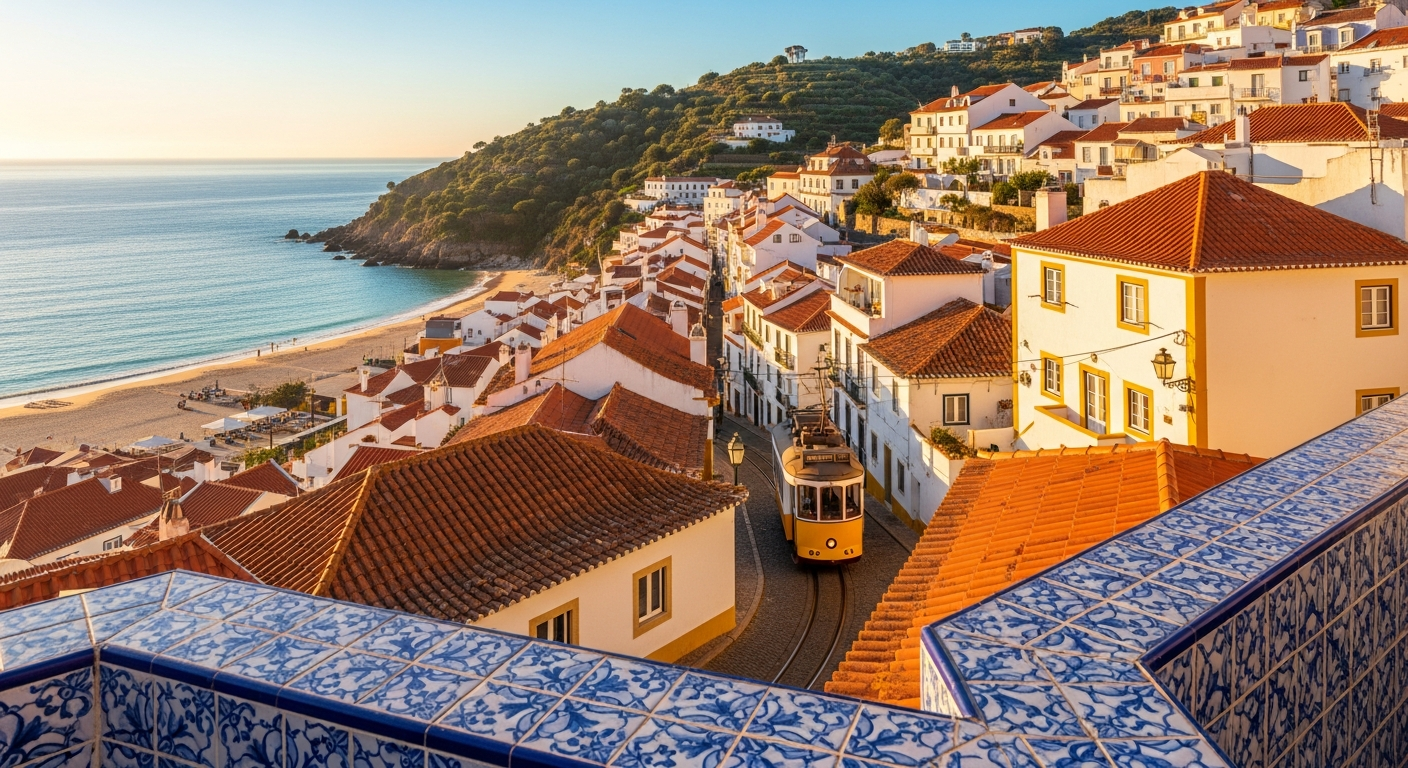
In Lisbon, the metro system is clean, efficient, and affordable. A 24-hour pass costs €6.80 and covers unlimited metro, bus, and tram rides—incredible value considering single tickets run €1.50. The iconic Tram 28 is included, though expect crowds during peak hours. Buy a rechargeable Viva Viagem card for €0.50 and load it with day passes or credit.
Porto’s metro connects the airport to city center for just €2, making it Europe’s best-value airport transfer. The system extends to beaches and neighboring towns, turning your metro pass into a regional exploration tool. Day passes cost €7 and include buses, perfect for reaching Porto’s hilltop neighborhoods.
Buses dominate intercity travel. FlixBus offers the lowest fares—€10-15 for most routes—with comfortable coaches and reliable wifi. Book directly through their app for the best prices. Rede Expressos, Portugal’s national bus company, costs slightly more but serves smaller towns FlixBus skips. Their network reaches virtually every Portuguese destination worth visiting.
Ferry rides provide transportation and sightseeing simultaneously. The Lisbon-Cacilhas ferry costs €1.30 and delivers spectacular Tagus River views with the city as backdrop. Douro River crossings in Porto serve similar double duty. These aren’t tourist boats—they’re local transportation that happens to be scenic.
Day Trips and Regional Travel on a Budget
From Lisbon, Sintra tops everyone’s list, but timing matters for budget travelers. Take the earliest train (€2.30 each way) to beat crowds at Pena Palace and explore the town before tour groups arrive. Pack lunch from a Lisbon supermarket instead of paying inflated Sintra prices. The same train line reaches Cascais, where you can beach-hop for free and enjoy fresh seafood at local prices.
Óbidos makes a perfect half-day trip via bus (€8 round-trip). This medieval walled town requires just 2-3 hours to explore thoroughly, and you’ll avoid paying for lunch at tourist-priced restaurants inside the walls. Combine it with Nazaré (famous for giant waves) for a full day covering two destinations on one €15 bus ticket.
Porto’s day trips deliver exceptional value. The Douro Valley by train costs €12-15 round-trip and provides the same river views that cruise passengers pay €100+ to see. Get off at Pinhão or Peso da Régua, walk through vineyards, and return by evening train. Aveiro and Guimarães both cost under €10 round-trip and offer completely different experiences—canals and beaches versus medieval history.
Rental cars make financial sense in specific situations: traveling with 3+ people, exploring rural Alentejo where buses run infrequently, or planning multiple stops between major cities. Daily rates start around €25-35 for economy cars, but factor in fuel (€1.60-1.80/liter) and tolls. For two people visiting just major cities, trains and buses always win.
BlaBlaCar, Europe’s ride-sharing platform, is Portugal’s secret weapon. Locals regularly post intercity rides for €5-12 per person—half the bus cost. You’ll practice Portuguese, get local insights, and arrive faster than public transit. The platform is well-established and safe, with user reviews and verification systems.
Airport Transfers: First and Last Impressions That Don’t Cost a Fortune
Lisbon Airport sits close to the city, making the metro your best option. The red line connects directly to major stations for €1.50. The Aerobus costs €4 and stops at key hotels and neighborhoods—worth it if you have heavy luggage or arrive during metro off-hours. Taxis run €15-20 to central Lisbon with fixed rates, reasonable if you’re splitting costs or arriving late at night.
Porto Airport’s metro line E reaches the city center in 30 minutes for €2—Europe’s best airport connection value. Trains run until 1 AM, covering most flight arrival times. The system is straightforward with English signage and helpful staff.
Faro Airport serves Algarve destinations with bus connections to major towns. The airport bus reaches Faro city center for €2.35, where you can connect to regional buses heading east or west along the coast. If your Algarve destination is Lagos or Albufeira, direct buses from the airport cost €5-8 and save the hassle of changing in Faro.
Late-night arrivals require planning. If public transport isn’t running, book accommodation offering airport pickup (many hostels and guesthouses provide this for €10-15) or use ride-sharing apps like Uber or Bolt, which cost 30-40% less than traditional taxis. Never accept rides from unlicensed drivers approaching you in arrivals—they’ll overcharge dramatically.
Eating Like a Local: Portugal’s Complete Food Budget Guide

The Secret Menu: Where and What Locals Actually Eat
Tascas and cervejarias are Portugal’s dining treasures—small, family-run restaurants where locals eat daily. They’re hiding in plain sight on residential streets, identifiable by handwritten menus, plastic tablecloths, and the absence of English-speaking staff. These spots serve generous portions of traditional dishes for €7-12, including bread, olives, and wine.
The menu do dia (daily menu) is Portugal’s ultimate budget hack. Available at lunch, these set menus include soup, main course, dessert, drink, and coffee for €8-12. The food is fresh, homemade, and identical to what Portuguese families eat at home. Look for chalkboard signs outside restaurants advertising “Menu do Dia” or “Ementa do Dia.”
The prato do dia (dish of the day) offers similar value without the full menu structure—one hearty main dish with sides for €6-9. These dishes showcase whatever ingredients are fresh that day, ensuring quality while keeping costs down.
Portuguese markets combine shopping and dining brilliantly. Lisbon’s Mercado da Ribeira (Time Out Market) offers gourmet stalls, but the upstairs traditional market sells produce, cheese, and prepared foods at local prices. Porto’s Bolhão Market, recently renovated, delivers authentic market atmosphere with food stalls serving fresh meals for €5-8.
Supermarket strategy saves serious money. Pingo Doce and Continente stock everything needed for picnics, from fresh bread and cheese to wine and pastries. A supermarket breakfast of yogurt, fruit, and pastries costs €3-4 versus €8-12 at cafés. Pack lunch for day trips and save €10-15 per person.
Portuguese breakfast culture revolves around cafés serving espresso (€0.80-1.20) and pastéis de nata (€1-1.50). This iconic custard tart from Belém’s famous bakery costs the same as lesser versions elsewhere—€1.20. Start your day the Portuguese way for under €3 total.
Must-Try Dishes That Won’t Empty Your Wallet
Bacalhau (salted cod) appears in hundreds of preparations, and trying it is mandatory. Budget-friendly versions include bacalhau à brás (shredded cod with eggs and potatoes) and bacalhau com natas (cod with cream), both typically €9-12 at local restaurants. Skip tourist-trap versions charging €18+ for the same dishes.
Porto’s francesinha is the ultimate comfort food—a meat-stuffed sandwich covered in cheese and beer-tomato sauce, served with fries. This massive meal costs €8-12 and easily feeds two people or provides lunch and dinner for one hungry traveler. Every Porto resident has their favorite spot, so ask locals for recommendations.
Seafood in Portugal costs less than you’d expect for this quality. Grilled sardines (sardinhas assadas) are summer staples at €8-10 per portion. Cataplana, a seafood stew cooked in a copper pot, runs €14-18 per person and serves two easily. Buy fresh fish at markets and ask nearby restaurants to grill it for €3-5—common practice that locals use regularly.
Regional specialties vary by area but maintain affordable pricing. Alentejo’s açorda (bread stew with seafood or meat) costs €8-11. The Algarve’s conquilhas (clams) run €7-9. Minho’s caldo verde (kale soup) is €3-4. These dishes represent authentic Portuguese cuisine without tourist markups.
Street food and petiscos (Portuguese tapas) let you sample multiple dishes affordably. Order 3-4 petiscos to share—pataniscas (cod fritters), ameijoas (clams), pimentos de padrón (peppers)—for €12-16 total. Add local wine at €2-3 per glass, and you’ve enjoyed a memorable meal for under €15 per person.
Wine deserves special mention. Portugal produces world-class wines sold for €2-4 per glass at neighborhood tascas. Bottles at supermarkets start at €3-5 for excellent quality. The country’s wine culture means even budget travelers drink better than they would paying premium prices elsewhere.
When to Splurge (and How to Do It Smartly)
Lunch versus dinner pricing creates massive savings opportunities. High-end restaurants charge 40-50% less for lunch menus featuring identical quality and often the same dishes as dinner service. A Michelin-starred lunch in Lisbon or Porto costs €25-40 per person versus €70-100 for dinner.
Several Michelin-starred restaurants offer lunch menus that make splurging accessible. These experiences showcase Portuguese cuisine’s evolution while remaining surprisingly affordable. Reservations are essential—book 2-4 weeks ahead for popular spots.
Port wine cellars in Porto offer tastings ranging from free (with pressure to buy) to €15-20 for premium experiences. The mid-range €8-12 tastings deliver excellent value—you’ll try 3-5 ports with expert guidance and zero sales pressure. Skip the €30+ luxury tastings unless you’re a serious port enthusiast.
Cooking classes and food tours vary wildly in value. Small-group cooking classes (6-8 people) costing €50-70 teach you techniques you’ll use forever and include a full meal. Large food tours charging €80+ often just walk you between tourist restaurants. Research thoroughly and read recent reviews before booking.
Timing your splurges matters. Reserve high-end restaurants for lunch, enjoy port tastings in the afternoon when you’re fresh, and save evenings for affordable neighborhood dining. This strategy lets you experience Portugal’s food scene at every level without breaking your budget.
—
Portugal in 2026 isn’t just affordable—it’s the smartest travel investment you’ll make. Every euro stretches further here, delivering experiences that cost double or triple in other European destinations. You’ll return home with incredible memories, stunning photos, and money still in your account.
The strategies in this guide work because they’re based on how Portuguese people actually live, not tourist industry marketing. You’re not cutting corners or missing out—you’re traveling authentically while others overpay for manufactured experiences.
Start planning your Portuguese adventure today. Book those flights during the next fare sale, mark your calendar for shoulder season dates, and get ready to discover why budget travelers who visit Portugal never stop talking about it. Your affordable European dream trip is waiting, and it’s more accessible than you ever imagined.
*Ready to explore more budget travel secrets? Subscribe to our newsletter for destination guides, money-saving strategies, and insider tips delivered straight to your inbox.*