6 Hidden European Islands Most Tourists Never Find

It’s mid-July, and you’re stretching out on pristine white sand, the only footprints besides yours belonging to a local fisherman who waved hello an hour ago.
The turquoise water laps gently at the shore, and the nearest beach umbrella rental kiosk is… well, it doesn’t exist. This isn’t a fantasy—it’s what happens when you skip the overcrowded hotspots and discover Europe’s truly hidden islands.
You’ve got maybe two weeks of precious vacation time this summer. Do you really want to spend it fighting for a sliver of beach space in Santorini or queuing for three hours to enter a museum in Mykonos? I didn’t think so.
Here’s what most travel guides won’t tell you: While everyone’s flocking to the same ten islands they saw on Instagram, there’s an entire constellation of European islands that remain blissfully undiscovered.
These aren’t second-rate alternatives—they’re often more beautiful, more authentic, and significantly easier on your wallet than their famous neighbors.
What makes these islands still “secret” in an age where nothing stays hidden for long? A perfect storm of factors: limited ferry access, strict development regulations, geographic remoteness, or simply the fact that they’re overshadowed by a more famous neighbor. Some were military zones until recently.
Others are protected nature reserves with controlled visitor numbers. A few are just far enough off the beaten path that mass tourism hasn’t caught up yet.
The window is closing on some of these gems. In the next five years, several will likely join the ranks of “discovered” destinations. But right now, this summer, you can still experience what European travel felt like decades ago—before the selfie sticks and cruise ship crowds arrived.
This guide reveals seven islands where you’ll spend more time experiencing authentic local culture than waiting in lines. Where your biggest challenge is choosing which family-run taverna to try for dinner, not fighting for a restaurant reservation. Where “hidden beach” actually means hidden, not just hashtagged that way.
The Remote Wonders: Islands for True Escapists
Colonsay, Scotland: Where Gulf Stream Meets Wild Highlands
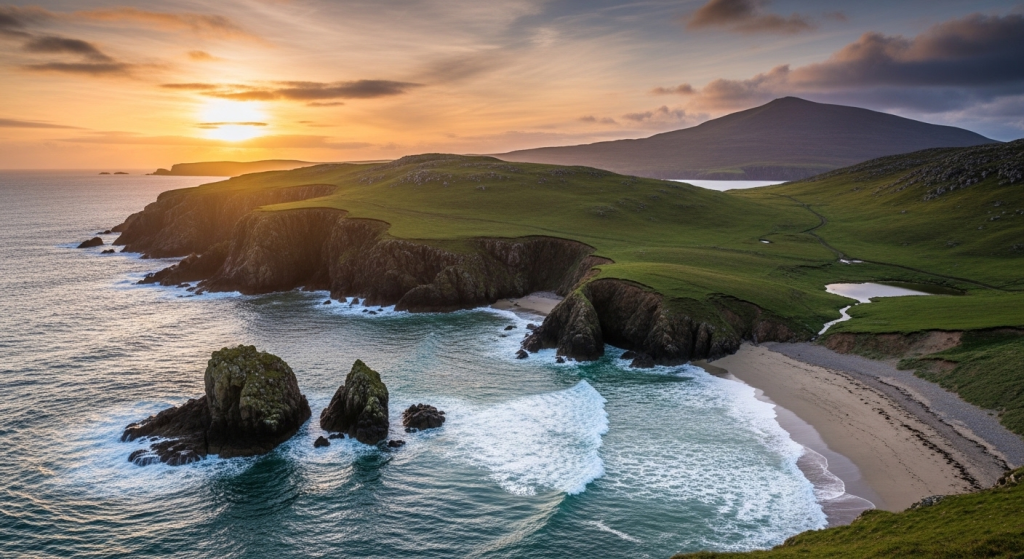
When someone suggests a Scottish island for your summer beach vacation, your first reaction might be skepticism. Let me change your mind: Colonsay delivers white sand beaches and surprisingly blue waters that rival the Mediterranean—with dramatic Highland scenery thrown in for free.
The Secret: The Gulf Stream phenomenon brings a genuinely mild climate to this Hebridean island, creating a microclimate that supports palm trees alongside heather-covered hills.
Kiloran Bay’s sweeping crescent of sand is often empty, even in August. The island’s population hovers around 130 people, and you’ll likely meet half of them at the local pub.
Perfect for: This is your island if you love hiking rugged coastal trails, wild swimming in crystal-clear water (yes, it’s brisk, but invigorating), authentic Scottish pub culture with local musicians, and single malt whisky tasting. The Colonsay Folk Festival in September draws traditional musicians from across Scotland—an unforgettable experience if you can time your visit.
Practical Intel: June through August offers the most reliable weather, though “reliable” in Scotland is relative—pack layers regardless. September brings fewer visitors and often stunning weather, plus the folk festival. Getting here requires planning: ferries from Oban run several times weekly (book months ahead in summer), and the crossing takes about 2.5 hours. Wednesday ferries continue to Islay, perfect if you’re island-hopping.
Accommodation is limited to one hotel, a handful of self-catering cottages, and a few B&Bs. Book at least three months ahead for summer visits. The Colonsay Hotel is your social hub—excellent seafood, local ales, and the island’s only bar where you’ll inevitably chat with locals and fellow travelers.
Budget Breakdown: Expect £80-120 per night for accommodation, £30-40 daily for meals if you mix pub dinners with self-catering, and £25-35 for the ferry (each way). A week here runs £600-900 per person, not including flights to Glasgow or Oban.
The Catch: Weather unpredictability is real. Bring waterproof layers, good walking shoes, and a flexible attitude. If it rains, embrace it—the island’s beauty in mist is haunting and magical.
Vis, Croatia: The Island Time Forgot
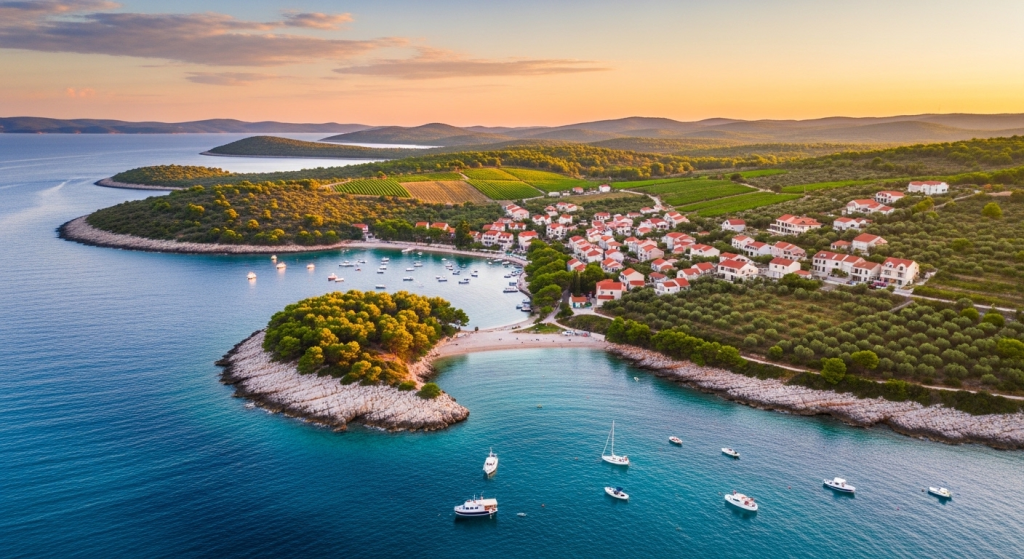
While Croatia’s Dalmatian coast exploded with tourism over the past decade, Vis remained in a time capsule. Why? It was a Yugoslav military base until 1989, closed to foreign visitors and strictly controlled for Croatians. The result: an island that missed the development boom and retained its authentic fishing village character.
What Makes It Breathtaking: Hidden coves accessible only by boat, the stunning Blue Cave on nearby Biševo island, WWII tunnels and bunkers you can explore, and some of the Adriatic’s clearest waters. The island produces wine you literally cannot buy anywhere else—small family vineyards that don’t export.
Practical Intel: Ferries from Split take about 2.5 hours and run multiple times daily in summer. Book tickets online a few days ahead. The island has two main towns: Vis Town (more amenities, better restaurants) and Komiža (quieter, more traditional). Stay in Vis Town for convenience, Komiža for authentic fishing village vibes.
For truly empty beaches, rent a scooter or small boat. Stiniva Cove is stunning but increasingly popular—arrive before 10 AM or after 4 PM. Instead, ask locals about Stončica or explore the coves along the northern coast accessible only by boat or serious hiking.
Family-Run Konobas Worth Every Euro: Skip restaurants with English-heavy menus near the ferry port. Head inland or ask your accommodation host for recommendations. Look for places where locals eat—they’re serving fresh fish caught that morning and vegetables from their own gardens. Expect to pay €15-25 per person for an incredible meal with local wine.
Budget vs. Luxury: Budget travelers can find apartment rentals for €50-70 nightly, eat at konobas, and take public buses around the island. Luxury seekers will love boutique hotels in restored stone houses (€150-250 nightly) and private boat excursions to hidden caves and beaches. The sweet spot: mid-range apartments with scooter rental, mixing konoba dinners with picnic lunches.
Insider Tip: Skip the organized Blue Cave tours from Split (overcrowded, rushed). Instead, book directly with a Komiža fisherman for a private morning tour—you’ll have the cave nearly to yourself and visit lesser-known spots the big tours miss.
The Mediterranean Secrets: Sun, Sea, and Solitude
Hydra, Greece: The Car-Free Paradise
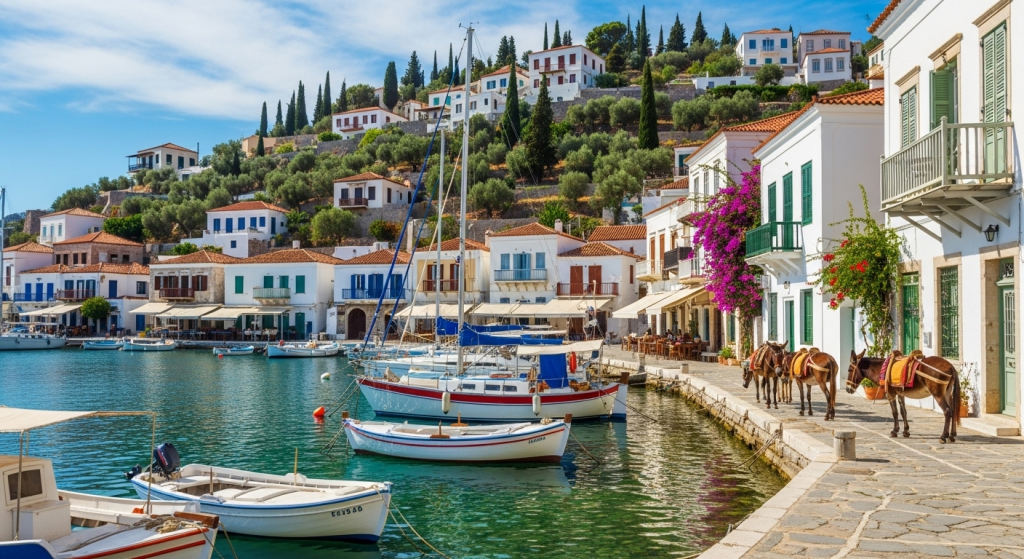
Just 90 minutes from Athens’ port of Piraeus, Hydra feels like it exists in a different century. Strict preservation laws ban cars, motorcycles, and even bicycles. Transportation happens via donkey, water taxi, or your own two feet. This isn’t a gimmick—it’s the island’s soul.
Why It’s Still Secret: While day-trippers from Athens visit, most tourists skip Hydra for Mykonos or Santorini. Those who come rarely stay overnight, missing the island’s true magic when the day boats leave and locals reclaim their evening promenade.
The Complete Experience: Your day begins with coffee at a harborfront café, watching donkeys deliver supplies to hilltop homes. Mornings are for swimming—locals use the rocky platforms around the harbor (bring water shoes), while visitors hike 20 minutes to Vlychos or Kamini beaches for sandy coves. Afternoons mean exploring the town’s labyrinthine streets, discovering art galleries in former sea captains’ mansions. Evenings are for sunset swimming, followed by seafood dinners at family tavernas where the owner’s grandmother might still be making the dolmades.
Practical Planning: Day trip or overnight? Always overnight—preferably two nights minimum. You need time to hike to the island’s remote beaches (Bisti beach is a spectacular 90-minute walk), explore the monastery of Profitis Ilias for panoramic views, and experience the evening atmosphere when day-trippers depart.
Getting around is simple: walk everywhere in town, take water taxis to nearby beaches (€5-10), or hire a donkey for luggage hauling to hilltop hotels. Swimming spots locals actually use include the rocks at Spilia and Avlaki—bring snorkeling gear for the clearest waters.
Best Time to Visit: May and September-October offer perfect weather with far fewer visitors than July-August. June is the sweet spot if you need summer vacation timing—warm enough for swimming, not yet peak-season crowded.
Budget Reality Check: Hydra isn’t cheap—expect €100-200 nightly for hotels, €25-40 per person for dinner. But you’re paying for preserved authenticity and car-free tranquility that’s increasingly rare in Greece. Budget hack: book an apartment with a kitchen, shop at local markets, and save restaurant meals for dinner.
Perfect For: Couples seeking romantic escapes, solo travelers who love walking and swimming, anyone needing a digital detox (WiFi exists but is unreliable—embrace it), and art lovers (the island attracts painters and hosts an annual art festival).
Gozo, Malta: The Island Malta Used to Be
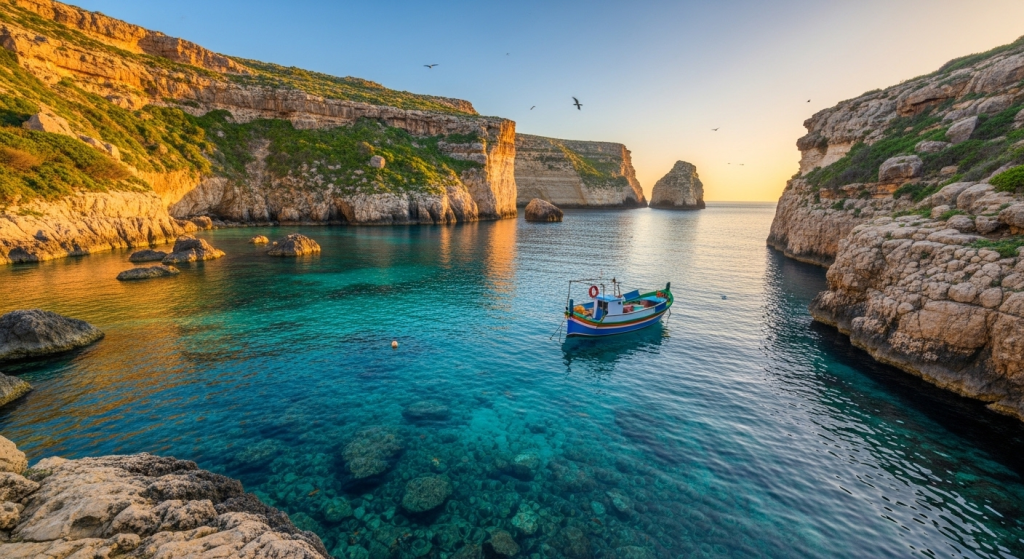
Malta’s smaller sibling island delivers everything tourists love about Malta—honey-colored stone villages, baroque churches, crystal-clear diving, fresh seafood—without the cruise ship crowds and overdevelopment. While Malta welcomes millions of visitors annually, Gozo remains refreshingly low-key.
The Secret: Most Malta visitors never make the 25-minute ferry crossing to Gozo, or they come for a rushed day trip. Stay here instead, using Malta as your day trip.
Stunning Highlights: Yes, the Azure Window collapsed in 2017, but Gozo’s beauty runs deeper. The Inland Sea at Dwejra, the salt pans of Marsalforn (still hand-harvested), the fortified citadel in Victoria, and the red sand beach at Ramla Bay all deliver breathtaking moments. The island’s diving sites rank among Europe’s best—clear visibility, underwater caves, and the wreck of the MV Karwela make this a diver’s paradise.
Practical Breakdown: Ferries from Malta’s Cirkewwa terminal run every 45 minutes and cost about €5 return. The crossing takes 25 minutes—don’t bother bringing a car unless you’re staying a week. Instead, rent a car on Gozo itself (€25-35 daily) and explore at your own pace.
Where to eat like a local: avoid the tourist restaurants in Marsalforn’s main strip. Instead, head to Victoria’s side streets for ftira (Maltese bread) sandwiches, seek out village festas for authentic food stalls, and ask locals about family-run restaurants in Xlendi and Qala. Fresh fish, rabbit stew, and pastizzi (cheese or pea-filled pastries) are your must-tries.
Time-Saving Tips: Rent a car and plan your route strategically—the island is small enough to cover thoroughly in 3-4 days. Mornings for beaches and diving, afternoons for villages and cultural sites (many close 12-4 PM anyway). Don’t try to see everything in one day; you’ll miss the relaxed pace that makes Gozo special.
Hidden Gem Within the Gem: Take a day trip to tiny Comino island, specifically the Blue Lagoon before 10 AM or after 4 PM when tour boats depart. Better yet, hike to the island’s far side for empty coves with equally stunning water.
The Coastal Charmers: Where Bay Villages Steal the Show
Kotor Bay’s Waterside Villages, Montenegro
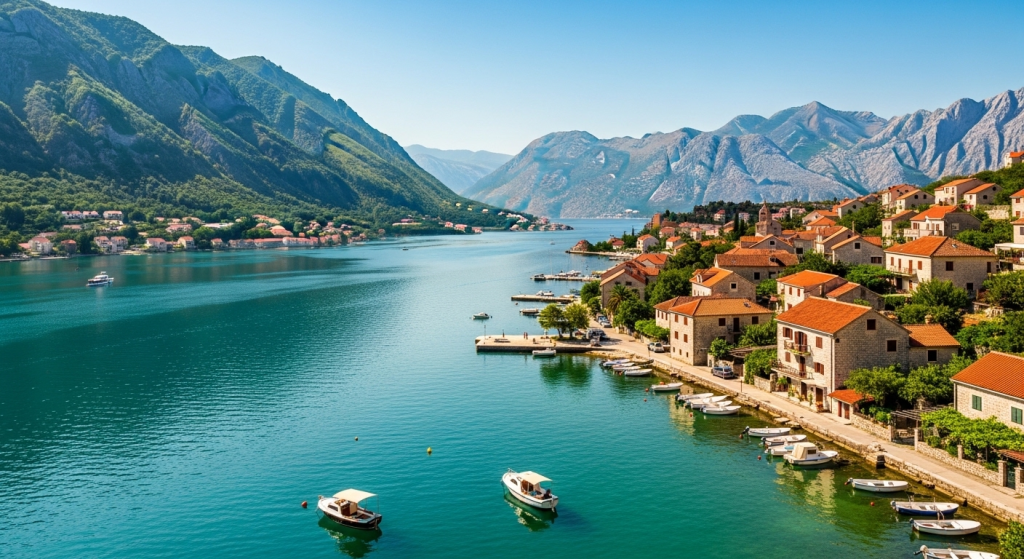
Everyone photographs Kotor’s medieval old town, but the real magic lives in the bay’s lesser-known villages. While cruise passengers flood Kotor for four hours, you’ll be kayaking to tiny islands, sipping coffee on stone terraces, and swimming in water so clear you can see ancient Roman mosaics on the seafloor.
The Secret: Kotor town gets the crowds, but the bay stretches 28 kilometers with dozens of villages that tourists rush past. Perast, Prčanj, Risan, and Dobrota offer everything Kotor has—baroque architecture, waterfront dining, swimming platforms—without the crowds and with better value.
Unforgettable Experiences: Kayak from Perast to the island churches of Our Lady of the Rocks and St. George—you’ll have them virtually to yourself early morning. Swim from Prčanj’s waterfront promenade at sunset, when locals gather for their evening ritual. Explore Risan’s Roman mosaics in someone’s backyard (seriously). Coffee culture here is an art form—find a café with locals, order a macchiato, and watch bay life unfold for an hour.
Practical Guide: Base yourself in Perast or Dobrota, not Kotor town. Why? You’ll pay half the price for better accommodations, sleep peacefully without cruise ship noise, and experience authentic daily life. Perast is more picturesque and tourist-friendly; Dobrota is where locals actually live and work.
Getting around the bay is easy: local buses run frequently (€1-2), water taxis connect villages, or rent a car to explore at your own pace. The entire bay drive takes about 90 minutes, but you’ll want to stop constantly for photos and coffee breaks.
Budget Breakdown: Apartments run €40-80 nightly, meals at local restaurants cost €8-15 per person, and activities like kayak rentals are €10-15 for several hours. A week here costs €400-600 per person—surprisingly affordable for such stunning scenery.
Planning Tip: Yes, combine this with Dubrovnik (just 90 minutes away), but reverse the typical itinerary. Most tourists base in Dubrovnik and day-trip to Kotor. Instead, base in Kotor Bay and day-trip to Dubrovnik. You’ll save money, sleep better, and experience the bay’s morning and evening magic when it’s most beautiful.
Île de Porquerolles, France: The French Riviera’s Best-Kept Secret
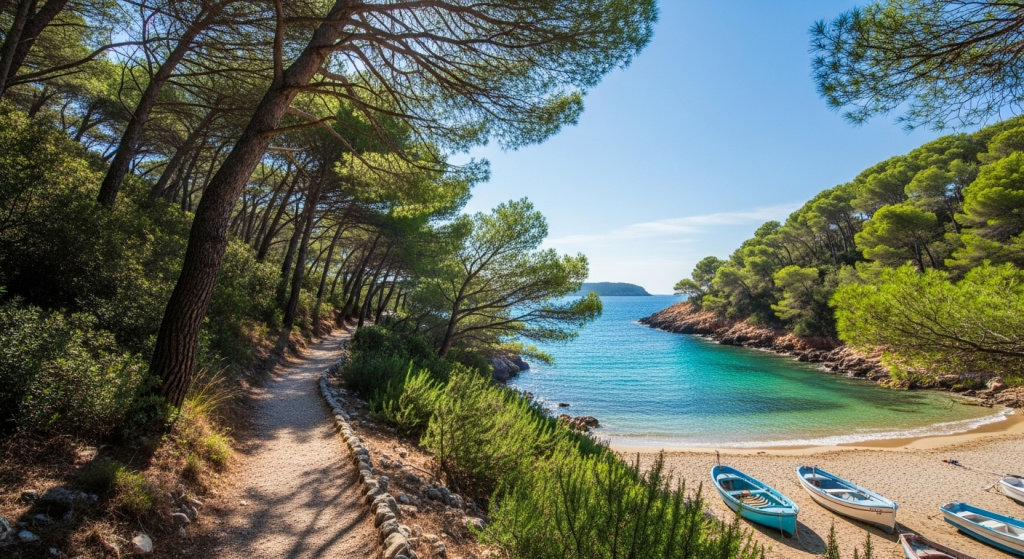
While Saint-Tropez and Cannes drown in yachts and price tags, Porquerolles—just off the Côte d’Azur—remains blissfully car-free and uncommercial. This isn’t because it’s hard to reach; it’s because strict French environmental protections limit development and preserve the island’s natural beauty.
Why It’s Hidden: No cars allowed (except service vehicles), no large hotels, no chain restaurants. The island is 80% protected national park, meaning what you see today is what you’ll see in 20 years. While the French Riviera epitomizes luxury and excess, Porquerolles embodies simple pleasures: cycling through eucalyptus forests, swimming in turquoise coves, and lunching on fresh fish at beach shacks.
The Authentic French Experience: Unlike Saint-Tropez’s see-and-be-seen culture, Porquerolles attracts French families seeking nature and tranquility. You’ll picnic on beaches with locals, cycle past vineyards producing wine you can actually afford, and experience the Riviera as it existed before mass tourism.
Practical Details: Ferries depart from Hyères (not Toulon—common mistake) every 30-60 minutes in summer. The crossing takes 20 minutes and costs about €20 return. Arrive early or late to avoid mid-day crowds—the island fills with day-trippers 11 AM-4 PM but empties beautifully in the evening.
Bicycle rental is mandatory (the only way to explore) and costs €15-20 daily. Reserve ahead in July-August through your accommodation. The island is small—about 7km long—but hilly, so rent an e-bike if you’re not confident cycling.
Beach Guide: Plage Notre Dame (north coast) wins awards as one of France’s most beautiful beaches—white sand, turquoise water, pine forest backdrop. Arrive before 10 AM for space. Plage d’Argent (south coast) is smaller, more sheltered, and less crowded. For total solitude, cycle to the western beaches like Plage de la Courtade’s far end.
Wine Estates You Can Actually Visit: Unlike the Riviera’s exclusive wineries, Porquerolles’ three estates welcome visitors for tastings without appointments. The island’s rosé is exceptional and affordable (€8-15 per bottle). Domaine Perzinsky offers the best views; Domaine de la Courtade has the most interesting varietals.
Budget Considerations: This isn’t budget travel—expect €100-180 for simple hotel rooms, €20-35 per person for meals. But compared to staying in Saint-Tropez (€300+ for hotels, €50+ for meals), it’s remarkably reasonable. Smart strategy: stay in Hyères, ferry over for full days, and enjoy Porquerolles’ beaches and nature without island accommodation prices.
Perfect Timing: Early June or September delivers the ultimate experience—warm swimming weather, fewer crowds, lower prices, and the island’s natural beauty at its peak. Avoid July-August unless you don’t mind sharing beaches with French families on summer holiday.
Planning Your Secret Island Escape: The Complete Strategy
Choosing Your Perfect Match
Not all secret islands suit all travelers. Here’s how to find yours:
Climate Preference: If you need guaranteed sunshine and warm water, stick to Mediterranean options (Vis, Hydra, Gozo, Porquerolles). If you appreciate dramatic weather and don’t mind layers, Colonsay delivers unique beauty. Kotor Bay offers the best of both—Mediterranean climate with dramatic mountain scenery.
Budget Reality Check: Tightest budget? Vis and Kotor Bay deliver incredible value. Mid-range? Gozo and Colonsay offer good value for what you get. Splurge-worthy? Hydra and Porquerolles cost more but justify every euro with preserved authenticity.
Activity Level: Serious hikers and outdoor enthusiasts will love Colonsay’s rugged trails and Gozo’s coastal walks. Beach loungers prefer Vis, Hydra, and Porquerolles. Culture seekers should prioritize Hydra’s art scene and Gozo’s historical sites. Divers must visit Gozo and Vis.
Travel Style: Solo travelers thrive on Hydra and Colonsay (easy to meet people, safe, walkable). Couples seeking romance should choose Hydra or Porquerolles. Families with kids do best on Gozo and Vis (more facilities, easier logistics). Adventure seekers will love Vis and Kotor Bay.
Booking Smart: Timing and Logistics
When to Book: For summer travel, book accommodations 3-4 months ahead for popular islands like Hydra and Porquerolles, 2-3 months for others. Ferries can often be booked closer to travel dates, but check frequency—some islands have limited service requiring advance planning.
Shoulder Season Advantages: May and September-October offer the sweet spot: warm weather, fewer crowds, lower prices, and more authentic experiences. Specific recommendations: Hydra in May, Vis in September, Gozo in October, Colonsay in September, Porquerolles in early June.
Getting There: Most islands require connections—budget extra time and build in buffer days. Flying into major hubs (Athens for Hydra, Split for Vis, Malta for Gozo, Glasgow for Colonsay, Nice for Porquerolles, Dubrovnik for Kotor Bay) then taking ferries or buses is standard. Book major transport first, then fill in local connections.
Where to Stay: For these smaller islands, apartments often beat hotels for value and authenticity. Booking.com and Airbnb work well, but also check island-specific sites and contact properties directly for better rates. How far ahead: 3-4 months for peak season, 6-8 weeks for shoulder season usually suffices.
Making the Most of Your Island Time
The 7-Day Single Island Deep Dive
One week on a single island lets you move beyond tourist mode into genuine relaxation. Sample framework: Days 1-2 for orientation and main sights, Days 3-5 for deeper exploration and favorite spots, Days 6-7 for spontaneity and local connections. This pacing prevents vacation exhaustion while allowing time to discover your own hidden corners.
Build in flexibility—if weather’s perfect, skip the museum for the beach. If it rains, explore villages and tavernas. The beauty of these secret islands is that there’s no rigid itinerary to follow.
The 10-Day Two-Island Combination
Best pairings by region: Vis + Kotor Bay (both Adriatic, similar vibes, 4 hours apart), Hydra + another Greek island, Gozo + Sicily (30-minute ferry). Allow 2 days for travel between islands. Strategic routing: 4 nights first island, 1 travel day, 4 nights second island, 1 buffer day.
The Ultimate 14-Day Island-Hopping Adventure
Three islands in two weeks is the maximum before you’re spending more time traveling than experiencing. Logical combinations: Hydra (4 nights) + Vis (4 nights) + Kotor Bay (4 nights) + 2 travel days. Or Gozo (4 nights) + Vis (4 nights) + Hydra (4 nights) + 2 travel days.
Budget allocation: Expect to spend 30% more on travel days (transport, meals out, shorter accommodation periods). Balance expensive islands (Hydra, Porquerolles) with budget-friendly ones (Vis, Kotor Bay) to average out costs.
The Bottom Line: Your secret island adventure awaits, but these gems won’t stay secret forever. The islands showing signs of “discovery”—Vis especially—will likely see significant tourism growth in the next 3-5 years. Kotor Bay is already on the cusp. Now is genuinely the time to experience these places before they change.
Book that ferry ticket. Pack your swimsuit and sense of adventure. The empty beaches, authentic tavernas, and unforgettable sunsets are waiting. And when you’re sipping wine on a terrace overlooking turquoise water without another tourist in sight, you’ll understand why some secrets are worth keeping—and worth experiencing before everyone else figures them out.
Your next step? Choose your island, check ferry schedules, and start planning. Summer’s coming, and these secret shores are calling your name.