Europe summer travel itinerary

Plan your perfect Europe summer 2026 adventure with this complete itinerary guide. Get insider tips on routes, timing, hidden gems, and day-by-day plans that balance iconic sights with authentic local experiences. Start booking now for the best deals.
You’re sipping espresso at a sun-drenched café in Rome, planning tomorrow’s adventure to a secret beach locals won’t stop raving about. Your accommodation? A charming apartment in Trastevere that cost less than a chain hotel because you booked it 18 months early. This is the magic of planning your Europe summer 2026 trip right now.
I know what you’re thinking—2026 feels far away. But here’s the truth: the travelers who start planning today will experience a completely different Europe than those who wait. They’ll save thousands on flights, secure accommodations in authentic neighborhoods before they’re booked solid, and avoid the “everything’s sold out” panic that hits every June.
Summer 2026 represents a sweet spot for European travel. The post-pandemic chaos has finally settled, infrastructure has improved dramatically, and travel patterns have normalized—meaning you can actually enjoy popular destinations without fighting through impossible crowds. But only if you plan strategically.
This guide delivers exactly what you need: proven itineraries that blend breathtaking bucket-list moments with undiscovered local experiences, month-by-month breakdowns showing when to visit each region, and insider strategies for avoiding tourist traps while maximizing your budget. Whether you’re planning your first European adventure or your fifteenth, these itineraries will transform how you experience the continent.
Why Summer Is the Perfect Time to Visit Europe
Post-Pandemic Travel Has Stabilized (Finally)
The travel landscape has fundamentally transformed since 2020, and summer 2026 marks the point where European tourism hits its stride. Airlines have restored flight routes and added new connections, creating competitive pricing that benefits travelers. I’ve watched booking systems evolve from chaotic to streamlined, with local businesses implementing sophisticated reservation platforms that make planning seamless.
Tourism infrastructure has recovered completely, but with crucial improvements. Hotels and restaurants learned hard lessons about capacity management, leading to better service and more realistic expectations. Popular attractions implemented timed-entry systems that actually work, eliminating those soul-crushing three-hour lines at the Colosseum or Sagrada Família.
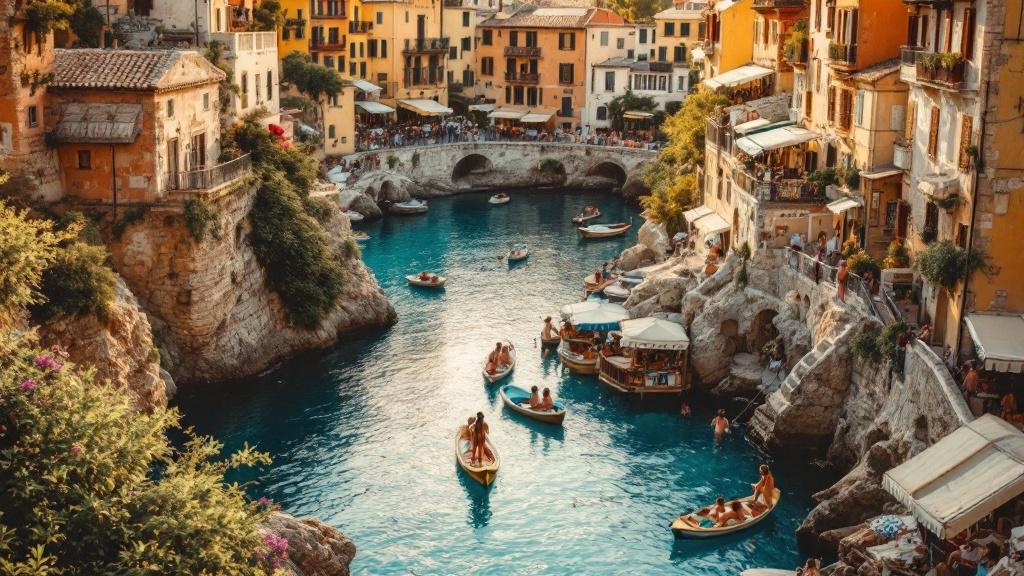
The crowd situation has normalized beautifully. Travel patterns spread more evenly throughout the year as remote work enables flexible scheduling. This means summer hotspots feel less overwhelmed, and you can actually enjoy that stunning Amalfi Coast sunset without elbowing through a hundred other tourists.
Early Planning = Massive Savings and Better Experiences
Booking your Europe summer 2026 trip now delivers financial advantages that border on ridiculous. Airlines release their best fares 11-18 months in advance, and I’ve seen travelers lock in transatlantic flights for $450 roundtrip—prices that jump to $1,200+ by spring 2026. That’s $750 saved per person before you even leave home.
Accommodations in authentic neighborhoods disappear fast. Those perfect apartments in Paris’s Marais district or Rome’s Monti neighborhood? They’re booking now for summer 2026. Wait until spring, and you’ll face limited options in tourist-heavy areas at inflated prices. Early bookers secure prime locations that transform their entire experience.
Popular experiences sell out months ahead. That cooking class in a Tuscan farmhouse, the small-group tour of Pompeii, the sunset sailing trip in Santorini—these authentic experiences have limited capacity. Book now, and you’ll build your dream itinerary. Wait, and you’ll settle for whatever’s left.
The psychological benefit matters too. Knowing your trip is locked in, paid for at 2025 prices, and fully planned eliminates the stress that ruins so many vacations. You’ll spend the next 18 months excited instead of anxious.
What’s New for Summer 2026
Europe’s transportation infrastructure is experiencing a renaissance. New high-speed rail connections launching in 2025-2026 make multi-country travel faster and more sustainable. The expanded Paris-Berlin route cuts travel time to four hours, while improved connections through the Balkans open previously complicated destinations.
Sustainability initiatives have matured beyond greenwashing. Major cities now offer comprehensive eco-conscious travel options—from electric bike-sharing networks to zero-waste accommodations that don’t sacrifice comfort. These programs make responsible travel practical, not just aspirational.
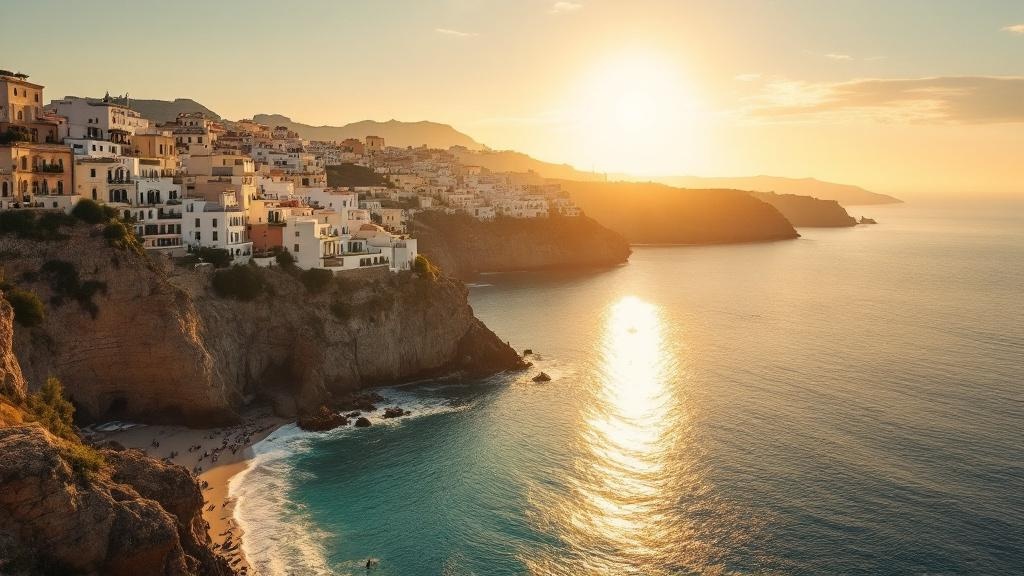
Off-the-beaten-path destinations have developed infrastructure without losing their charm. Albania’s coastline now offers reliable transportation and quality accommodations while maintaining its undiscovered feel. Slovenia’s tourism board invested in visitor services that enhance rather than commercialize experiences. These destinations deliver authenticity with the convenience modern travelers expect.
Digital nomad visas have revolutionized extended European stays. Portugal, Spain, Greece, and Croatia now offer programs allowing stays up to a year, making that dream of “living like a local” actually achievable for remote workers.
Choosing Your Perfect Europe Summer 2026 Route
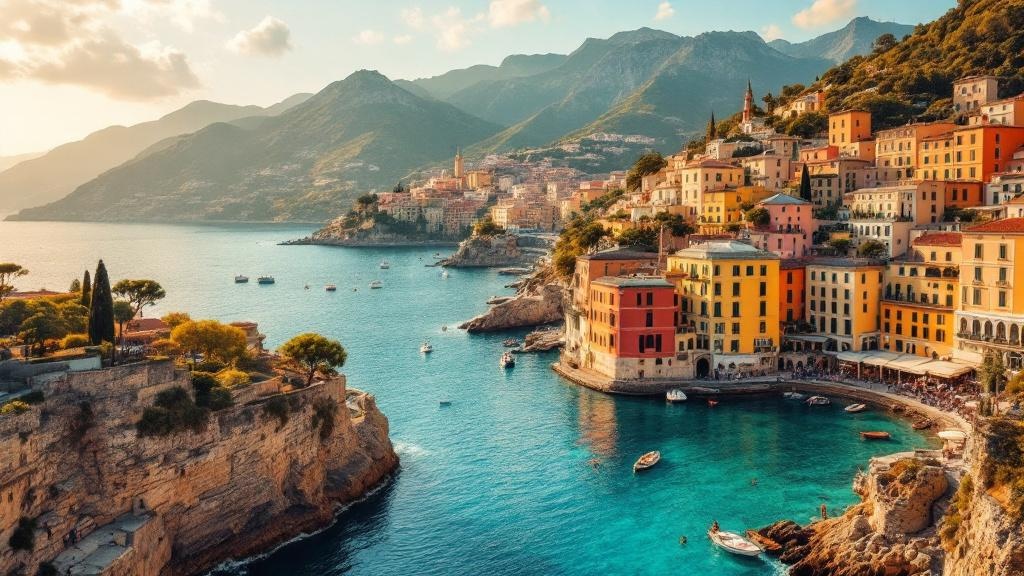
The 3 Core Itinerary Styles (Find Your Match)
The Classic Grand Tour (2-4 weeks) remains unbeatable for first-time visitors who want to experience Europe’s iconic highlights without feeling rushed. This route connects the continent’s breathtaking must-visit cities while incorporating authentic local experiences that prevent tourist-trap syndrome.
Start in London for 2-3 days, exploring beyond Buckingham Palace into neighborhoods like Shoreditch or Notting Hill. Take the Eurostar to Paris, where you’ll spend 3-4 days discovering hidden courtyards in the Marais and picnicking along the Seine like actual Parisians do. The Swiss Alps deliver that jaw-dropping mountain experience—Interlaken or Zermatt work perfectly for 2 days of hiking and scenic train rides.
Venice earns its 2 days despite the crowds if you explore early mornings and evenings in Cannaregio or Dorsoduro. Florence and Tuscany deserve 3-4 days for Renaissance art and day trips to Siena or San Gimignano. Finish with 3 days in Rome, staying in Trastevere and timing your Colosseum visit for opening time.
Budget range sits at $3,500-$8,000 per person including flights, depending on accommodation choices and dining preferences. The authentic twist? Book apartments instead of hotels and skip tourist-trap restaurants for neighborhood trattorias where locals actually eat.
The Hidden Gems Explorer (2-3 weeks) targets return visitors who’ve conquered the classics and crave undiscovered Europe. This route showcases destinations trending upward but still maintaining authentic character—the sweet spot before mass tourism arrives.
Porto launches your journey with port wine cellars and azulejo-covered buildings. The Basque Country delivers world-class gastronomy in San Sebastián and Bilbao. Lyon offers authentic French culture without Paris prices or crowds. Slovenia’s Lake Bled and Ljubljana provide Alpine beauty with Mediterranean warmth. Montenegro’s Kotor Bay delivers fjord-like drama, while Albania’s coastline offers Greek island vibes at fraction of the cost.
Budget range drops to $2,800-$5,500 per person because these destinations offer exceptional value. Your dollar stretches further in Porto than Paris, and Albanian beaches rival Greek islands at 40% less cost.
The Regional Deep Dive (1-2 weeks) maximizes limited vacation time by focusing on one region intensely rather than racing across the continent. This approach delivers immersive experiences and eliminates exhausting travel days.
Options include a Greek Islands circuit (Athens, Santorini, Naxos, Paros), an Iberian Peninsula loop (Lisbon, Porto, Seville, Granada), a Balkans adventure (Croatia, Montenegro, Albania), or a Scandinavian exploration (Copenhagen, Stockholm, Oslo). Budget ranges from $2,000-$6,000 per person depending on the region and travel style.
How to Decide Based on Your Priorities
Time-crunched professionals with only 10-14 days should stick to 2-3 countries maximum. The math is simple: each country transition costs a half-day minimum, and you’ll spend more time in transit than experiencing destinations. Better to know Paris and Rome deeply than glimpse eight cities superficially.
Budget travelers should focus on Eastern and Southern Europe where your money goes further. A week in Croatia, Albania, and Montenegro costs less than four days in Switzerland or Norway, with equally stunning scenery and richer cultural experiences.
Luxury seekers create perfect balance by combining major cities with countryside retreats. Three days in Paris followed by four days in a Provençal villa, or Rome paired with a Tuscan agriturismo, delivers both sophistication and relaxation.
Culture enthusiasts should plan around summer festivals and local events. Edinburgh Festival in August, Bastille Day in Paris, local sagras (food festivals) throughout Italy—these events transform good trips into unforgettable experiences.
The Secret to Avoiding Summer Crowds
Visit popular destinations at shoulder times within summer. Early June catches perfect weather before school holidays unleash families. Late August sees crowds thin as Europeans return to work, but weather remains gorgeous.
Explore major cities mid-week and save weekends for smaller towns. This simple switch means you’ll experience Paris or Rome when locals are there, not when weekend tourists flood in. Conversely, small towns come alive on weekends with markets and festivals.
Book early morning or evening time slots at breathtaking attractions. The Uffizi at 8:15 AM or the Eiffel Tower at sunset offers completely different experiences than midday madness. Many attractions now offer timed entry—use this to your advantage.
Choose lesser-known alternatives that deliver similar experiences without the crowds. Girona offers Catalan charm without Barcelona’s overwhelming tourism. Bologna provides authentic Italian food culture without Florence’s tourist density. These insider moves separate magical trips from frustrating ones.
The Ultimate Month-by-Month Breakdown for Summer 2026
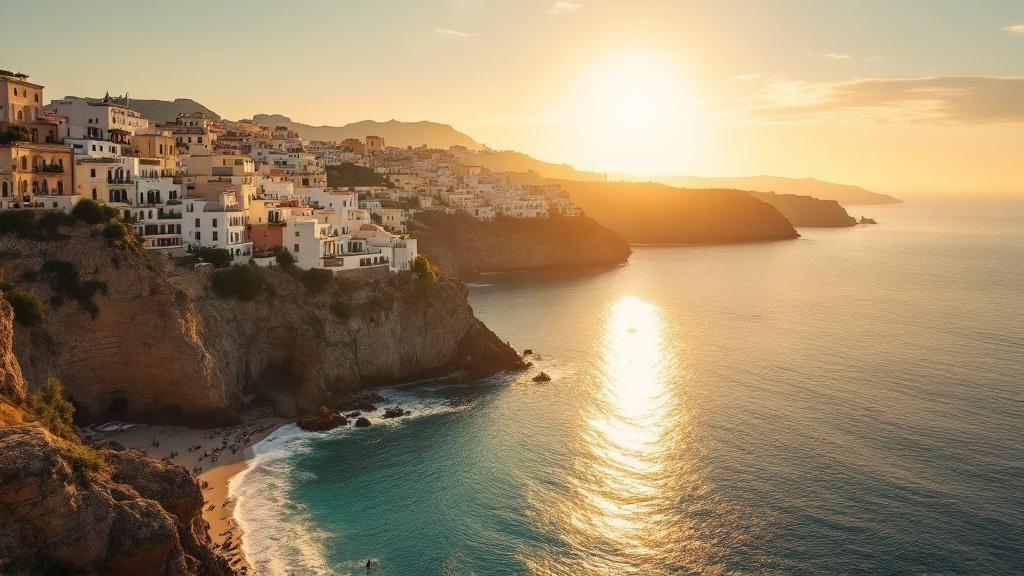
June 2026: Where to Go First
June represents summer’s sweet spot—long days, comfortable temperatures, and manageable crowds before peak season hits. Northern Europe shines brightest this month. Norway’s fjords glow under midnight sun, Scotland’s highlands burst with wildflowers, and Ireland’s countryside glows impossibly green. These destinations deliver stunning landscapes without the harsh weather that plagues them other months.
Mediterranean destinations like Croatia and Greece offer perfect conditions before July’s intense heat arrives. You’ll enjoy beach days without scorching temperatures, explore ancient ruins comfortably, and find better accommodation availability. Hidden gems like Slovenia, Estonia, and the Azores provide breakthrough travel experiences—developed enough for comfortable travel but undiscovered enough for authentic interactions.
Temperature ranges sit comfortably between 18-25°C (64-77°F) across most regions. You’ll pack lighter layers rather than heavy coats or desperate summer gear. Crowds remain moderate because schools stay in session in many countries—families haven’t started summer vacations yet.
Prices run 15-20% lower than July-August rates. This savings compounds across accommodations, tours, and even restaurant reservations. That beachfront hotel in Dubrovnik or apartment in Athens? Significantly cheaper in June.
Events make June special. Midsummer festivals across Scandinavia create magical cultural experiences. Lavender blooms transform Provence into purple paradise—perfect for that Instagram-worthy moment that’s actually worth experiencing. Local festivals in smaller towns offer authentic cultural immersion without tourist-trap vibes.
July 2026: Peak Season Strategy
July demands strategic planning because you’re navigating peak season. Alpine regions deliver their best performance—Switzerland, Austria, and the Dolomites offer perfect hiking weather with mountain wildflowers in full bloom. Cable cars and mountain huts operate full schedules, making high-altitude adventures accessible.
Coastal escapes work if you choose wisely. The Amalfi Coast, French Riviera, and Croatian islands justify their popularity with stunning beauty, but you’ll share them with many others. The insider move? Explore less-obvious coastal areas like Albania’s Riviera, Italy’s Puglia region, or Spain’s Costa Brava—similar beauty, fewer crowds, better value.
Northern capitals like Copenhagen, Stockholm, and Helsinki offer comfortable temperatures when southern Europe swelters. You’ll explore cities in pleasant 20-25°C (68-77°F) weather while Rome hits 35°C+ (95°F+).
Booking everything in advance becomes non-negotiable. Popular restaurants, major attractions, and quality accommodations fill months ahead. That spontaneous travel spirit needs to wait for shoulder season—July requires planning.
Travel mid-week to avoid weekend surges. Arrive in popular destinations Tuesday-Thursday when day-trippers and weekend visitors aren’t competing for space. This timing transforms your experience at crowded sites.
Embrace early mornings and late evenings for popular attractions. The Trevi Fountain at 6:30 AM or Santorini’s sunset spots at 9 PM offer dramatically different experiences than midday chaos. Many travelers sleep late on vacation—use their laziness to your advantage.
August 2026: Smart Timing Moves
August splits into two distinct periods. Early August continues July’s peak season intensity, but mid-August brings interesting dynamics. Many Europeans take their annual holidays, meaning some local restaurants and shops close, but cities feel more authentically local. Tourist areas remain busy, but residential neighborhoods empty out.
Scotland and Ireland shine in August, particularly during Edinburgh Festival—one of the world’s premier cultural events. Book accommodations early because the festival draws global visitors.
Eastern Europe—Poland, Romania, Bulgaria—offers fewer tourists and authentic experiences. These destinations provide rich history, stunning architecture, and genuine cultural immersion without the crowds plaguing Western Europe. Your budget stretches further too.
Mountain regions continue delivering excellent conditions. The Pyrenees, Dolomites, and Swiss Alps offer hiking, via ferrata climbing, and scenic beauty without the intense heat affecting lower elevations.
Southern Europe can be uncomfortably hot. Greece, southern Italy, and inland Spain regularly hit 40°C+ (104°F+). If you visit these areas, plan for afternoon siestas and evening activities. Alternatively, focus on islands where sea breezes moderate temperatures.
Late August offers the ultimate insider timing. Shoulder-season pricing kicks in after mid-month, but weather remains summer-perfect. You’ll save 20-30% on accommodations while enjoying warm, sunny days. This timing delivers the best value-to-experience ratio of the entire summer.
Sample Itineraries: Complete Day-by-Day Plans
The 14-Day Classic with a Twist (First-Timers)
Week 1: Western Europe Highlights
Days 1-3 in Paris establish your European rhythm. Skip the Louvre crowds on day one—instead, explore Montmartre’s cobblestone streets and artist squares. Day two hits major sights strategically: Eiffel Tower at opening time (9 AM), Seine river cruise mid-morning, afternoon in the Marais district exploring vintage shops and cafés. Day three ventures to Versailles early, returning for an evening picnic along Canal Saint-Martin where locals gather.
Days 4-5 in the Swiss Alps deliver breathtaking mountain experiences. Interlaken or Zermatt both work beautifully—Interlaken offers adventure sports and easy access to Jungfraujoch, while Zermatt provides car-free Alpine charm with Matterhorn views. Spend one day on a mountain excursion (Schilthorn or Gornergrat), another hiking to a mountain lake and exploring the village.
Days 6-7 in Venice require strategy. Arrive afternoon on day six, check into your accommodation in Cannaregio or Dorsoduro (not near San Marco), then explore hidden canals and local bacari (wine bars) for cicchetti. Day seven starts at 7 AM in San Marco Square before crowds arrive, followed by a vaporetto ride to Burano’s colorful houses, returning for evening aperitivo in a locals-only campo.
Week 2: Italian Romance + Surprise Ending
Days 8-10 explore Florence and Tuscany. Florence deserves two full days—Uffizi Gallery at opening time, climbing the Duomo, wandering Oltrarno’s artisan workshops, and evening gelato at Vivoli (not the tourist traps). Day ten takes you into Tuscany—rent a car for flexibility or join a small-group tour to Siena and San Gimignano, stopping at vineyards for wine tasting.
Days 11-12 in Rome require prioritization. Day eleven hits ancient Rome: Colosseum and Forum at 8:30 AM (pre-book skip-the-line), followed by afternoon in Trastevere’s winding streets and evening at a neighborhood trattoria. Day twelve explores Vatican Museums (early entry essential), then afternoon discovering lesser-known churches and piazzas, ending with sunset from Gianicolo Hill.
Days 13-14 add the surprise element that elevates this itinerary. Cinque Terre offers coastal hiking between colorful villages and stunning sea views—perfect for active travelers. Lake Como provides luxurious relaxation with mountain-backed lake scenery and charming towns like Bellagio and Varenna—ideal for those craving tranquility after city intensity.
Budget breakdown: $4,200-$7,500 per person including transatlantic flights, trains between cities, mid-range accommodations (mix of hotels and apartments), meals, and attraction tickets. Budget-conscious travelers hit the lower end by choosing apartments with kitchens, taking advantage of supermarket picnics, and booking trains early. Luxury seekers reach the higher end with boutique hotels, Michelin-starred dinners, and private tours.
The 21-Day Hidden Europe Adventure
Week 1: Iberian Secrets
Days 1-3 in Porto introduce Portugal’s second city, criminally underrated compared to Lisbon. Explore the Ribeira district’s colorful buildings, cross Dom Luís I Bridge for sunset views, tour port wine cellars in Vila Nova de Gaia, and take a day trip up the Douro Valley for vineyard visits and river scenery. Stay in a renovated townhouse in the historic center.
Days 4-5 in Basque Country deliver world-class gastronomy. San Sebastián’s Old Town offers pintxos crawling (like tapas but better)—hit multiple bars, ordering one pintxo and drink at each. Spend a day at La Concha beach, hike up Monte Urgull for views, and splurge on one Michelin-starred meal. Day five explores Bilbao’s Guggenheim Museum and industrial-chic transformation.
Days 6-7 in Barcelona balance iconic sights with local life. Yes, see Sagrada Família and Park Güell (pre-book tickets), but stay in Gràcia neighborhood where locals actually live. Explore neighborhood plazas, shop at local markets, and eat where you don’t hear English. Take an evening stroll along Barceloneta beach as locals do.
Week 2: Mediterranean Magic
Days 8-10 in Lyon offer authentic French culture without Paris prices or pretension. This gastronomic capital delivers exceptional bouchons (traditional restaurants), traboules (hidden passageways), and a perfect blend of historic and modern. Day trip to Beaujolais wine region or Pérouges medieval village.
Days 11-13 split between Lake Como and the Dolomites, depending on your preference. Lake Como provides Italian elegance—ferry between Bellagio, Varenna, and Como town, villa gardens, and lakeside dining. The Dolomites offer dramatic mountain scenery, hiking trails, and authentic Alpine culture in towns like Cortina d’Ampezzo or Val Gardena.
Day 14 in Ljubljana, Slovenia’s charming capital, surprises everyone. This walkable city offers castle views, riverside cafés, and a relaxed atmosphere. The dragon bridge, central market, and Metelkova alternative culture district pack into one perfect day.
Week 3: Balkan Discovery
Days 15-17 in Croatia focus on Split or Dubrovnik. Split offers better value and authenticity—explore Diocletian’s Palace, island-hop to Hvar or Brač, and enjoy seafood on the Riva promenade. Dubrovnik delivers Game of Thrones locations and stunning Old Town walls but comes with higher prices and more crowds.
Days 18-19 in Montenegro’s Kotor Bay provide fjord-like drama in a Mediterranean climate. Climb Kotor’s city walls for breathtaking views, explore the Bay of Kotor by boat, and discover Perast’s tiny islands. Stay in a renovated stone house in the Old Town.
Days 20-21 in Albania close your journey with undiscovered beaches and ancient sites. Saranda offers Greek island vibes without the prices—explore nearby Ksamil beaches and Butrint archaeological site. Alternatively, Berat’s Ottoman architecture and hillside setting provide cultural immersion. Albania delivers the “I discovered this before everyone else” feeling increasingly rare in Europe.
Budget breakdown: $3,500-$6,000 per person including flights, trains and buses between cities, mid-range accommodations, meals, and activities. This itinerary costs less than the Classic Grand Tour because Eastern European and Balkan destinations offer exceptional value—your money goes 40-60% further in Albania, Montenegro, and Portugal compared to Switzerland or France.
The 10-Day Regional Deep Dive: Greek Islands
Days 1-2 in Athens establish your Greek foundation. Explore the Acropolis at opening time (8 AM in summer), wander Plaka’s narrow streets, and discover Anafiotika’s Cycladic-style houses tucked under the Acropolis. Day two takes you to Cape Sounion for sunset at Poseidon’s Temple—this day trip delivers dramatic coastal scenery and ancient ruins without the crowds.
Days 3-4 in Santorini require managing expectations and maximizing experiences. Yes, it’s touristy and expensive, but the caldera views justify the hype. Stay in Oia for iconic sunsets but explore Pyrgos village and Megalochori for authentic local life. Visit Red Beach and Akrotiri archaeological site, then spend evenings at local tavernas away from the caldera.
Days 5-6 in Naxos provide the authentic island experience Santorini once offered. This larger island balances stunning beaches (Plaka, Agios Prokopios) with mountain villages (Apiranthos, Halki), ancient ruins (Temple of Apollo, Portara), and genuine local culture. Rent a car or ATV to explore independently. Stay in Naxos Town (Chora) for the best base.
Days 7-8 split between Paros or Milos, depending on your vibe. Paros offers charming villages (Naoussa, Lefkes), excellent beaches, and a perfect blend of development and authenticity. Milos provides volcanic landscapes, unique beaches (Sarakiniko’s lunar-like rocks, Kleftiko’s sea caves), and fewer tourists. Both islands deliver local tavernas where fishing boats still bring in daily catches.
Days 9-10 return to Athens with time for what you missed initially or a final day trip. Hydra offers car-free island charm just 90 minutes by ferry. Delphi provides ancient ruins in a mountain setting. Or simply explore Athens neighborhoods like Koukaki or Exarchia, discovering the city locals know.
Why this works: Deep regional dives eliminate exhausting travel days and let you experience destinations rather than photograph them. You’ll develop routines—favorite breakfast spots, evening walks, local connections—that transform tourism into temporary residency. Island hopping in Greece works perfectly because ferries connect destinations efficiently, and each island offers distinct character. Budget ranges from $2,500-$5,000 per person depending on accommodation choices (budget pensions versus boutique hotels) and dining preferences (tavernas versus upscale restaurants).
Your Europe Summer 2026 Journey Starts Now
The difference between a good European vacation and an unforgettable adventure comes down to planning. The travelers who book their summer 2026 trips now will experience a completely different Europe—staying in authentic neighborhoods before they’re discovered, saving thousands on flights and accommodations, and exploring without the “everything’s sold out” stress that plagues last-minute planners.
You’ve got the roadmap: proven itineraries balancing iconic highlights with hidden gems, month-by-month timing strategies for avoiding crowds, and complete day-by-day plans you can implement immediately. Whether you’re drawn to the Classic Grand Tour’s breathtaking must-visit destinations, the Hidden Europe Adventure’s undiscovered treasures, or a Regional Deep Dive’s immersive experiences, your perfect itinerary exists in these pages.
Start with three actions today. First, decide which itinerary style matches your travel personality and priorities. Second, set up flight alerts for your preferred dates—prices fluctuate, and early booking delivers massive savings. Third, research accommodations in the neighborhoods I’ve recommended and bookmark properties that match your budget and style.
Summer 2026 will arrive faster than you imagine. The question isn’t whether you’ll visit Europe—it’s whether you’ll experience the authentic, magical version available to travelers who plan, or settle for whatever’s left when you finally get around to booking. Your ultimate European adventure awaits. The only question is: are you ready to claim it?