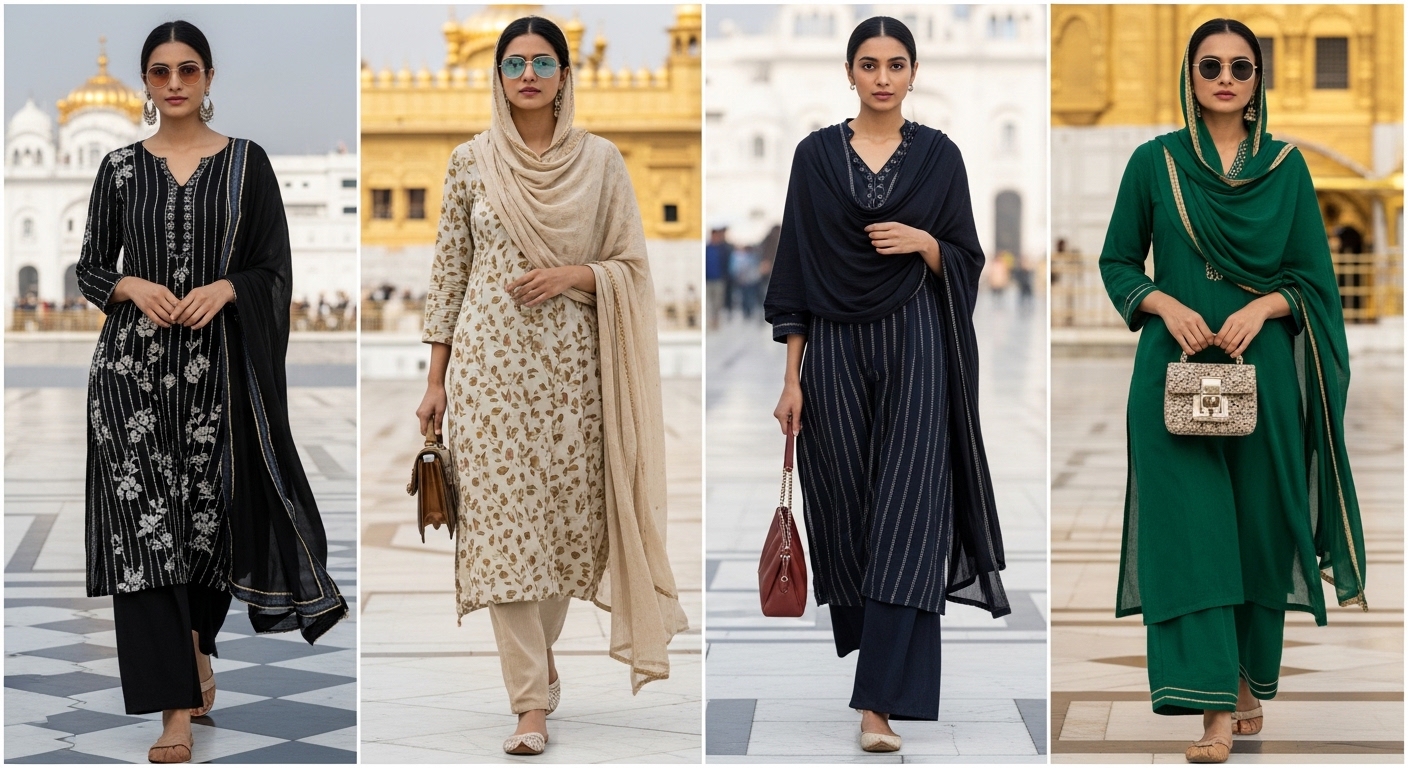
9 Golden Temple Amritsar Outfit Ideas for Women

You’re planning your spiritual journey to the breathtaking Golden Temple in Amritsar, scrolling through stunning Instagram photos of the sacred shrine reflecting in the holy waters. You’ve booked your tickets, researched the history, but suddenly panic sets in—what on earth are you going to wear?
Here’s the thing: visiting the Golden Temple isn’t like planning a regular vacation outfit. You’re navigating the intersection of spiritual respect, cultural traditions, and your personal style. And let’s be honest—you still want to look absolutely stunning in those photos that’ll live forever on your feed.
I’ve been there. Standing in front of my closet, wondering how to honor the sanctity of this sacred space while still feeling like myself. The good news?
You don’t have to sacrifice style for modesty or comfort for fashion. The Golden Temple dress code actually opens up incredible opportunities to explore elegant, sophisticated looks that photograph beautifully against that iconic golden backdrop.
This guide delivers exactly what you need: nine carefully curated outfit ideas that respect tradition while celebrating your personal style. We’re talking about looks that’ll keep you comfortable during hours of walking, won’t have you constantly adjusting your dupatta, and will make you feel confident and beautiful. Whether you’re a minimalist who loves clean lines or someone who adores vibrant colors and prints, these outfits work for every aesthetic. You’ll discover specific styling tips, budget-friendly shopping recommendations, and insider tricks that’ll transform good outfits into unforgettable ones. Ready to plan the perfect Golden Temple wardrobe? Let’s dive in.
Understanding Golden Temple Dress Code Essentials
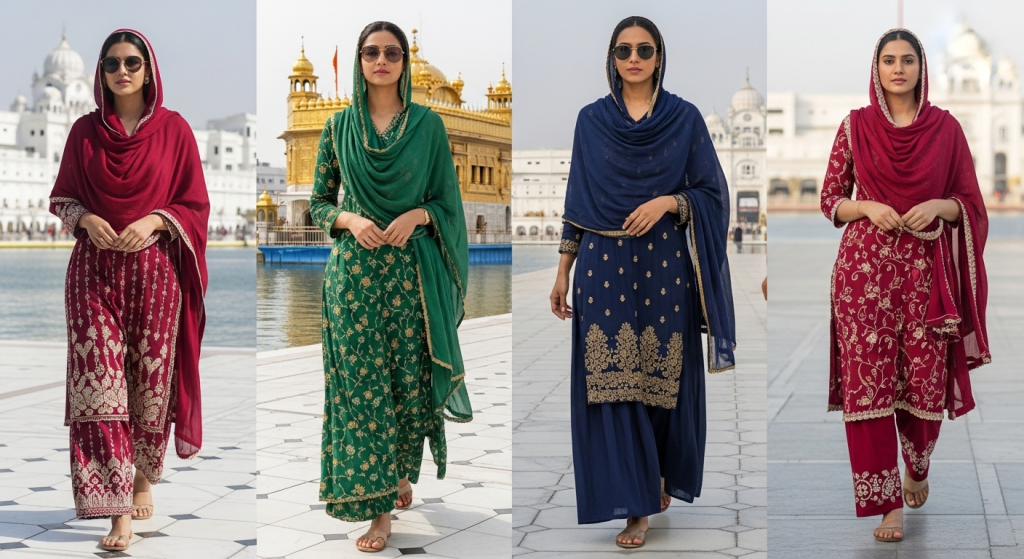
The Non-Negotiable Rules Every Visitor Must Follow
The Golden Temple welcomes everyone, but respect for the sacred space means following specific guidelines. Your head must be covered at all times—this isn’t optional, and yes, they provide orange scarves if you forget, but planning your own coordinated head covering elevates your entire look. Your legs need full coverage, which means no shorts, short skirts, or cropped pants. Shoulders must be covered too—sleeveless tops won’t cut it here, even with a dupatta draped over.
Here’s what many first-time visitors miss: these rules actually work in your favor. The dress code naturally guides you toward elegant, flowing silhouettes that photograph beautifully. Long kurtas, palazzo pants, and draped dupatttas create movement and dimension in photos that Western casual wear simply can’t match. You’re not restricted—you’re empowered to explore a sophisticated aesthetic that suits the setting perfectly.
Footwear gets checked at the entrance, so you’ll be walking barefoot on marble that ranges from pleasantly cool to scorching hot depending on the time of day. This means your shoes matter less than usual, but comfortable walking shoes for the journey there make sense. Save the fancy juttis for photos outside the complex.
Why Traditional Meets Trendy Works Best Here
The Golden Temple’s architecture deserves outfits that complement rather than compete with its magnificence. Bold, contemporary Western styles—think graphic tees, ripped jeans, or athleisure—clash with the environment and honestly look out of place in photos. Traditional Indian wear harmonizes with the setting, creating cohesive, timeless images you’ll treasure.
But traditional doesn’t mean boring or outdated. Modern interpretations of classic silhouettes deliver that perfect balance. A contemporary kurta with clean lines and minimal embroidery looks fresh and current while respecting tradition. Palazzo pants in trendy colors like millennial pink or sage green update the classic salwar kameez. Geometric prints and modern color blocking transform traditional pieces into fashion-forward statements.
This approach serves you beyond just aesthetics. When your outfit naturally fits the environment, you feel more comfortable and confident. You’re not second-guessing your choices or feeling self-conscious. You blend into the spiritual atmosphere while still expressing your unique style—that’s the sweet spot we’re aiming for.
Fabric Choices That Keep You Comfortable All Day
Amritsar’s climate demands smart fabric choices. Summers bring intense heat, while winters can surprise you with genuine cold. Cotton reigns supreme for warm weather visits—it breathes beautifully, absorbs moisture, and keeps you cool even when the sun beats down on that marble courtyard. Cotton voile, mulmul, and khadi offer lightweight comfort without sacrificing style.
Linen blends provide that elevated, polished look while maintaining breathability. A linen kurta looks expensive and sophisticated in photos while keeping you comfortable through hours of walking and sitting. Rayon works well too, draping elegantly and resisting wrinkles better than pure cotton.
For winter visits, pashmina shawls, wool blends, and layered cotton outfits deliver warmth without bulk. The key is versatile pieces you can layer—a long-sleeved kurta with a warm dupatta lets you adjust as you move between sunny courtyards and shaded areas.
Avoid synthetic fabrics like polyester or heavy silks during summer months. They trap heat, cause sweating, and photograph with an unflattering sheen in bright sunlight. Save your silk suits for air-conditioned restaurants and evening outings. At the Golden Temple, natural fibers deliver comfort and style in equal measure.
Outfit Idea #1 & #2: Classic Salwar Kameez Combinations
The Timeless Yellow Suit That Photographs Like a Dream
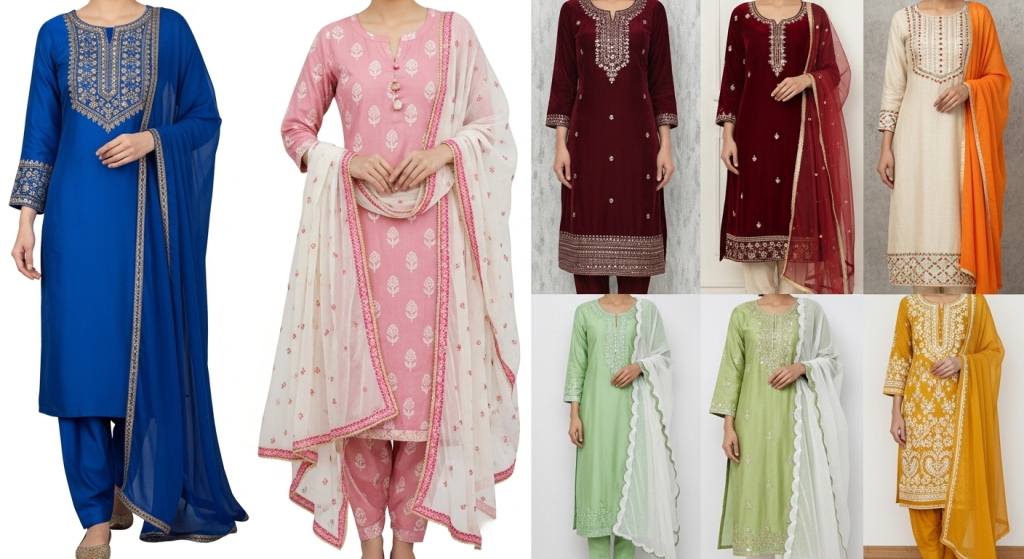
Yellow isn’t just trendy—it’s practically made for Golden Temple photography. The color creates stunning visual harmony with the temple’s golden facade, making your photos look intentionally coordinated and professionally styled. A yellow salwar kameez delivers instant sophistication without any complicated styling decisions.
Choose a suit with subtle embroidery or prints rather than heavy work—it photographs better and won’t overwhelm the temple’s grandeur. A chikankari or block-printed yellow suit offers that elevated, polished aesthetic without trying too hard. The delicate white embroidery on yellow creates beautiful texture in photos while maintaining an elegant, understated vibe.
For the perfect shade, consider mustard yellow for deeper skin tones—it adds warmth and richness. Fair skin tones shine in lighter, buttery yellows that create soft, romantic photos. Medium skin tones can rock almost any yellow shade, so experiment with what makes you feel most confident.
Styling this look requires minimal effort. Pair your yellow kurta with matching or white bottoms—either traditional salwar, churidar, or contemporary cigarette pants. Drape your dupatta over your head, letting it flow naturally over one shoulder. Add simple jhumkas or chaandbalis in silver or gold, and you’re photo-ready. A small potli bag in contrasting colors like royal blue or deep maroon adds that perfect pop of interest.
The beauty of this outfit lies in its versatility. It works for morning visits when the light is soft and golden, afternoon when you need something that doesn’t show dust or sweat, and evening when the temple illuminates and you want your outfit to glow in those magical photos.
The Elegant White and Pastel Combination
White salwar kameez sets embody purity, simplicity, and timeless elegance. There’s something inherently graceful about an all-white outfit against the Golden Temple’s ornate architecture—it creates striking contrast that makes you the focal point of every photo while maintaining appropriate reverence for the sacred space.
The challenge with white is making it interesting enough to stand out without adding excessive embellishment. The solution? Texture and silhouette. Choose white kurtas with subtle self-embroidery, lace details, or interesting necklines. An asymmetric hem, side slits, or layered construction adds visual interest without color. Pair with white palazzo pants or straight-cut pants for that modern, streamlined look that photographs beautifully from every angle.
Since white can sometimes appear washed out in bright daylight photos, add depth with a colorful dupatta—mustard, deep pink, or orange work wonderfully. This simple trick adds visual interest to your outfit while maintaining that classic, modest appearance. Complete the look with oxidized silver jewelry for that trendy-yet-traditional balance that fashion-conscious travelers love.
Pastel variations offer another sophisticated option. Powder blue, blush pink, mint green, or lavender salwar kameez sets create soft, romantic photos with an ethereal quality. These colors photograph exceptionally well during golden hour (early morning or late afternoon) when the light is warm and diffused.
Budget-conscious shoppers will love that white and pastel suits remain wardrobe staples long after your trip. Unlike trendy colors that date quickly, these versatile pieces work for numerous occasions—festivals, family gatherings, religious ceremonies, or casual ethnic wear days. You’re investing in a piece that delivers value beyond a single photo opportunity.
Outfit Idea #3 & #4: Contemporary Kurta and Palazzo Sets
The Printed Kurta with Solid Palazzo Power Combo
This combination delivers maximum style impact with minimal effort—exactly what smart travelers need. A printed kurta paired with solid palazzo pants creates visual interest without overwhelming your frame or competing with the temple’s intricate architecture. The contrast between pattern and solid creates a balanced, polished look that photographs professionally.
Choose kurtas with prints that complement rather than clash with the Golden Temple’s aesthetic. Floral prints in jewel tones, geometric patterns in contrasting colors, or traditional motifs like paisley and block prints work beautifully. Avoid overly busy prints with multiple competing colors—they photograph chaotically and distract from your face in photos.
The palazzo pant silhouette deserves special attention because it’s genuinely flattering on every body type. The wide-leg cut elongates your frame, the high waist defines your silhouette, and the flowing fabric moves beautifully as you walk—creating those coveted candid shots where your outfit seems to dance. Plus, palazzos offer unmatched comfort for a full day of walking, sitting cross-legged, and navigating stairs.
Color coordination matters here. If your kurta features multiple colors, pull one shade for your palazzo pants. A multicolor floral kurta with pink, yellow, and green looks stunning with solid pink or yellow palazzos. This creates cohesion without being too matchy-matchy—a sophisticated styling technique that elevates your entire look.
Brands like Libas, Biba, and Rangmanch offer stunning kurta-palazzo sets between ₹1500-₹4000. For even more affordable options, check out local boutiques or online platforms during sale seasons—you’ll find chic pieces starting at ₹800. The investment pays off because these outfits transition seamlessly from spiritual visits to casual brunches, family events, or work-from-home days when you want to feel put-together.
The Solid Color Long Kurta with Straight Pants
Minimalists, this outfit speaks your language. A solid-colored long kurta paired with straight pants creates clean lines, elongates your silhouette, and delivers that effortless sophistication that never goes out of style. This look proves you don’t need prints or embellishments to make a statement—impeccable fit and thoughtful styling do the work.
Choose rich, saturated colors that photograph well: emerald green, royal blue, deep maroon, burnt orange, or classic black. These shades create stunning contrast against the Golden Temple’s golden tones while maintaining a refined, elegant aesthetic. The long length—hitting mid-thigh or below—creates a graceful, modest silhouette that moves beautifully and flatters every body type.
Straight pants deserve more credit than they receive. Unlike palazzos’ dramatic flair, straight pants offer sleek sophistication. They create a streamlined column of color that makes you appear taller and leaner. The fitted (but not tight) silhouette looks intentional and polished rather than casual or sloppy.
The dupatta is your statement piece here. Since your outfit is solid, choose a dupatta with contrasting colors, prints, or embellishments. Drape it gracefully over your head, letting one end flow over your shoulder. Add a structured potli bag or embroidered clutch, and you’ve created an Instagram-worthy look that required zero complicated styling. This is accessible luxury at its finest—looking expensive without the designer price tag.
Accessorizing this outfit allows creative expression. Statement earrings in contrasting metals or colors add personality. A delicate maang tikka or nose ring honors tradition while adding elegance. Bangles or a simple watch complete the look without overwhelming it. The beauty of this minimalist foundation is that you control the final aesthetic through thoughtful accessory choices.
Outfit Idea #5 & #6: Trendy Ethnic Co-ord Sets
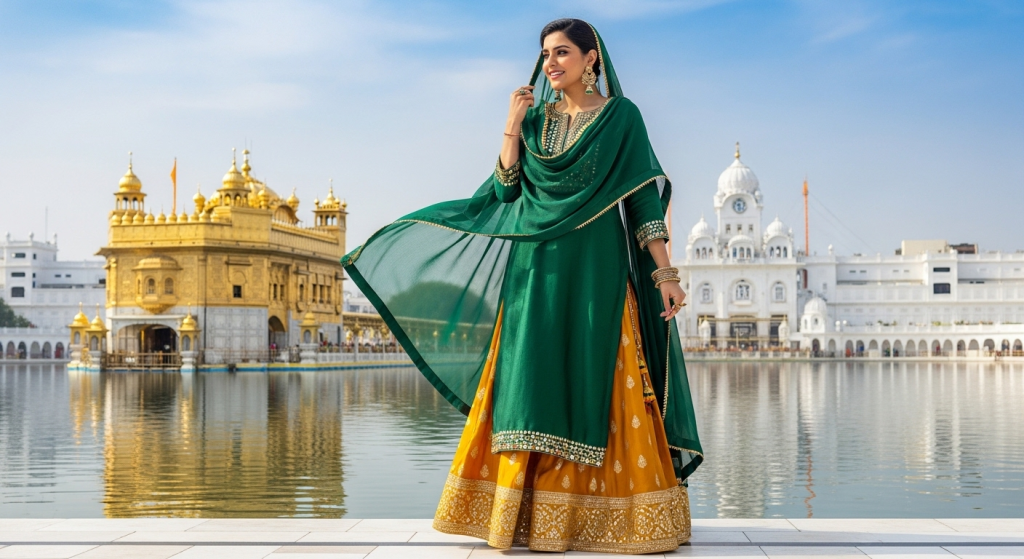
The Kurta and Skirt Set for Maximum Style Impact
Co-ord sets revolutionized ethnic wear by offering the sophistication of traditional outfits with the versatility of separates. A kurta and skirt combination delivers fresh, modern energy while maintaining appropriate coverage and cultural respect. This outfit turns heads because it’s unexpected—most visitors default to salwar kameez, so your skirt silhouette stands out.
Choose a short or mid-length kurta that hits at your natural waist or slightly below. Pair it with a flowing maxi skirt in matching or contrasting fabric. The combination creates beautiful proportions—the fitted kurta defines your waist while the skirt’s volume adds drama and movement. As you walk, the skirt swirls around you, creating those dreamy, ethereal photos that look straight out of a fashion editorial.
Fabric pairing matters enormously here. A structured cotton kurta with a flowing georgette or chiffon skirt creates interesting texture contrast. A printed kurta with a solid skirt balances visual weight. For cohesive looks, choose sets where the kurta and skirt share at least one color, even if the patterns differ.
If you’re worried about looking too “dressed up” for a spiritual visit, remember that putting effort into your appearance is actually a form of respect. The Golden Temple welcomes your best self, and these elevated outfits honor that tradition while expressing your personal style.
Styling this outfit allows playfulness. Drape your dupatta over your head and let it fall behind your shoulders for a relaxed vibe, or pleat it neatly and pin it over one shoulder for polished sophistication. Add a waist belt over your kurta to define your silhouette further—this small detail creates a custom, tailored appearance. Oxidized jewelry, juttis (for photos outside the temple), and a crossbody potli bag complete this trendy, contemporary look.
The Matching Kurta and Sharara Set
Shararas bring Bollywood glamour to traditional wear, and honestly, who doesn’t want to feel like a movie star at one of India’s most photogenic locations? These wide-legged, flared pants create dramatic silhouettes that photograph spectacularly. The gentle flare from the knee down adds movement and elegance while maintaining modesty and comfort.
A matching kurta and sharara set delivers instant coordination—you’re not mixing and matching or worrying about whether pieces work together. Everything harmonizes perfectly, creating a polished, intentional look. Choose sets with subtle embroidery along the hemline, sleeves, or neckline. This embellishment adds visual interest without overwhelming the overall aesthetic.
Color choices significantly impact your photos. Jewel tones like sapphire blue, ruby red, or emerald green create rich, luxurious photos. Pastels offer soft, romantic vibes perfect for sunrise or sunset visits. Metallics—gold, silver, or bronze—catch light beautifully, adding dimension to your photos. Avoid neon or overly bright colors that photograph harshly and date your images.
The sharara’s beauty lies in its movement. As you walk, the fabric flows and flares, creating dynamic photos that capture genuine moments rather than stiff, posed shots. The wide leg also provides exceptional comfort—you’re not restricted or confined, making it perfect for a full day of walking, sitting, and exploring.
Styling requires minimal effort because the outfit already makes a statement. Keep jewelry simple—delicate earrings and a few bangles suffice. Let your dupatta drape loosely over your head and shoulders for effortless elegance. Add a small clutch or potli bag, and you’re ready for hours of comfortable, stylish exploring. This outfit proves that comfort and style aren’t mutually exclusive—they’re perfect partners.
Outfit Idea #7, #8 & #9: Modern Interpretations and Smart
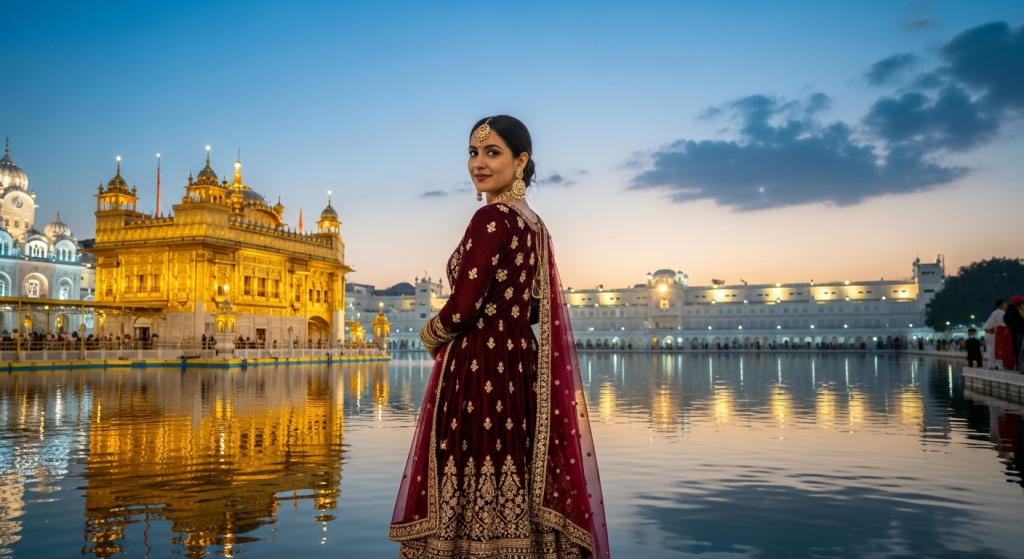
The Anarkali Suit That Commands Attention
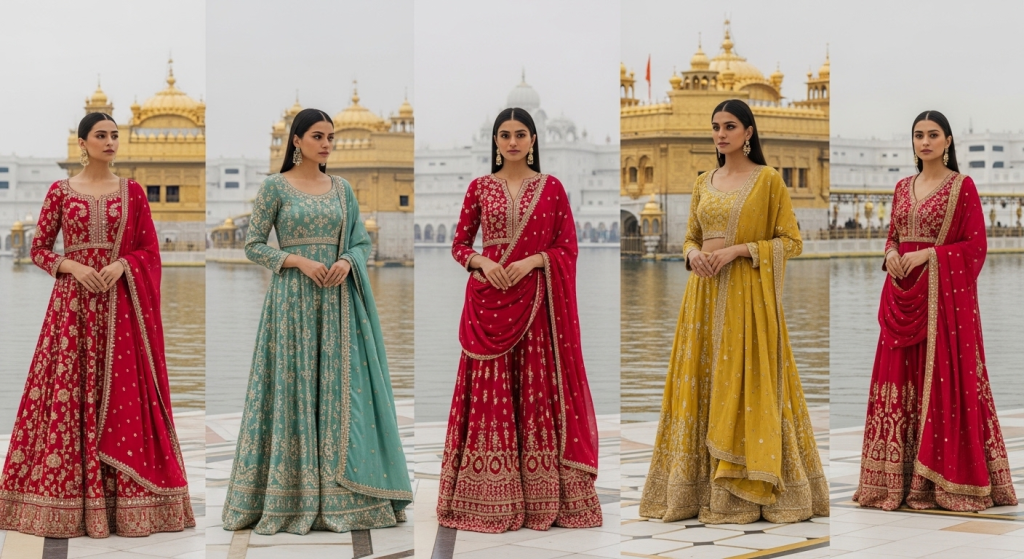
Anarkali suits bring regal elegance to any occasion, and the Golden Temple provides the perfect backdrop for these flowing, princess-worthy outfits. The fitted bodice and flared skirt create a universally flattering silhouette that defines your waist while skimming over your hips and thighs. This cut flatters every body type—it’s genuinely one of fashion’s most democratic silhouettes.
Choose an Anarkali with a modest neckline and full sleeves or three-quarter sleeves for appropriate coverage. The length should hit at least mid-calf or ankle for proper modesty. Floor-length Anarkalis create the most dramatic, elegant photos, but ensure the hem doesn’t drag on the ground—remember, you’ll be walking barefoot on marble that isn’t always pristine.
Embellishment level depends on your personal style and the time of day you’re visiting. Heavily embroidered Anarkalis with sequins, zari work, or stone embellishments look stunning in evening photos when the temple illuminates, but they can feel overwhelming during bright afternoon visits. For daytime, choose subtly embellished pieces with embroidery concentrated on the yoke, sleeves, or hemline.
Pair your Anarkali with churidar pants for the classic look, or opt for cigarette pants for a modern twist. The dupatta draping makes or breaks this outfit—pleat it neatly and drape it over your head, letting one end fall gracefully over your shoulder. Pin it securely so you’re not constantly adjusting it. This small detail transforms your comfort level, letting you focus on the spiritual experience rather than wardrobe management.
The Contemporary Dhoti Style Pants with Long Kurta
Fashion-forward travelers, this outfit delivers that perfect blend of tradition and trend. Dhoti pants—with their draped, tapered silhouette—create unique, eye-catching photos that stand out from typical Golden Temple outfit posts. The contemporary interpretation maintains the dhoti’s cultural significance while offering practical wearability.
Pair dhoti pants with a long, straight kurta that hits mid-thigh or below. The combination creates interesting proportions—the kurta’s clean lines contrast beautifully with the dhoti’s draped volume. Choose solid colors for a minimalist aesthetic, or mix a printed kurta with solid dhoti pants for visual interest.
The dhoti silhouette requires confidence to pull off, but it rewards that confidence with stunning, memorable photos. The gathered fabric at the ankles creates a distinctive look that photographs beautifully from all angles. The tapered leg elongates your frame while the draped front adds dimension and movement.
Styling this outfit leans contemporary. Skip heavy traditional jewelry in favor of minimal, modern pieces—delicate layered necklaces, simple studs, or a statement ring. Drape your dupatta loosely over your head without excessive pleating for a relaxed, effortless vibe. Add contemporary juttis or mojaris (for photos outside the temple) and a structured clutch to complete this fashion-forward look that respects tradition while embracing modernity.
The Layered Kurta with Jacket and Pants
Layering transforms simple outfits into sophisticated ensembles, and this combination delivers maximum versatility. A long kurta paired with straight pants becomes exponentially more interesting with the addition of a short jacket or shrug. This three-piece approach creates depth, dimension, and styling options that adapt to changing temperatures and photo opportunities.
Choose a solid-colored kurta and pants as your base—this creates a clean canvas for your jacket to shine. The jacket can introduce pattern, embellishment, or contrasting color. A printed jacket over solid separates adds visual interest without overwhelming your frame. An embroidered jacket elevates a simple outfit into something special. A contrasting color jacket creates dynamic, eye-catching photos.
The jacket length matters significantly. Short jackets hitting at the waist define your silhouette and create flattering proportions. Longer jackets reaching mid-thigh create a streamlined column of color that elongates your frame. Both options work beautifully—choose based on your body type and personal preference.
This outfit’s genius lies in its adaptability. Feel warm? Remove the jacket and drape it over your arm for photos. Need more coverage or warmth? Layer it back on. Want different looks throughout the day? Wearing the jacket versus carrying it creates distinctly different aesthetics in your photos, maximizing your outfit’s versatility.
Accessorizing requires restraint because the outfit already has multiple components. Keep jewelry minimal—simple earrings and perhaps a delicate bracelet. Let the outfit’s structure and layers create visual interest rather than piling on accessories. Drape your dupatta over your head simply, ensuring it doesn’t compete with the jacket’s detailing. This polished, layered look proves that thoughtful styling creates sophisticated results without complicated effort.
Conclusion
Creating the perfect Golden Temple wardrobe isn’t about following rigid rules—it’s about understanding how tradition, respect, and personal style intersect to create outfits that make you feel confident, comfortable, and beautiful. These nine outfit ideas prove you don’t sacrifice style for modesty or fashion for cultural sensitivity. You embrace both, creating a wardrobe that honors this sacred space while celebrating your unique aesthetic.
The outfits we’ve explored—from classic salwar kameez combinations to trendy co-ord sets—offer something for every style personality and budget. Whether you gravitate toward timeless elegance, contemporary trends, or bold fashion statements, you now have specific, actionable outfit formulas that work. You understand which fabrics keep you comfortable, which colors photograph beautifully, and which silhouettes flatter your frame while meeting dress code requirements.
Here’s what matters most: your Golden Temple visit is a profound spiritual and cultural experience. Your outfit should enhance that experience, not distract from it. When you feel comfortable and confident in what you’re wearing, you’re free to fully immerse yourself in the temple’s peaceful atmosphere, connect with its spiritual energy, and create genuine memories that transcend Instagram aesthetics.
Start planning your Golden Temple wardrobe now. Review these nine outfit ideas and identify which ones resonate with your personal style. Check your existing wardrobe—you might already own pieces that work perfectly with minor adjustments or new pairings. Create a shopping list for any gaps, focusing on versatile pieces that’ll serve you beyond this single trip. Remember, the best outfit is one that makes you feel like your most authentic, confident self while respecting the sacred space you’re visiting.
Your journey to the Golden Temple deserves thoughtful preparation, and now your wardrobe is sorted. Pack these outfits, bring your confidence, and prepare for a transformative experience at one of India’s most magnificent spiritual destinations. The Golden Temple awaits—and you’ll look absolutely stunning exploring it.