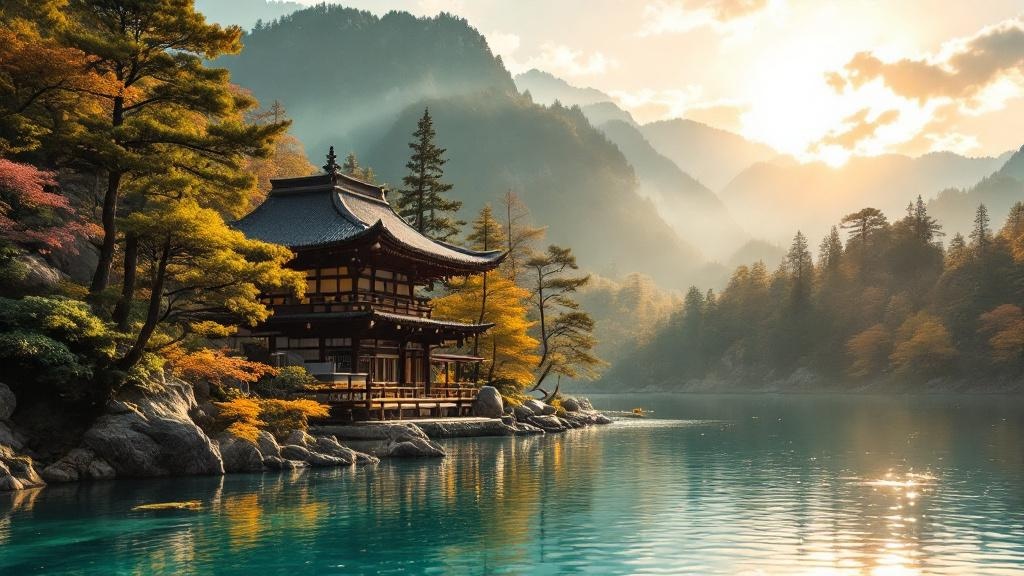
5 Things to Know Before Visiting Mount Koya-Japan

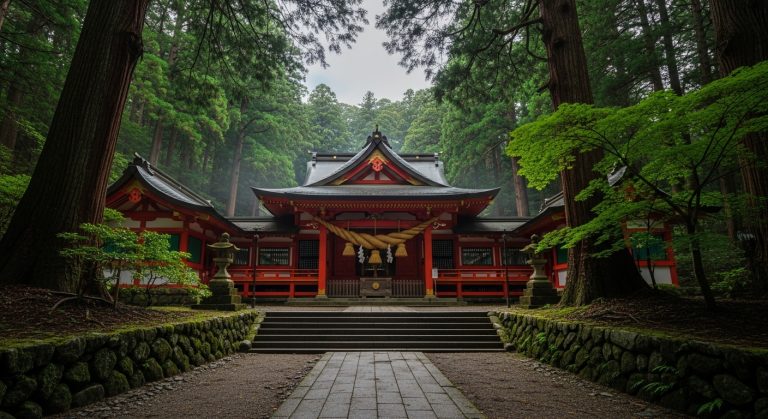
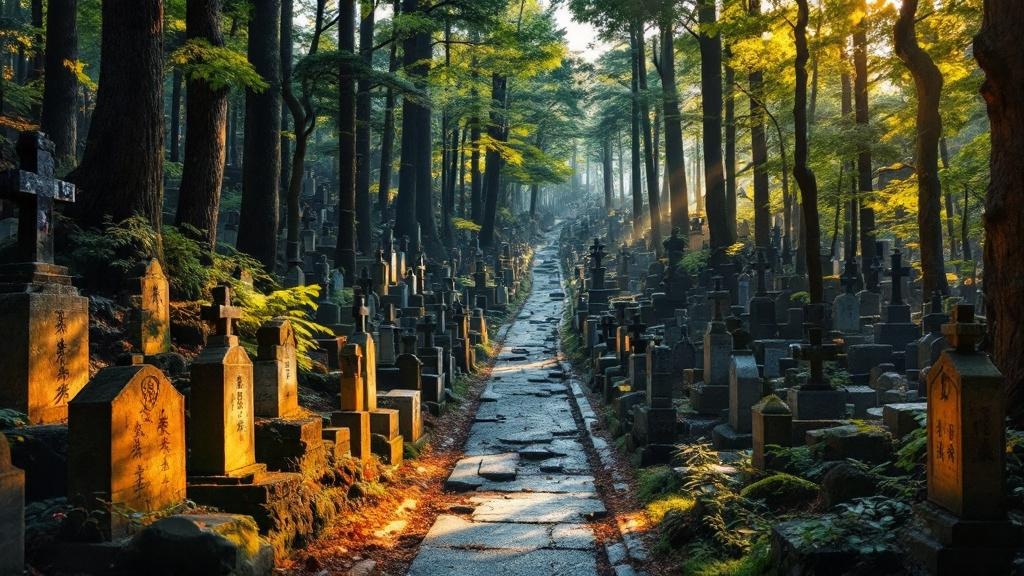
You’re walking through a mist-covered cemetery at dawn, surrounded by 200,000 moss-covered graves and towering cedar trees, with the scent of incense floating through the air. This isn’t a scene from a movie—it’s a typical morning at Mount Koya, Japan’s most sacred Buddhist mountain town.
Nestled 800 meters above sea level in Wakayama Prefecture, Mount Koya (Koyasan) offers something increasingly rare in modern Japan: authentic spiritual experiences away from the tourist crowds.
But here’s the thing—visiting this UNESCO World Heritage Site requires more preparation than your typical Japanese destination.
Miss these essential details, and you might find yourself stuck at the base of the mountain after the last cable car departs, or worse, wandering the temple town unsure of proper etiquette.
Whether you’re planning a transformative temple stay or a breathtaking day trip from Osaka or Kyoto, this complete guide will help you maximize your limited vacation time and avoid the common mistakes that trip up first-time visitors. I’m sharing everything I wish I’d known before my first visit—from navigating the complex transportation to experiencing the hidden corners most tourists miss.
Let’s dive into the five essential things that will transform your Mount Koya experience from confusing to unforgettable.
1. Getting There Is Half the Journey (And Takes Longer Than You Think)

The Reality of Mount Koya Transportation
Let me be straight with you: if a website tells you Mount Koya is “just 90 minutes from Osaka,” they’re leaving out crucial details. The reality? Budget 2.5 to 3 hours for the complete journey from Osaka’s Namba Station to the town center.
Here’s how it breaks down: You’ll take the Nankai Limited Express train to Gokurakubashi Station (about 90 minutes), then board a scenic cable car up the mountain (5 minutes), followed by a local bus to your final destination in town (10-15 minutes). Each segment connects smoothly, but the transfers add up.
The Koyasan World Heritage Ticket is your secret weapon here. For ¥3,200, you get round-trip transportation from Namba Station plus unlimited bus rides on the mountain and discounts at major attractions. Compare that to ¥2,860 for basic round-trip train fare alone, and the value becomes crystal clear. Purchase it at the Nankai ticket office in Namba Station before you board.
Here’s the critical detail most travel blogs skip: the cable car schedule varies by season, and missing the last one means you’re stranded at the base of the mountain. In peak season, the last cable car typically departs around 9 PM, but in winter, it can be as early as 6 PM. Check the current schedule before you plan your day.
Best Departure Points and Timing Strategy
Osaka’s Namba Station is your ultimate starting point—it’s the most convenient and well-connected option. From Kyoto, you’ll need to add 90 minutes to reach Namba first, which makes a day trip challenging unless you’re an early riser who doesn’t mind a long travel day.
Here’s my insider timing strategy: arrive at Mount Koya between 10-11 AM. This gives you enough time to explore the main sites comfortably without rushing. However, if you’re doing a day trip, you’ll miss the most magical moments. The temple town transforms after 5 PM when day-trippers leave. Evening prayer ceremonies, the lantern-lit cemetery at dusk, and the peaceful morning rituals are unforgettable experiences that only overnight visitors witness.
Most travelers underestimate how staying overnight completely changes the experience. A temple stay isn’t just about sleeping in a different location—it’s about immersing yourself in a rhythm that’s been practiced for over 1,200 years.
Navigating the Mountain Transportation System
The cable car ride itself is stunning. Sit on the right side going up for sweeping valley views as you ascend through the forest. The gradient is steep—Japan’s steepest cable car, actually—and watching the landscape shift from lowland to mountain forest happens in just five minutes.
At the top, the local bus system is straightforward. Buses run every 20-30 minutes and connect all major sites. That said, the town center is compact enough that you’ll probably end up walking most places anyway. The main street from Senjuinbashi bus stop to Okunoin is about 2.5 kilometers—perfectly walkable and lined with temples, shops, and restaurants.
Budget reality check: Yes, transportation costs add up. But considering you’re accessing a remote mountain sanctuary that requires specialized infrastructure, the ¥3,200 World Heritage Ticket represents solid value. Pack snacks and water for the journey—train station prices are predictably inflated.
2. Temple Stays (Shukubo) Are the Complete Experience—But They’re Not Hotels
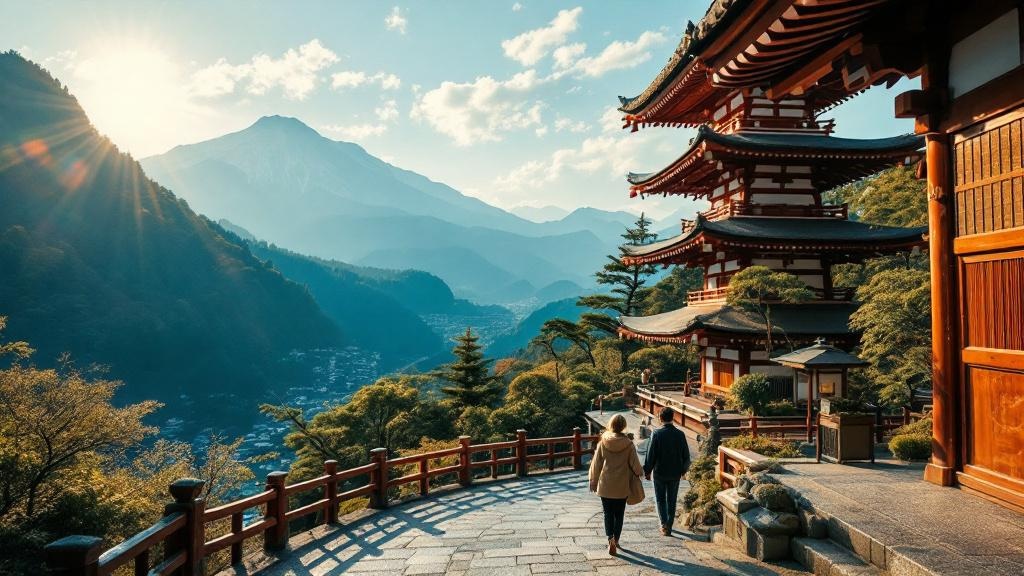
What a Temple Stay Actually Means
Let’s clear up a common misconception right away: you’re staying in a working Buddhist temple, not a themed hotel experience. This distinction matters because your expectations will shape your entire visit.
A temple stay (shukubo) includes sleeping on futon bedding laid out on tatami mat floors, eating traditional vegetarian Buddhist cuisine, bathing in shared facilities, and participating in morning prayer ceremonies. What you won’t find: private bathrooms, Western beds, meat or fish dishes, or flexible check-in times. The temples operate on centuries-old schedules, and guests adapt to that rhythm, not the other way around.
This authentic experience is worth stepping outside your comfort zone. Where else can you wake to the sound of morning prayers echoing through wooden halls, eat meals prepared according to Buddhist principles of mindfulness, and sleep in rooms that have hosted pilgrims for generations?
Booking Your Perfect Temple Stay
With over 50 temples offering accommodation, choosing the right one depends on what you value most.
For first-timers, Ekoin Temple is the perfect choice. They’re exceptionally English-friendly, offer organized meditation sessions with clear instruction, and provide guided cemetery tours that explain the spiritual significance of what you’re seeing. Their monks understand that Western visitors need more context, and they deliver it without making you feel like a clueless tourist.
For luxury seekers who still want authenticity, Souji-in and Fukuchi-in offer more upscale amenities—think better bedding, more spacious rooms, and upgraded bathroom facilities—while maintaining the essential temple stay experience. You’ll pay more (¥15,000-20,000 per person), but the refined comfort level makes it easier for travelers who are nervous about roughing it.
Budget travelers should look at rates ranging from ¥9,000-12,000 per person including two elaborate meals. When you break that down—accommodation, dinner, and breakfast—it’s actually great value compared to a business hotel plus restaurant meals.
Critical timing advice: Book 2-3 months ahead for peak seasons (cherry blossom season in early May, autumn foliage in November, and the summer Obon festival in August). Some of the most popular temples fill up even earlier. Many temples only accept reservations through Japanese Guesthouse booking platforms or direct email—they’re not on mainstream hotel booking sites.
Temple Etiquette Essentials
Morning prayers typically start between 6-7 AM. Attendance is optional, but I strongly recommend going at least once. Sitting in a dimly lit hall while monks chant sutras, surrounded by golden Buddha statues and the smell of incense, creates an atmosphere you’ll remember long after you’ve forgotten which museums you visited.
Meal times are non-negotiable: dinner around 5-6 PM, breakfast around 7-8 AM. Temples run on schedule, and the kitchen isn’t open for late-night snacks. If you need flexibility with meal times, a temple stay isn’t for you.
The bathroom situation requires adjustment for most Western travelers. You’ll share facilities with other guests, so bring your own toiletries and be considerate about time. Slippers are provided for moving between your room and shared spaces.
Dress modestly for prayer halls—covered shoulders and knees. The yukata (cotton robe) provided in your room is acceptable for wearing in hallways and common areas, but not for prayers. Silence isn’t just a suggestion here; you’re staying in someone’s sacred space where contemplation and respect form the foundation of daily life.
The Shojin Ryori Experience
Buddhist vegetarian cuisine (shojin ryori) surprises nearly everyone. You’ll eat seasonal vegetables, tofu in multiple forms, rice, miso soup, pickles, and absolutely zero animal products. No meat, no fish, no eggs, no dairy.
Here’s what shocked me: it’s delicious. Not “good for vegetarian food” but genuinely impressive cooking that highlights ingredients through careful preparation. The presentation is beautiful—multiple small dishes arranged artfully on lacquerware trays. It’s Instagram-worthy without trying to be.
Portion sizes are generous. You won’t leave hungry, despite the absence of protein-heavy foods. The meals follow Buddhist principles of mindfulness and gratitude, which means eating everything served is both respectful and part of the spiritual practice. Don’t leave rice in your bowl—it’s considered wasteful and disrespectful to the effort that went into growing and preparing it.
3. Okunoin Cemetery at Night Is Sacred, Stunning, and Slightly Spooky
Why Okunoin Deserves Special Planning
Okunoin Cemetery is Japan’s largest cemetery, with 200,000 graves spanning two kilometers through an ancient cedar forest. But calling it just a cemetery misses the point entirely. This is one of Japan’s most sacred sites—the final resting place of Kobo Daishi, the monk who founded Shingon Buddhism and established Mount Koya in 816 AD.
Here’s what makes it spiritually significant: believers hold that Kobo Daishi isn’t dead but meditating in eternal prayer, waiting for the arrival of Maitreya Buddha. Monks bring him meals twice daily, maintaining a tradition that’s continued unbroken for over 1,200 years. Being buried near him is considered the ultimate blessing, which explains why everyone from feudal lords to modern company executives has purchased grave plots here.
The Torodo Hall houses more than 10,000 eternally-lit lanterns donated by worshippers over centuries. Seeing them glow in the darkness is absolutely breathtaking—photos don’t capture the atmosphere of being surrounded by that much flickering light while incense smoke drifts through the air.
Most day-trippers leave by 4 PM, which means they completely miss the most atmospheric hours. If you’re staying overnight, you have access to an experience that transforms from beautiful to transcendent.
Daytime vs. Nighttime Visits
Visit during the day, and you’ll enjoy a beautiful forest walk with dappled sunlight filtering through massive cedar trees. You can read the fascinating grave markers (many have English explanations), photograph the moss-covered statues, and appreciate the craftsmanship of elaborate memorial monuments. The path is wide, well-maintained, and easy to navigate.
Visit at night, and you enter a different world. Lantern-lit paths wind through darkness, creating pools of warm light against deep shadows. The profound silence—broken only by your footsteps on stone and the occasional rustle of wind through trees—makes you hyper-aware of being in a sacred space. It’s mystical without being scary, though the atmosphere definitely has an otherworldly quality.
My complete strategy: visit both if your schedule allows. They’re totally different experiences, and both offer something valuable. Some temples offer guided night tours—ask your temple stay host if they organize them. Having a guide explain what you’re seeing and its spiritual significance adds depth to what might otherwise feel like just a spooky walk in the dark.
Practical Walking Guide
The full route runs two kilometers from Ichinohashi Bridge to Torodo Hall. Walking at a contemplative pace—which is appropriate here—takes 45-60 minutes one way. The path is paved and mostly flat, though there are some gentle slopes and stone steps.
You can shorten the walk by starting at Okunoin-mae bus stop, which cuts about 20 minutes off the journey. However, you’ll miss the atmospheric first section where some of the oldest graves are located. The forest feels more primeval in that section, with larger trees and thicker moss coverage.
For night visits, bring a flashlight or use your phone’s light. The lanterns along the path provide ambient lighting but not enough to navigate safely without supplemental light. Wear comfortable walking shoes with good traction—stone paths can be slippery, especially if there’s been rain or morning dew.
Photography etiquette is important: absolutely no photos of Kobo Daishi’s mausoleum. Throughout the cemetery, remember that these are people’s ancestors. Taking photos of the forest and architecture is fine, but be respectful. This isn’t a theme park.
Understanding the Spiritual Significance
Companies and families still purchase grave plots at Okunoin because being near Kobo Daishi is considered the ultimate blessing. You’ll see graves for major corporations like Panasonic and Nissan alongside family plots and memorials for historical figures. The tradition of leaving offerings means you’ll encounter everything from sake bottles to samurai swords placed at gravesites.
This isn’t meant to be spooky—it’s a place of peace and eternal protection. The Japanese relationship with death emphasizes connection between the living and deceased, and Okunoin embodies that philosophy. Walking through the cemetery at night, you’re not trespassing in a forbidden place; you’re participating in a tradition of pilgrimage and remembrance that spans centuries.
4. The Weather and Seasons Will Make or Break Your Visit
Mount Koya’s Mountain Climate Reality
Elevation matters more than most travelers anticipate. At 800+ meters above sea level, Mount Koya is consistently 5-10°C cooler than Osaka or Kyoto. That temperature difference changes everything about what you’ll pack and how comfortable you’ll be.
Summer (June-August) offers a pleasant escape from the oppressive heat and humidity of Japan’s lowlands. While Osaka swelters at 35°C with 80% humidity, Mount Koya stays comfortable in the low to mid-20s. However, June is rainy season, so bring layers and rain gear. July and August see afternoon thunderstorms—brief but intense.
Autumn (October-November) delivers stunning foliage as maple trees turn brilliant red and orange against the green cedars. The temperature is perfect for walking, the air is crisp and clear, and photographers get golden hour light that makes everything glow. The downside? This is peak season. Temple stays book solid, prices increase, and you’ll share the experience with tour groups. Early November is the absolute peak for foliage.
Winter (December-February) transforms Mount Koya into a snow-covered sanctuary that looks like a scene from a historical painting. The snow creates magical photo opportunities, and the cold keeps crowds minimal. But you’ll need serious cold-weather gear—temperatures regularly drop below freezing, and some paths close when snow accumulation makes them dangerous. If you’re not comfortable walking on potentially icy paths, winter isn’t your season.
Spring (March-May) brings cherry blossoms, but they arrive later here than in lowland Japan. While Kyoto’s cherries bloom in early April, Mount Koya’s peak is early May. This timing advantage means fewer crowds than you’d encounter at famous cherry blossom spots. Early spring can still be quite cold—pack layers.
Best Times for Different Traveler Types
Budget travelers should target winter (except New Year’s week) and early spring. Temple stay rates drop, fewer tourists mean more personal attention from temple staff, and you’ll have major sites nearly to yourself. Just prepare for the cold.
Photographers want late October through early November for autumn colors, or snowy January mornings when frost coats the trees and morning mist creates ethereal scenes. Golden hour light in autumn is spectacular—the low angle makes the foliage practically glow.
For the most authentic experience, visit on weekdays regardless of season. Weekends bring tour groups from Osaka and Kyoto, which changes the atmosphere from contemplative to crowded. Tuesday through Thursday offers the best balance of good weather odds and minimal crowds.
Packing for Mountain Weather
Layer your clothing—this is essential. Morning temperatures can be 10°C cooler than afternoon highs, and moving between heated temple interiors and outdoor spaces requires flexibility. A light down jacket works year-round except summer.
Rain gear is non-negotiable. Even in “dry” seasons, mountain weather changes quickly. A compact rain jacket and travel umbrella take minimal space and prevent misery.
Comfortable walking shoes with good traction matter more here than at most Japanese destinations. You’ll walk on stone paths, wooden temple floors, and potentially wet or icy surfaces. Leave the fashion sneakers at home and bring actual walking shoes.
Temple stays provide yukata and basic toiletries, but bring any specific items you need. Rooms are heated in winter and cooled in summer, but they’re not climate-controlled like hotels. Extra layers for sleeping make a difference.
5. Respect the Sacred Space—Temple Etiquette Goes Beyond Basic Manners
Understanding Why Koyasan Is Different
Mount Koya isn’t a tourist attraction that happens to have temples—it’s an active religious center that welcomes visitors. This distinction shapes how you should approach your entire visit. Over 1,200 years of continuous Buddhist practice have created a living spiritual tradition, and you’re being invited to witness and participate in it.
The town exists to support Buddhist practice, not tourism. Yes, tourism brings necessary income, but it’s not the primary purpose. Keeping this perspective helps you understand why certain rules exist and why respecting them matters.
Essential Temple Etiquette Rules
When entering temple halls, remove your shoes and place them neatly in the designated area. Don’t just kick them off—arrange them pointing outward so they’re easy to slip back into. This small detail shows respect and consideration.
Photography rules vary by temple. Always check before taking photos inside halls. Many temples prohibit interior photography entirely, while others allow it in specific areas. Okunoin’s mausoleum area is strictly no photography. When in doubt, ask or simply don’t photograph.
Dress modestly when visiting temple halls: covered shoulders, no shorts or short skirts. You’re entering sacred spaces where monks pray and practice. Your clothing should reflect that respect. The casual dress acceptable at tourist sites doesn’t fly here.
During prayer ceremonies, sit quietly even if you don’t understand the chants. Silence your phone completely—not just on vibrate. Don’t enter or exit while prayers are actively happening. If you need to leave, wait for a natural break.
Bowing is appropriate when entering and exiting temple halls, and when passing monks. A simple head bow shows respect. You don’t need to perform elaborate rituals unless you’re participating in specific ceremonies.
Interacting with Monks and Temple Staff
Monks at Mount Koya are generally friendly and often speak some English, especially at temples that regularly host international guests. However, they’re not tour guides or entertainment. They’re religious practitioners who have chosen a life of discipline and contemplation.
If a monk offers to explain something or answer questions, that’s wonderful—engage respectfully. But don’t interrupt their activities or expect them to pose for photos. Some monks welcome brief conversations; others prefer minimal interaction. Read the situation and respect their boundaries.
Temple staff who handle guest accommodations are more accustomed to tourist questions and logistics. They’re your resource for practical matters like meal times, bus schedules, and local recommendations.
Noise and Behavior Expectations
Keep your voice low throughout the temple town, especially early morning and evening. Sound carries in the mountain air, and many people come here specifically for peace and quiet. Loud conversations, phone calls, and music disrupt the atmosphere for everyone.
In temple stays, be mindful that walls are thin. Late-night conversations in your room disturb neighboring guests. Most temples have “quiet hours” starting around 9-10 PM.
Smoking is prohibited in most areas. If you smoke, ask your temple host where designated areas are located.
Alcohol isn’t forbidden for guests, but drinking heavily and being loud contradicts the spirit of why you’re there. Some travelers enjoy a beer with dinner at local restaurants—that’s fine. Treating Mount Koya like a party destination isn’t.
The Deeper Purpose of Etiquette
These rules aren’t arbitrary restrictions meant to limit your enjoyment. They’re practices that help create and maintain the contemplative atmosphere that makes Mount Koya special. When everyone follows them, the entire town feels different from typical tourist destinations—quieter, more peaceful, more intentional.
Think of etiquette as your contribution to preserving something rare and valuable. Your respectful behavior helps ensure that future travelers can experience the same authentic spiritual atmosphere that drew you here.
6. Plan Your Time Wisely—There’s More to See Than You Think
The Day Trip vs. Overnight Decision
This is the most important planning decision you’ll make: day trip or overnight stay? Your answer shapes everything else.
A day trip from Osaka is technically possible. You can arrive by 11 AM, visit Okunoin Cemetery, see Kongobuji Temple and Danjo Garan temple complex, grab lunch, and catch an evening train back. You’ll see the main sites and check Mount Koya off your list.
But here’s what you’ll miss: the evening transformation when day-trippers leave and the town becomes quiet and contemplative. The morning prayer ceremonies that fill temple halls with chanting and incense. The experience of sleeping in a traditional temple and eating authentic Buddhist cuisine. The night walk through Okunoin Cemetery when lanterns create an otherworldly atmosphere.
If you can possibly arrange it, stay overnight. The difference between a day trip and temple stay is the difference between seeing Mount Koya and experiencing it. Even one night changes everything.
Must-See Sites and How Long They Take
Okunoin Cemetery: Budget 2-3 hours for a thorough walk from Ichinohashi Bridge to Torodo Hall and back. Add another hour if you’re visiting at night for the different atmosphere. This is your absolute priority—if you only see one thing at Mount Koya, make it Okunoin.
Kongobuji Temple: The head temple of Shingon Buddhism deserves 45-60 minutes. The rock garden is Japan’s largest, and the interior sliding door paintings are stunning. English audio guides provide context that brings the history alive.
Danjo Garan Temple Complex: This sacred precinct contains multiple halls and pagodas. The vermillion Konpon Daito pagoda is Mount Koya’s most iconic structure. Allow 60-90 minutes to explore properly. The Kondo hall houses important Buddhist statues worth seeing.
Reihokan Museum: If you’re interested in Buddhist art and history, this museum houses treasures from Mount Koya’s temples. Budget 45-60 minutes. Skip it if you’re not particularly interested in religious art—your time is better spent at the temples themselves.
Tokugawa Mausoleum: Slightly off the main path but worth it for history enthusiasts. This mausoleum honors Tokugawa Ieyasu and Hidetada. The architecture is impressive, and it’s usually quiet. Allow 30 minutes.
Sample Itineraries
One-Day Visit: – 10:30 AM: Arrive, drop bags at luggage storage near Senjuinbashi – 11:00 AM: Walk to Okunoin Cemetery via Ichinohashi Bridge – 1:00 PM: Lunch in town center – 2:00 PM: Visit Danjo Garan complex – 3:30 PM: Kongobuji Temple – 5:00 PM: Quick browse of shops on main street – 6:00 PM: Depart for return journey
Overnight Temple Stay: – Day 1: 11:00 AM arrival, check bags at temple, Okunoin Cemetery walk, lunch, Danjo Garan, Kongobuji Temple, 5:00 PM temple check-in, 6:00 PM dinner, 8:00 PM night walk through Okunoin – Day 2: 6:30 AM morning prayers, 7:30 AM breakfast, 9:00 AM Tokugawa Mausoleum or museum, 11:00 AM checkout and depart
The overnight itinerary is more relaxed, lets you experience the best of Mount Koya, and doesn’t feel rushed.
Hidden Gems Most Tourists Miss
The walking path behind the main shopping street offers peaceful temple grounds without crowds. Many smaller temples have beautiful gardens open to visitors for free or small donations.
Early morning walks before 7 AM show you Mount Koya at its most serene. Morning mist often fills the valleys, and you’ll have paths to yourself.
The local restaurants serve excellent Buddhist vegetarian cuisine if you want to try shojin ryori without doing a temple stay. Hanabishi and Maruman are both excellent choices.
—
Mount Koya offers something increasingly rare in our connected, busy world: the chance to step completely out of your normal routine and into a space dedicated to contemplation and spiritual practice for over twelve centuries.
Yes, it requires more planning than typical destinations. The transportation is complex, the temple stays have rules, and the weather demands preparation. But those “complications” are actually what preserve Mount Koya’s authentic character. The effort required to get there and the etiquette expected once you arrive filter out casual tourists and create space for meaningful experiences.
Whether you spend one day or three, approach your visit with respect, openness, and realistic expectations. You’re not just sightseeing—you’re being welcomed into one of Japan’s most sacred spaces. That privilege comes with responsibilities, but it also offers rewards that go far beyond what you’ll find at more accessible tourist destinations.
Ready to plan your Mount Koya journey? Start by deciding whether you’ll do a day trip or overnight stay—that choice determines everything else. Book your temple stay early if you’re visiting during peak seasons, purchase your Koyasan World Heritage Ticket at Namba Station, and pack layers for mountain weather. Most importantly, arrive with an open mind and willingness to experience something completely different from your daily life.
The mist-covered cemetery, the sound of morning prayers, the taste of Buddhist vegetarian cuisine, the silence of ancient cedar forests—these aren’t just tourist attractions. They’re invitations to slow down, pay attention, and experience what makes Mount Koya one of Japan’s most unforgettable destinations.