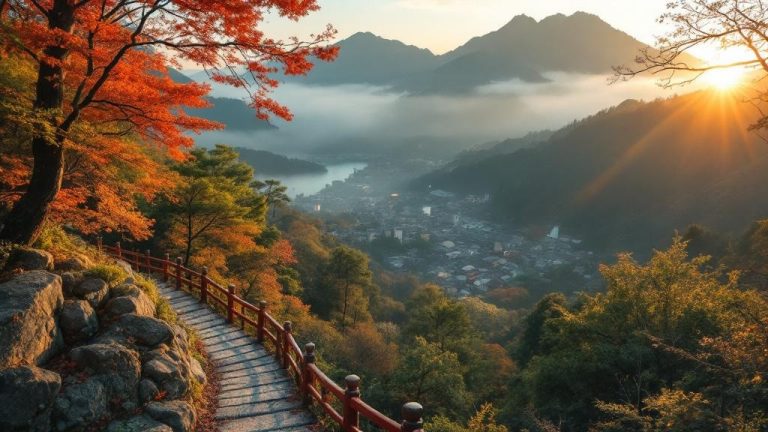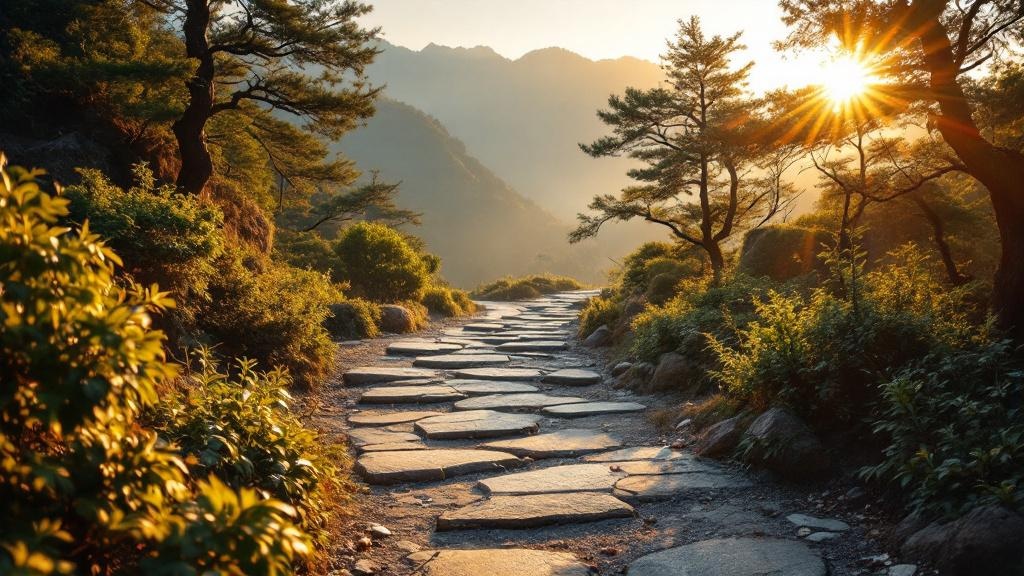
7 Reasons to Walk the Kumano Kodo in Japan

You’ve probably scrolled past countless photos of cherry blossoms and neon-lit Tokyo streets, but there’s a side of Japan that most travelers never experience—one where ancient stone paths wind through misty cedar forests, where spiritual tradition meets stunning natural beauty, and where you can walk in the footsteps of emperors and monks who’ve been making this journey for over a millennium.
The Kumano Kodo is Japan’s answer to the Camino de Santiago, but with a distinctly Japanese flavor that blends Buddhist and Shinto traditions.
This network of pilgrimage trails stretches across the mountainous Kii Peninsula south of Osaka, offering something you won’t find in guidebooks focused on Japan’s famous cities: authentic rural culture, flexible hiking options, and a chance to disconnect from the modern world while connecting with something timeless.
I’m sharing seven compelling reasons why the Kumano Kodo deserves a spot on your travel radar. Whether you’re an experienced hiker looking for your next challenge or someone who simply wants to experience Japan beyond the tourist trail, this ancient pilgrimage route delivers an experience that stays with you long after you’ve returned home. Let’s explore why this UNESCO World Heritage site has captured the hearts of travelers from around the world.
1. Walk Through Living History on Sacred Paths
A 1,000-Year-Old Pilgrimage Tradition
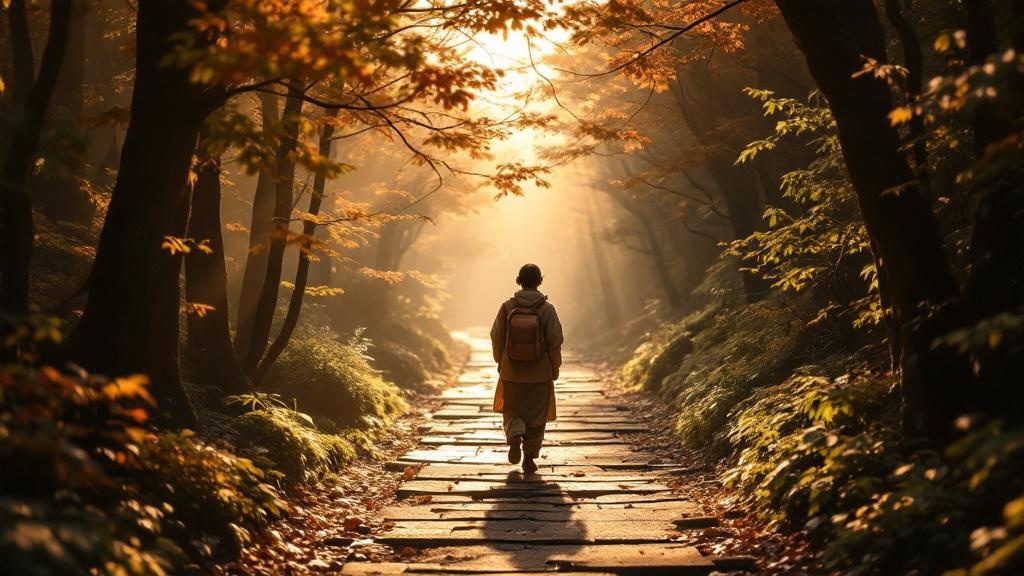
When you step onto the Kumano Kodo, you’re not just hiking—you’re participating in a tradition that dates back over ten centuries. During the Heian period (794-1185), these trails became so popular that observers described the steady stream of pilgrims as “ants making their pilgrimage.” Emperors, aristocrats, monks, and commoners all walked these same paths seeking purification, healing, and enlightenment.
This wasn’t casual tourism. The journey to Kumano, known historically as Kumano mōde, represented a serious spiritual undertaking. The Imperial household and court would make elaborate processions along these routes, and the tradition was so deeply embedded in Japanese culture that it transcended social classes. Rich or poor, everyone walked the same paths.
What makes this history remarkable is that it’s still alive today. The trails haven’t been turned into museums or theme parks—they remain active pilgrimage routes where you’ll encounter modern-day pilgrims alongside curious travelers. You’ll pass oji shrines (small subsidiary shrines) that have welcomed walkers for centuries, see jizo statues watching over travelers, and walk under torii gates that mark sacred spaces.
UNESCO World Heritage Recognition
The Kumano Kodo holds a distinction shared with only one other pilgrimage route in the world: UNESCO World Heritage status. Along with Spain’s Camino de Santiago, these are the only two pilgrimage trails recognized for their outstanding universal value. This designation, granted in 2004, acknowledges the Kumano Kodo’s cultural significance and the remarkable preservation of its spiritual landscape.
The 190-mile network of trails represents a cultural landscape where human belief and natural environment have intertwined for over a thousand years. The UNESCO recognition covers not just the paths themselves but the entire sacred site complex, including the Kumano Sanzan (three grand shrines) and the surrounding forest ecosystem.
The Perfect Blend of Buddhism and Shintoism
What sets the Kumano Kodo apart from other pilgrimage routes is its unique religious character. The trails represent a rare harmonious intersection of Buddhism and Shintoism, two belief systems that coexist throughout Japan but rarely blend so seamlessly. This spiritual fusion, known as shinbutsu-shūgō, creates a distinctive atmosphere you won’t find anywhere else.
As you walk, you’ll encounter Buddhist temples and Shinto shrines side by side, each contributing to the route’s spiritual tapestry. The massive cypress trees aren’t just beautiful—they’re considered sacred in Shinto belief. The mountain peaks hold spiritual significance in both traditions. This layered spirituality means you’re walking through a living cultural landscape where every element—from the placement of stones to the flow of water—carries meaning shaped by centuries of belief and practice.
2. Experience Authentic Rural Japan Away from the Crowds
Escape the Tourist Trail
While millions of visitors flock to Tokyo’s Shibuya Crossing and Kyoto’s Fushimi Inari Shrine, the Kumano Kodo remains blissfully uncrowded. You’ll spend hours walking through ancient forests with only the sound of your footsteps and birdsong for company. This isn’t an exaggeration—on some trail sections, you might go an entire day seeing fewer than a dozen other people.
The contrast with Japan’s famous tourist destinations couldn’t be starker. No jostling for photos, no tour buses, no souvenir shops every fifty feet. Instead, you get the rare opportunity to experience Japan at a contemplative pace, where you can actually hear yourself think and feel the weight of history without fighting through crowds.
This relative solitude makes the Kumano Kodo perfect for travelers who’ve already “done” Japan’s highlights or for those seeking a different kind of Japanese experience from the start. You’re not avoiding Japanese culture—you’re diving deeper into it, accessing layers that most visitors never reach.
Charming Mountain Villages and Local Hospitality
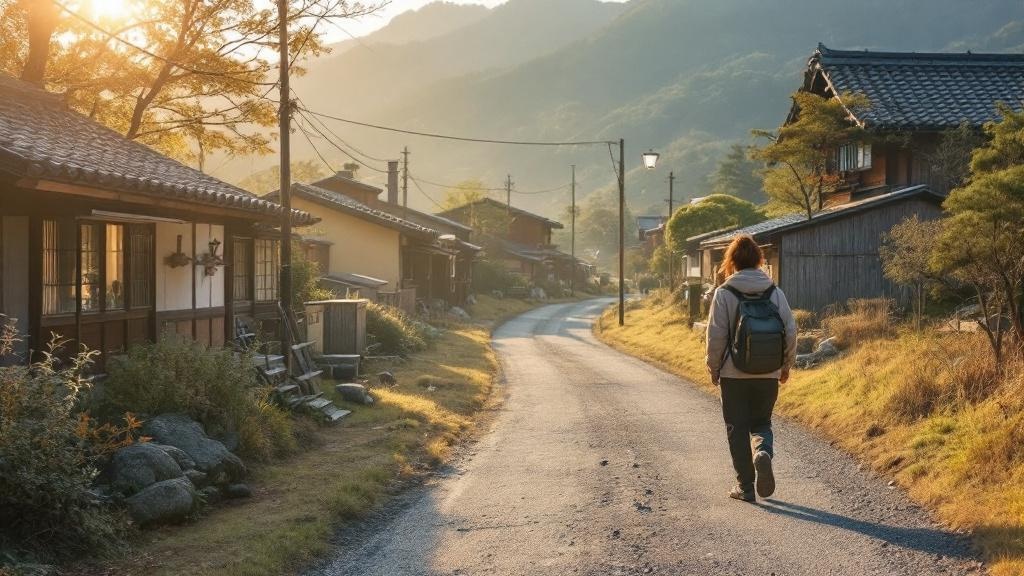
The small villages dotted along the Kumano Kodo offer a window into rural Japanese life that feels worlds away from the country’s famous megacities. These clusters of wooden homes with sloping roofs and smoke rising from hearths represent traditional Japanese mountain communities that have changed remarkably little over the decades.
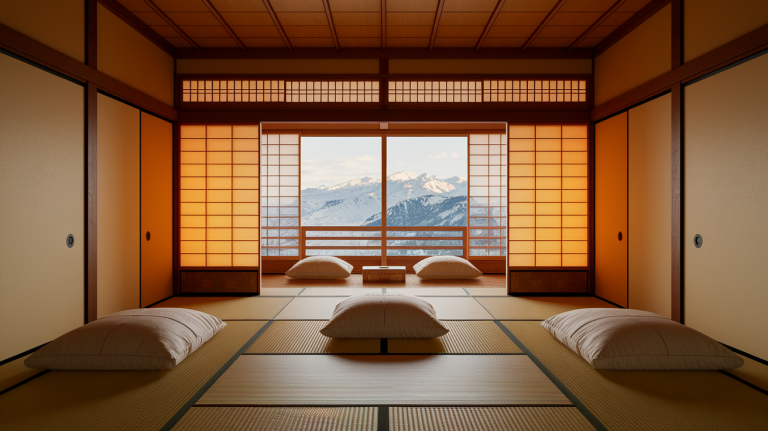
The hospitality in these villages follows the tradition of omotenashi—the Japanese art of wholehearted service. Local guesthouse owners don’t just provide a bed; they share their homes, their stories, and often their family meals. You’ll sleep on futons in tatami-mat rooms, soak in traditional baths, and wake to home-cooked Japanese breakfasts that showcase local ingredients.
This isn’t staged cultural tourism. These are real communities where people have lived for generations, and their welcome comes from a genuine tradition of caring for pilgrims. The pace of life moves slower here. Tea fields and herb gardens surround the villages, and you’ll see locals tending their gardens, hanging laundry, and going about daily routines that connect them to centuries of tradition.
Quick Immersion into Traditional Culture
The Kumano Kodo delivers cultural immersion without requiring weeks of travel. Even a short three-to-four-day walk gives you authentic experiences that would take much longer to find in Japan’s cities. You’ll naturally practice Japanese customs—removing shoes before entering homes, using chopsticks at every meal, navigating public baths, and learning basic phrases that create genuine connections with locals.
The trail’s infrastructure supports this cultural exchange. Unlike hiking in many other countries where you camp or stay in impersonal hotels, the Kumano Kodo’s accommodation system—primarily minshuku (family-run guesthouses) and ryokan (traditional inns)—puts you in direct contact with Japanese hospitality traditions. You’re not observing culture from behind a camera lens; you’re living it.
3. Find Your Own Pace on Flexible Routes
Multiple Trail Options for Every Fitness Level
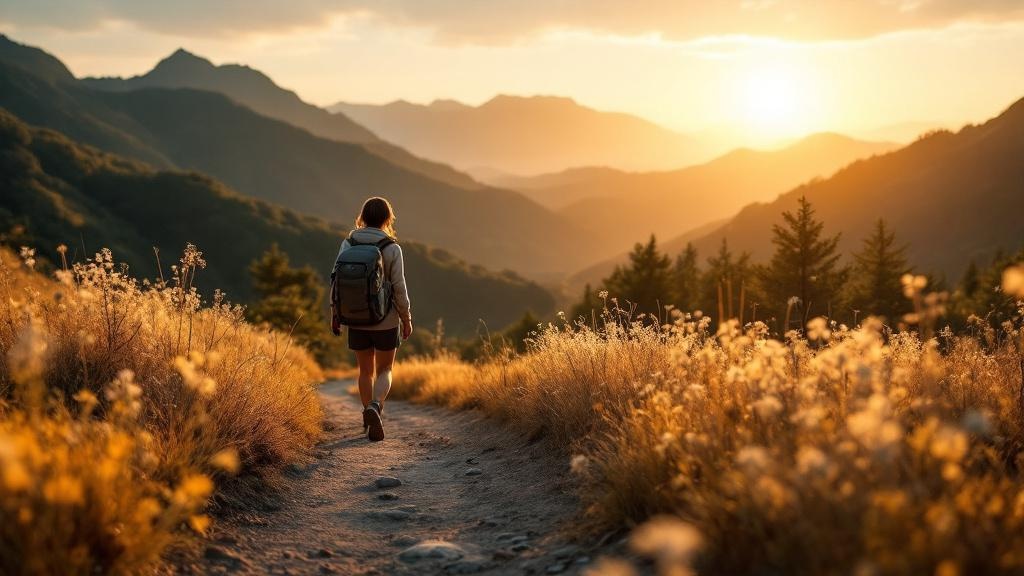
The Kumano Kodo isn’t a single path but a network of interconnected routes offering remarkable flexibility. You don’t need to be an ultra-marathoner or mountain climbing expert to walk here. The trail system accommodates everyone from casual walkers to serious hikers, and you can customize your experience based on your fitness level, available time, and interests.
This flexibility removes one of the biggest barriers to pilgrimage hiking: the fear that you’re not “fit enough” or “experienced enough.” You absolutely can walk the Kumano Kodo at your own level. Some sections involve steep climbs and challenging terrain, but you can choose routes that match your capabilities. The most popular route, the Nakahechi, offers accessible walking that most people with moderate fitness can handle comfortably.
The trail’s design also allows for progressive challenges. You might start with an easier section to build confidence and stamina, then tackle more demanding routes as you find your rhythm. Or you can stick with gentler paths throughout your entire journey—there’s no pressure to prove anything or compete with other walkers.
The Complete Route Breakdown Made Simple
Understanding your options helps you plan the perfect walk. Here’s what each major route offers:
Nakahechi Route: The most popular and accessible option, perfect for first-timers. This route takes you through the heart of the Kumano region, connecting the three grand shrines (Kumano Sanzan) via mountain paths through cedar forests. The infrastructure here is well-developed, with clear signage and plenty of accommodation options. Most people complete the main sections in 3-5 days.
Kohechi Route: More challenging mountain paths for experienced hikers who want solitude and dramatic landscapes. This route crosses the Kii Mountains and requires good fitness and navigation skills. The rewards include stunning mountain vistas and a deeper sense of accomplishment.
Ohechi Route: Coastal sections with stunning ocean views that provide a completely different experience from the mountain routes. You’ll walk along cliffs overlooking the Pacific, visit fishing villages, and enjoy the contrast between forest and sea. This route offers gentler terrain with spectacular scenery.
Iseji Route: The longest route with diverse landscapes stretching from Ise to Kumano. This path takes you through varied terrain including bamboo forests, mountain passes, and rural farmland. It’s less traveled than the Nakahechi, offering more solitude.
Omine-Okugakemichi: The most difficult route, traditionally reserved for serious pilgrims and experienced mountain hikers. This challenging path follows the ridge of the Omine Mountains and requires technical hiking skills. It’s not recommended for first-time visitors but represents the ultimate Kumano Kodo challenge for those ready for it.
Walk at Your Own Rhythm
One of the Kumano Kodo’s greatest advantages is that you’re not locked into a group tour schedule. You book your own accommodations, walk at your own pace, and spend as much or as little time as you want at shrines, viewpoints, and villages along the way. Feel like stopping for an extended lunch by a waterfall? Go ahead. Want to start early to catch the morning light in the forest? Your choice.
This self-directed approach means you can listen to your body. If you’re feeling strong, you can cover more distance. If you need a rest day, you can stay an extra night in a village and explore the local area. The trail doesn’t dictate your experience—you do. This flexibility makes the Kumano Kodo accessible to people who might feel intimidated by more regimented pilgrimage routes or guided hiking tours.
4. Discover Stunning Natural Beauty at Every Turn
Ancient Cedar Forests and Changing Light
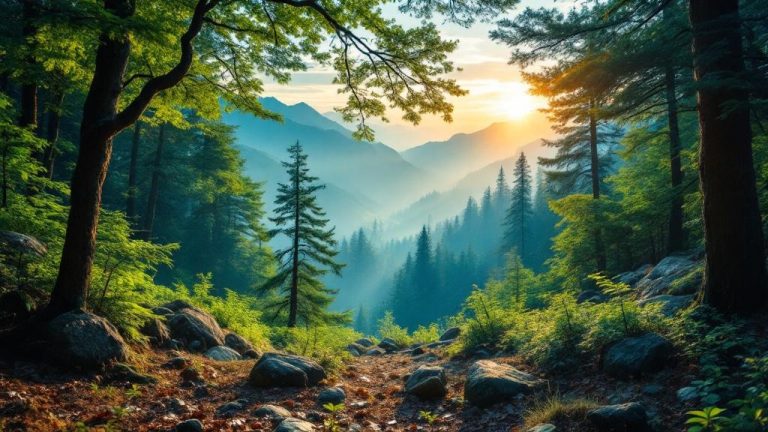
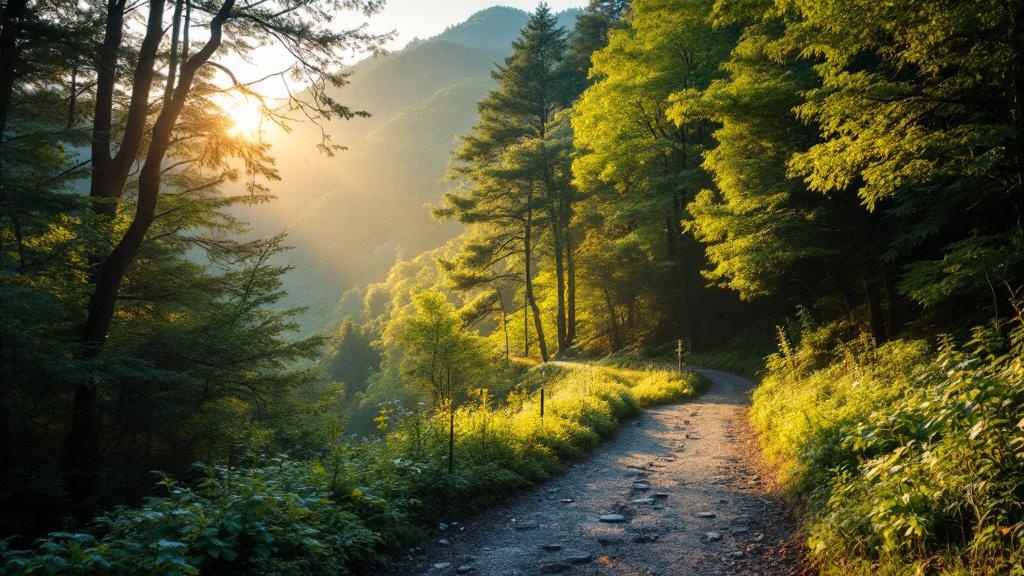
The Kumano Kodo’s forests create an atmosphere that borders on magical. Massive cedar trees tower overhead, their trunks so thick it would take several people linking arms to encircle them. These ancient giants have witnessed centuries of pilgrims passing beneath their branches, and walking among them feels like entering a natural cathedral.
The light through these forests changes constantly throughout the day, creating different moods and revealing new details. Early morning brings mist that clings to the valleys, softening the landscape into something dreamlike. Midday sun filters through the canopy in dramatic shafts that illuminate patches of moss-covered stones and ferns. Late afternoon bathes everything in warm golden tones that make the forest glow.
These aren’t manicured gardens—this is wild forest that has been respected and protected for over a thousand years. The trees are considered sacred in Shinto belief, which has helped preserve them from logging. As you walk, you’ll notice how the path works with the landscape rather than forcing straight lines through it. Stone steps follow the natural contours, and the trail feels like an organic part of the forest rather than an intrusion.
Hidden Waterfalls and Swimming Spots
The Kumano region’s rivers and streams create countless opportunities for refreshing breaks. Hidden waterfalls appear around bends in the trail, offering photo opportunities and the soothing sound of rushing water. Some of these falls have been sacred sites for centuries, places where pilgrims performed purification rituals before continuing their journey.
But here’s something most guidebooks don’t emphasize enough: the swimming spots. On hot days (and summers in Japan can be steamy), you’ll find crystal-clear pools perfect for cooling off. Local knowledge helps here—your guesthouse hosts can point you toward the best swimming holes, places where you can take a refreshing dip in mountain-cold water after hours of walking.
These natural bathing spots connect you to the landscape in a visceral way. There’s something transformative about washing trail dust off in a forest stream, surrounded by ancient trees and the sound of water over stones. It’s a simple pleasure that modern life rarely offers, and it exemplifies the Kumano Kodo’s ability to return you to essentials.
Rolling Hills and Diverse Landscapes
The Kumano Kodo’s landscape constantly shifts, preventing any sense of monotony. You’ll climb from valley floors through multiple vegetation zones, watching the plant life change as you gain elevation. Rolling hills covered in tea fields give way to dense forest, which opens onto mountain ridges with panoramic views across the Kii Peninsula.
This diversity means your eyes never get bored. One hour you’re walking through bamboo groves where the stalks creak and rustle in the wind. The next you’re crossing open hillsides where you can see for miles. Then you descend into a valley where rice paddies create geometric patterns across the landscape.
The seasonal changes add another layer of variety. Spring brings cherry blossoms and fresh green growth. Summer means lush vegetation and the sound of cicadas. Autumn transforms the forests into tapestries of red, orange, and gold. Winter, while less popular with tourists, offers its own stark beauty with occasional snow dusting the peaks.
Natural Hot Springs for Ultimate Relaxation
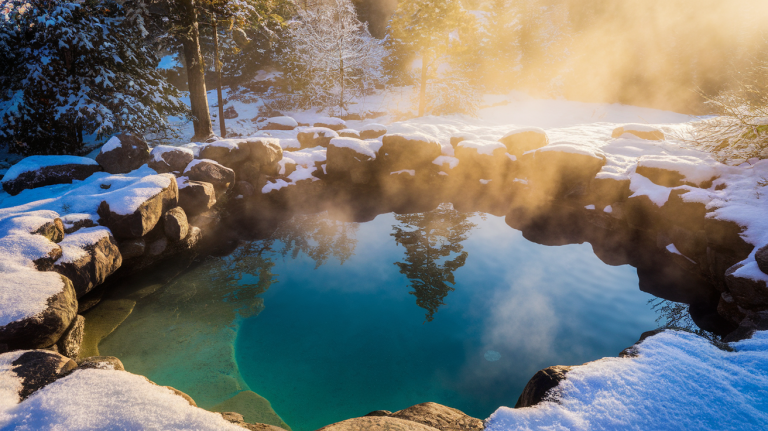
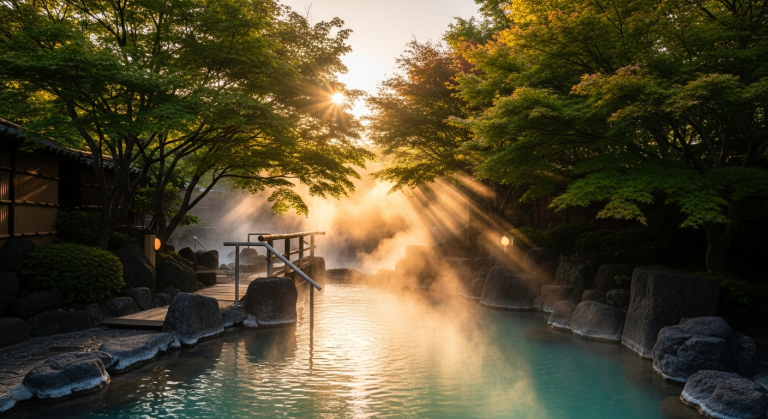
After a long day of walking, few things feel better than sinking into a natural hot spring. The Kumano region is blessed with numerous onsen (hot springs) that provide the perfect recovery tool for tired muscles. These aren’t artificial spas—they’re natural geothermal springs that have been used for centuries.
Many guesthouses along the trail have their own onsen facilities, while some villages have public bath houses where you can soak alongside locals. The ritual of bathing in Japan is an art form, and experiencing it in a traditional setting adds another dimension to your cultural immersion.
The combination of physical exertion during the day and deep relaxation in hot mineral water at night creates a rhythm that feels incredibly restorative. Your body adapts to the routine, and many walkers report sleeping better on the Kumano Kodo than they have in years. The hot springs aren’t just a luxury—they’re an integral part of the pilgrimage experience that helps you sustain multiple days of walking.
5. Enjoy Simple Logistics and Proven Infrastructure
Easy-to-Follow Trail Marking
One of the biggest concerns for independent hikers is navigation, but the Kumano Kodo makes this surprisingly straightforward. The trails are well-marked with clear signage in both Japanese and English at key junctions. You’ll see distinctive markers featuring a three-legged crow (Yatagarasu), the symbol of the Kumano region, that confirm you’re on the right path.
The main routes, especially the popular Nakahechi, are difficult to get lost on. The paths are well-maintained, and the signage frequency means you’re never left wondering if you’ve taken a wrong turn. Stone markers have guided pilgrims for centuries, and modern additions complement rather than replace these traditional wayfinding tools.
That said, bringing a good map or guidebook adds confidence and helps you understand what’s coming next. The Kumano Tourism Bureau provides excellent resources, and several detailed English-language guidebooks exist. GPS apps work in most areas, though signal can be spotty in deep valleys. The point is that navigation doesn’t require advanced orienteering skills—if you can follow marked trails in any national park, you can navigate the Kumano Kodo.
Book Your Own Experience Without Complications
Unlike some pilgrimage routes that require tour operators or complex booking systems, you can arrange your Kumano Kodo walk independently with relative ease. The infrastructure supports self-guided walking, and English-language resources have improved dramatically in recent years.
You’ll need to book accommodations in advance, especially during peak seasons (spring and autumn). Most guesthouses and ryokan can be reserved through booking websites, though some smaller places require email or phone contact. This advance planning actually works in your favor—it forces you to commit to a realistic daily distance and ensures you have a guaranteed bed after each day’s walk.
Many accommodations offer luggage forwarding services, meaning you can send your main bag ahead and walk with just a daypack. This service transforms the experience, allowing you to enjoy the trail without carrying everything you own on your back. You pack what you need for the next day, and your full luggage appears at your next guesthouse like magic.
The proven infrastructure means you’re not pioneering—you’re following a system that has been refined over years of hosting international walkers. Questions you have have been asked before, problems you might encounter have been solved, and the local tourism industry understands what foreign visitors need. This removes much of the stress that can accompany independent travel in a country where you don’t speak the language.
6. Create Space for Reflection and Personal Growth
Disconnect from Digital Overload
In our hyperconnected world, the Kumano Kodo offers something increasingly rare: legitimate reasons to disconnect. Cell service is spotty in the mountains, and the trail’s rhythm naturally pulls you away from screens. You’re not checking work emails while climbing stone steps through a cedar forest. You’re not scrolling social media when you’re focused on your footing on a mountain path.
This forced digital detox happens organically rather than feeling like deprivation. You’re too engaged with the immediate experience—the physical challenge, the stunning scenery, the cultural encounters—to miss your phone. Many walkers report that the initial anxiety of being “offline” transforms into relief and then into a sense of freedom they haven’t felt in years.
The mental space this creates is profound. Without constant digital stimulation, your mind settles into different patterns. You notice more—the way light filters through leaves, the sound of wind in the trees, the rhythm of your own breathing. Thoughts that have been buried under daily noise surface and work themselves out as you walk. This isn’t forced meditation; it’s natural contemplation that arises from the combination of physical movement, natural beauty, and mental quiet.
Walk Your Way to Mental Clarity
There’s something about repetitive physical movement in beautiful surroundings that clarifies thinking. The Kumano Kodo gives you hours each day of this clarifying motion. You’re moving forward, literally and often metaphorically, with time to process whatever you’re carrying mentally and emotionally.
Many walkers describe breakthroughs in thinking about life decisions, creative projects, or personal relationships. The combination of physical exertion (which releases endorphins and reduces stress hormones) and contemplative space creates ideal conditions for insight. You’re not sitting in meditation trying to force clarity—you’re walking it out naturally.
The trail also provides perspective in the most literal sense. From mountain ridges, you can see vast distances across the landscape, which somehow makes your own problems feel more manageable. The ancient paths remind you that humans have been walking through challenges for millennia. The forest’s timeless quality puts your temporary concerns in context.
Connect with Fellow Travelers
Despite the trail’s relative solitude, you’ll cross paths with other walkers, creating opportunities for meaningful connections. There’s something about shared physical challenge and spiritual seeking that breaks down normal social barriers. Conversations happen naturally—at rest stops, at shrines, over dinner at guesthouses.
These connections often feel deeper than typical tourist interactions. You’re not just comparing sightseeing notes; you’re sharing an experience that requires commitment and vulnerability. Fellow walkers understand the aching feet, the triumph of reaching a difficult summit, the quiet moments of beauty that words can’t quite capture.
The international nature of the trail means you’ll meet people from around the world, all drawn to this sacred path for their own reasons. Some are processing grief, others celebrating life transitions, many simply seeking something they couldn’t name before they arrived. These shared stories and mutual encouragement create a temporary community that many walkers cite as one of the journey’s unexpected gifts.
Return Home Transformed
The Kumano Kodo’s impact doesn’t end when you complete your walk. The experience tends to linger, influencing how you approach life after you return home. You’ve proven to yourself that you can handle physical challenges, navigate foreign situations independently, and find peace in simplicity. These aren’t small realizations.
Many walkers report lasting changes in their daily lives—a continued appreciation for walking, a reduced need for constant digital stimulation, a shift in what feels important. The trail shows you that you can be happy with less stuff, that your body is capable of more than you thought, and that slowing down reveals details you miss when rushing.
This transformation isn’t guaranteed or automatic, but the conditions for it are built into the experience. You’re removing yourself from normal routines, engaging in sustained physical activity, immersing in a different culture, and creating space for reflection. These elements combine to offer not just a vacation but a potential reset on how you live.
Your Journey Begins with a Single Step
The Kumano Kodo delivers everything modern travelers claim to want: authentic cultural experiences, natural beauty, physical challenge, spiritual depth, and time to disconnect from daily stress. But unlike many destinations that promise these things, the ancient pilgrimage routes actually deliver.
You don’t need to be a serious hiker, a spiritual seeker, or a Japan expert to walk here. You just need curiosity, reasonable fitness, and a willingness to embrace an experience that’s different from typical tourism. The trails have welcomed pilgrims for over a thousand years, and they’re ready to welcome you.
The practical barriers are lower than you might think. The infrastructure supports independent travelers, English resources exist, and you can customize the experience to match your abilities and interests. The real question isn’t whether you can do it—it’s whether you’re ready to give yourself this gift of time, movement, and discovery.
Start researching routes and booking accommodations for your preferred season. The Kumano Kodo isn’t going anywhere—these paths have survived a millennium and will be here when you’re ready. But your opportunity to walk them is now, while you have the health, time, and desire to undertake this journey.
What are you waiting for? The ancient cedars, sacred shrines, and mountain paths of the Kumano Kodo are calling. Answer with your feet, and discover why this pilgrimage route has transformed travelers for over a thousand years. Your journey begins with a single step—take it.