5 Most Sacred Shinto Shrines in Wakayama – Japan

Where Ancient Spirituality Meets Artistic Inspiration
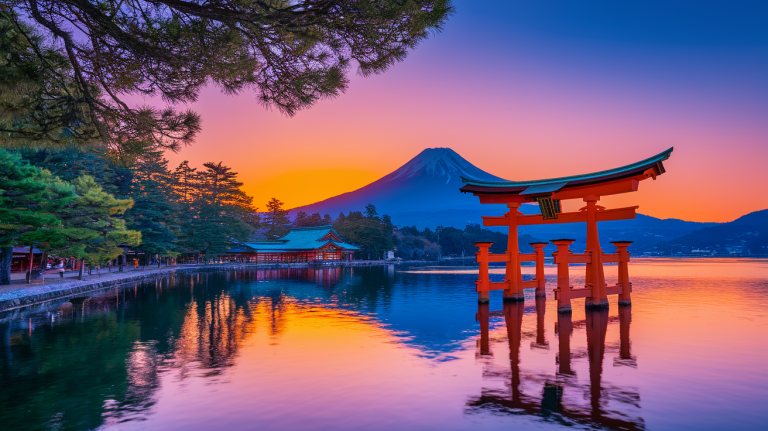
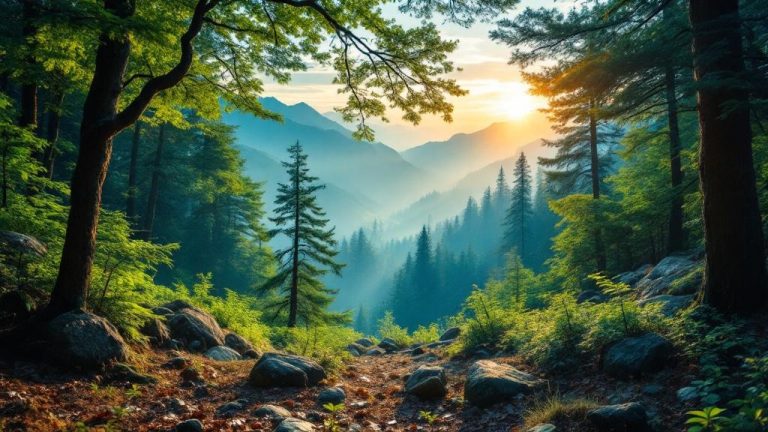
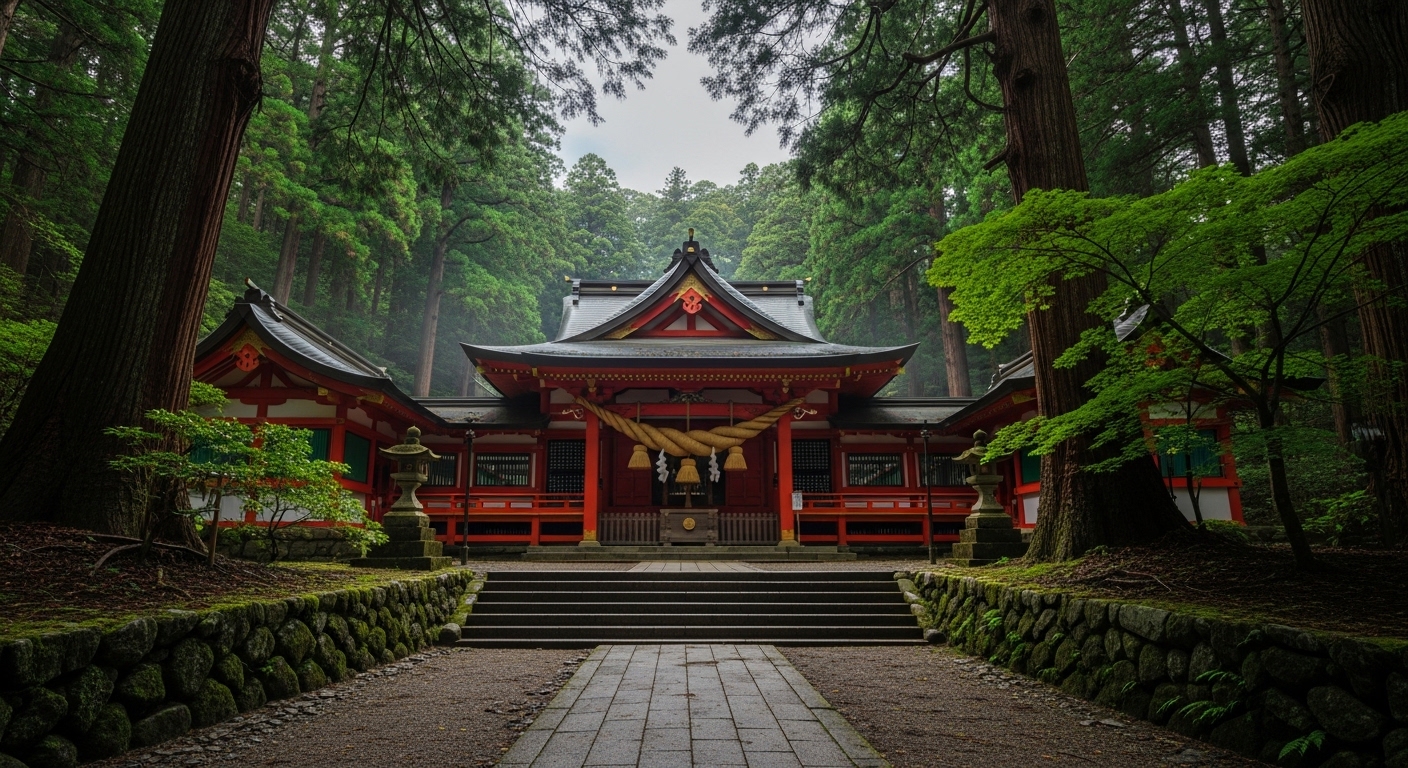
Imagine standing before a vermilion shrine gate framed by misty mountains, where centuries-old architecture meets Japan’s tallest waterfall—this is where creative souls find their muse in Wakayama’s sacred spaces.
Wakayama Prefecture, nestled in the mountainous Kii Peninsula south of Osaka, holds some of Japan’s most stunning spiritual treasures. These aren’t just places of worship—they’re living masterpieces where architecture, nature, and devotion create breathtaking compositions that have inspired artists for over a thousand years.
For creative minds facing the familiar blank-canvas anxiety, these shrines offer something profound. The intentional design, the captivating color palettes, the way natural elements flow seamlessly into human-made structures—it’s a masterclass in artistic expression. You’ll find lessons in minimalism, color theory, and spatial composition that can transform your creative practice.
What makes Wakayama’s shrines unique is their designation as UNESCO World Heritage sites under the “Sacred Sites and Pilgrimage Routes in the Kii Mountain Range.” These aren’t tourist attractions—they’re authentic spiritual centers where ancient traditions remain vibrant and alive.
The Kumano Sanzan (Three Grand Shrines of Kumano) form the heart of this sacred landscape, connected by pilgrimage trails that have drawn seekers for centuries.
Whether you’re a painter searching for inspiring color combinations, a photographer hunting for that perfect composition, or simply a creative person who needs to break through artist’s block, these shrines deliver. The fusion of Shinto and Buddhist elements creates artistic complexity you won’t find anywhere else. The natural settings—from thundering waterfalls to serene riverside locations—provide endless subject matter.
This guide takes you through five sacred shrines that will reignite your creative passion and teach you design principles that transcend cultural boundaries.
Understanding Shinto Shrines as Living Art
The Artistic Elements of Shinto Architecture
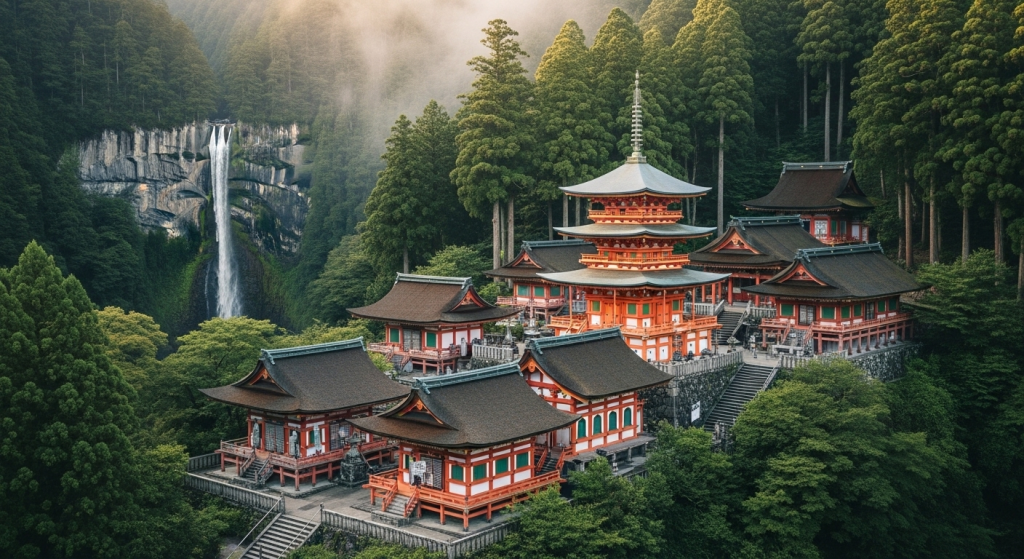
Shinto shrines are masterpieces of intentional design. That iconic vermilion color you see on torii gates and shrine buildings isn’t random—it’s a deliberate artistic choice with deep symbolic meaning. The vibrant red-orange hue represents protection against evil and connects the human world with the divine. For artists, it’s a lesson in how a single, bold color can define an entire aesthetic.
The materials matter deeply. Traditional shrine construction uses natural wood, stone, and thatch, allowing the grain patterns and textures to become part of the visual story. You’ll notice how craftsmen work with the material rather than against it—wood beams show their natural curves, stone lanterns display weathered surfaces that speak of time and devotion. This approach teaches us that imperfection creates character.
Sacred geometry appears throughout shrine design. The proportions of torii gates follow specific mathematical relationships that create visual harmony. The placement of buildings within the shrine complex follows principles of balance and flow that guide visitors through a carefully choreographed experience. Study these layouts with an artist’s eye, and you’ll discover compositional techniques applicable to any creative medium.
Why Artists Should Study Shrine Design
Shrine architecture delivers a masterclass in minimalism. There’s no excess decoration, no visual clutter—every element serves both functional and aesthetic purposes. This restraint creates powerful impact. When you return to your studio, you’ll find yourself questioning whether each element in your work truly needs to be there.
The color theory lessons are equally valuable. Traditional shrine palettes combine vermilion with natural wood tones, white paper elements, and the green of surrounding forests. These combinations create vibrant yet harmonious compositions that never feel overwhelming. Notice how the bold red pops against neutral backgrounds, how white accents provide visual rest, how natural colors ground the entire scene.
The integration of nature into shrine design teaches us about context. These structures don’t dominate their landscapes—they collaborate with them. Trees frame views, mountains provide backdrops, water elements reflect and enhance. Your artwork can learn from this: how does your subject relate to its environment? What role does negative space play?
Capturing the Spirit: Photography and Sketching Tips
Early morning offers the most stunning light for shrine photography. The soft, angled rays create dramatic shadows and beautifully illuminate architectural details. Mist often clings to the mountains at dawn, adding an ethereal quality to your images. Arrive before the crowds, and you’ll have these captivating spaces to yourself.
Respect remains paramount when documenting sacred sites. Always check posted signs about photography restrictions. Some inner sanctuary areas prohibit cameras entirely. When in doubt, ask permission. Put your camera down during ceremonies and prayers—some moments deserve to be experienced rather than captured.
For quick sketching, focus on architectural details rather than entire structures. That carved wooden beam, the way a stone lantern sits among moss, the curve of a roof against the sky—these studies build your visual reference library. Use a small sketchbook that fits in your pocket so you’re always ready when inspiration strikes.
The Kumano Sanzan: Three Grand Shrines of Sacred Artistry
What Makes the Kumano Sanzan Unique
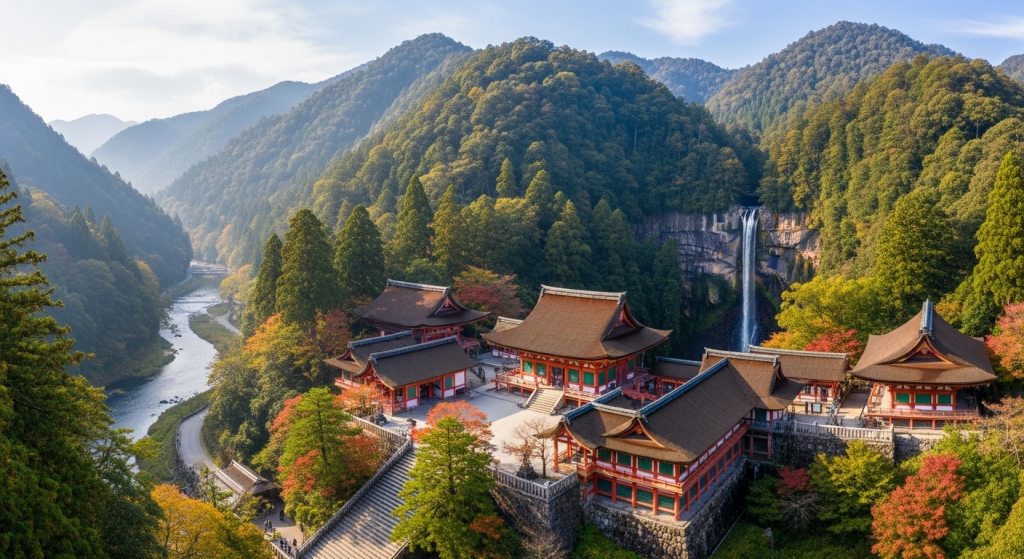
The Kumano Sanzan—Kumano Hongu Taisha, Kumano Hayatama Taisha, and Kumano Nachi Taisha—form a sacred triangle in southern Wakayama. Their UNESCO World Heritage designation recognizes their extraordinary cultural and artistic significance. These aren’t just individual shrines; they’re interconnected nodes in a spiritual network that has drawn pilgrims for over a thousand years.
The ancient Kumano Kodo pilgrimage trails connect these three shrines through stunning mountain landscapes. Walking these paths, you’ll understand how the journey itself becomes part of the artistic experience. The trails wind through cedar forests, past waterfalls, over mountain passes—each turn reveals new compositions that have inspired countless artists throughout history.
What makes these shrines truly unique is their creative fusion of Shinto and Buddhist traditions. During Japan’s medieval period, these religions blended in fascinating ways. You’ll see Buddhist temples adjacent to Shinto shrines, architectural elements that combine both traditions, and artistic motifs that draw from dual spiritual sources. This syncretism created visual complexity that enriches every visit.
The Artistic Journey Between Shrines
The landscapes connecting the Kumano Sanzan are as inspiring as the shrines themselves. Ancient cypress and cedar trees create cathedral-like spaces along the trails. Sunlight filters through the canopy in dramatic shafts. Moss-covered stone markers guide your way like sculptural installations in a natural gallery.
These natural elements have captivated Japanese artists for centuries. Landscape paintings, poetry, calligraphy—all draw inspiration from these sacred mountains. You’re walking through living art history, seeing the same vistas that influenced masters of traditional Japanese art forms.
Budget-friendly options exist for experiencing the pilgrimage. You don’t need to hike the entire multi-day route. Bus services connect the three shrines, allowing you to visit all three in a single day. Alternatively, choose one section of trail to walk, then use public transportation for the rest. This approach gives you the artistic experience of the pilgrimage without requiring extensive time or physical preparation.
Historical Context for Creative Understanding
Understanding the history deepens your artistic appreciation. The Kumano shrines became pilgrimage destinations over a thousand years ago, drawing emperors, samurai, and commoners alike. This democratic accessibility—unusual for the time—meant artistic influences flowed from all social classes.
The beautiful fusion of Buddhism and Shintoism created unique artistic traditions. Shinto’s focus on nature worship combined with Buddhist philosophical depth. Architecturally, you’ll see torii gates leading to Buddhist temple halls, or Buddhist guardian statues protecting Shinto sanctuaries. These combinations challenged artists to develop new visual languages.
The mythology surrounding these shrines provides endless inspiration. Stories of gods descending to sacred waterfalls, of divine crows guiding lost travelers, of spiritual rebirth through pilgrimage—these narratives inform the artistic choices you’ll observe throughout the complex. When you understand the stories, you see the art differently.
Kumano Nachi Taisha: Where Water Meets Wonder
The Captivating Nachi Waterfall
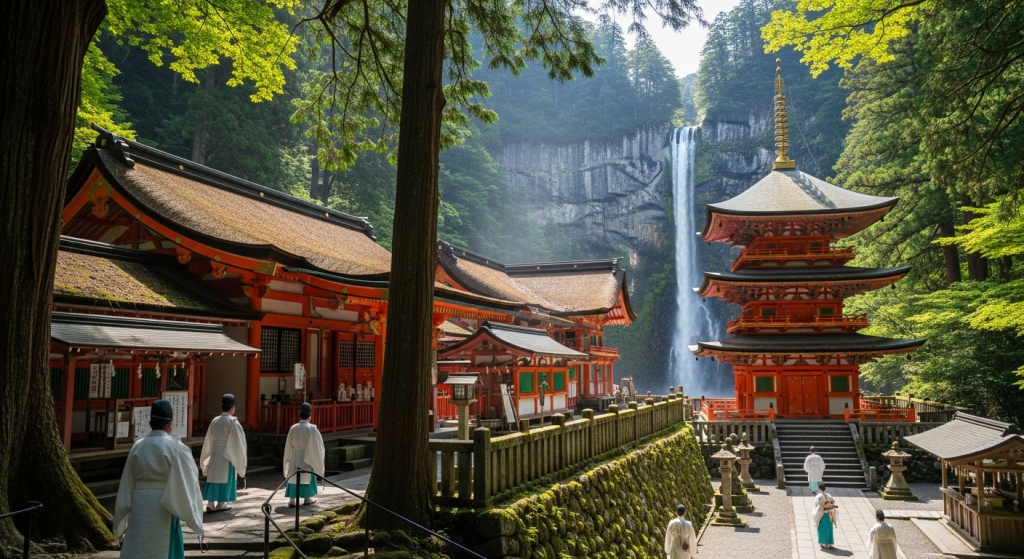
Nachi Falls thunders down 133 meters, making it Japan’s tallest waterfall and a natural masterpiece that takes your breath away. The shrine sits halfway up Nachi Mountain, positioned so the vermilion three-story pagoda frames the waterfall in one of Japan’s most photographed compositions. This intentional placement demonstrates sophisticated artistic vision—the builders created a stunning dialogue between human architecture and natural power.
The vibrant interplay between shrine structures and cascading water creates dynamic tension. The solid, angular lines of buildings contrast with the fluid, organic movement of falling water. The bright vermilion pops against white foam and green forest. For painters, this location offers lessons in balancing opposing elements—stillness and motion, geometry and chaos, warm and cool colors.
Photography opportunities here are exceptional. The classic shot frames the pagoda with the waterfall behind it, but don’t stop there. Explore different angles—shoot from below looking up, capture details of water spray catching light, photograph the stone steps leading toward the falls. Each perspective reveals new compositional possibilities. The mist from the waterfall adds atmospheric effects that change throughout the day.
Architectural Highlights and Artistic Details
The shrine’s positioning demonstrates brilliant spatial planning. Rather than dominating the landscape, the buildings nestle into the mountainside, working with the terrain’s natural contours. This humility in scale allows the waterfall to remain the focal point while the shrine provides human context and spiritual meaning.
Look closely at the vermilion structures against the lush green forest. This color combination—red and green as complementary opposites—creates maximum visual impact. Traditional Japanese artists understood color theory intuitively, and you see that knowledge applied throughout the shrine complex. The neutral wood tones provide transition colors that prevent the palette from becoming jarring.
Sacred design elements create visual harmony throughout. Stone lanterns line pathways, their weathered surfaces adding textural interest. Wooden railings follow organic curves. The pagoda’s tiered roofs create rhythmic repetition that draws the eye upward toward the waterfall. Every element serves the overall composition.
Creative Inspiration from Nachi Taisha
Extract color palettes from this location for your artwork. The primary vermilion, forest green, and stone gray create a bold yet natural combination. Add touches of white from the waterfall and sky, and you have a versatile palette that works across media. Take photos specifically for color reference, noting how natural light shifts these hues throughout the day.
Compositional lessons abound here. Notice how the pagoda creates a strong vertical element that balances the waterfall’s vertical flow. The horizontal lines of the shrine buildings provide stability. Foreground, middle ground, and background are clearly defined, creating depth. Apply these principles to your own work—how do vertical and horizontal elements balance? Does your composition have clear spatial layers?
Try this sketching exercise: spend twenty minutes capturing the waterfall’s movement, then twenty minutes on the pagoda’s geometric precision. This practice of alternating between organic and structured subjects trains your eye and hand to handle both with equal skill. The contrast sharpens your observational abilities.
Kumano Hayatama Taisha: Riverside Beauty and Ancient Power
The Expressive Location by Kumano River
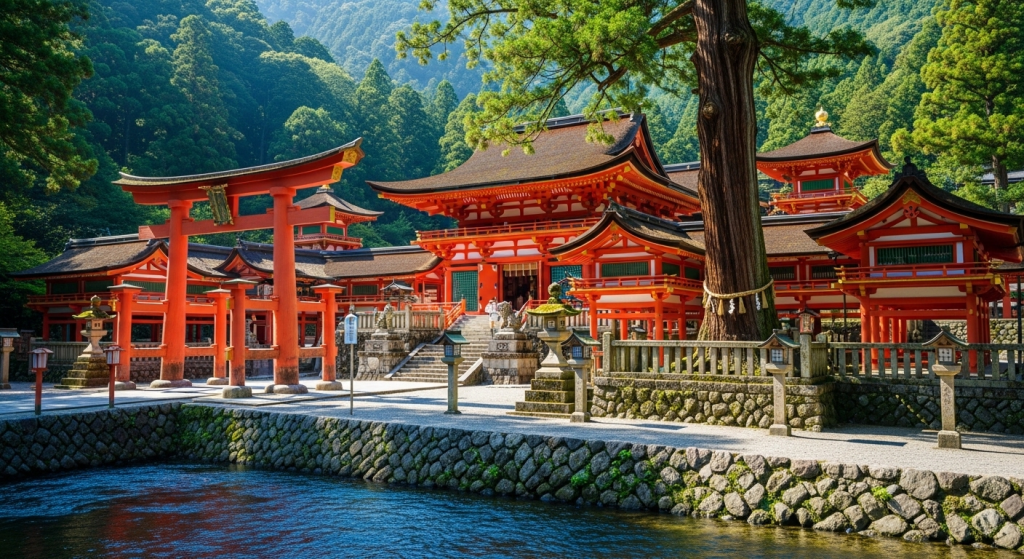
Kumano Hayatama Taisha sits near the Kumano River, and this riverside location infuses the shrine with a different energy than its mountain counterparts. Water has always inspired creative flow—there’s something about moving water that unlocks artistic thinking. The river’s presence creates reflections, adds sound, and provides a sense of journey and passage.
The shrine originally stood even closer to the river but was moved to its current location while remaining near the water. This historical evolution adds layers of meaning—the shrine adapted to changing conditions while maintaining its essential character. As artists, we can learn from this flexibility, this willingness to evolve while staying true to core vision.
Capturing reflections and natural light near the river offers unique opportunities. Early morning and late afternoon provide the best light for water photography. The river surface becomes a mirror, doubling your compositional elements. Experiment with shutter speeds—fast captures sharp reflections, slow creates dreamy blur. Both approaches yield artistic results.
Architectural Features That Captivate
Hayatama Taisha’s distinctive design elements set it apart from the other Kumano shrines. The main hall features elegant proportions and refined decorative details. The vermilion here feels slightly different—perhaps the river light affects perception, or the specific paint formulation varies. These subtle differences reward careful observation.
Sacred trees integrate into the shrine grounds, their massive trunks and spreading branches creating natural architectural elements. One ancient tree, over 800 years old, stands as a living connection to the shrine’s history. The way these trees are preserved and honored within the complex teaches respect for natural forms—they’re not merely decoration but essential elements of the sacred space.
For color and texture studies, focus on how weathering affects different materials. The wood shows age differently than stone. Metal fixtures develop patina. These surface qualities add visual richness and tell stories of time passing. In your artwork, consider how you can suggest age and history through texture rather than just color.
Practical Tips for Artists Visiting
The best vantage points for sketching sit along the approach path before you reach the main shrine buildings. Here you can capture the shrine framed by trees, with the river visible in the background. A small bench area provides comfortable seating for longer drawing sessions. Respect other visitors by keeping your setup compact and movable.
Seasonal variations create dramatically different artistic opportunities. Spring brings cherry blossoms that add delicate pink to the palette. Summer’s lush green intensifies the forest backdrop. Autumn transforms the scene with vibrant reds and golds. Winter’s bare branches reveal architectural details hidden during leafy seasons. Each visit could yield completely different artwork.
Transportation between Kumano sites is straightforward and budget-friendly. Local buses run regularly between the three main shrines. From JR Shingu Station, Kumano Kotsu buses reach Hayatama Taisha quickly. If you’re visiting all three shrines in one day, buses provide the most economical option. Car rental offers more flexibility but isn’t necessary unless you want to explore remote trail sections.
Kumano Hongu Taisha: The Grand Masterpiece
The Largest and Most Inspiring of the Three
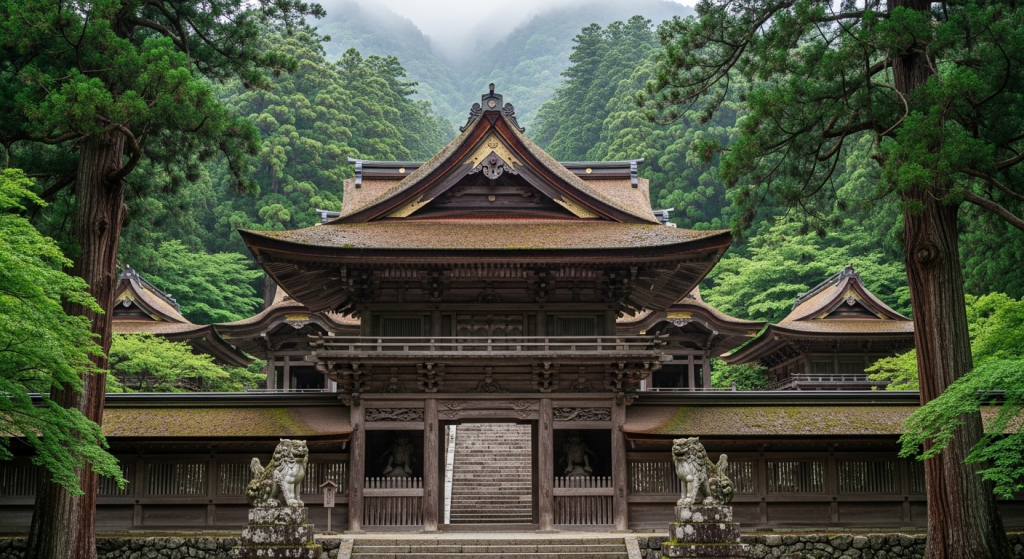
Kumano Hongu Taisha serves as the head shrine of the Kumano Sanzan, and its scale reflects this importance. The main shrine buildings sit atop a hill, their elevated position creating a sense of ascending toward the divine. This vertical journey—climbing stairs, rising through the landscape—adds physical dimension to spiritual experience and provides artists with dramatic perspective opportunities.
The historical significance runs deep. Emperors made pilgrimages here. The shrine has served as a spiritual center for over two thousand years. This accumulated devotion creates an atmosphere you can feel—and capture in your artwork. Sometimes the most powerful images communicate emotion rather than just documenting appearance.
The famous giant torii gate at Oyunohara stands in the valley below the current shrine. At 33.9 meters tall, it’s one of Japan’s largest torii gates, and its black steel construction creates striking contrast against the sky. This modern addition (erected in 2000) demonstrates how sacred sites continue evolving artistically while honoring tradition. The gate marks the shrine’s original location before flooding forced relocation in 1889.
Artistic Elements Worth Studying
The roof construction showcases traditional craftsmanship at its finest. The cypress bark shingles (hinoki bark) layer in precise patterns that create both waterproofing and visual texture. The roof curves follow mathematical proportions that create graceful lines. Study how these curves interact with the straight vertical posts—this interplay between curved and straight lines creates dynamic tension.
The creative use of space in the shrine layout guides visitors through a carefully planned experience. You enter through torii gates, climb stairs, pass through additional gates, and finally reach the main hall. Each threshold marks a transition, each level change shifts perspective. This sequential revelation teaches artists about pacing—how you reveal elements affects emotional impact.
Natural surroundings enhance the spiritual atmosphere without overwhelming it. The shrine sits in a forested valley surrounded by mountains. This embracing landscape creates intimacy despite the shrine’s grand scale. Notice how the buildings relate to the terrain—they work with the hillside rather than dominating it. This environmental sensitivity offers lessons for any creative project about context and relationship.
Finding Your Creative Voice Here
Meditation and reflection practices can break through artist’s block. Find a quiet spot within the shrine grounds, sit comfortably, and simply observe. Don’t try to sketch or photograph immediately—just look. Notice details you missed on first pass. Let the space speak to you without forcing interpretation. This receptive state often unlocks creative insights that active seeking misses.
Try these journaling prompts inspired by the shrine’s energy: What does sacred space mean to you? How do you create thresholds in your own work? What elements would you include in your personal shrine to creativity? Writing freely about these questions can reveal artistic directions you hadn’t considered.
Sketching exercises for architectural detail work: Choose one decorative element—a carved beam end, a metal fixture, a stone lantern. Draw it five times from different angles. This repetitive focus trains your eye to see nuance and your hand to render complex forms. The practice matters more than producing finished artwork.
In Closing: Your Sacred Creative Journey Awaits
Wakayama’s sacred shrines offer more than beautiful photo opportunities—they provide artistic education in design, color, composition, and the relationship between human creativity and natural beauty. The five shrines explored here—Kumano Nachi Taisha with its stunning waterfall, Kumano Hayatama Taisha’s riverside elegance, and Kumano Hongu Taisha’s grand scale, along with the countless smaller shrines dotting the landscape—each deliver unique inspiration.
These spaces transform your creative practice by teaching principles that transcend cultural boundaries. The intentional minimalism, the bold yet harmonious color palettes, the integration of natural and human-made elements—these lessons apply whether you paint, photograph, design, or practice any creative discipline. The vibrant traditions maintained here demonstrate that ancient wisdom remains relevant for contemporary artists.
The masterpiece you create begins with the journey you take. Book that flight to Osaka, take the train to Wakayama, and immerse yourself in these sacred spaces. Bring your sketchbook, your camera, and most importantly, your open creative spirit. Walk the pilgrimage paths, sit quietly in shrine courtyards, and let centuries of artistic tradition inform your practice.
These shrines prove that spirituality, nature, and art form an inseparable trinity. When you return home, you’ll carry not just photographs and sketches, but a deeper understanding of how intentional design creates emotional impact. Your artwork will reflect the lessons learned from vermilion gates, cascading waterfalls, and sacred architecture that has inspired creative souls for over a thousand years.
Your artistic pilgrimage awaits. The only question is when you’ll begin.