
11 Undiscovered Destinations to Visit in 2026

While everyone else is booking the same overcrowded hotspots for 2026, savvy travelers are quietly adding lesser-known gems to their bucket lists—places that offer authentic experiences without the tourist traps, Instagram hordes, or inflated prices.
You’ve got limited vacation days, a realistic budget, and zero interest in fighting crowds at overrated landmarks. What if this could be the year you discover breathtaking destinations before they explode on social media? These 11 undiscovered places deliver unforgettable experiences, local culture, and that perfect mix of adventure and relaxation—all while your friends are still stuck in the same old tourist queues.
The travel landscape is shifting. Overtourism has created a backlash that’s opening up opportunities in overlooked regions. Smart travelers are embracing the “hushpitality” trend—seeking quieter, more meaningful escapes that restore rather than exhaust. Rising costs in popular destinations make these hidden gems even more attractive, offering better value without sacrificing quality.
These destinations share something special: local communities that are still genuinely welcoming, not tourist-fatigued. You’ll access authentic cultural experiences before commercialization takes over, creating memories that feel personal rather than packaged. This is travel the way it used to be—full of discovery, connection, and those magical moments you can’t plan.
Why 2026 Is the Perfect Year to Go Off the Beaten Path
The Travel Landscape Is Shifting
The overtourism crisis that dominated headlines in 2024 and 2025 has fundamentally changed how we think about travel. Venice implemented day-tripper fees, Barcelona restricted cruise ships, and Santorini capped daily visitors. These measures aren’t temporary—they signal a permanent shift in the travel industry.
This backlash creates unprecedented opportunities for travelers willing to look beyond the usual suspects. Overlooked regions are investing in sustainable tourism infrastructure, welcoming visitors who appreciate authenticity over Instagram backdrops. You’re not settling for second-best—you’re discovering places that deliver the experiences popular destinations once offered before crowds ruined them.
The “hushpitality” trend captures what travelers actually want in 2026: quiet luxury, meaningful connections, and spaces to decompress from our overstimulated daily lives. We’re done with sensory overload vacations where you return home more exhausted than when you left. These undiscovered destinations offer the antidote—places where you can actually hear yourself think.
The Authentic Experience Advantage
Here’s what makes these destinations special: the locals are genuinely happy to see you. They haven’t developed the weary indifference that comes from serving thousands of tourists daily. Restaurant owners remember your name, shopkeepers share stories about their crafts, and guides offer insights instead of memorized scripts.
The financial advantage is real. While popular destinations exploit demand with inflated prices, these hidden gems offer exceptional value. You’ll stay in charming boutique hotels for what you’d pay for a basic chain room in Paris. Meals at family-run restaurants cost less than fast food in London. Your vacation budget stretches further, allowing you to splurge on experiences rather than just covering basics.
Most importantly, you’ll access genuine cultural experiences before commercialization waters them down. You’ll attend festivals created for locals, not tourists. You’ll eat at restaurants where the menu reflects regional traditions, not international expectations. You’ll explore landscapes without fighting for photo angles. This is the travel experience that created wanderlust in the first place—and it’s still available if you know where to look.
1. Umbria, Italy: Tuscany’s Secret Sister
Why Umbria Beats Tuscany in 2026
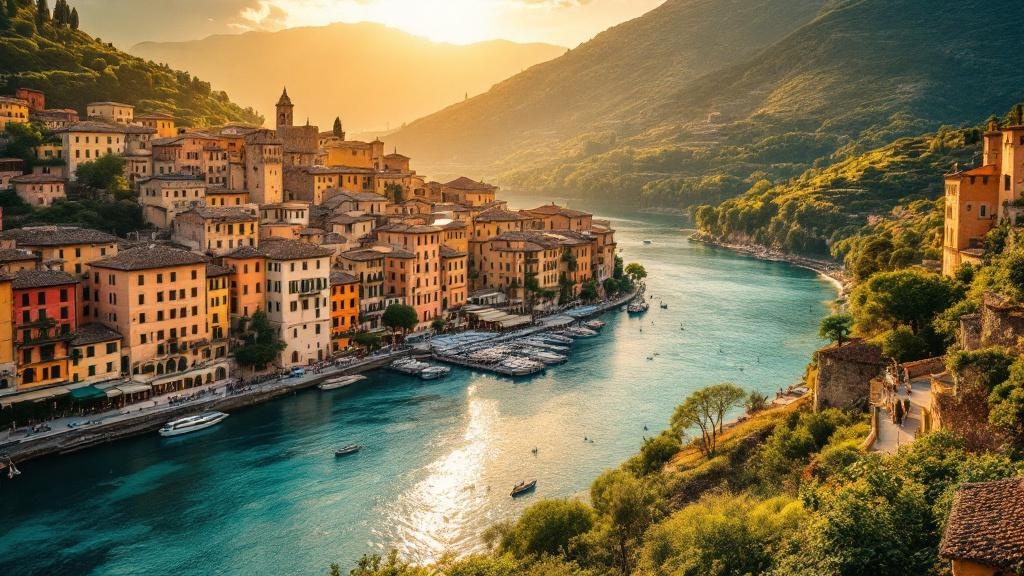
Umbria delivers everything you love about Tuscany—rolling hills dotted with cypress trees, medieval hill towns perched on ancient rocks, and cuisine that makes you rethink everything you knew about Italian food. The difference? Zero tour buses clogging narrow streets. No crowds blocking cathedral entrances. No restaurants with menus in eight languages serving mediocre pasta to undiscerning tourists.
This is the dreamy Italian landscape and easy lifestyle travelers hope to find in Tuscany but rarely do anymore. Life here remains unhurried, deeply rooted in centuries-old traditions that haven’t been packaged for mass consumption. Locals still gather in the piazza for evening passeggiata. Family-run trattorias serve recipes passed down through generations. Artisans practice traditional crafts in workshops that welcome curious visitors.
The financial advantage is substantial. Budget-conscious travelers can enjoy Umbria for $100-150 per day, including accommodations, meals, and activities—roughly half what you’d spend in Tuscany for comparable experiences. You’ll stay in restored farmhouses with stunning views, dine at authentic osterias where locals eat, and explore world-class art and architecture without the entrance queues.
What Not to Miss
Spoleto stands out as one of Italy’s most underrated hill towns. The Festival dei Due Mondi, held each June and July, transforms this stunning medieval city into a world-renowned celebration of performing arts. Even outside festival season, Spoleto captivates with its Roman theater, Romanesque cathedral, and the Ponte delle Torri—a spectacular 14th-century aqueduct spanning a dramatic gorge.
Orvieto offers one of Italy’s most breathtaking cathedrals, its Gothic facade gleaming with mosaics and marble. But the real magic lies beneath the city in an underground network of caves, tunnels, and chambers carved from volcanic rock over 2,500 years. These hidden passages reveal Etruscan wells, medieval wine cellars, and wartime refuges—a secret city few tourists discover.
Food lovers must visit Norcia, the birthplace of St. Benedict and Italy’s pork capital. Local truffle hunters offer immersive experiences searching for black truffles with trained dogs, followed by lunches featuring your discoveries. The surrounding Monti Sibillini National Park provides stunning hiking through mountains and wildflower meadows.
Practical Planning Tips
Visit during shoulder season—April through May or September through October—for perfect weather, fewer crowds, and lower prices. Spring brings wildflowers and fresh produce to markets, while autumn delivers harvest season and truffle festivals.
Fly into Rome’s Fiumicino Airport, then take the comfortable 90-minute train to Perugia, Umbria’s capital. Rent a car to explore the countryside properly—those hilltop towns and rural wineries aren’t accessible by public transport. The region’s compact size means you can base yourself in one town and day-trip throughout.
Budget $100-150 daily for mid-range comfort. This covers charming agriturismo accommodations ($70-100), excellent meals at local restaurants ($25-40), wine tastings ($15-25), and fuel for driving. Splurge on a cooking class or private truffle hunt ($100-150) for unforgettable experiences.
2. Faroe Islands: The Ultimate Mystic Outlands Experience
Why the Faroe Islands Are Trending (But Still Undiscovered)
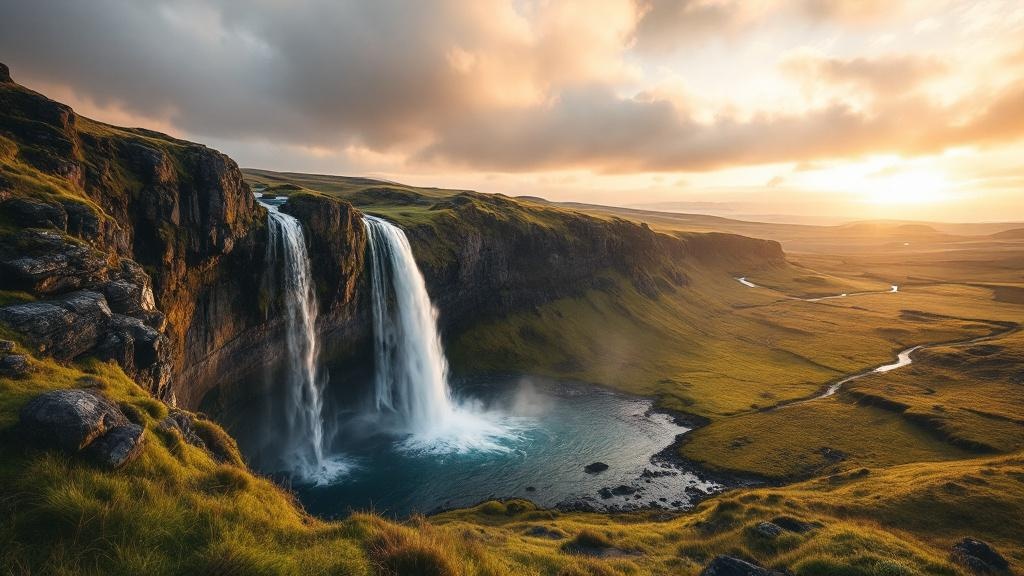
Pinterest searches for the Faroe Islands surged 95% in 2025, yet this North Atlantic archipelago receives fewer than 120,000 annual visitors—about what Venice gets in two weeks. This dramatic collection of 18 volcanic islands offers the kind of otherworldly landscapes that stop you mid-step: fog-shrouded cliffs plunging into churning seas, waterfalls cascading directly into the ocean, and grass-roofed villages that look painted onto the landscape.
The Faroese have mastered sustainable tourism, carefully balancing visitor access with environmental protection. They close certain hiking trails during bird nesting season. They limit daily visitors to sensitive sites. They encourage respectful engagement with their culture and landscapes. This isn’t a destination that will accommodate mass tourism—which means visiting now, before word spreads further, offers an increasingly rare opportunity.
The islands embody the “mystic outlands” aesthetic perfectly: ethereal, dramatic, and deeply connected to nature. Weather changes by the minute, creating constantly shifting light that photographers dream about. One moment you’re hiking through sunshine; the next, fog rolls in and transforms the landscape into something from a fantasy novel. This unpredictability becomes part of the magic.
Hidden Gems Within the Islands
Múlafossur Waterfall in Gásadalur village ranks among the world’s most photogenic locations—a powerful cascade tumbling over cliffs directly into the ocean, with the village’s colorful houses providing the perfect foreground. Before 2004, Gásadalur was only accessible via mountain hike or helicopter. Now a tunnel connects it to the main island, but it remains wonderfully quiet.
Saksun delivers that postcard-perfect Faroese experience: traditional grass-roofed houses clustered around a tidal lagoon, surrounded by mountains that seem to rise straight from the earth. Visit during low tide to walk across the exposed seabed to the ocean. The village church and historical farmhouse museum offer insights into traditional island life.
Hiking Slættaratindur, the Faroe Islands’ highest peak at 880 meters, rewards you with panoramic views across multiple islands on clear days. The trail challenges without requiring technical skills, and on perfect days, you can see all the way to Iceland. More realistically, you’ll hike through clouds and fog that create an ethereal, otherworldly atmosphere.
Mykines Island, the westernmost island, hosts massive puffin colonies from May through August. The hike to the lighthouse passes thousands of puffins nesting on cliff edges, so close you can hear their distinctive calls. This isn’t a zoo or wildlife park—it’s wild nature on its own terms, requiring respect and patience.
Making It Work on Your Budget
The Faroe Islands aren’t cheap, but strategic planning keeps costs manageable. Skip hotels for guesthouses and Airbnb apartments ($80-120 nightly), which often include kitchens. Grocery stores stock excellent local products at reasonable prices—self-catering saves substantially compared to restaurants, where mains run $25-40.
The islands’ compact size means you can base yourself in Tórshavn, the capital, and day-trip to most attractions. Rent a car ($50-70 daily) to maximize flexibility—public buses exist but run limited schedules. Fuel costs are high, but distances are short.
Many of the best experiences cost nothing: hiking trails crisscross the islands, coastal walks reveal stunning views, and simply driving between villages showcases dramatic landscapes. Budget your splurges for a boat tour ($75-100) and meals featuring local specialties like fermented lamb and fresh seafood.
Visit June through August for the longest days (nearly 20 hours of daylight in June), best weather, and access to puffin colonies. Weather remains unpredictable—pack layers, waterproof gear, and flexible expectations.
3. Chiloé Island, Chile: Where Folklore Meets Coastal Beauty
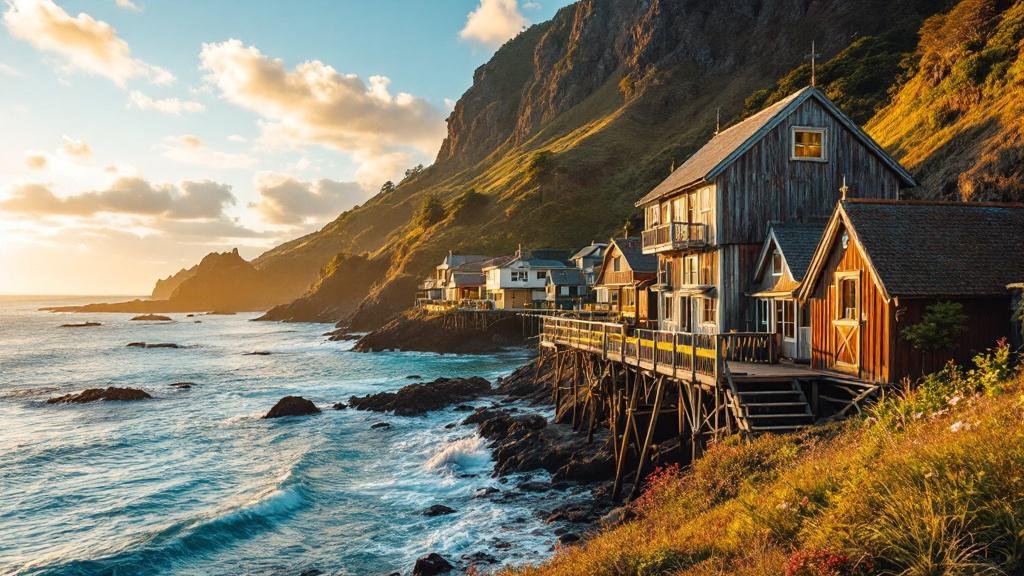
The Island Time Forgot
Chiloé Island, off Chile’s southern coast, exists in its own world. This isn’t just geographic isolation—it’s cultural distinctiveness preserved through centuries. The island developed unique traditions, architecture, and folklore that set it apart from mainland Chile. UNESCO recognized this uniqueness, listing Chiloé’s wooden churches as World Heritage Sites for their architectural significance and cultural importance.
The island’s 150 wooden churches showcase a remarkable fusion of European Jesuit influence and indigenous Chilote craftsmanship. Built entirely without nails, these structures feature elaborate wooden shingles that weather into silvery gray, creating a distinctive aesthetic. Sixteen churches earned UNESCO status, but exploring smaller village churches reveals the tradition’s full scope.
Chiloé’s folklore runs deep. Locals still share stories of the Trauco (a forest dweller who seduces young women), La Pincoya (a mermaid who determines fishing success), and El Caleuche (a ghost ship crewed by the dead). These aren’t tourist attractions—they’re living beliefs that shape island culture and identity.
Authentic Experiences You Can’t Find Elsewhere
Castro, Chiloé’s colorful capital, showcases the island’s most photographed feature: palafitos, traditional houses built on stilts over the water. These weren’t designed for tourism—they’re practical architecture developed for the island’s dramatic tides. The Gamboa and Pedro Montt neighborhoods preserve the best examples, now housing restaurants, shops, and guesthouses that let you experience this unique lifestyle.
The curanto feast represents Chiloé’s most important culinary tradition. This elaborate meal involves digging a pit, heating stones, then layering shellfish, meat, potatoes, and chapaleles (potato dumplings) between nalca leaves. Everything steams together for hours, creating flavors you can’t replicate any other way. Local families and restaurants offer curanto experiences, turning meals into cultural education.
Pingüineras de Puñihuil hosts colonies of both Humboldt and Magellanic penguins—one of the few places worldwide where these species coexist. Boat tours approach the rocky islets where penguins nest, breed, and waddle comically along shores. Visit September through March for the best penguin viewing during breeding season.
Chiloé National Park protects temperate rainforest ecosystems unique to this region. Hiking trails wind through dense forests of evergreen trees, ferns, and bamboo, emerging onto wild Pacific beaches. The park sees few visitors, offering solitude and pristine nature just kilometers from towns.
Trip Planning Essentials
Reach Chiloé by flying to Puerto Montt on the mainland, then taking the scenic 30-minute ferry to the island. The crossing itself provides views of volcanoes and coastal landscapes. Once on the island, rent a car for maximum flexibility—public buses connect major towns but limit access to remote areas.
Budget $70-100 daily for comfortable travel. Accommodations range from budget hostels ($20-30) to charming palafito guesthouses ($60-80). Seafood dominates menus and costs significantly less than in Santiago—fresh catch of the day runs $12-18. The curanto experience costs $25-35 per person, worth every peso.
Visit December through March during Chilean summer for the best weather, though Chiloé’s climate remains cool and rainy year-round. Pack layers and rain gear regardless of season. The shoulder months (November and April) offer fewer crowds and lower prices with acceptable weather.
Combine Chiloé with Chilean Patagonia for the ultimate southern Chile adventure. Puerto Montt serves as the gateway to both regions, and the contrast between Chiloé’s cultural richness and Patagonia’s raw wilderness creates a perfectly balanced trip.
4. Mozambique’s Quirimbas & Bazaruto Archipelagos: The Secret Afrohemian Paradise
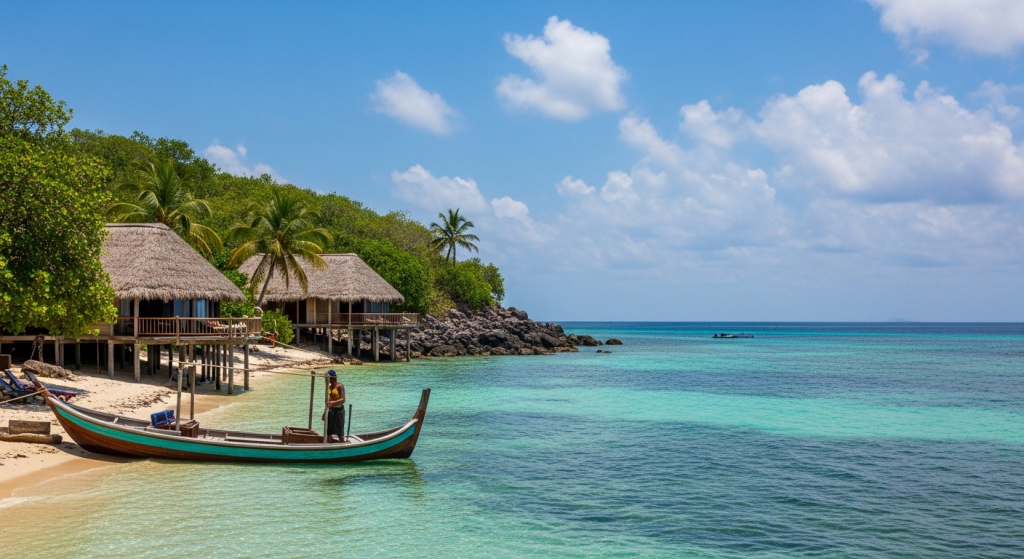
Africa’s Most Untouched Island Escapes
Mozambique’s archipelagos deliver the pristine beaches, turquoise waters, and swaying palms that travelers associate with Seychelles or Maldives—at a fraction of the cost and with virtually no crowds. These islands embody the “Afrohemian” aesthetic: sun-drenched, colorful, and deeply rooted in craft and culture. Everything here feels relaxed yet vibrant, where African and Arabic influences blend into something uniquely Mozambican.
The Bazaruto Archipelago, closer to the mainland, consists of five islands where sand dunes tower over beaches and marine life flourishes in protected waters. The Quirimbas Archipelago, stretching north along the coast, encompasses 32 coral islands where Swahili culture thrives and ancient trading posts crumble picturesquely into the sea.
These destinations haven’t been discovered by mass tourism because Mozambique remains off most travelers’ radars. The country’s tourism infrastructure is developing thoughtfully, emphasizing sustainable, low-impact experiences over resort mega-complexes. Visitor numbers remain manageable, meaning you’ll have beaches largely to yourself and interact with communities maintaining traditional lifestyles.
Two Archipelagos, Two Different Vibes
Bazaruto offers easier access and more developed tourism infrastructure. Fly from Johannesburg or Maputo to Vilankulo, then take a dhow boat or helicopter transfer to the islands. The archipelago is famous for world-class diving and snorkeling—the marine park protects dugongs, dolphins, whale sharks, manta rays, and five species of sea turtles. Massive sand dunes on Bazaruto Island create surreal desert-meets-ocean landscapes perfect for sandboarding.
Accommodations range from intimate eco-lodges to luxury resorts, all designed to blend with natural surroundings. The vibe balances adventure with comfort—you’ll spend days diving, sailing traditional dhows, and exploring deserted beaches, then return to excellent food and comfortable beds.
Quirimbas delivers more remote, authentic experiences. These islands preserve centuries-old Swahili culture, with villages where residents still speak Kimwani and practice traditional fishing methods. Ibo Island, the archipelago’s cultural heart, showcases crumbling Portuguese colonial architecture being slowly reclaimed by nature—haunting and beautiful.
The Quirimbas experience emphasizes seclusion and cultural immersion. You’ll visit local villages, learn traditional crafts, and explore mangrove forests by kayak. The diving rivals Bazaruto, with pristine coral reefs and abundant marine life. This is the choice for travelers seeking ultimate privacy and deeper cultural connection.
What You Need to Know Before Booking
These destinations suit beach lovers, divers, and honeymooners seeking privacy. They’re not party destinations or cultural sight-seeing trips—the attraction is pristine nature, marine life, and unhurried island time. Budget mid-range to luxury: $150-400+ daily depending on accommodation choices and activities.
Portuguese is Mozambique’s official language, though English is spoken at tourist facilities. Learning basic Portuguese phrases enhances interactions with locals. Visa requirements vary by nationality—most visitors can obtain visas on arrival, but research current requirements.
Visit during the dry season (May through November) for best weather and optimal diving conditions. Avoid December through March when cyclones occasionally strike and humidity peaks. The shoulder months (May and November) offer excellent value with good weather.
Health preparation is essential: malaria prophylaxis, routine vaccinations, and travel insurance covering medical evacuation. The islands themselves pose low malaria risk, but you’ll transit through higher-risk areas. Consult a travel medicine specialist well before departure.
5. Salar de Uyuni, Bolivia: Beyond the Mirror Effect
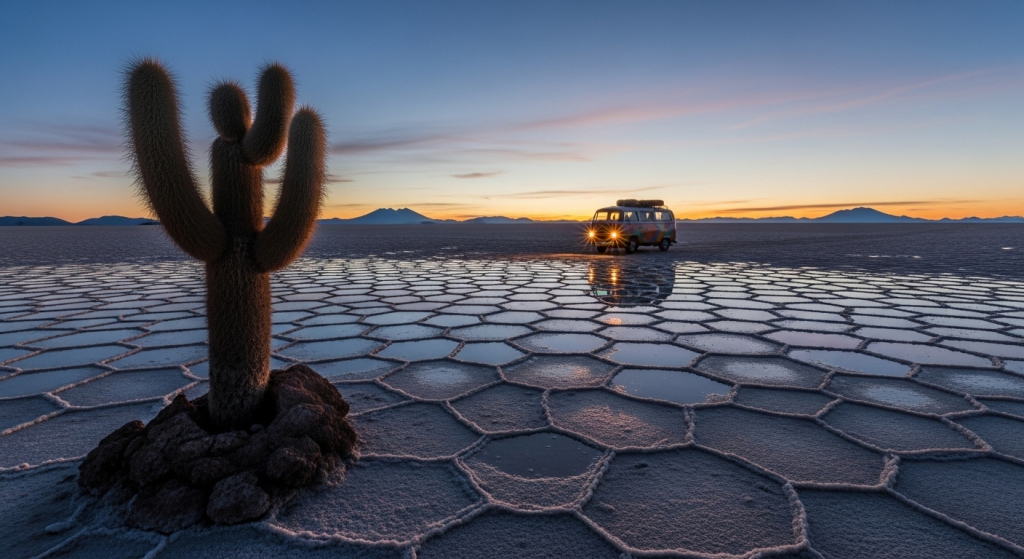
Why This Natural Wonder Remains Relatively Undiscovered
The world’s largest salt flat creates landscapes so surreal they barely look real. Pinterest interest in Bolivia’s Salar de Uyuni jumped 70% in 2025, yet this otherworldly destination remains off most travelers’ radars. Located in Bolivia’s remote southwest highlands, the salt flat spans 10,582 square kilometers of blindingly white landscape that transforms into a perfect mirror during the rainy season.
The Salar formed when prehistoric lakes evaporated, leaving salt deposits up to 10 meters thick. The flat’s vast emptiness and lack of reference points create optical illusions—perspective tricks that make photography endlessly entertaining. But reducing Uyuni to just the mirror effect misses the complete experience: flamingo-filled lagoons, volcanic hot springs, surreal rock formations, and authentic Bolivian highland culture.
The destination’s remoteness preserves its magic. Getting here requires commitment—flights to La Paz, then a bus or flight to Uyuni town, followed by multi-day 4×4 tours across harsh terrain. This barrier to entry keeps crowds manageable and attracts travelers genuinely interested in adventure rather than Instagram content.
The Complete Salar Experience
The wet season (December through April) delivers those famous mirror reflections when a thin layer of water covers the salt flat, creating seamless reflections of sky and clouds. This period offers the most photogenic conditions but limits access to certain areas. The dry season (May through November) reveals the salt flat’s hexagonal patterns—geometric formations created by crystallization—and allows easier vehicle access across the entire expanse.
Incahuasi Island rises from the salt flat’s center, covered in towering cacti that grow one centimeter per year. Some specimens reach 10 meters tall, meaning they’re over 1,000 years old. The island provides perspective on the flat’s vastness and offers hiking trails with panoramic views.
The train cemetery near Uyuni town showcases rusting locomotives from Bolivia’s mining era—industrial relics slowly being reclaimed by the harsh environment. It’s eerily beautiful and provides context for the region’s history.
Multi-day tours extend into the Eduardo Avaroa Andean Fauna National Reserve, revealing colored lagoons (red, green, and white) caused by mineral deposits and algae. Flamingos feed in these harsh alkaline waters, creating surreal scenes against volcanic backdrops. Thermal pools offer welcome warmth at 4,000+ meters altitude.
Stargazing opportunities here rank among the world’s best. The high altitude, dry air, and zero light pollution create crystal-clear views of the Milky Way. Some tours include astronomy guides who explain southern hemisphere constellations.
Maximizing Your Visit
Base yourself in Uyuni town, a rough-around-the-edges settlement that serves as the jumping-off point for salt flat tours. Accommodations are basic—this isn’t a luxury destination. Choose reputable tour operators carefully, as quality varies dramatically. Three-day, two-night tours provide the best value, including the salt flat, colored lagoons, and the Eduardo Avaroa Reserve.
Budget $50-80 daily, covering basic accommodations, tours, and meals. This makes Uyuni one of South America’s best values for the caliber of experience delivered. Tours include transportation, basic lodging in salt hotels or refuges, and meals. Bring extra cash for park fees and tips.
Altitude preparation is non-negotiable. Uyuni sits at 3,656 meters (12,000 feet), and tours climb higher. Spend several days acclimatizing in La Paz or Sucre before visiting. Symptoms of altitude sickness are serious—headaches, nausea, and shortness of breath indicate your body needs more time to adjust. Coca tea helps, as does staying hydrated and avoiding alcohol.
Pack warm layers—temperatures drop below freezing at night year-round. Bring sunscreen and sunglasses for intense UV exposure at altitude. The salt reflects light mercilessly, making eye protection essential.
Beyond the Beaten Path: Five More Destinations Worth Your 2026 Vacation Days
Albania’s Riviera: The Mediterranean’s Last Secret
The Albanian Riviera delivers everything travelers love about Mediterranean beach destinations—turquoise waters, white-sand beaches, ancient ruins, and excellent seafood—without the crowds or prices plaguing Croatia, Greece, or Italy. This 100-kilometer stretch of coastline between Vlora and Saranda remains remarkably undeveloped, with small villages, hidden coves, and dramatic mountain backdrops.
Base yourself in Himara or Dhermi, charming beach towns with a mix of budget guesthouses and boutique hotels. Days revolve around swimming in crystal-clear waters, exploring ancient castles and archaeological sites, and eating fresh seafood at family-run tavernas. The Llogara Pass, winding over mountains between beach towns, offers breathtaking coastal views.
Budget just $50-70 daily for the entire Mediterranean experience—the cheapest beach destination in Europe. Albania’s tourism infrastructure is developing rapidly, so visit before prices rise and crowds discover this secret.
Luang Prabang, Laos: Spiritual Serenity
This UNESCO-listed town in northern Laos preserves authentic Buddhist culture in a stunning setting where the Mekong and Nam Khan rivers converge. Saffron-robed monks collect alms each dawn, a centuries-old tradition that visitors can respectfully observe. Gilded temples showcase Lao architecture, while French colonial buildings hint at the country’s complex history.
The surrounding landscape offers waterfalls perfect for swimming, elephant sanctuaries focused on ethical interactions, and Mekong River cruises to remote villages. The night market sells beautiful handicrafts directly from artisans. This is Southeast Asia before mass tourism transformed it—genuine, affordable, and deeply spiritual.
Budget $40-60 daily for comfortable mid-range travel. Luang Prabang balances cultural richness with natural beauty, making it perfect for travelers seeking both adventure and contemplation.
Oaxaca, Mexico: Culture & Cuisine Capital
While tourists crowd Cancun and Cabo, Oaxaca City delivers authentic Mexican culture, indigenous traditions, and cuisine that rivals Mexico City—without the chaos. The colonial center showcases Spanish architecture, vibrant markets overflow with local crafts and produce, and the surrounding valleys hide ancient Zapotec ruins and traditional mezcal distilleries.
Oaxaca’s food scene is legendary. Mole sauces in seven varieties, tlayudas (massive crispy tortillas), chapulines (grasshoppers), and chocolate prepared traditionally since pre-Hispanic times. Take cooking classes to learn techniques passed through generations. Visit during Day of the Dead (late October through early November) for Mexico’s most authentic celebrations.
The city serves as a base for exploring nearby attractions: Monte Albán’s ancient ruins, Hierve el Agua’s petrified waterfalls, and traditional weaving villages. Budget $60-90 daily for excellent accommodations, outstanding meals, and cultural experiences.
Azores, Portugal: Europe’s Volcanic Paradise
These nine volcanic islands in the mid-Atlantic offer dramatic landscapes, thermal hot springs, whale watching, and hiking that rivals Iceland—at lower prices and with far fewer tourists. Each island has distinct character: São Miguel’s crater lakes and tea plantations, Pico’s towering volcano and vineyards, Flores’ waterfalls and hiking trails.
The Azores deliver adventure and relaxation in equal measure. Hike volcanic peaks in the morning, soak in natural thermal pools in the afternoon, and feast on fresh seafood in the evening. Whale and dolphin watching opportunities are world-class—over 20 cetacean species frequent these waters.
Budget $80-120 daily for mid-range comfort. Direct flights from major European and North American cities make access easier than you’d expect. Visit May through October for best weather, though the islands’ lush greenery comes from year-round rain.
Tasmania, Australia: The Island at the Edge of the World
Australia’s island state offers wilderness adventures, gourmet food and wine, and unique wildlife without the crowds overwhelming mainland attractions. Tasmania’s compact size packs incredible diversity: pristine beaches on the east coast, rugged mountains in the center, temperate rainforests in the west, and vibrant Hobart combining history with contemporary culture.
Freycinet National Park showcases Wineglass Bay, consistently rated among the world’s most beautiful beaches. Cradle Mountain offers alpine hiking through ancient forests where you might spot Tasmanian devils, wombats, and platypuses. The Tasman Peninsula features dramatic coastal cliffs and Port Arthur’s convict history.
Tasmania’s food scene punches above its weight—cool-climate wines, artisan cheeses, fresh oysters, and innovative restaurants using local ingredients. The Saturday Salamanca Market in Hobart overflows with local produce, crafts, and street food.
Budget $100-150 daily for comfortable travel including car rental (essential for exploring properly). Visit November through April for summer weather, though autumn (March-April) delivers stunning foliage and fewer crowds.
—
The world still holds undiscovered corners where authentic experiences await travelers willing to venture beyond the obvious choices. These 11 destinations deliver everything you want from travel—beauty, culture, adventure, and connection—without the crowds, tourist traps, or inflated prices plaguing popular hotspots.
2026 is your year to travel differently. While others queue for the same overcrowded landmarks, you’ll be discovering places that remind you why you fell in love with travel in the first place. These destinations won’t stay secret forever—trends shift, word spreads, and hidden gems become tomorrow’s tourist magnets.
Start planning now. Research flights, request time off, and commit to exploring somewhere new. Your future self will thank you for the memories, experiences, and stories that come from going off the beaten path. The world’s most magical places are still waiting—you just need to know where to look.