
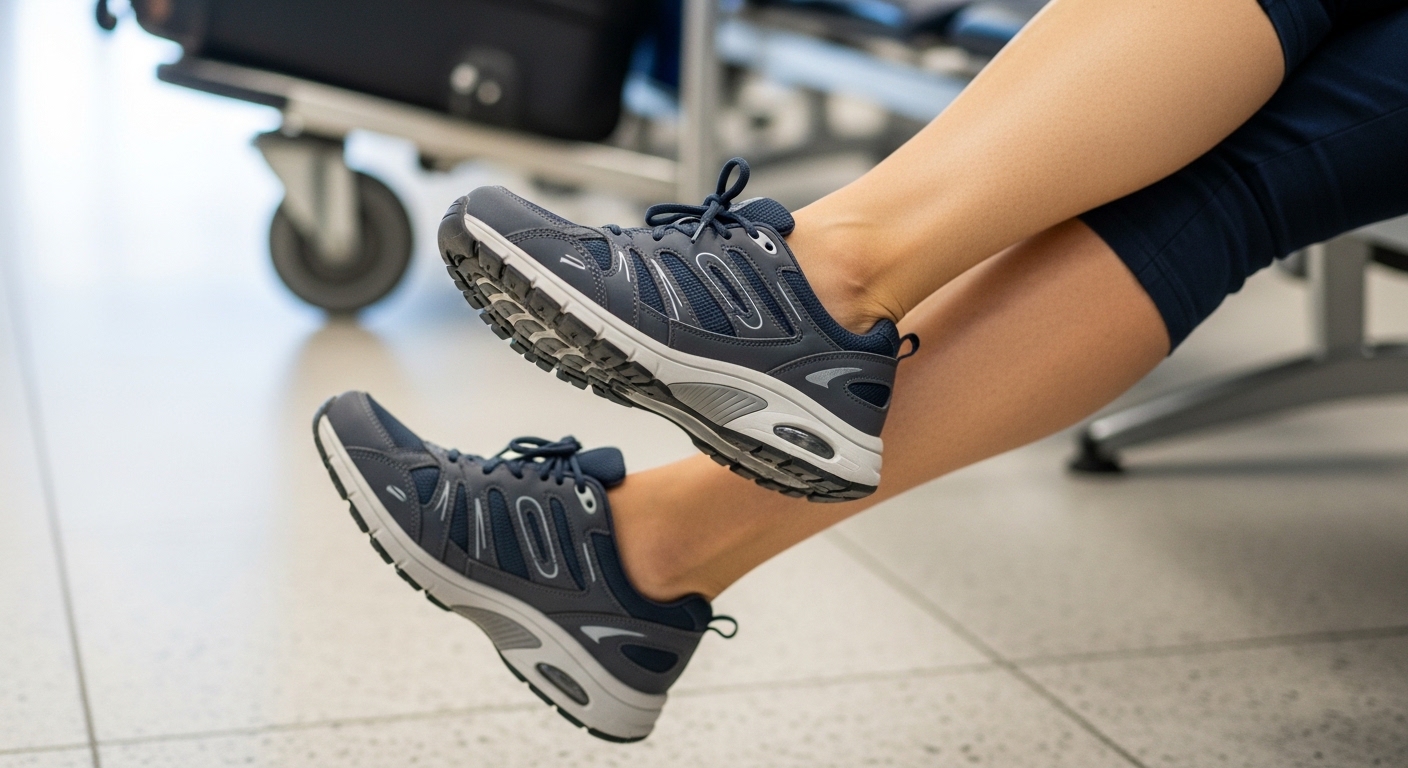
5 Best Travel Shoes for Women Over 40 with Knee Pain

# 5 Best Travel Shoes for Women Over 40 with Knee Pain – Ideas & Inspiration
Let’s talk about something that can make or break your next adventure: your shoes. If you’re over 40 and dealing with knee pain, you know that choosing the wrong footwear isn’t just uncomfortable—it can completely derail your travel plans. I’ve watched too many friends limp through European cobblestone streets or cut museum visits short because their knees couldn’t handle another step.
Here’s the truth: the shoes that carried you through your 30s probably aren’t doing you any favors anymore. Your body has changed, your knees need different support, and travel demands more from your footwear than ever before. The good news? The right travel shoes can transform your experience from painful endurance test to genuine enjoyment.
This guide cuts through the marketing noise to bring you the five best travel shoes specifically designed for women over 40 with knee pain. These aren’t just comfortable shoes—they’re engineered solutions backed by podiatrists, tested by real travelers, and proven to reduce knee strain. Whether you’re planning a walking tour through Rome or a casual weekend getaway, you’ll find exactly what you need here.
Why Travel Shoes Matter More After 40 (Especially with Knee Pain)

The Connection Between Footwear and Knee Health
Your shoes create a direct chain reaction through your entire body. When your foot strikes the ground, the impact travels up through your ankle, into your knee, and continues through your hip and spine. Proper shoes absorb this shock and maintain correct alignment. Poor shoes? They amplify the impact and throw everything out of balance.
The biomechanics are straightforward: every step you take generates force equal to 1.5 times your body weight. When you’re walking on hard surfaces—which you’ll do constantly while traveling—that force increases. Without adequate cushioning and support, your knees absorb punishment they weren’t designed to handle. Over time, this leads to inflammation, cartilage wear, and the persistent pain that makes you dread walking.
Cushioning and support become essential as we age because our natural shock absorption diminishes. The protective cartilage in your knees gradually wears down, and the fat pads in your feet thin out. What your body used to handle naturally now requires external help—and that help comes from your shoes.
What Changes After 40
Your feet undergo significant structural changes after 40. Ligaments loosen, arches may flatten or become more pronounced, and your feet often widen. The knee cartilage that cushioned every step in your younger years starts to thin, reducing your natural shock absorption by up to 30%. This isn’t weakness—it’s normal aging that requires smart adaptation.
The shoes you loved in your 30s might now be causing your pain. Those cute flats with minimal support? They’re forcing your knees to compensate for what your feet can no longer provide. That favorite pair of sneakers you’ve had for years? They’ve lost their cushioning, even if they still look fine.
Your body’s reduced shock absorption means every step on hard pavement, every uneven cobblestone, and every museum floor sends more impact directly into your knee joints. This is why you might feel fine during your normal daily routine but experience significant pain after a day of travel sightseeing.
The Travel Factor
Travel amplifies every footwear issue. The average person walks 3,000 to 4,000 steps daily. On vacation, you’ll easily hit 15,000 to 20,000 steps—often on surfaces much harder and more uneven than what you’re used to. Those charming European cobblestones, ancient temple stairs, and endless airport terminals don’t care about your knees.
You’re also carrying luggage, standing in lines, and maintaining an irregular pace—stopping suddenly for photos, rushing to catch trains, standing still during tours. This varied movement pattern stresses your knees differently than your predictable daily walk.
The shoes that work for your everyday errands simply aren’t built for this intensity. Travel demands superior cushioning, enhanced stability, and durability that can handle consecutive days of heavy use. This is why investing in proper travel shoes isn’t optional—it’s essential for protecting your knees and enjoying your trip.
The 5 Best Travel Shoes for Women Over 40 with Knee Pain
#1 – Hoka Bondi 9: The Ultimate Cushioning Champion
Best for: All-day walking tours and maximum comfort
The Hoka Bondi 9 delivers the most cushioning of any shoe on this list, and for women with knee pain, that cushioning translates directly into relief. The maximum-cushioned midsole reduces impact by up to 30%, which means your knees take significantly less punishment with every step.
Key Features:
The memory foam collar wraps around your ankle and heel, creating a secure, blister-free fit that stays comfortable even after 10+ hours of wear. The wider toe box accommodates natural foot swelling—a crucial feature when you’re walking all day. Hoka’s Meta-Rocker technology creates a smooth, natural stride that reduces the work your knees must do to propel you forward.
Why It’s Perfect for Travel:
The exceptional shock absorption protects your knees on hard surfaces, cobblestones, and uneven terrain. Despite all that cushioning, the Bondi 9 weighs less than you’d expect, preventing foot fatigue. It’s versatile enough to handle city touring, light hiking, and everything in between. You can wear these from breakfast through dinner without changing shoes.
Considerations:
The price point sits at $165-$170, making it an investment. The profile is slightly bulkier than fashion sneakers, but the comfort trade-off is absolutely worth it. Available in multiple widths, so you can get the perfect fit for your foot shape.
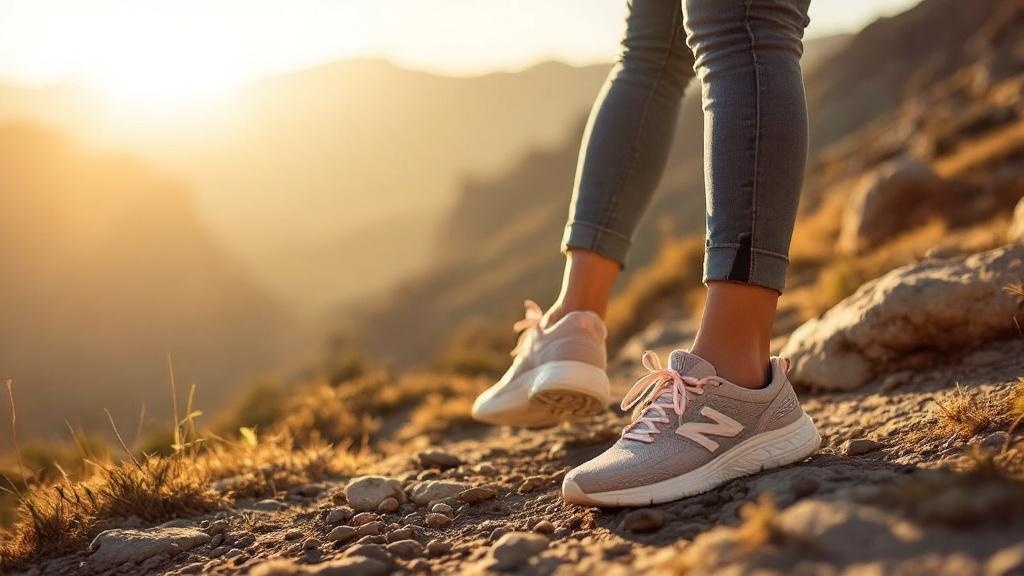
#2 – New Balance Fresh Foam X 1080 v14: The Versatile All-Star
Best for: Women who want one shoe for multiple activities
The New Balance Fresh Foam X 1080 v14 earns its reputation as the do-everything travel shoe. Podiatrists consistently recommend this model for knee pain relief, and it transitions seamlessly from intensive walking to casual dining.
Key Features:
Fresh Foam midsole technology provides superior cushioning that adapts to your stride. The engineered mesh upper offers excellent breathability—your feet won’t overheat during long days. The wider toe box design prevents pinching and accommodates swelling. Multiple arch support options mean you can customize the fit to your specific needs.
Why It’s Perfect for Travel:
This shoe handles variety beautifully. Morning walking tour? Check. Afternoon museum visit? Perfect. Evening restaurant? It looks polished enough to work. The proven track record with podiatrists gives you confidence that you’re protecting your knees. Durable construction withstands weeks of continuous wear without breaking down. Multiple color options let you match your travel wardrobe.
Considerations:
Priced at $165, it’s comparable to the Hoka. You might need a brief break-in period—wear them around home for a few days before your trip. They run true to size, which simplifies online ordering.
#3 – Brooks Glycerin 21: The Plush Comfort Expert
Best for: Women with severe knee pain needing extra support
When knee pain is a serious issue, the Brooks Glycerin 21 delivers the support you need. This shoe is specifically recommended by podiatrists for significant knee issues, and it doesn’t disappoint.
Key Features:
DNA LOFT v3 cushioning provides ultimate softness without sacrificing support. The nitrogen-infused midsole creates responsive comfort that energizes rather than deadens your stride. Enhanced heel support keeps your foot stable and aligned. Smooth transitions reduce the strain on your knees during the heel-to-toe roll.
Why It’s Perfect for Travel:
The superior cushioning excels during long airport days when you’re standing in security lines and walking endless terminals. Extended walking doesn’t break down the support—these shoes maintain their structure trip after trip. Moisture-wicking interior keeps your feet comfortable in warm climates or during active days.
Considerations:
The $160-$170 price point reflects the quality construction. They’re slightly heavier than competitors, but the extra weight comes from the enhanced support your knees need. Consider this an investment piece that will last through multiple trips and hundreds of miles.
#4 – KURU Quantum 2: The Knee Pain Specialist
Best for: Women seeking targeted knee pain relief technology
KURU designed the Quantum 2 specifically for joint pain sufferers, and it shows. This shoe takes a different technological approach that many women with chronic knee pain swear by.
Key Features:
Advanced KURUSOLE technology is engineered specifically for joint pain relief, using a unique heel-cupping system that promotes proper alignment. Premium cushioning system absorbs shock effectively. Available in multiple widths to accommodate different foot shapes. The heel-hugging design provides exceptional stability that keeps your knees properly aligned.
Why It’s Perfect for Travel:
The targeted engineering for knee pain means every design choice prioritizes joint health. Customer reviews from women over 40 consistently praise the pain relief. The styling is modern enough for varied travel activities—you won’t look like you’re wearing orthopedic shoes. The 60-day trial period lets you test them thoroughly before committing.
Considerations:
At $169, the price is competitive with other premium options. Less widely available in physical stores—you’ll likely order online. The unique technology may feel different initially, but most users report quick adjustment and significant pain reduction.
#5 – ASICS Gel-Nimbus 26: The Proven Performer
Best for: Women who prioritize reliable, time-tested technology
The ASICS Gel-Nimbus 26 represents decades of refinement. This isn’t trendy technology—it’s proven performance that’s helped millions of women stay active and pain-free.
Key Features:
Gel cushioning system in both heel and forefoot provides targeted shock absorption exactly where you need it. FlyteFoam technology delivers lightweight comfort without compromising support. Excellent stability features keep your foot aligned properly. Engineered mesh offers superior ventilation for all-day comfort.
Considerations:
The $160-$180 price range reflects the advanced technology. The appearance is more athletic than some competitors—perfect if you’re planning active travel itineraries. Wide availability means you can easily find replacements or try them on in-store before buying.
Essential Features to Look for in Knee-Friendly Travel Shoes
Cushioning That Actually Works
Not all cushioning is created equal. Maximum cushioning isn’t always better—you need the right type of cushioning for your specific needs. Look for responsive cushioning that absorbs shock but still provides ground feel and stability. Overly soft cushioning can actually create instability that stresses your knees.
The science behind impact absorption involves materials that compress on impact and quickly return to shape. Quality cushioning uses technologies like foam compounds, gel systems, or air pockets strategically placed where your foot strikes hardest. When testing shoes in-store, jump lightly a few times. You should feel protected but not like you’re standing on a marshmallow.
The sweet spot between support and softness varies by person. If you have severe knee pain, lean toward maximum cushioning. If you have mild discomfort, moderate cushioning with excellent stability might serve you better. Pay attention to how your knees feel during the first few wears—they’ll tell you if you’ve found the right balance.
Arch Support and Stability Features
Understanding your arch type is crucial for knee health. High arches need cushioning to compensate for reduced natural shock absorption. Low arches (flat feet) need stability features to prevent overpronation—the inward rolling that stresses knee joints. Medium arches typically do well with neutral support.
A simple test: wet your foot and step on a paper bag. If you see your entire footprint, you have low arches. If you see only a thin connection between heel and forefoot, you have high arches. A moderate connection indicates medium arches.
Stability matters because proper alignment starts with your feet. When your feet roll inward or outward excessively, your knees compensate by twisting slightly with each step. Over thousands of steps, this creates significant strain. Look for shoes with structured heel counters, supportive midsoles, and, if needed, motion control features.
The Perfect Fit for Travel
Size up half a size for travel shoes. Your feet swell during long days of walking, and shoes that fit perfectly in the morning can feel tight by afternoon. That extra half size prevents blisters, reduces pressure on your toes, and maintains comfort throughout the day.
Toe box width is critical. Your toes should be able to spread naturally without touching the sides of the shoe. Cramped toes create a chain reaction of tension through your foot and into your knee. If you’re between widths, go wider for travel shoes.
The heel counter—the stiff material around your heel—should hold your foot securely without slipping. Test this by walking up stairs or inclines. If your heel slides up and down, the fit isn’t right. This slipping creates friction and forces your muscles to work harder, increasing knee strain.
Weight and Packability
Lighter shoes reduce fatigue, but not at the expense of support. Each ounce you carry on your feet matters more than weight in your backpack. Your legs lift your shoes thousands of times per day—heavy shoes exhaust your muscles and increase knee strain.
Finding the balance between support and portability requires trying shoes on and walking around. A shoe can feel substantial in your hand but light on your feet if it’s well-designed. Modern materials allow for excellent cushioning without excessive weight.
For packing, consider compression. Some shoes compress more easily than others. Pack them heel-to-toe to minimize space. Many experienced travelers pack a second pair—your primary walking shoe plus a lighter backup for evenings or rest days when your feet need a break but still require support.
What to Avoid: Shoes That Make Knee Pain Worse

The Flat Shoe Trap
Ballet flats and minimalist shoes might look convenient for travel, but they’re knee pain disasters. These shoes provide virtually no cushioning or arch support, forcing your knees to absorb every bit of impact. The completely flat profile throws off your natural gait and creates stress on your knee joints.
Zero-drop footwear—shoes with no height difference between heel and toe—can increase knee strain for women over 40. While some people thrive in zero-drop shoes, they require strong foot and leg muscles to maintain proper alignment. If you already have knee pain, these shoes typically make it worse.
When flats are necessary for dressy occasions, make them safer by adding cushioned insoles with arch support. Limit wear time to a few hours maximum. Choose flats with some built-in cushioning rather than paper-thin soles. Better yet, opt for a low-heeled dressy shoe with proper support.
High Heels and Wedges While Traveling
High heels fundamentally alter your biomechanics in ways that devastate knee health. They shift your weight forward, increase pressure on your kneecaps, and force your knees to stay slightly bent even when standing. This creates constant tension and inflammation.
For dressy occasions during travel, safer alternatives exist. A 1-2 inch heel provides a polished look without the knee damage. Wedges distribute weight more evenly than stilettos but still aren’t ideal for significant walking. Block heels offer more stability than thin heels.
The maximum heel height for knee health is 1-2 inches. Beyond that, the biomechanical stress increases exponentially. If you must pack heels for a special event, bring them only for that specific occasion and change back to supportive shoes immediately afterward.
Worn-Out Shoes and False Economy
Your favorite old sneakers have lost their support even if they look fine. Cushioning materials compress and break down over time, typically after 300-500 miles of use. For reference, that’s about six months of regular daily wear or one intensive multi-week trip.
Tell-tale signs of worn-out shoes: uneven sole wear, compressed midsoles that don’t spring back when pressed, visible creasing in the cushioning, or simply that your knees hurt more when wearing them. The exterior might look acceptable, but the internal support structure has failed.
Last year’s travel shoes might betray you. If they’ve been sitting unused for months, the materials may have degraded even without wear. Foam compounds can dry out and lose resilience. Before trusting old shoes for a new trip, walk several miles in them at home to verify they still provide adequate support.
Expert Tips for Breaking In Your Travel Shoes
The 3-Week Rule
Never wear brand-new shoes on a trip. Give yourself at least three weeks of daily wear before departure. This break-in period serves two purposes: it softens the shoes to conform to your feet, and it reveals any fit issues while you still have time to exchange them.
Create a daily wear schedule that gradually increases. Week one: wear them for 2-3 hours daily around the house. Week two: wear them for full days during normal activities. Week three: take a long walk that mimics your travel plans—several miles on varied surfaces.
Warning signs that shoes aren’t right for you: persistent hot spots that could become blisters, knee pain that increases rather than decreases with wear, pressure points that don’t ease after multiple wearings, or general discomfort that doesn’t improve. If you experience these signs after a week of break-in, exchange the shoes.
Testing Your Shoes in Real Conditions
Create a trial run day that simulates your travel itinerary. Walk to a local attraction, spend time standing and browsing, walk to lunch, continue sightseeing, and walk home. Aim for the mileage you expect during your trip—often 5-8 miles for active travel days.
Pay attention to how your knees feel during and after this test. Some fatigue is normal, but sharp pain, swelling, or discomfort that lasts into the next day indicates the shoes aren’t providing adequate support. Your knees should feel tired but not painful.
Test on varied surfaces if possible. Walk on pavement, grass, gravel, and stairs. This reveals how the shoes handle different terrains and whether they provide consistent support. If your destination includes cobblestones or uneven surfaces, seek out similar conditions for testing.
Quick Fixes for Minor Issues
Blister prevention starts with proper socks—choose moisture-wicking materials and avoid cotton. Apply anti-chafe balm to known problem areas before putting on your shoes. Keep blister bandages in your travel bag for immediate application at the first sign of rubbing.
Insoles can customize fit and support. If your shoes are slightly too roomy, a cushioned insole takes up space. If you need more arch support, aftermarket insoles designed for your arch type can transform adequate shoes into perfect ones. Podiatrist-recommended brands include Superfeet, Powerstep, and Spenco.
Lacing techniques provide surprising support improvements. For heel slipping, use the “heel lock” lacing method. For toe pressure, skip lacing through the eyelets near your toes to create more room. For arch support, tighten the laces in the midfoot area while keeping the toe box looser.
Complete Packing Strategy for Knee-Friendly Travel
The Two-Shoe System
One pair is never enough for extended travel. Your primary walking shoe will get sweaty and needs time to dry out completely between wears. Alternating shoes also prevents repetitive stress from wearing the exact same shoe day after day.
Pair your primary walking shoe with a backup that offers similar support but different fit characteristics. For example, if your primary shoe is the Hoka Bondi 9, your backup might be the New Balance 1080 v14. This gives your feet variety while maintaining knee protection.
Evening shoe options that won’t sabotage your knees include supportive casual sneakers in darker colors, low-heeled ankle boots with cushioned insoles, or dressy walking shoes from brands like Vionic or Dansko. These provide the polish you want for restaurants while keeping your knees safe.
Your feet deserve the same attention you give to your itinerary. The right travel shoes transform your experience from endurance test to pure enjoyment. When your knees feel good, you explore more, stay out longer, and create better memories.
The five shoes in this guide—Hoka Bondi 9, New Balance Fresh Foam X 1080 v14, Brooks Glycerin 21, KURU Quantum 2, and ASICS Gel-Nimbus 26—represent the best options currently available for women over 40 with knee pain. Each offers proven technology, real pain relief, and the durability to handle your adventures.
Start your search three weeks before your trip. Order a couple of options, test them thoroughly, and return what doesn’t work. The investment in proper travel shoes pays dividends in comfort, reduced pain, and the freedom to explore without limitations.
Your next adventure awaits, and your knees are ready for it—as long as you give them the support they need. Choose wisely, break them in properly, and step confidently into your travels knowing you’ve protected your knees and set yourself up for success.