
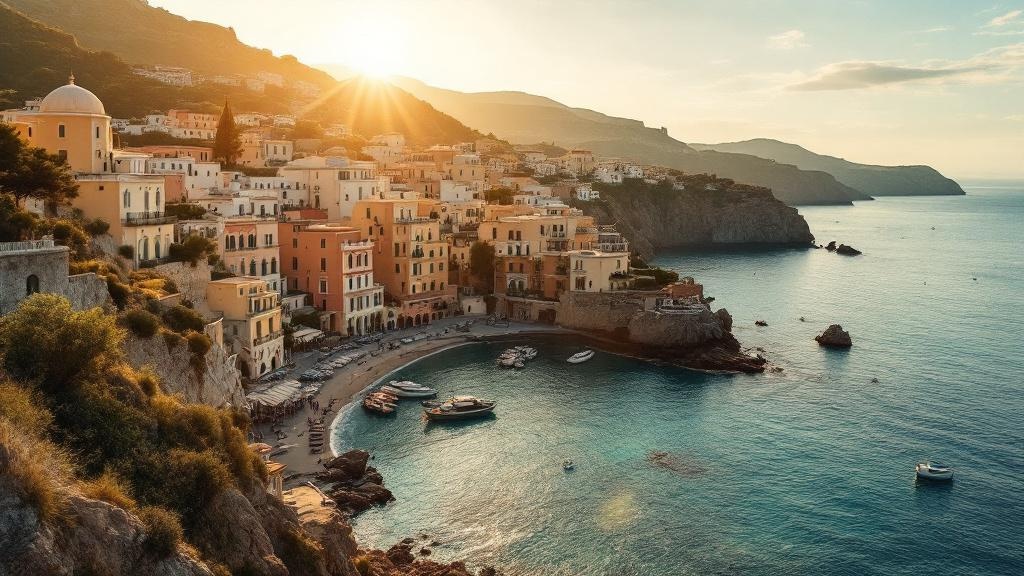
Best Cheap Coastal Travel Destinations in Europe

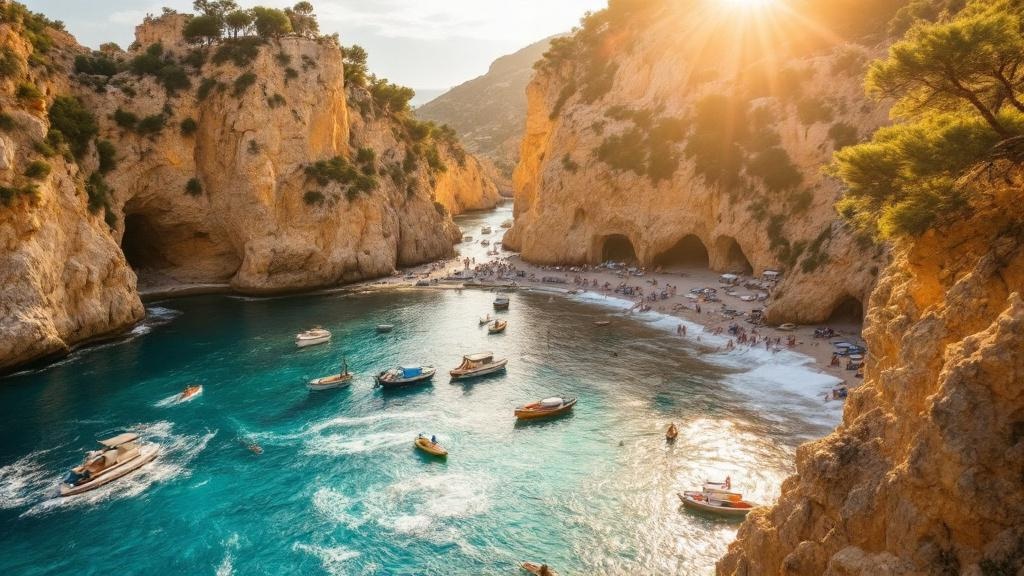
What if I told you that crystal-clear turquoise waters, sun-drenched beaches, and authentic Mediterranean charm don’t have to drain your bank account? While everyone’s flocking to the Amalfi Coast and French Riviera, savvy travelers are discovering hidden coastal gems across Europe where your vacation budget stretches twice as far—without sacrificing a single sunset or seafood feast.
You’ve got limited vacation days, a realistic budget, and zero patience for tourist traps. You want that perfect European beach escape, but the planning overwhelm is real. Should you splurge on Santorini or save for next year? How do you find authentic local experiences when every search result looks like an Instagram ad?
This guide cuts through the noise to reveal Europe’s most stunning coastal destinations where affordability meets authenticity. We’re talking €30-per-night accommodations with breathtaking views, €10 seafood dinners caught that morning, and beaches where you’ll actually find space for your towel. Let’s maximize those precious vacation days without the financial hangover.
Why Budget-Friendly Doesn’t Mean Boring: Europe’s Coastal Secret
The Hidden Advantage of Off-the-Beaten-Path Beaches
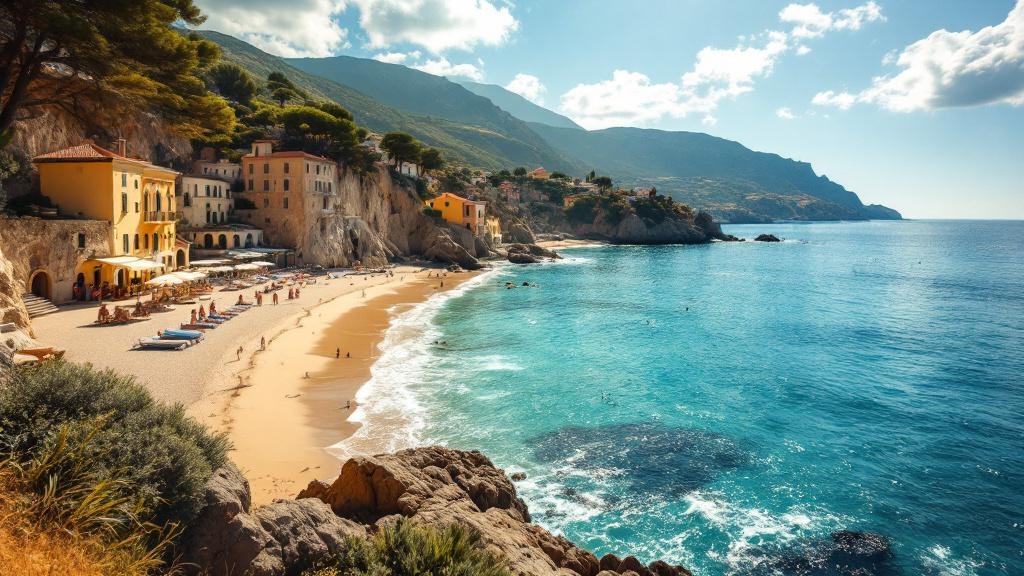
Here’s what the travel magazines won’t tell you: the most expensive coastal destinations in Europe aren’t necessarily the most beautiful or memorable. In fact, some of the continent’s most stunning beaches remain blissfully undiscovered by mass tourism, which means you’ll experience something far more valuable than Instagram-worthy backdrops—you’ll actually connect with local culture.
When you choose lesser-known coastal destinations, you’re not just saving money. You’re gaining authentic experiences that disappeared from popular spots decades ago. In Albania’s Riviera, fishermen still pull their boats onto the beach at dawn, and grandmothers sell homemade byrek from their doorsteps. In Montenegro’s quiet coves, locals invite you to join their beach barbecues. These moments don’t happen in overcrowded tourist zones where every interaction is a transaction.
The math works in your favor too. A beachfront apartment in Dubrovnik costs €150-200 per night in summer. That same money gets you five nights in nearby Montenegro with identical Adriatic views. A seafood dinner in Santorini runs €40-60 per person. In Bulgaria’s Sozopol, you’ll feast on fresh grilled fish, salad, and wine for €15. The savings compound quickly, turning a week-long dream into a two-week adventure.
When to Visit for Maximum Value
Timing transforms good deals into incredible ones. May, June, September, and early October deliver the ultimate sweet spot: warm swimming weather, fewer crowds, and shoulder-season pricing that cuts costs by 30-50% compared to July and August.
I’ve visited Greece’s islands in both peak summer and September, and the difference is staggering. September offers the same sunshine and warm sea temperatures, but hotel rates drop from €120 to €60, restaurants have tables available, and beaches feel like your private paradise. The locals are more relaxed too—they actually have time to chat and share recommendations instead of rushing between tourist groups.
Weather-wise, you’re barely compromising. May temperatures hover around 23-26°C (73-79°F) across most Mediterranean destinations—perfect for beach days without the scorching heat. September and early October maintain similar warmth, with sea temperatures at their annual peak after months of summer sun. You’ll skip the 35°C+ (95°F+) days that make sightseeing miserable anyway.
Book your flights 2-3 months ahead for shoulder season, and accommodations 4-6 weeks out. This timeline captures early-bird discounts without the premium prices that come with last-minute panic booking.
What “Cheap” Really Means in This Guide
Let’s establish realistic expectations. When I say “cheap,” I’m talking about destinations where €50-80 per person per day covers comfortable accommodations, three meals, local transportation, and activities. This isn’t hostel-dorm-and-instant-noodles travel—it’s genuine comfort and quality at accessible prices.
Compare this to premium coastal destinations: the Amalfi Coast, French Riviera, or Ibiza easily demand €150-250 per person daily for equivalent experiences. You’re looking at 40-60% savings by choosing the destinations in this guide, which translates to either longer trips or money left over for other adventures.
Your €50-80 daily budget breaks down roughly like this: €25-35 for accommodation (comfortable private room or apartment), €20-30 for food (local restaurants, not tourist traps), €10-15 for activities and transportation. You’ll eat fresh seafood, swim in pristine waters, explore historic towns, and sleep well—all without the luxury-resort price tag.
The secret is choosing destinations where your dollars (or euros) maintain purchasing power. In Albania, Montenegro, and Bulgaria, local economies haven’t inflated to match Western European standards, but quality and beauty rival anywhere on the continent.
Albania’s Riviera: The Ultimate Mediterranean Secret
Why Albania Should Top Your List
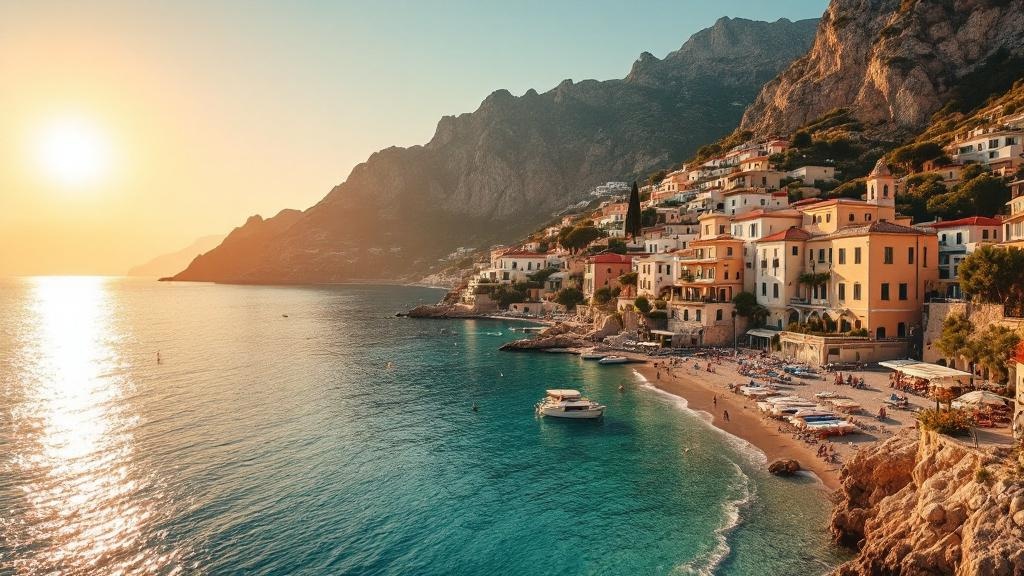
Albania represents the single best value-to-beauty ratio on Europe’s Mediterranean coast. Imagine Greece’s turquoise waters, Italy’s coastal mountains, and Croatia’s historic charm—then cut the prices by 60%. That’s Albania’s Riviera, a 120-kilometer stretch of coastline that remains shockingly affordable despite rapid tourism growth.
The Albanian coastline delivers dramatic scenery where mountains plunge directly into the sea, creating hidden coves and beaches accessible only by boat or hiking trails. The water rivals anything in the Caribbean—seriously, that same luminous turquoise that makes you question if photos are edited. Yet you’ll pay €20-40 per night for accommodations with sea views, and €8-12 for fresh seafood dinners that would cost triple in neighboring Greece.
Beyond the economics, Albania offers something increasingly rare in Europe: the thrill of discovery. Tourism infrastructure exists—you’ll find comfortable hotels, good restaurants, and reliable transportation—but you won’t encounter bus tours or cruise ship crowds. Locals remain genuinely welcoming rather than tourism-weary, and you’ll likely be the only foreigner at the family-run taverna serving the best grilled octopus you’ve ever tasted.
Can’t-Miss Coastal Towns
Ksamil sits at the southern tip near the Greek border, featuring four small islands just offshore that you can swim or kayak to in minutes. The beaches here showcase that famous Caribbean-blue water, with beach clubs offering sunbeds for €5-10 daily. Stay in nearby Sarandë for better accommodation options and nightlife, using Ksamil as your day-trip beach paradise.
Himara balances beach relaxation with mountain village charm. The main beach stretches for kilometers with both free sections and organized beach clubs, while old stone villages dot the hillsides above. Hike to nearby Gjipe Beach—a spectacular canyon beach accessible via a 20-minute trail that keeps crowds minimal. Accommodation ranges from €25 budget guesthouses to €50 boutique hotels.
Dhërmi attracts younger travelers with its beach club scene and summer nightlife, but maintains authentic Albanian character in the old village perched on the hillside. The beach offers crystal-clear water perfect for snorkeling, and the sunset views from hillside tavernas are unforgettable. Expect slightly higher prices here (€30-50 for accommodation) but still incredible value.
Jale Beach provides the ultimate escape for travelers seeking tranquility. This pebbly beach sits in a protected cove with limited development—just a few small hotels and beach bars. The water is pristine, the atmosphere laid-back, and you’ll spend your days reading, swimming, and doing absolutely nothing else.
Practical Planning Tips
Flying into Tirana (Albania’s capital) gives you the most flight options and competitive prices. From there, it’s a 3-4 hour bus ride or rental car drive to the Riviera. Alternatively, fly into Corfu, Greece, and take a ferry to Sarandë (30-60 minutes), which works brilliantly for combining Greek islands with Albanian coast.
Furgons (minibuses) connect all coastal towns for €3-8, running frequently in summer. They’re basic but reliable. Renting a car costs €25-35 daily and provides freedom to explore hidden beaches and mountain villages—worth it if you’re traveling with others to split costs.
Accommodation sweet spots include family-run guesthouses (€20-30) and small hotels (€35-50) offering breakfast, sea views, and local tips. Book through Booking.com or contact properties directly via Facebook—many offer better rates for direct bookings.
Must-try dishes include fresh grilled fish (koce, levrek), tavë kosi (baked lamb with yogurt), and byrek (savory pastries). Beach tavernas serve simple grilled seafood with salad and fries for €10-15. Learn basic phrases: “Faleminderit” (thank you), “Sa kushton?” (how much?), and “Shumë e mirë” (very good) go far with locals who appreciate the effort.
Montenegro: Breathtaking Adriatic Beauty on a Budget
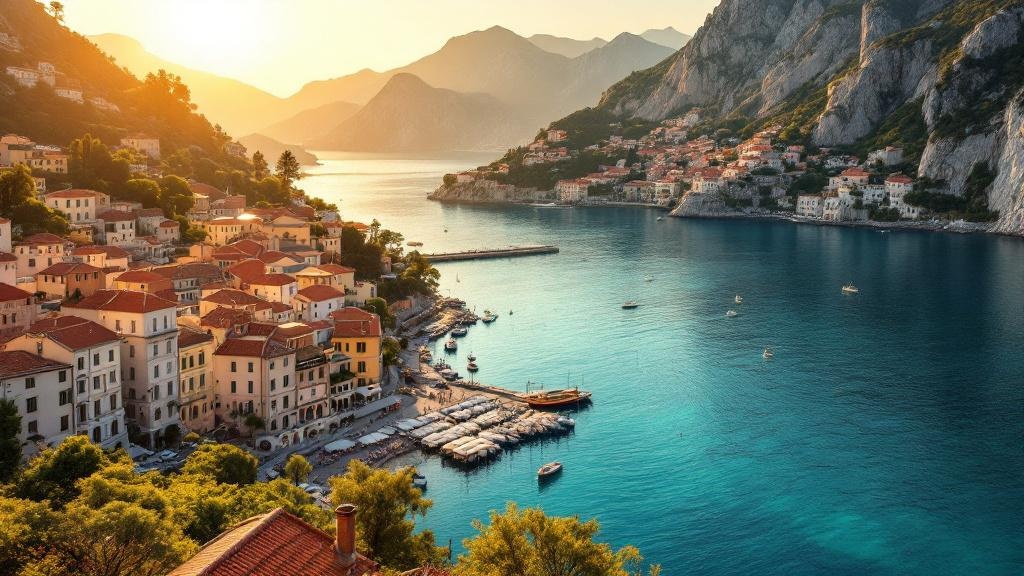
The Bay of Kotor and Beyond
Montenegro delivers Croatia’s stunning Adriatic coastline at 40% less cost, with the added bonus of dramatic mountain scenery and UNESCO World Heritage medieval towns. The Bay of Kotor—often called Europe’s southernmost fjord—creates one of the continent’s most spectacular coastal landscapes, where ancient stone towns cling to steep mountainsides rising from mirror-calm waters.
The country’s compact size works in your favor. You can base yourself in one location and day-trip to beaches, mountains, and historic towns within 30-60 minutes. This eliminates constant packing and hotel-switching while maximizing your actual vacation time. The infrastructure is solid—good roads, reliable buses, and English widely spoken—making independent travel straightforward even for first-timers.
Kotor’s old town mesmerizes with its labyrinth of medieval streets, Venetian architecture, and fortress walls climbing the mountainside. Climb those walls (1,350 steps) for breathtaking views across the bay. The town itself serves as a perfect base for culture lovers, though beaches require a short drive or bus ride to the open coast.
Beach Town Highlights
Budva combines old town charm with modern beach resort amenities, making it Montenegro’s most popular coastal destination. The walled old town dates to the 5th century BC, while surrounding beaches offer everything from quiet coves to lively beach clubs. Accommodation ranges from €30 budget rooms to €70 boutique hotels. The town buzzes with energy—restaurants, bars, and summer festivals—perfect if you want nightlife alongside beach days.
Ulcinj in Montenegro’s far south offers the country’s longest beach (13 kilometers of sand called Velika Plaza) and a distinctly multicultural atmosphere reflecting its Albanian, Turkish, and Montenegrin heritage. The old town perches on a dramatic cliff, while the beach below attracts kitesurfers and sun-seekers. Prices drop further here—€25-40 for good accommodation—and the vibe feels more local and laid-back.
Herceg Novi at the Bay of Kotor’s entrance provides authentic local life without the tourist intensity of Kotor or Budva. The old town cascades down hillside terraces, connected by stone staircases and offering stunning bay views. Nearby beaches include both organized and wild options. This town works perfectly for travelers who want to experience Montenegrin daily life while still accessing major sights.
Petrovac remains blissfully quiet, a small town wrapped around a beautiful bay with two beaches and a 16th-century Venetian fortress on a tiny island offshore. The relaxed atmosphere and family-friendly beaches make it ideal for travelers seeking tranquility. Accommodation costs €30-50, and excellent seafood restaurants line the waterfront promenade.
Making the Most of Your Budget
Daily costs in Montenegro average €60-90 per person for comfortable travel. Accommodation runs €30-60 for quality private rooms or apartments with kitchenettes (enabling some self-catering to save money). Restaurant meals cost €8-15 for traditional fare at local spots, €15-25 at nicer establishments. A grilled fish plate with sides typically runs €12-18.
Free and cheap activities abound. Hiking trails crisscross the mountains behind coastal towns, offering spectacular views and swimming holes in mountain streams. Exploring old towns costs nothing beyond maybe €3-5 for fortress or museum entry. Beach access is free at public areas, with sunbed rental optional at €5-10 daily.
Day trips maximize your stay: from Budva, visit Sveti Stefan (the famous island resort you can photograph for free), Lake Skadar National Park (€4 entry), or the Bay of Kotor. From Kotor, explore Perast’s baroque churches and boat to Our Lady of the Rocks island (€5 boat ride). Public buses connect all major towns for €3-8.
Local markets offer fresh produce, cheese, and bread for picnic supplies. Supermarkets stock everything you need for apartment cooking. This flexibility lets you splurge on nice dinners while keeping overall costs low through occasional self-catering.
Greece’s Hidden Islands: Affordable Aegean Paradise
Skip Santorini, Discover These Instead
Greece’s famous islands—Santorini, Mykonos, Crete—deserve their reputation for beauty, but their prices have skyrocketed into luxury territory. Meanwhile, dozens of equally stunning islands remain affordable, offering authentic Greek culture, pristine beaches, and that same Aegean magic at half the cost.
The lesser-known islands maintain traditional Greek life that vanished from popular destinations decades ago. Fishermen still mend nets on the harbor, elderly women in black dresses tend vegetable gardens, and tavernas serve recipes passed down through generations rather than tourist-adapted menus. You’ll experience Greece as it actually is, not as a theme park version of itself.
Island-hopping on a budget requires strategy. Ferry travel costs significantly less than flights—a 2-4 hour ferry between islands runs €20-40 versus €60-100+ for flights. The journey itself becomes part of the adventure, offering deck views of the Aegean and the romance of sea travel. Book ferries through Ferry Hopper or directly at ports, and travel midweek when possible for better availability and sometimes lower prices.
Perfect Budget-Friendly Greek Islands
Naxos delivers everything Santorini promises—Cycladic white-washed villages, stunning beaches, ancient ruins, excellent food—at genuinely accessible prices. The island’s size and agricultural economy keep costs reasonable: €40-70 for quality accommodation, €12-18 for taverna dinners. Naxos Town’s old quarter charms with its Venetian castle and marble-paved lanes, while beaches like Plaka and Agia Anna offer golden sand and turquoise water. The island produces its own wine, cheese, and potatoes, meaning farm-to-table dining comes standard.
Paros balances authentic village life with excellent tourism infrastructure. Parikia (the main town) and Naoussa (a fishing village turned resort) provide contrasting bases—choose based on whether you prefer central location or intimate charm. Beaches range from organized (Kolymbithres with its distinctive rock formations) to secluded (accessible only by boat or hiking). Water sports, particularly windsurfing and kitesurfing, thrive here. Budget €45-80 for accommodation, €10-20 for meals.
Milos showcases some of Greece’s most dramatic coastal scenery—over 70 beaches carved into volcanic rock formations, creating every color from white to red to black sand. Sarakiniko, with its lunar-like white rock formations, has become Instagram-famous, but dozens of stunning beaches remain crowd-free. The island’s fishing village of Klima features colorful boat garages built into cliffs—quintessentially Greek and genuinely photogenic. Prices stay reasonable: €40-70 accommodation, €12-18 meals.
Samos sits close to Turkey, offering lush green landscapes unusual in the Cyclades, excellent wine, and beautiful beaches. The island’s mountainous interior provides hiking opportunities, while coastal villages like Kokkari charm with their traditional architecture. Pythagoreion, the ancient capital, combines beach access with archaeological sites. As a less-touristed island, prices remain very affordable: €30-60 accommodation, €10-15 taverna meals.
Greek Island Budget Hacks
Timing determines your experience and costs. Visit in May, June, or September-October for 30-50% savings on accommodation compared to July-August peaks. Many hotels and apartments negotiate rates for stays of 4+ nights—always ask, especially if booking directly.
Eat away from harbors and main tourist streets. Walk two blocks inland and prices drop 30-40% while quality often improves—these are the tavernas locals actually use. Lunch menus (often served until 5pm) offer better value than dinner. Greek salad, grilled fish, and house wine make perfect, affordable meals at €12-15 total.
Free beaches outnumber organized ones. Skip the sunbed rental (€8-15 daily) and bring your own towel to public beach areas. Many of Greece’s most beautiful beaches have zero facilities—just pristine sand, clear water, and natural beauty.
Self-catering apartments with kitchenettes let you prepare breakfast and occasional lunches using local market ingredients. Greek yogurt with honey, fresh bread, tomatoes, feta, and olives make delicious, cheap meals. This strategy lets you splurge on nice dinners without blowing your budget.
Ferry between islands during shoulder season when schedules are less crowded and sometimes cheaper. Book accommodations that include breakfast—it eliminates one daily expense and provides fuel for beach days. Many family-run hotels offer generous breakfasts featuring local products.
Planning Your Perfect Budget Coastal Escape
Creating Your Itinerary
Single-destination stays deliver better value and more relaxation than ambitious multi-stop itineraries. Choose one base and take day trips rather than constantly changing hotels. This approach saves money on accommodation (multi-night discounts), reduces transportation costs, eliminates packing stress, and lets you actually unwind instead of treating vacation like a checklist.
That said, combining two destinations works well if they’re logically connected. Albania’s Riviera plus a Greek island (via Corfu). Montenegro’s coast plus Croatia’s Dubrovnik. Portugal’s Silver Coast plus a few days in Lisbon. Keep it simple—two locations maximum for a week, three for two weeks.
You need minimum 4-5 days per coastal destination to justify the travel time and truly relax. Three days feels rushed. A week lets you settle into the rhythm, discover local spots, and actually decompress. Two weeks in one place might sound long, but it’s when you stop feeling like a tourist and start feeling like a temporary local—that’s when travel becomes truly memorable.
Build flexibility into your plans. Book accommodations for your arrival and perhaps one other night mid-trip, but leave room to extend stays in places you love or move on from places that don’t click. This requires some comfort with uncertainty, but it prevents the disappointment of being locked into a rigid schedule that doesn’t match reality.
Booking Strategies That Save Money
Flight costs make or break budget travel. Use Google Flights or Skyscanner to compare routes and dates. Be flexible with your arrival city—flying into a major hub (Athens, Lisbon, Sofia) then taking budget transport to the coast often costs less than direct flights to smaller coastal cities. Consider nearby countries: flying into Corfu for Albania, Dubrovnik for Montenegro, or Thessaloniki for northern Greek islands sometimes offers better deals.
Set price alerts 3-4 months before your trip and book when you see prices drop 15-20% below average. Midweek flights (Tuesday-Thursday) typically cost less than weekend departures. Red-eye or early morning flights offer savings if you can handle the inconvenience.
Accommodation booking timing matters. For shoulder season (May-June, September-October), book 4-8 weeks ahead for good selection and rates. Peak season requires 2-3 months advance booking. Use Booking.com for its wide selection and free cancellation options, but also check Airbnb for apartments and contact properties directly—many offer 10-15% discounts for direct bookings or extended stays.
Package deals rarely save money for independent travelers visiting budget destinations. You’ll do better booking flights and accommodations separately, maintaining flexibility and control. However, check package prices as a baseline—occasionally they surprise.
Travel insurance costs €30-60 for a week-long trip and covers medical emergencies, trip cancellations, and lost luggage. It’s worth it. Medical costs in Europe can be high, and one emergency room visit without insurance negates all your careful budget planning.
Avoiding Common Budget Traps
Hidden costs ambush unprepared travelers. Airport transfers can cost €30-50 in taxis—research public bus options (usually €2-8) or pre-book shared shuttles. Resort fees don’t exist in Europe like they do in the US, but some hotels charge extra for air conditioning, WiFi, or breakfast—confirm what’s included before booking.
Tourist area restaurants inflate prices 50-100% compared to local spots two blocks away. If the menu has photos and eight languages, keep walking. Look for tavernas where locals eat—plastic chairs, simple menus, and Greek/Albanian/Portuguese-only signage signal authentic, affordable food.
“Cheap” accommodation in prime locations often means compromised quality—noise, poor beds, sketchy neighborhoods. Read recent reviews carefully. Sometimes paying €10-15 more per night transforms your experience from miserable to comfortable. Your vacation time is valuable—don’t ruin it to save €50 total.
Know when to splurge. A sunset boat tour (€30-50) creates memories worth far more than the cost. Fresh seafood at a waterfront taverna beats grocery store sandwiches for dinner. Renting a scooter or car for a day (€25-40) unlocks hidden beaches impossible to reach by bus. Budget travel means making smart choices, not denying yourself everything enjoyable.
Your Unforgettable European Beach Escape Awaits
Europe’s most beautiful coastal destinations don’t require trust fund budgets or years of saving. From Albania’s Caribbean-like waters to Montenegro’s dramatic bays, Bulgaria’s authentic beach towns to Greece’s hidden islands, Portugal’s rugged Atlantic coast to Spain’s secret shores—affordable paradise exists for travelers willing to look beyond the obvious choices.
The destinations in this guide deliver everything you dream about in a European beach vacation: stunning natural beauty, rich culture, delicious food, warm hospitality, and that intangible magic that makes travel transformative. The difference is you’ll experience it all for €50-80 daily instead of €150-250, turning a week-long escape into an extended adventure or leaving money for your next trip.
Start planning now for next year’s shoulder season—May, June, or September offer the perfect combination of beautiful weather and budget-friendly prices. Choose one destination from this guide, book your flights when prices drop, and prepare for the beach escape you’ve been dreaming about.
Your perfect European coastal adventure doesn’t require winning the lottery. It just requires choosing wisely, planning strategically, and embracing the authentic experiences that budget-friendly destinations deliver better than their expensive counterparts. The turquoise water, fresh seafood, sunset swims, and unforgettable memories are waiting. All you need to do is go.
Ready to start planning? Save this guide and begin researching flights to your chosen destination. Your affordable European beach paradise is closer than you think.