9 Budget-Friendly American Road Trip Destinations for Families

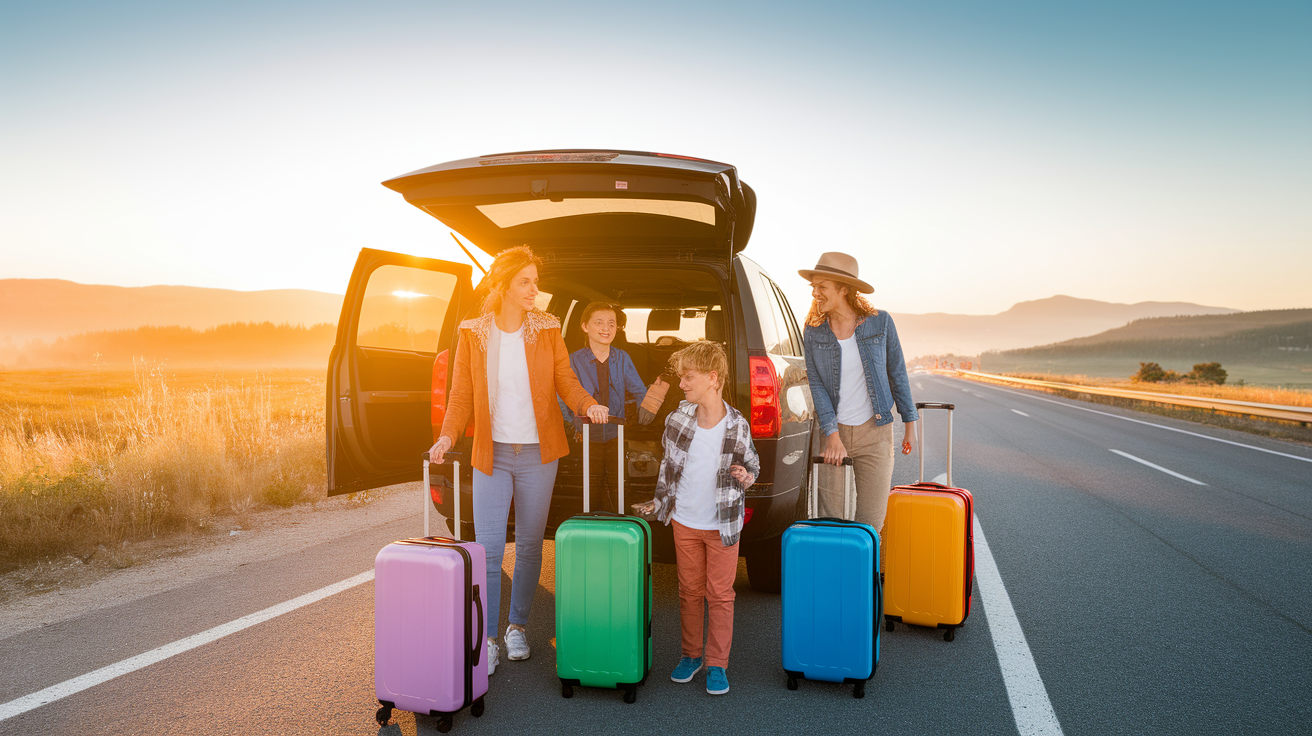
The minivan is packed, the kids are buzzing with excitement, and you’re about to embark on the quintessential American adventure—a family road trip.
But here’s the best part: you’re doing it without draining your savings account. Forget expensive flights, overpriced theme parks, and tourist traps that promise magic but deliver buyer’s remorse.
The open road offers something better—authentic experiences, stunning landscapes, and memories that stick with your kids long after the trip ends.
I’ve spent years exploring America’s highways and byways with my family, and I can tell you with absolute certainty: the best family vacations don’t require a second mortgage.
From the red rock canyons of Utah to the quirky roadside attractions along Route 66, this country is packed with destinations that deliver incredible experiences without the premium price tag.
In this guide, you’ll discover nine proven budget-friendly destinations that offer maximum adventure for minimal investment.
We’re talking national parks where a single week-long pass covers your entire family, historic routes lined with affordable mom-and-pop motels, and small towns where your dollar stretches twice as far. Whether you’re planning your first family road trip or you’re a seasoned highway warrior looking for fresh inspiration, these destinations will show you that budget travel doesn’t mean sacrificing wonder.
Why Road Trips Are the Ultimate Budget-Friendly Family Vacation
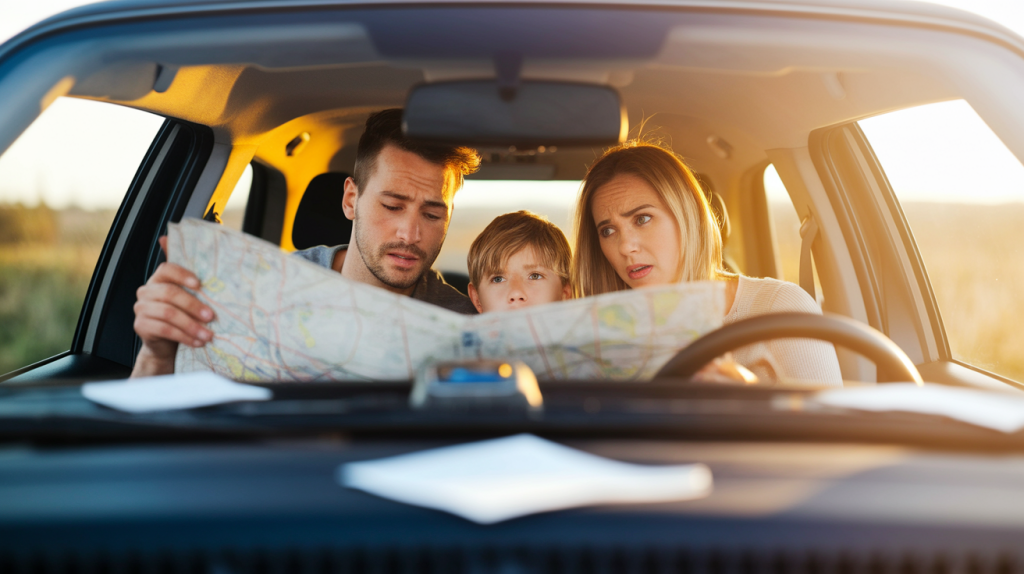
The Real Cost Savings of Hitting the Open Road
Let’s talk numbers, because the math on road trips is beautifully simple. A family of four flying to a popular destination pays anywhere from $1,200 to $2,400 just for airfare—before you’ve even booked a hotel or eaten a single meal. That same family can drive across multiple states for a fraction of that cost, stopping wherever curiosity strikes.
Road trips give you complete control over your biggest expenses. When you’re driving, you decide when to splurge on that local seafood restaurant and when to have a picnic at a scenic overlook. You can pack a cooler with groceries from home, cutting your food costs by 60% or more compared to eating out for every meal. No baggage fees, no overpriced airport food, no paying for taxis or rental cars at your destination.
But the real value goes beyond dollars saved. Road trips create organic teaching moments that no structured tour can replicate. Your kids learn geography by watching landscapes transform outside their window. They practice math calculating miles and gas stops. They develop patience, flexibility, and appreciation for the journey itself—lessons that stay with them long after vacation ends.
Essential Money-Saving Road Trip Strategies
The difference between an expensive road trip and an affordable one comes down to strategic planning. Start by downloading apps like GasBuddy to find the cheapest fuel along your route—this alone can save you $50-100 on a long trip. Use apps like iOverlander or Campendium to locate free camping spots and budget-friendly campgrounds.
Timing matters enormously. Travel during shoulder seasons (late spring or early fall) and you’ll find accommodation rates drop by 30-40% compared to peak summer months. The weather is often better too—fewer crowds, more comfortable temperatures, and locals who actually have time to chat.
Pack a quality cooler and shop at grocery stores in real towns, not tourist areas. A family of four can eat breakfast and lunch from cooler supplies for about $15-20 per day total. Save restaurant meals for dinner, and choose local favorites over chain restaurants—you’ll get better food, better prices, and better stories.
Making the Most of Junior Ranger Programs and Free Park Activities
Here’s a secret that savvy families have known for decades: America’s national and state parks offer world-class experiences at incredibly reasonable prices. A National Parks Annual Pass costs $80 and covers every national park in the country for an entire year—that’s unlimited access to places like the Grand Canyon, Yellowstone, and Yosemite for less than the cost of one day at a major theme park.
Even better, almost every national park offers free Junior Ranger programs that transform your kids into engaged learners. They complete activity booklets while exploring the park, then get sworn in as official junior rangers and receive a badge. It’s completely free, takes 1-3 hours, and gives kids a sense of accomplishment that beats any souvenir shop trinket.
State parks deliver similar value with lower entrance fees—typically $5-10 per vehicle. Many offer free guided nature walks, evening programs, and kid-friendly activities. Instead of paying $60 per person for a guided tour, you get expert-led experiences for the cost of park admission.
National Park Treasures: Nature’s Budget-Friendly Wonders
Utah’s Mighty Five: Arches and Canyonlands
Utah’s red rock country delivers more jaw-dropping scenery per square mile than anywhere else in America. Arches and Canyonlands National Parks sit just minutes apart near the town of Moab, and a single seven-day pass ($30 per vehicle) covers both parks—that’s unlimited access for your entire family for a week.
Arches National Park feels like another planet, with over 2,000 natural stone arches scattered across a rust-colored landscape. The park offers easy, family-friendly trails like the one-mile round trip to Sand Dune Arch, where kids can play in the sand beneath a massive stone arch. For families with older kids, the 3-mile round trip to Delicate Arch (Utah’s most famous landmark) delivers an unforgettable experience.
Canyonlands rewards you with massive canyon vistas that rival the Grand Canyon without the crowds. The Mesa Arch trail is an easy half-mile walk that leads to a stunning arch perched on a cliff edge—arrive at sunrise and you’ll understand why photographers obsess over this spot.
Budget camping options abound around Moab. The Bureau of Land Management offers free dispersed camping on public lands just outside town, while developed campgrounds like Devils Garden (in Arches) cost $25-30 per night. If camping isn’t your style, Moab has affordable hotel options starting around $80-100 per night during shoulder season.
The Grand Canyon: America’s Most Iconic Budget Destination
The Grand Canyon proves that America’s most famous natural wonder is also one of its most accessible. The South Rim stays open year-round and offers free shuttle buses that eliminate parking hassles and vehicle wear. Your National Parks Pass covers entrance, and once you’re inside, the best experiences cost nothing extra.
Walk along the Rim Trail for jaw-dropping views at every turn. Stop at multiple viewpoints—each offers a completely different perspective of the canyon. Time your visit for sunset when the canyon walls glow orange and purple, creating a natural light show that rivals any paid entertainment.
Free ranger-led programs run throughout the day, covering topics from geology to wildlife to Native American history. The Junior Ranger program here is particularly comprehensive, keeping kids engaged for hours while teaching them about one of Earth’s most impressive geological features.
For accommodations, Mather Campground inside the park offers sites for $18 per night—you can’t beat falling asleep under stars this clear. If camping isn’t appealing, the gateway towns of Tusayan and Williams offer budget hotels starting around $70-90 per night, with the bonus of restaurants and grocery stores nearby.
White Sands and Carlsbad Caverns: New Mexico’s Natural Marvels
Southern New Mexico delivers two unique experiences within a few hours of each other, making it perfect for families who want variety without excessive driving. White Sands National Park features 275 square miles of pure white gypsum sand dunes—it looks like snow but stays cool even in summer.
The best part? Sledding down these dunes costs whatever you pay for a plastic sled at the visitor center gift shop (around $15) or nothing if you bring flattened cardboard boxes from home. Kids can spend hours climbing and sliding, getting a full-body workout while having the time of their lives. Entrance fees are just $25 per vehicle for a seven-day pass.
Three hours north, Carlsbad Caverns takes you underground into one of the world’s most spectacular cave systems. The self-guided tour lets you explore at your own pace, and the famous Bat Flight Program (late May through October) costs nothing beyond park admission. Every evening at sunset, hundreds of thousands of bats spiral out of the cave entrance—it’s a natural phenomenon that leaves kids speechless.
Budget camping is available at nearby state parks, or stay in the town of Carlsbad where hotels run $60-80 per night. Pack picnic supplies because dining options near both parks are limited and overpriced.
Historic Routes and Small-Town Charm on a Shoestring

Route 66: The Classic American Road Trip Experience
Route 66 embodies the spirit of American road trips—quirky, nostalgic, and refreshingly affordable. This legendary highway stretches from Chicago to Santa Monica, and while you don’t need to drive the entire route, even a section delivers authentic Americana at budget-friendly prices.
The beauty of Route 66 lies in its roadside attractions, most of which are free or charge minimal admission. Stop at the Cadillac Ranch in Amarillo, Texas, where ten graffiti-covered Cadillacs stand nose-down in a field—bring spray paint and add your own mark. Visit the Blue Whale of Catoosa in Oklahoma, a massive blue whale sculpture that’s become a beloved photo stop. Check out Meteor Crater in Arizona for a nominal fee, or simply admire the vintage neon signs and restored gas stations that dot the route.
Mom-and-pop motels along Route 66 offer clean, comfortable rooms for $50-70 per night, often with more character than chain hotels at twice the price. Historic diners serve generous portions at reasonable prices—think $8-12 for breakfast, $10-15 for lunch. The Route 66 experience rewards curiosity and spontaneity, so leave room in your schedule for unplanned stops.
Franklin, Tennessee: History, Music, and Southern Hospitality
Just 20 minutes south of Nashville, Franklin offers Southern charm without Nashville’s premium prices. This historic town played a crucial role in the Civil War, and families with older children can explore battlefield sites and historic homes that bring history to life.
The downtown area is perfect for walking, with free street parking and dozens of independent shops and restaurants. Stop by the restored Franklin Theatre, a beautiful venue that hosts concerts and movies. Visit the farmers market (free to browse, cheap to shop) or catch one of the many free community events that happen throughout the year.
For Civil War history, tour the Carter House, Carnton, and Lotz House—all significant Battle of Franklin sites. Admission runs $12-18 per adult with discounts for children, and the tours are engaging enough to hold kids’ attention while teaching important history.
Accommodations in Franklin cost 30-40% less than comparable Nashville hotels, and you’re still close enough to visit Nashville’s attractions without paying downtown parking fees. Local restaurants serve excellent Southern food at prices that won’t shock you when the bill arrives.
Small-Town Discoveries: Where Your Dollar Stretches Further
America’s small towns offer something that major tourist destinations can’t—authentic experiences at authentic prices. Skip the interstate and take state highways through places where locals still wave at passing cars. You’ll discover roadside farm stands selling fresh produce for pennies, local festivals with free admission, and community museums that charge $2-5 per person.
Small-town accommodations often include locally-owned motels and bed-and-breakfasts where owners take pride in their properties and genuinely care about your experience. Rates run $60-90 per night, and you’ll often get insider tips on free local attractions and the best places to eat.
Restaurants in small towns serve generous portions at reasonable prices because they’re feeding neighbors, not tourists. A family dinner at a local diner or cafe costs $40-60 total—half what you’d pay in a tourist area. The food is often better too, with recipes passed down through generations and ingredients sourced from nearby farms.
Planning Your Perfect Budget Road Trip: Practical Tips and Real Numbers
Creating a Realistic Road Trip Budget
Let’s build a real budget for a week-long family road trip, so you know exactly what to expect. For a family of four traveling 2,000 miles over seven days, here’s a realistic breakdown:
Gas: $300-400 (depending on your vehicle and current prices) Accommodations: $350-490 (mix of camping at $25/night and budget hotels at $80/night) Food: $350-490 (grocery supplies plus a few restaurant meals) Park entrance fees: $80 (National Parks Annual Pass, or less for individual parks) Activities and extras: $100-200 (souvenirs, unexpected opportunities, special treats)
Total: $1,180-1,660 for seven days
That’s $170-240 per day for a family of four—less than a single night at many destination resorts. The beauty of this budget is its flexibility. Having an expensive day? Balance it with a free camping night and picnic meals the next day.
Use apps like Trail Wallet or TravelSpend to track expenses in real-time. This keeps you accountable without turning your vacation into a spreadsheet exercise. Build in a 15-20% buffer for unexpected expenses—that flat tire or irresistible roadside attraction you didn’t plan for.
Accommodation Strategies That Actually Work
The key to affordable road trip lodging is mixing accommodation types strategically. Camp for 2-3 nights to save money, then splurge on a hotel with a pool where kids can burn energy and you can do laundry. This variety keeps the trip interesting while controlling costs.
State park campgrounds offer the best value—$20-30 per night for sites with picnic tables, fire rings, and often hot showers. They’re cleaner and quieter than many private campgrounds, with better locations. Book popular parks in advance, but weekday sites in less-known parks often have walk-up availability.
For hotels, focus on properties that include free breakfast—this saves $30-40 per day and gets your morning started efficiently. Join free hotel rewards programs even if you don’t travel often; you’ll get member rates and occasional perks. Book directly with hotels rather than through third-party sites; you’ll often get better rates and more flexibility.
Free dispersed camping on Bureau of Land Management and National Forest land offers the ultimate budget option—completely free, often in stunning locations. Download the apps iOverlander and Campendium to find these spots, and always follow Leave No Trace principles.
Quick Food and Snack Hacks for Traveling Families
Food costs can explode on road trips if you’re not strategic. A quality cooler is your most important investment—spend $100-150 on a good one and it’ll save you thousands over years of travel. Pack it with sandwich supplies, fruits, vegetables, cheese, yogurt, and drinks. Stop at grocery stores every 2-3 days to restock.
Breakfast from the cooler (bagels, fruit, yogurt) costs $2-3 per person. Lunch (sandwiches, chips, fruit) runs $3-4 per person. That’s under $30 per day for breakfast and lunch for a family of four—versus $60-80 eating out.
Save restaurant meals for dinner, and choose wisely. Look for local favorites with parking lots full of pickup trucks—that’s where locals eat, which means good food at fair prices. Skip restaurants in national parks and tourist areas where you’re paying for location, not quality.
Stock up on road snacks at regular grocery stores, not gas stations. A box of granola bars costs $3-4 at a grocery store versus $1.50 per bar at a gas station. Fill reusable water bottles instead of buying bottled water. These small savings add up to $100-150 over a week-long trip.
Entertainment on the Road (That Won’t Cost You)
Long driving days need entertainment, but you don’t need expensive gadgets or subscriptions. Audiobooks from your local library (via apps like Libby) provide hours of free entertainment—choose books the whole family enjoys, from Harry Potter to Percy Jackson to classic adventures.
Create themed playlists before you leave. Let each family member contribute songs, then take turns choosing which playlist to play. Road trip games like “20 Questions,” “License Plate Bingo,” and “Would You Rather” cost nothing and create more engagement than screens.
Educational podcasts about your destinations turn drive time into learning time. “Brains On!” covers science topics for kids, while “Wow in the World” makes learning hilarious. “The Past & The Curious” teaches history through storytelling that captures kids’ attention.
Give kids disposable cameras or let them use your phone to document the trip from their perspective. Create photo scavenger hunts—find red rocks, spot wildlife, photograph funny signs. These activities keep them engaged while creating memories they’ll treasure.
Final Thoughts
Budget-friendly family road trips prove that the best adventures don’t require premium prices. From the soaring red rock arches of Utah to the quirky roadside attractions of Route 66, from the Grand Canyon’s timeless beauty to the underground wonders of Carlsbad Caverns, America’s highways lead to experiences that money can’t buy—and doesn’t need to.
These nine destinations share a common thread: they deliver authentic experiences, natural wonders, and family bonding without the financial stress that ruins so many vacations. You’re not sacrificing quality when you choose budget travel—you’re choosing real over manufactured, meaningful over marketed, memories over merchandise.
The families who look back on their childhoods with the fondest vacation memories rarely talk about expensive resorts or theme parks. They remember the time Dad got lost on Route 66 and you discovered that amazing diner. They remember earning their Junior Ranger badge at the Grand Canyon. They remember sledding down white sand dunes and watching thousands of bats emerge from a cave at sunset.
Start planning your budget-friendly family road trip today. Pick one destination from this list—maybe those stunning Utah parks or the classic Route 66 experience—and begin researching. Check park websites for current information, read reviews of campgrounds, and map your route. Join online communities where families share their road trip experiences and tips.
Your epic American road trip is waiting, and it’s more affordable than you think. The open road doesn’t care about your budget—it only cares that you show up ready for adventure. So pack that cooler, download those playlists, print out your Junior Ranger booklets, and hit the highway. Your family’s next great adventure starts with a single turn of the key.
What’s your favorite budget-friendly road trip destination? Share your tips and experiences in the comments below—let’s help more families discover that affordable travel creates the most priceless memories.