10 Onsen Hot Springs for a True Japanese Wellness Experience

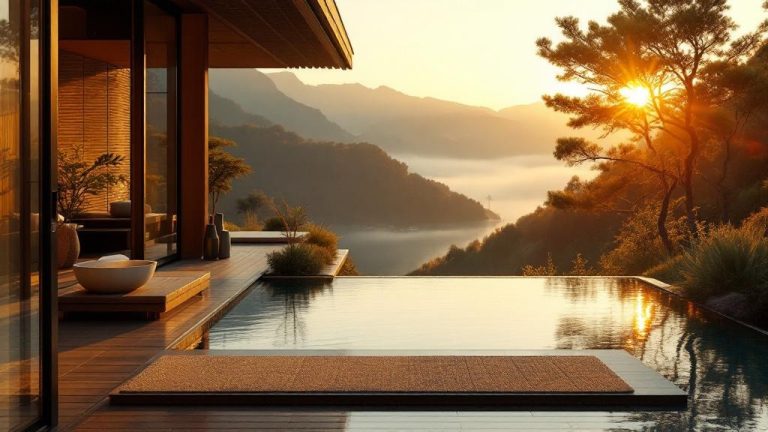
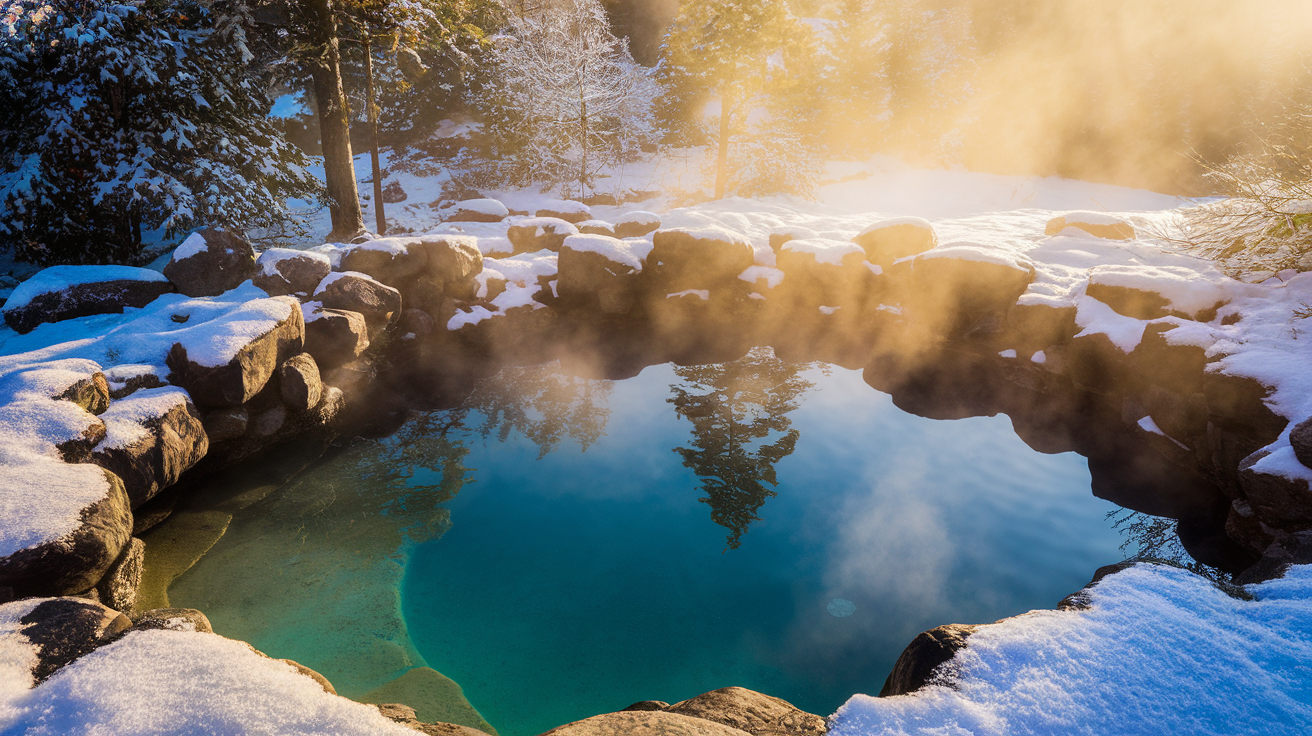
There’s something transformative about sinking into steaming mineral-rich waters surrounded by misty mountains or snow-dusted pines. This is the essence of Japan’s onsen culture—a wellness tradition that has healed bodies and calmed minds for over a thousand years.
Onsen culture isn’t just about taking a hot bath. It represents a deeper Japanese philosophy of wellness that connects physical health, mental clarity, and harmony with nature.
When you immerse yourself in these natural hot springs, you’re absorbing minerals like sulfur, calcium, and magnesium directly through your skin.
Research shows these minerals improve circulation, reduce inflammation, ease muscle tension, and promote deeper sleep. Beyond the physical benefits, the ritual of bathing in an onsen creates space for mindfulness and stress relief—something we desperately need in our busy modern lives.
These 10 onsen destinations offer the perfect introduction to this amazing wellness practice. Whether you’re planning your first trip to Japan or you’re a seasoned traveler seeking authentic experiences, these hot springs deliver therapeutic benefits wrapped in stunning natural beauty.
Some are easily accessible from major cities for quick weekend escapes, while others hide in remote mountain valleys for those seeking complete digital detox.
In this complete guide, you’ll discover everything you need to plan your perfect onsen journey. We’ll explore the essential etiquette that makes the experience smooth and respectful, dive deep into each destination’s unique characteristics, and share practical tips for booking, packing, and maximizing your wellness benefits. By the end, you’ll feel confident planning an onsen adventure that matches your travel style and wellness goals.
Understanding Onsen Culture: Your Essential Guide to Japanese Hot Springs
What Makes an Onsen Different from Regular Hot Springs
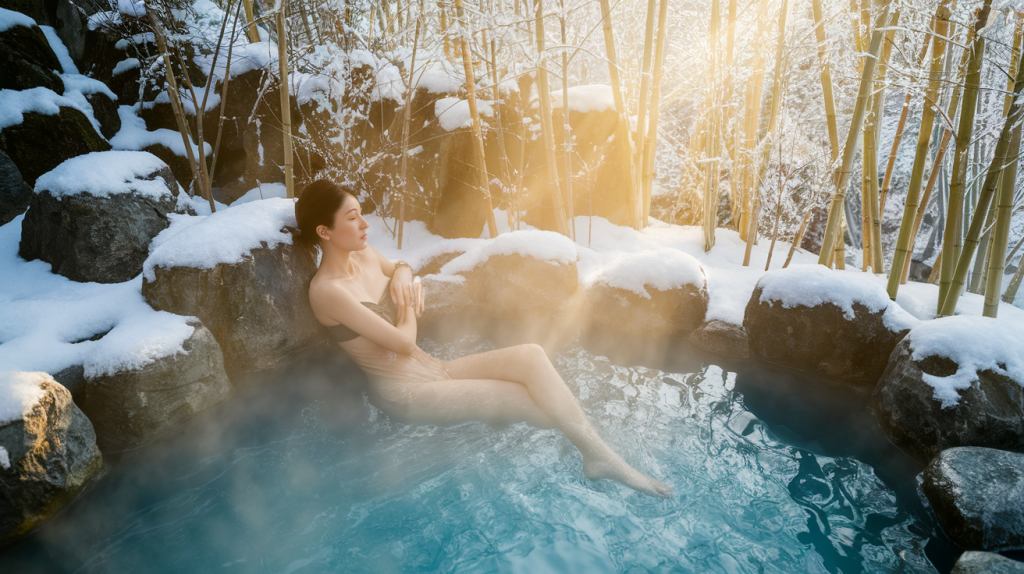
Not every hot spring qualifies as an onsen. By Japanese law, authentic onsen water must come from geologically heated sources and contain at least one of 19 designated minerals. This volcanic mineral composition creates therapeutic effects you simply can’t get from heated tap water.
The magic happens beneath Japan’s volcanic landscape. As water travels deep underground, it absorbs minerals from surrounding rocks—sulfur, iron, calcium, sodium bicarbonate, and more.
Each mineral combination creates different healing properties. Sulfur-rich waters work wonders for skin conditions and joint pain. Iron springs boost circulation and combat anemia. Sodium bicarbonate waters leave your skin feeling incredibly soft and smooth.
Traditional bathing rituals elevate the physical experience into something more meaningful. The Japanese approach to onsen bathing emphasizes mindfulness and presence. You’re not just cleaning your body—you’re washing away stress, connecting with nature, and practicing a form of moving meditation. This connection between onsen culture and Japanese wellness philosophy explains why locals visit hot springs regularly, not just as occasional treats but as essential self-care practices.
Easy Onsen Etiquette Every Visitor Should Know
Onsen etiquette might seem intimidating at first, but the rules are straightforward and make perfect sense once you understand them. Following these simple guidelines ensures everyone enjoys a peaceful, hygienic experience.
First, wash your entire body thoroughly at the provided shower stations before entering any bath. This isn’t optional—it’s the foundation of onsen etiquette. You’ll find soap, shampoo, and a small stool at each station. Rinse completely so no soap enters the communal bath water.
Second, understand the towel rules. Bring a small hand towel into the bathing area for modesty while walking around, but never let it touch the bath water. Most people fold it and place it on their head while soaking—it looks traditional and keeps the towel handy.
Third, keep your hair up and out of the water. Bring a hair tie if you have long hair. Fourth, tattoos can be an issue at some traditional onsen, though attitudes are slowly changing. Many facilities now offer private baths or tattoo-friendly policies, especially in tourist areas. Research ahead or ask your accommodation for recommendations.
Common mistakes to avoid: Don’t bring your phone or camera into bathing areas. Don’t swim or splash—onsen are for quiet soaking. Don’t drain the water from your small towel into the bath. Don’t stare at other bathers. These simple considerations create the respectful, relaxing atmosphere that makes onsen special.
Types of Onsen Experiences to Choose From
Outdoor rotenburo baths offer the ultimate onsen experience. Imagine soaking in hot mineral water while snowflakes drift down around you, or watching autumn leaves float across the water’s surface. Rotenburo connect you directly with nature’s beauty and changing seasons. Indoor baths provide more privacy and protection from weather, making them perfect for shy first-timers or during extreme temperatures.
Private kashikiri onsen solve the communal bathing hesitation many Western visitors feel. You reserve the bath for 30-60 minutes, giving you complete privacy with your travel companions. These work perfectly for couples, families, or anyone with tattoos who might face restrictions at communal baths. Many ryokan offer kashikiri options, though they typically cost extra and require advance booking.
Most onsen separate by gender, with distinct facilities for men and women. Some historic onsen maintain mixed-gender bathing traditions called konyoku, though these are increasingly rare. If you’re uncomfortable with communal nudity, look for accommodations with private in-room onsen or book kashikiri time slots. The key is choosing an experience that matches your comfort level—there’s no single “right” way to enjoy onsen culture.
The Ultimate List: 10 Onsen Hot Springs for Authentic Wellness
1. Hakone Onsen (Kanagawa Prefecture)
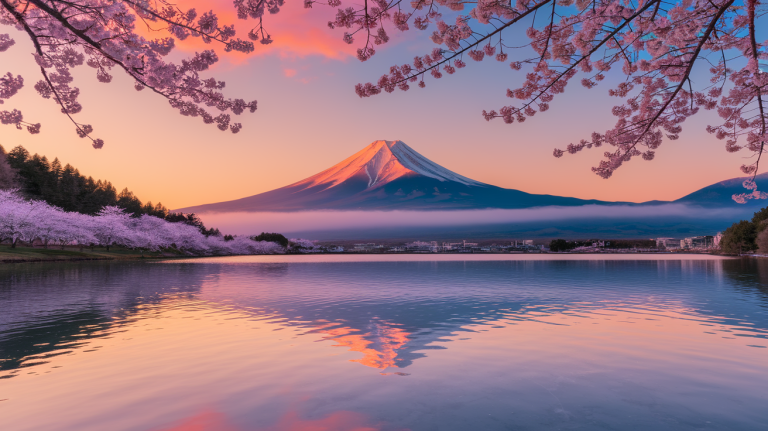
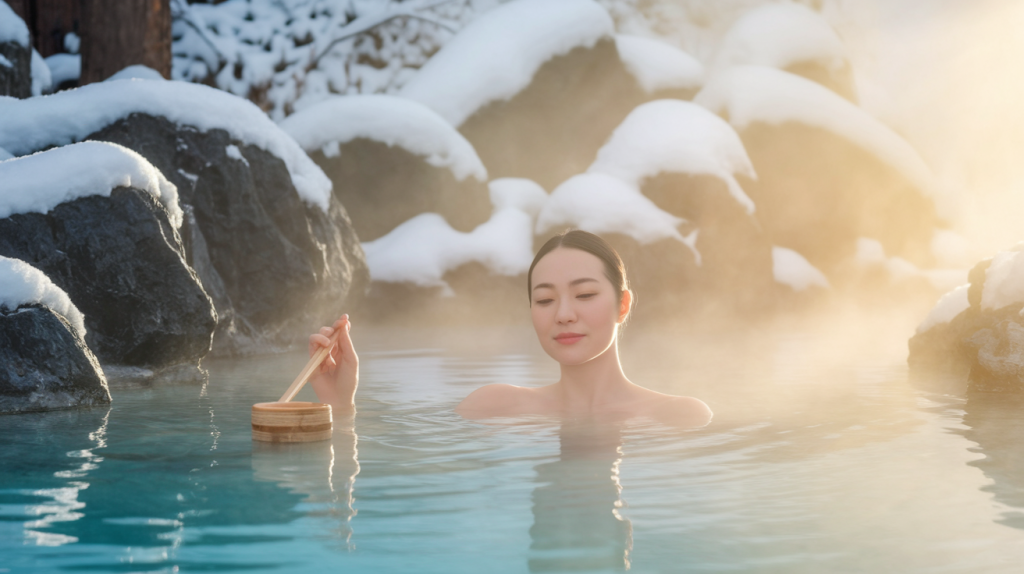
Hakone delivers the perfect introduction to onsen culture with stunning accessibility from Tokyo. Just 90 minutes by train, this hot spring resort sits in the mountains with spectacular Mt. Fuji views on clear days. The area contains 17 different hot spring sources, each with unique mineral compositions and therapeutic benefits.
You’ll find incredible variety here—from budget-friendly public baths starting around ¥1,000 to luxury ryokan where rooms cost ¥50,000+ per night. The Hakone Freepass makes exploring simple, giving you unlimited transportation and discounts at various attractions. Many visitors combine onsen bathing with the Hakone Open-Air Museum, Lake Ashi boat rides, and the volcanic valley Owakudani.
Day trips work beautifully if you’re short on time, but staying overnight at a traditional ryokan transforms the experience. You’ll enjoy kaiseki dinners featuring seasonal ingredients, sleep on futons laid over tatami mats, and have access to baths during quiet morning hours when you might have the rotenburo entirely to yourself.
2. Beppu Onsen (Oita Prefecture)
Beppu produces more hot spring water than any other resort in Japan—over 130,000 tons daily from 2,800+ springs. This abundance creates eight distinct onsen districts, each with different water types and characteristics. You could spend a week here and experience something new every day.
The famous “Hells of Beppu” (Jigoku) showcase the area’s geothermal power through dramatic steaming ponds, mud pools, and geysers. These aren’t for bathing—they’re spectacular natural wonders reaching temperatures over 90°C. The cobalt-blue Umi Jigoku and blood-red Chinoike Jigoku make for incredible photos.
For actual bathing, try the unique mud and sand baths. At Takegawara Onsen, attendants bury you up to your neck in naturally heated black sand. The weight and warmth create deep muscle relaxation and detoxification through intense sweating. Sand baths last about 10-15 minutes, followed by a regular hot spring soak. The combination delivers powerful therapeutic effects for joint pain, muscle tension, and stress relief.
3. Kusatsu Onsen (Gunma Prefecture)
Kusatsu’s waters rank among Japan’s highest quality, with strongly acidic pH levels that kill bacteria and promote healing. The town centers around Yubatake (“hot water field”), where 4,000 liters of 50°C water flow every minute through wooden channels, cooling before distribution to various baths.
The traditional yumomi water-cooling performances happen several times daily. Performers use large wooden paddles to stir and cool the water while singing folk songs—a technique developed because Kusatsu’s water is too hot for direct bathing. You can watch demonstrations or join participatory sessions to try this unique cultural practice yourself.
The charming historic town invites exploration between bathing sessions. Stone-paved streets lined with traditional shops, restaurants, and cafes create an authentic atmosphere. Winter transforms Kusatsu into a snowy wonderland, with nearby ski resorts adding adventure options. The combination of high-quality waters, cultural activities, and beautiful surroundings makes Kusatsu a complete wellness destination.
4. Kinosaki Onsen (Hyōgo Prefecture)
Kinosaki perfected the art of onsen-hopping. This picturesque town features seven public bathhouses (sotoyu), each with distinct architecture, atmosphere, and water characteristics. Your ryokan stay includes a pass for unlimited access to all seven—just slip on your yukata and wooden geta sandals and wander the willow-lined streets from bath to bath.
Each bathhouse offers something special. Satono-yu features a spacious outdoor bath surrounded by rocks and greenery. Mandara-yu claims the town’s oldest history, dating back 1,300 years. Gosho-no-yu provides a luxurious, modern space with floor-to-ceiling windows. Locals believe bathing in all seven brings good fortune, making the circuit a fun wellness challenge.
The yukata strolling culture sets Kinosaki apart. Everyone walks around town in colorful cotton robes provided by their accommodation—it’s not just acceptable, it’s expected. This creates a relaxed, communal atmosphere where you’re not just a tourist but a temporary participant in local life. The town comes alive in the evening as people bath-hop, stop for local Tajima beef dishes, and browse craft shops.
5. Noboribetsu Onsen (Hokkaido)
Noboribetsu offers extraordinary mineral diversity with nine different water types flowing from a single source area. You can experience sulfur, iron, salt, acidic, and alkaline waters all in one visit. This variety lets you target specific health concerns—sulfur for skin conditions, iron for circulation, salt for warming effects.
The dramatic Jigokudani (Hell Valley) provides the backdrop, with volcanic vents releasing steam and sulfurous gases across a barren, otherworldly landscape. Walking trails let you explore this geothermal wonderland safely. The contrast between the harsh volcanic terrain and the soothing bath waters creates a powerful connection to nature’s raw energy.
Winter visits offer magical experiences as snow blankets the surrounding forests while you soak in steaming outdoor baths. The temperature contrast—freezing air on your face, hot water on your body—creates an invigorating sensation that’s simultaneously relaxing and energizing. Noboribetsu’s brown bears (safely housed in a nearby bear park) and Ainu cultural experiences add educational elements to your wellness retreat.
6. Yufuin Onsen (Oita Prefecture)
Yufuin trades Beppu’s intensity for peaceful countryside charm. This artistic town sits in a mountain basin with Mt. Yufu providing a stunning backdrop. Morning mist often blankets the area, creating ethereal atmospheres perfect for contemplative bathing.
The town emphasizes quality over quantity, with carefully curated galleries, craft shops, and boutiques lining quiet streets. You’ll find local artisans selling pottery, glasswork, and textiles—perfect for meaningful souvenirs. Kinrin Lake offers peaceful walking paths where steam rises from hot spring water feeding the lake, creating beautiful photographic moments.
Yufuin’s ryokan range from traditional to contemporary, many featuring private outdoor baths with mountain views. The area attracts couples and wellness seekers looking for intimate, romantic experiences rather than large resort atmospheres. Farm-to-table restaurants showcase Oita’s agricultural bounty, and the slower pace encourages genuine relaxation and disconnection from daily stress.
7. Gero Onsen (Gifu Prefecture)
Gero ranks among Japan’s top three onsen for its exceptionally smooth, alkaline waters. The high pH creates a silky texture that leaves skin feeling soft and moisturized—locals call it “beauty water.” This makes Gero especially popular with visitors seeking skin-care benefits alongside general wellness.
Affordable public bath options make Gero accessible for budget-conscious travelers. Three communal baths cost just ¥370 each, and the riverside rotenburo offers free bathing with stunning river views. This openness and affordability reflect Gero’s welcoming, down-to-earth character.
The Hida River runs through town, and many ryokan position their outdoor baths along the riverbank. Soaking while watching the river flow creates a meditative experience, especially beautiful during cherry blossom season or autumn foliage. The town maintains traditional charm without feeling overly touristy, giving you an authentic glimpse into Japanese hot spring culture.
8. Arima Onsen (Hyōgo Prefecture)
Arima’s 1,300-year history makes it one of Japan’s oldest hot spring resorts. Located in the mountains near Kobe, it offers two distinct spring types: “gold” (kinsen) water rich in iron that turns reddish-brown, and “silver” (ginsen) water that’s clear and carbonated. Each provides different therapeutic benefits—gold for circulation and warming, silver for skin conditions and relaxation.
The compact town center allows easy exploration on foot. Historic temples, shrines, and traditional architecture create an atmospheric setting. The Kin-no-yu and Gin-no-yu public bathhouses let you experience both water types affordably, while luxury ryokan offer more exclusive experiences.
Quick access from Osaka (60 minutes) and Kobe (30 minutes) makes Arima perfect for adding onsen culture to a broader Kansai region itinerary. You can easily visit for a day trip or extend your city stay with an overnight mountain retreat. This accessibility combined with historical significance makes Arima a complete package for first-time onsen visitors.
9. Nyuto Onsen (Akita Prefecture)
Nyuto takes you deep into the mountains for an authentic escape from modern life. This collection of seven rustic ryokan sits in a remote valley surrounded by beech forests. The isolation creates an atmosphere of complete tranquility—no convenience stores, no traffic noise, just nature and hot spring water.
Traditional thatched-roof buildings at ryokan like Tsurunoyu transport you back in time. These historic structures, some over 300 years old, offer basic but charming accommodations. The milky-white sulfur waters create a distinctive visual experience, especially dramatic in outdoor baths where the opaque water contrasts with surrounding greenery or snow.
Winter transforms Nyuto into a snow-covered wonderland accessible only by special bus or car with snow tires. The extra effort rewards you with otherworldly beauty and near-total solitude. This is onsen culture at its most authentic and unspoiled—perfect for travelers seeking genuine connection with Japanese wellness traditions away from tourist crowds.
10. Shirahone Onsen (Nagano Prefecture)
Shirahone hides in the Japanese Alps at 1,400 meters elevation, offering a secluded alpine retreat. The name translates to “white bone,” referring to the milky calcium-carbonate waters that turn white when exposed to air. These mineral-rich waters provide exceptional benefits for skin health, circulation, and respiratory conditions.
The remote location ensures peaceful experiences with minimal crowds, especially during weekdays. Surrounding mountains provide spectacular seasonal beauty—spring brings alpine flowers, summer offers cool refuge from heat, autumn explodes with foliage colors, and winter creates a pristine snow paradise. The dramatic seasonal changes make Shirahone worth visiting multiple times throughout the year.
Most accommodations are small, family-run ryokan emphasizing personal service and home-cooked meals featuring mountain vegetables and local specialties. The intimate scale creates warm, welcoming atmospheres where you feel like a guest in someone’s home rather than a hotel customer. This personal touch, combined with stunning natural settings and exceptional water quality, makes Shirahone a hidden gem for serious wellness seekers.
Planning Your Perfect Onsen Journey: Practical Tips and Time-Saving Advice
When to Visit for the Ultimate Experience
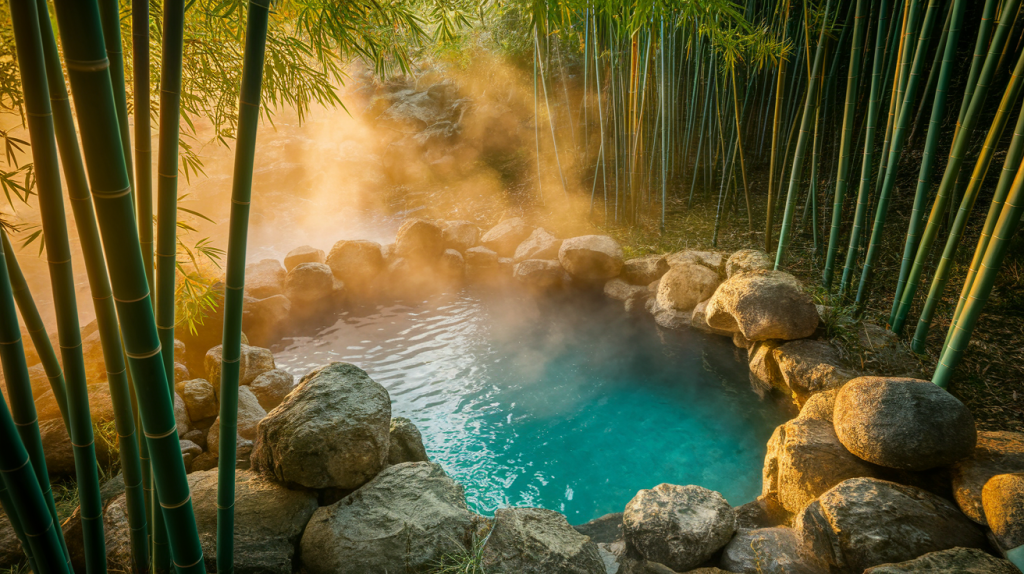
Each season transforms onsen experiences in unique ways. Winter creates the most dramatic contrasts—soaking in hot water while snow falls around you delivers an unforgettable sensory experience. Popular destinations like Kusatsu and Noboribetsu shine during winter months, though they also attract more visitors. Book accommodations well in advance for winter weekends and holidays.
Spring brings cherry blossoms to many onsen towns, particularly beautiful in Hakone and Gero. The combination of delicate pink blooms and steaming baths creates postcard-perfect moments. However, Golden Week (late April to early May) brings massive crowds and inflated prices—avoid this period if possible.
Autumn offers spectacular foliage, especially in mountainous areas like Nyuto and Shirahone. The cooler temperatures make outdoor bathing comfortable, and the visual beauty of red and gold leaves surrounding rotenburo baths rivals spring’s cherry blossoms. September through November provides excellent weather with fewer crowds than peak seasons.
Summer works well for high-altitude onsen like Shirahone, where temperatures stay pleasant. Coastal and lower-elevation destinations can feel too hot for extended bathing, though evening and early morning sessions remain enjoyable. Summer also brings rainy season (June-July), which creates misty, atmospheric conditions but requires rain gear for outdoor activities.
For avoiding crowds while maximizing enjoyment, visit during weekdays rather than weekends. Arrive at popular baths early morning or late evening when day-trippers have left. Mid-week stays at ryokan often cost less than weekend rates and provide more peaceful experiences.
Simple Booking Strategies That Work
Reserving ryokan with onsen access requires planning, especially for popular destinations during peak seasons. Start researching 2-3 months ahead for regular periods, 4-6 months for cherry blossom season, autumn foliage, or winter holidays.
Japanese booking sites like Jalan and Rakuten Travel offer the best selection and prices, though they require some navigation skills. Many sites now offer English interfaces, and Google Translate helps fill gaps. International platforms like Booking.com and Agoda list major properties but often miss smaller, family-run ryokan that provide the most authentic experiences.
Day-visit options versus overnight stays each offer advantages. Day visits let you experience multiple onsen in one trip and cost significantly less—typically ¥500-2,000 for public bath entry. This works perfectly for travelers on tight budgets or limited schedules. However, overnight ryokan stays provide the complete experience: private bath access during quiet hours, traditional kaiseki dinners showcasing regional cuisine, sleeping in tatami rooms, and waking to mountain views with morning bath sessions.
Essential phrases for smooth reservations: “Yoyaku shitai desu” (I’d like to make a reservation), “Kashikiri buro ga arimasu ka?” (Do you have private baths?), “Irezumi wa daijoubu desu ka?” (Are tattoos okay?). Most tourist-area ryokan have staff who speak basic English, but learning a few Japanese phrases shows respect and often receives warm appreciation.
What to Pack for Your Onsen Adventure
Most onsen facilities provide everything you need for bathing—soap, shampoo, conditioner, body wash, towels, and hair dryers. Ryokan typically include yukata (casual cotton robes), slippers, and small towels in your room. This means you can pack light for the bathing portion of your trip.
However, bring these items for optimal comfort: your own high-quality hair ties if you have long hair (provided ones often break), facial cleanser if you’re particular about skin care, a small waterproof bag for carrying personal items between your room and baths, and comfortable walking shoes for exploring onsen towns.
For tattoo-friendly solutions, research ahead using resources like Tattoo Friendly Japan or contact accommodations directly. Many places now offer private baths or relaxed policies, especially in tourist areas. Tattoo cover patches provide temporary solutions at traditional onsen with strict policies, though they work better for smaller tattoos. Some visitors choose to visit during off-peak hours when baths are less crowded and policies are more flexible.
Bring modest clothing for common areas and meals, as ryokan maintain traditional standards. Women should pack a small bag for carrying toiletries to bathing areas. Photography equipment stays in your room—never bring cameras or phones into bathing areas, even if empty.
Budget-Friendly Ways to Experience Luxury Onsen
Experiencing onsen culture doesn’t require luxury budgets. Public bathhouses (sento and communal onsen) offer authentic experiences for ¥300-1,000 per visit. Many towns provide day-use access to ryokan baths for ¥1,000-3,000, letting you enjoy premium facilities without overnight costs.
Time-saving day trip strategies maximize experiences while minimizing expenses. Leave Tokyo early morning for Hakone, visit 2-3 different onsen throughout the day, and return by evening train. The Hakone Freepass (¥5,000-6,000) covers transportation and provides discounts at various baths and attractions. Similar passes exist for other popular onsen regions.
Proven tips for finding accommodation deals: Book directly with ryokan by phone or email rather than through booking sites—you’ll often get better rates and room selection. Visit during shoulder seasons (early spring, late autumn) when prices drop but weather remains pleasant. Look for weekday-only promotions that can save 30-50% compared to weekend rates.
Consider staying in nearby towns and visiting onsen as day trips. For example, base yourself in affordable Matsumoto and day-trip to Shirahone, or stay in Osaka and visit Arima. This strategy works especially well when traveling with non-onsen enthusiasts who prefer urban amenities.
Maximizing Your Wellness Benefits: Making the Most of Your Onsen Experience
The Amazing Health Benefits of Onsen Bathing
Different mineral compositions provide targeted therapeutic effects. Sulfur springs excel at treating skin conditions like eczema and psoriasis while also benefiting respiratory issues. The distinct smell might take adjustment, but the healing properties prove worth it. Iron-rich springs improve circulation and help with anemia—you’ll notice the reddish-brown water color immediately.
Sodium bicarbonate waters create the silky “beauty bath” texture that leaves skin incredibly soft. These alkaline springs help with digestive issues and general fatigue. Calcium springs support bone health and muscle recovery, making them popular with athletes and active travelers. Acidic springs kill bacteria and promote healing of cuts and minor skin infections.
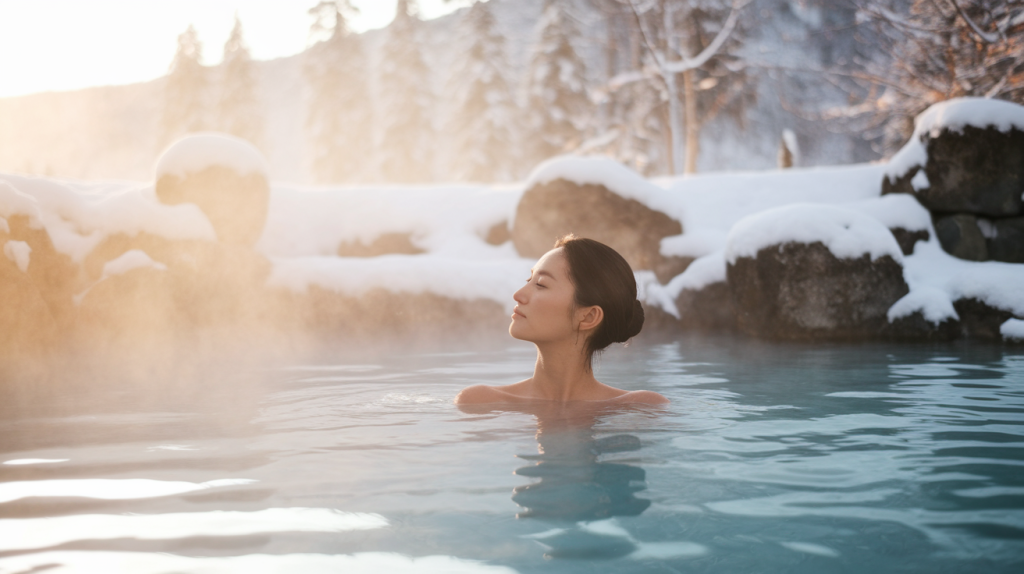
Regular onsen bathing supports stress relief and mental clarity through multiple mechanisms. The heat dilates blood vessels, improving circulation and oxygen delivery to your brain. The mineral absorption provides nutritional benefits your body uses for various healing processes. The quiet, meditative environment encourages mindfulness and present-moment awareness—you can’t check your phone or rush through the experience.
Effective techniques for muscle recovery and pain management include alternating between hot onsen and cool water pools if available. This contrast therapy reduces inflammation and accelerates recovery. The buoyancy of water reduces joint pressure, allowing deeper relaxation of supporting muscles. The mineral absorption directly addresses inflammation at cellular levels, providing relief that lasts beyond your bathing session.
Simple Rituals to Enhance Your Experience
Traditional Japanese bathing sequences optimize benefits. Start with a thorough wash at the shower station, which prepares your body for mineral absorption. Enter the bath gradually, allowing your body to adjust to the temperature. Soak for 10-15 minutes initially, then exit and rest. Repeat this cycle 2-3 times rather than staying in continuously for 30+ minutes, which can cause dizziness or excessive fatigue.
Quick breathing and meditation practices while soaking amplify relaxation effects. Try slow, deep breathing—inhale for four counts, hold for four, exhale for six. This activates your parasympathetic nervous system, deepening the relaxation response. Practice body scanning: mentally move through each body part, releasing tension as you go. Notice sensations—water temperature, mineral smell, sounds of nature or flowing water.
Perfect timing varies by water temperature. Hotter baths (42-45°C) require shorter sessions of 5-10 minutes to avoid overheating. Moderate temperatures (38-41°C) allow comfortable soaking for 15-20 minutes. Cooler baths (35-37°C) support longer sessions up to 30 minutes. Listen to your body—if you feel dizzy, too hot, or uncomfortable, exit immediately and rest.
Hydration is essential. Drink water before bathing, and keep water nearby for sipping between sessions. The heat and sweating cause significant fluid loss. Many onsen provide cold water stations—use them liberally. Avoid alcohol before bathing despite the temptation, as it increases dehydration and overheating risks.
Combining Onsen with Other Japanese Wellness Practices
Pairing onsen visits with forest bathing (shinrin-yoku) creates powerful synergistic effects. Many onsen destinations sit in forested mountains perfect for contemplative walks. Hakone offers numerous hiking trails through cedar forests. Nyuto’s beech forests provide spectacular settings for forest bathing. The combination of negative ions from forests and mineral absorption from onsen amplifies stress reduction and immune system benefits.
Easy ways to incorporate local cuisine for complete wellness include trying the regional specialties served at your ryokan. Kaiseki dinners feature seasonal, locally-sourced ingredients prepared to highlight natural flavors and nutritional benefits. Mountain vegetables, local fish, and regional specialties provide nutrients that complement onsen mineral absorption. Many areas offer food experiences like making soba noodles or visiting sake breweries.
Creating your ultimate multi-day wellness itinerary might look like this: Day one—arrive, gentle walk around town, evening onsen session, traditional dinner. Day two—morning forest bathing hike, afternoon onsen, meditation or yoga if available, second evening bath. Day three—sunrise bath, leisurely breakfast, final short soak before departure. This pacing allows deep relaxation without rushing between activities.
Consider adding complementary practices available at many onsen resorts: traditional Japanese massage (anma), acupuncture, or meditation sessions. Some modern onsen resorts offer yoga classes, though these are less common at traditional ryokan. The key is balancing activity with rest, allowing your body to fully absorb the therapeutic benefits of mineral bathing.
Your Path to Authentic Japanese Wellness Starts Here
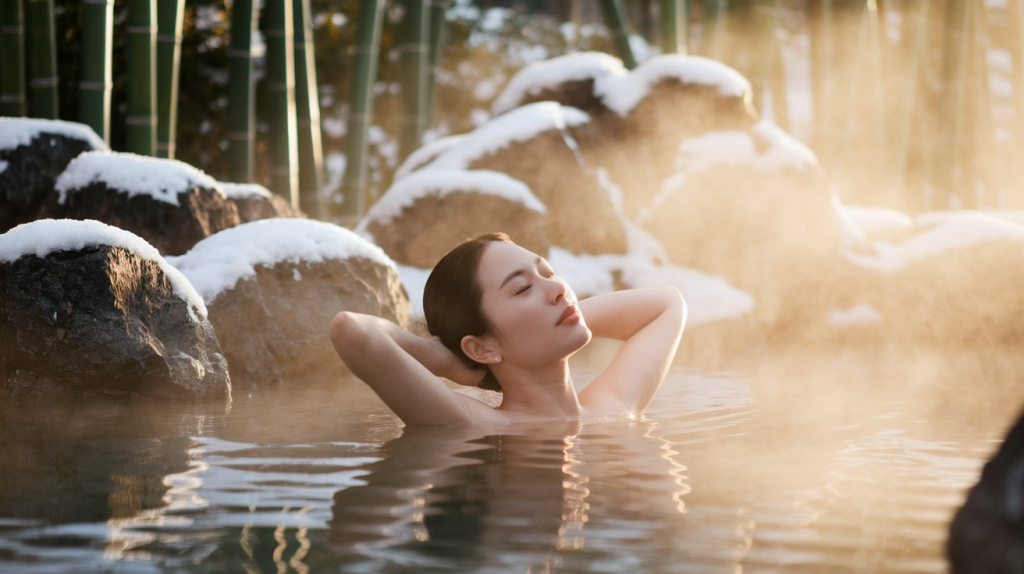
These 10 amazing onsen destinations offer more than beautiful bathing spots—they provide gateways to a wellness philosophy that has sustained Japanese health and longevity for centuries. From easily accessible Hakone to remote Nyuto, each location delivers unique therapeutic benefits wrapped in stunning natural beauty and authentic cultural experiences.
The essential benefits extend far beyond the immediate pleasure of hot water relaxation. Regular onsen bathing reduces stress hormones, improves cardiovascular health, enhances skin condition, relieves chronic pain, and promotes deeper, more restorative sleep. The mindfulness practices inherent in onsen culture teach presence and awareness that carry into daily life long after your trip ends.
Proper etiquette is easy to master and enhances your enjoyment by creating respectful, peaceful environments where everyone can fully relax. The simple rules—wash first, keep towels out of water, maintain quiet—make perfect sense once you understand their purpose. Following these guidelines shows respect for Japanese culture and fellow bathers while ensuring you get the most from your experience.
Planning ahead makes the experience stress-free and accessible regardless of your budget or travel style. Whether you choose a quick day trip from Tokyo to Hakone or an extended retreat in remote Shirahone, the transformative effects prove worth the effort. Start with one destination that matches your comfort level and interests, then expand your onsen explorations on future trips.
Your wellness journey begins with a single step—or in this case, a single soak. Research these destinations, check availability for your travel dates, and book that first onsen experience. Your body, mind, and spirit will thank you for embracing this proven wellness tradition that continues healing and rejuvenating people just as effectively today as it has for over a thousand years.
The steaming waters are waiting. Which onsen will you visit first?