7 Japan Mountain Villages to Experience Traditional Life

Imagine waking up in a 250-year-old thatched-roof farmhouse, sliding open wooden shutters to reveal snow-dusted peaks piercing the morning mist. You hear the gentle rush of a mountain stream and smell wood smoke from neighboring hearths. This isn’t a fantasy—it’s a typical morning in Japan’s traditional mountain villages.
These remote settlements offer something Tokyo’s neon streets never can: authentic immersion into centuries-old ways of life that have survived modernization. While most travelers stick to Japan’s famous cities, you’ll discover the country’s soul in these mountain communities where farmers still tend rice terraces by hand, craftspeople practice ancient techniques, and neighbors greet each other by name on cobblestone streets.
I’ve spent years exploring Japan’s hidden corners, and these seven villages consistently deliver the most memorable cultural experiences. Whether you’re drawn to UNESCO-listed thatched houses, Edo-period post towns, or alpine hot springs, each destination offers a unique window into traditional Japanese life. You’ll walk car-free streets unchanged for centuries, stay in family-run guesthouses where three generations share meals with guests, and witness seasonal festivals that predate written records.
Ready to trade tourist crowds for genuine connections? Let’s explore the mountain villages that will transform your understanding of Japan.
What Makes Japanese Mountain Villages Special
Understanding Traditional Village Life
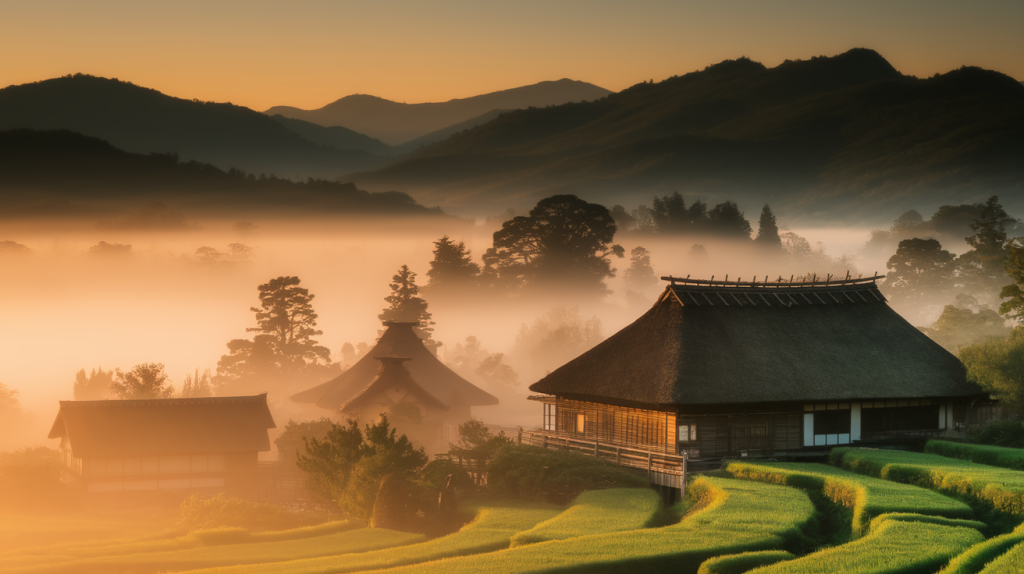
Japanese mountain villages aren’t museum pieces—they’re living communities where tradition meets daily life. The most iconic feature you’ll encounter is gasshō-zukuri architecture, those distinctive thatched-roof houses with steeply pitched roofs designed to shed heavy snow. These multi-story farmhouses took entire communities to build and maintain, creating bonds that still define village life today.
Walk through these settlements and you’ll notice something remarkable: residents actually know each other. In villages with populations under 500, everyone shares responsibility for maintaining historic buildings, organizing festivals, and preserving crafts that have been passed down for generations. This isn’t nostalgia—it’s practical necessity in remote locations where neighbors depend on each other.
The connection to nature runs deeper here than anywhere else in Japan. Villages follow seasonal rhythms that dictate everything from planting schedules to festival dates. Spring means preparing rice paddies, summer brings mountain vegetable harvests, autumn demands roof repairs before snowfall, and winter transforms villages into quiet sanctuaries. You’ll experience this cycle firsthand, whether you’re helping with harvest activities or simply watching farmers work terraced fields that have fed families for centuries.
Why Visit Mountain Villages vs. Cities
Cities showcase modern Japan brilliantly, but mountain villages reveal the cultural foundation that makes Japan unique. In Kyoto, you’ll tour temples alongside thousands of visitors. In Shirakawa-go, you’ll stay inside a 200-year-old farmhouse where your host’s family has lived for eight generations, sharing stories over handmade meals.
The pace itself becomes therapeutic. No rushing between attractions, no navigating packed trains, no sensory overload from competing advertisements. Instead, you’ll spend mornings exploring at your own rhythm, afternoons soaking in hot springs, and evenings conversing with locals who have time for meaningful interactions. This slower approach creates space for the kind of travel experiences you’ll remember years later.
Natural scenery amplifies every experience. These villages nestle in valleys surrounded by peaks that change dramatically with seasons—cherry blossoms against snow-capped mountains in spring, lush green forests in summer, fiery autumn foliage, and winter landscapes straight from fairy tales. You’re not just visiting historic sites; you’re immersed in breathtaking environments that shaped traditional Japanese aesthetics.
Essential Things to Know Before You Go
Timing matters significantly. Winter (December-February) transforms villages into snow-covered wonderlands, with illumination events in Shirakawa-go creating magical nighttime scenes. However, you’ll need winter gear and should expect some road closures. Spring (April-May) brings cherry blossoms and comfortable temperatures, while summer (June-August) offers lush greenery and festival season. Autumn (October-November) delivers spectacular foliage and ideal hiking weather—my personal favorite.
Transportation requires planning but isn’t complicated. Most villages connect to major cities via train and bus combinations, with journey times ranging from 2-5 hours from Tokyo or Osaka. The JR Pass covers many routes, making multi-village trips affordable. Rental cars offer maximum flexibility, especially for reaching smaller settlements, but aren’t necessary if you’re comfortable with public transit schedules.
Cultural etiquette is straightforward: remove shoes when entering homes and some establishments, speak quietly in villages (especially early morning and evening), ask permission before photographing residents, and respect private property markers. Most villagers appreciate respectful visitors and many speak basic English, though learning simple Japanese phrases enhances interactions significantly.
The Ultimate List: 7 Must-Visit Mountain Villages
1. Shirakawa-go (Gifu Prefecture) – The UNESCO World Heritage Gem
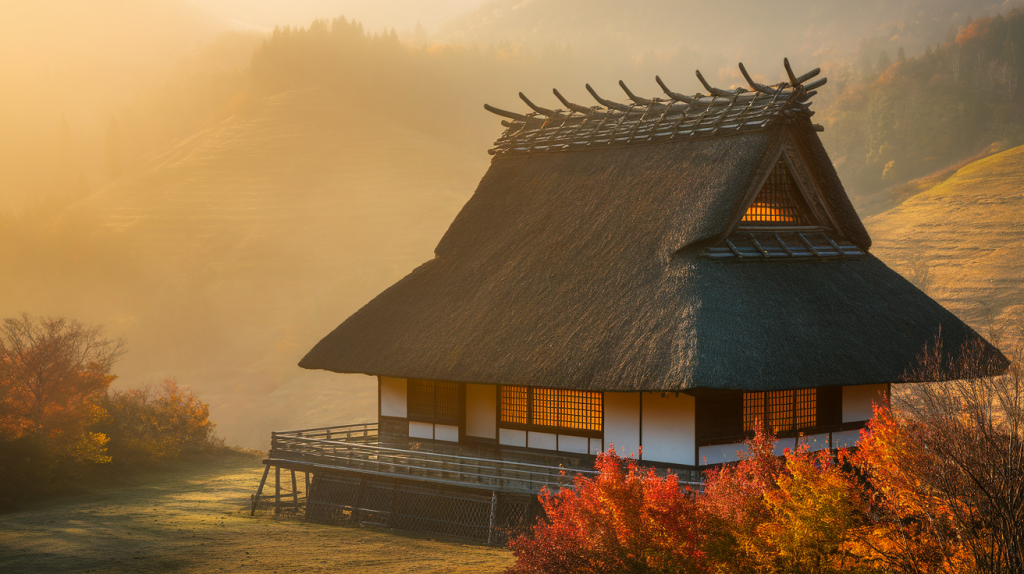
Shirakawa-go tops every list for good reason—over 100 preserved gasshō-zukuri houses create Japan’s most iconic mountain village landscape. This UNESCO World Heritage Site in the Japanese Alps attracts visitors worldwide, yet maintains its authentic character through strict preservation rules and active farming community.
The village’s layout follows traditional patterns, with houses positioned to maximize sunlight and minimize snow accumulation. Several farmhouses operate as museums where you can explore multiple floors, understanding how extended families lived and worked under one massive thatched roof. The upper floors originally housed silkworm cultivation—the economic foundation that built these impressive structures.
Staying overnight transforms your experience completely. Several farmhouses operate as minshuku (guesthouses) where you’ll sleep on futon bedding in tatami rooms, share communal baths, and enjoy multi-course dinners featuring mountain vegetables and regional specialties. Your hosts often share family histories spanning centuries, offering insights no guidebook can match.
Winter illumination events (held several evenings from January to February) create ethereal scenes as lights illuminate snow-covered houses against dark mountains. These events require advance reservations and draw crowds, but witnessing this fairy-tale transformation justifies the planning. Summer and autumn offer easier access with equally stunning scenery minus the snow.
2. Gokayama (Toyama Prefecture) – Shirakawa-go’s Quieter Neighbor
Just 30 minutes from Shirakawa-go, Gokayama shares UNESCO status but receives a fraction of the visitors—your reward for venturing slightly further. Three hamlets (Ainokura, Suganuma, and Kamininashi) preserve gasshō-zukuri architecture in more intimate settings where you’ll often find yourself alone on village paths.
The atmosphere here feels more authentic precisely because tourism hasn’t transformed daily life. Residents still farm surrounding fields, maintain traditional crafts, and go about their routines largely unaffected by visitors. This creates opportunities for genuine interactions—locals often stop to chat, invite you to observe their work, or share recommendations.
Gokayama’s washi paper-making tradition spans centuries, and several workshops welcome visitors for hands-on experiences. You’ll learn how artisans transform mulberry bark into paper using techniques unchanged for generations, then create your own sheets to take home. These workshops provide meaningful cultural exchange beyond simple sightseeing.
Practical tip: Combine Shirakawa-go and Gokayama in a two-day trip, staying overnight in one village and day-tripping to the other. This approach maximizes your mountain village experience while minimizing transportation time.
3. Hakuba Village (Nagano Prefecture) – Alpine Beauty Year-Round
Hakuba delivers dramatic Japanese Alps scenery with easier access than more remote villages—approximately four hours from Tokyo via train and bus. While known internationally for world-class skiing, Hakuba’s summer and autumn seasons reveal a different character: hiking trails through alpine meadows, hot spring resorts with mountain views, and traditional culture thriving alongside outdoor recreation.
The village blends old and new effectively. You’ll find centuries-old farmhouses converted into cafes and guesthouses, traditional festivals celebrating rice planting and harvests, and locals who balance modern tourism with agricultural traditions. This mix makes Hakuba ideal if you want mountain village atmosphere with more amenities than ultra-remote settlements.
Hot spring culture defines Hakuba’s appeal beyond skiing season. Multiple onsen facilities offer indoor and outdoor baths with spectacular mountain views. After hiking or exploring villages, soaking in mineral-rich waters while watching sunset paint the peaks creates unforgettable moments. Many accommodations include private or semi-private baths, perfect if you’re nervous about communal bathing.
Summer brings wildflower season to high-altitude areas accessible via gondola, while autumn transforms the valley into a patchwork of gold, orange, and red foliage. These shoulder seasons offer the best combination of pleasant weather, stunning scenery, and fewer crowds than winter’s ski season.
4. Tsumago (Nagano Prefecture) – Step Into Edo-Period Japan
Tsumago preserves its identity as a post town along the historic Nakasendo Trail, the mountain route connecting Tokyo and Kyoto during the Edo period. What makes Tsumago extraordinary is its car-free policy—no vehicles enter the historic district, and even utility wires run underground to maintain the period atmosphere. Walking these streets genuinely feels like time travel.
Traditional wooden buildings line the stone-paved main street, many operating as minshuku where you’ll experience authentic inn hospitality. The architecture differs from gasshō-zukuri villages, showcasing the merchant and inn-keeper style that served traveling samurai, merchants, and officials centuries ago. Several buildings operate as museums displaying period artifacts and explaining post town history.
The hiking trail connecting Tsumago to neighboring Magome ranks among Japan’s most scenic and accessible historic walks. This 8-kilometer route follows the original Nakasendo path through forests and farmland, taking 2-3 hours at a relaxed pace. You’ll pass waterfalls, rest houses, and viewpoints that haven’t changed since the Edo period. Luggage forwarding services let you hike unburdened, with bags delivered to your next accommodation.
Tsumago’s preservation resulted from community determination—in the 1960s, residents chose to reject modernization and instead restore buildings to their Edo-period appearance. This collective decision created the authentic atmosphere you experience today, demonstrating how traditional preservation requires ongoing community commitment.
5. Takayama Old Town (Gifu Prefecture) – Little Kyoto of the Mountains
Takayama functions as both destination and gateway—its beautifully preserved merchant district deserves exploration while serving as your base for reaching other mountain villages. Called “Little Kyoto of the Mountains,” Takayama preserves Edo-period architecture along the Miyagawa River, with sake breweries, merchant houses, and morning markets creating vibrant traditional atmosphere.
The morning markets (held daily along the river and in front of Takayama Jinya) showcase regional crafts, produce, and specialties. Local vendors sell everything from handmade pickles to woodcrafts, providing perfect opportunities for authentic souvenirs while supporting traditional artisans. Arrive early for the best selection and most relaxed browsing.
Takayama’s sake brewing tradition produces some of Japan’s finest rice wine, and several breweries offer tours and tastings. You’ll learn how mountain water quality and local rice varieties create distinctive flavors, then sample varieties ranging from dry to sweet. Many breweries occupy buildings centuries old, adding historical context to your tasting experience.
The town’s festivals (spring and autumn) rank among Japan’s most spectacular, featuring massive floats decorated with intricate carvings and mechanical puppets. If your timing aligns, these festivals provide unforgettable cultural experiences. Even without festivals, Takayama’s walkable historic district, excellent restaurants serving Hida beef, and comfortable accommodations make it an ideal mountain region base.
6. Ainokura Village (Toyama Prefecture) – Off-the-Beaten-Path Treasure
Ainokura, one of Gokayama’s three hamlets, deserves special mention as the most intimate gasshō-zukuri village experience. With only about 20 thatched houses and minimal tourism infrastructure, Ainokura feels like a living community that happens to welcome visitors rather than a tourist destination.
The village’s hillside location provides stunning panoramic views from the observation deck—the classic postcard perspective showing thatched roofs nestled in the valley with mountains beyond. Visit during different seasons for dramatically different photography opportunities: snow-covered roofs in winter, fresh green rice paddies in summer, golden autumn foliage.
Several families offer hands-on cultural experiences including traditional craft workshops, rice planting or harvesting (seasonal), and home-cooked meals featuring local ingredients. These intimate interactions provide insights into daily life that larger villages can’t match. Your hosts genuinely enjoy sharing their traditions, creating warm exchanges that transcend language barriers.
Practical considerations: Ainokura has limited accommodations (only a few minshuku), so book well in advance if staying overnight. Day visits work perfectly, but staying overnight lets you experience the village after day-trippers leave—when residents gather, children play in streets, and authentic village life unfolds around you.
7. Magome (Gifu Prefecture) – Scenic Post Town Experience
Magome complements Tsumago as the other end of the famous Nakasendo hiking trail, offering a hillside post town experience with equally charming atmosphere. The stone-paved main street climbs steeply through the village, lined with traditional wooden buildings housing shops, restaurants, and inns.
Unlike Tsumago’s flat layout, Magome’s elevation changes create dramatic views at every turn—look back down the street toward the valley below, or climb to the village’s upper reaches for mountain vistas. This topography made Magome a challenging stop for Edo-period travelers, but creates photogenic scenes for modern visitors.
The village’s literary connection adds cultural depth—famous author Shimazaki Toson was born here, and a museum dedicated to his work occupies his family’s former inn. Even without literary interest, the museum building itself showcases beautiful traditional architecture and provides historical context for post town life.
Magome works perfectly as a day trip from Nagoya (about 90 minutes by bus) or as an overnight stay before or after hiking to Tsumago. The village offers more dining options than Tsumago, including restaurants serving gohei-mochi (grilled rice cakes with sweet miso sauce) and other regional specialties. Sunset transforms the village as warm light illuminates wooden buildings against mountain shadows—stay for this magical hour if possible.
Complete Guide to Experiencing Traditional Village Life
Where to Stay for an Authentic Experience
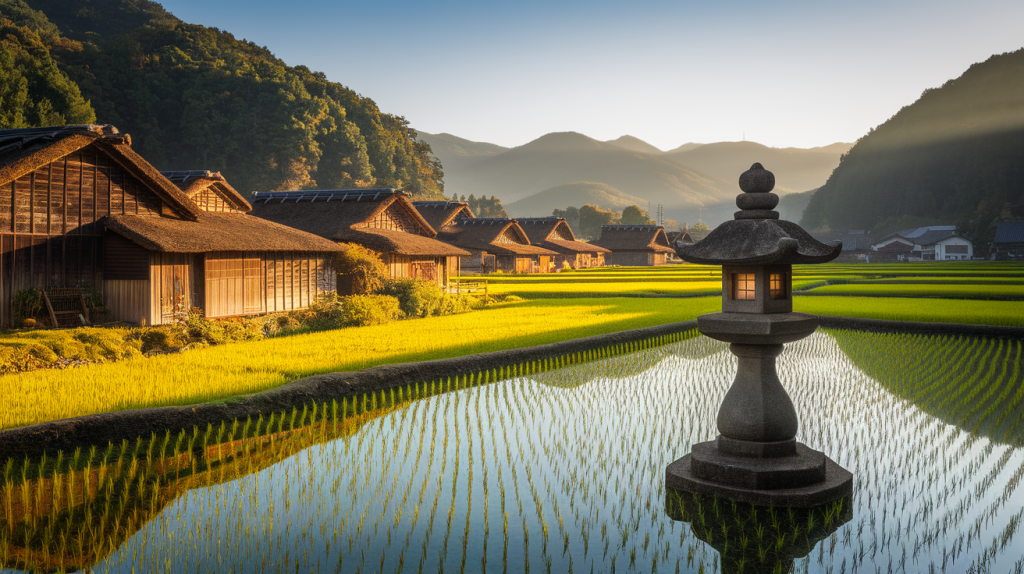
Minshuku and ryokan offer different experiences, both valuable for understanding traditional hospitality. Minshuku are family-run guesthouses where you’ll stay in the hosts’ home, share meals with the family, and experience daily life firsthand. Expect simple but comfortable tatami rooms, futon bedding, shared bathrooms, and home-cooked meals featuring local ingredients. Prices typically range from $50-$100 per person including dinner and breakfast.
Ryokan provide more formal traditional inn experiences with higher service levels, private bathrooms (often with en-suite baths), and elaborate kaiseki meals. Mountain village ryokan blend traditional hospitality with rural charm, offering the best of both worlds. Expect to pay $150-$300+ per person, but the experience includes exceptional meals, beautiful facilities, and attentive service.
Farmhouse stays in gasshō-zukuri buildings create the most unique accommodations—sleeping under 200-year-old thatched roofs in rooms where generations lived before you. These stays typically follow minshuku format but with added historical atmosphere. Your hosts often share family histories and explain architectural features, transforming your accommodation into a living history lesson.
What to expect: You’ll remove shoes at the entrance, change into provided slippers (removing these before stepping on tatami), sleep on futon mattresses laid directly on tatami floors, and share meals at set times. Bathrooms may be shared, and onsen bathing follows specific etiquette. These conventions feel natural after the first night, and staff always explain procedures for first-time guests.
Traditional Activities You Can’t Miss
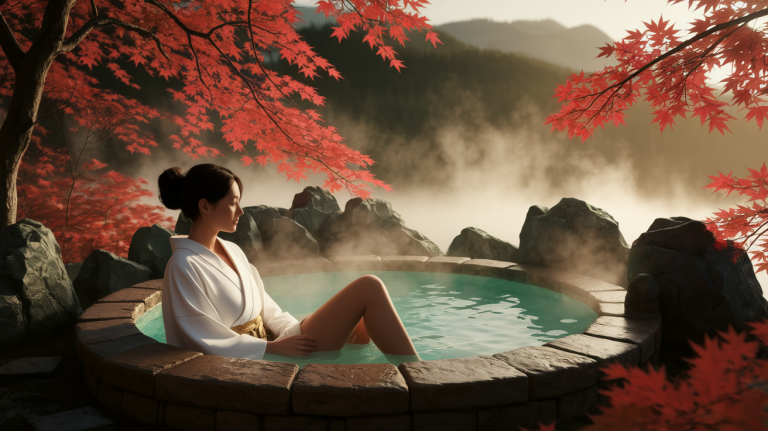
Onsen bathing defines Japanese mountain culture, and every village offers hot spring facilities ranging from simple public baths to elaborate resort complexes. The etiquette is straightforward: wash thoroughly at shower stations before entering baths, keep towels out of the water, and remain quiet and relaxed. Most facilities provide English instructions, and same-gender bathing makes the experience comfortable once you adjust to communal nudity.
Seasonal festivals connect villages to agricultural cycles and spiritual traditions. Spring festivals celebrate rice planting, summer brings mountain deity celebrations, autumn festivals give thanks for harvests, and winter events mark the year’s turning. These aren’t performances for tourists—they’re genuine community celebrations where you’re welcome to observe and often participate. Ask your accommodation hosts about upcoming festivals during your visit.
Craft workshops offer hands-on cultural immersion. Washi paper-making in Gokayama, pottery in various villages, textile weaving, and traditional cooking classes let you learn directly from artisans. These experiences typically cost $20-$50 and last 1-3 hours, creating meaningful souvenirs while supporting traditional crafts. Book ahead when possible, as many workshops accommodate small groups only.
Don’t overlook simple pleasures: walking village paths at dawn when mist fills valleys, watching farmers tend rice paddies using centuries-old techniques, or joining locals at small shrines for quiet moments of reflection. These unstructured experiences often become your most treasured memories.
Local Food and Dining Experiences
Mountain village cuisine emphasizes preservation techniques developed before refrigeration—pickled vegetables, dried fish, fermented soybeans, and preserved mountain vegetables showcase traditional food wisdom. You’ll taste ingredients rarely found in cities: wild mountain vegetables, river fish, locally foraged mushrooms, and heritage vegetable varieties.
Regional specialties vary by location but consistently impress. Hida beef from the Takayama region rivals Kobe beef for quality and flavor. Soba noodles made from mountain-grown buckwheat offer nutty flavors and firm texture. Local sake brewed with pure mountain water pairs perfectly with regional dishes. Gohei-mochi (grilled rice cakes) make excellent street food snacks.
Navigating dining with limited Japanese requires minimal strategy. Most minshuku and ryokan include meals, eliminating restaurant concerns. For independent dining, many establishments display plastic food models showing dishes—simply point to what looks appealing. Learn basic phrases like “osusume wa nan desu ka?” (what do you recommend?) and dietary restrictions like “watashi wa bejitarian desu” (I’m vegetarian). Village restaurants typically offer limited menus focusing on local specialties, simplifying choices.
Meal timing follows traditional patterns: breakfast around 7-8am, lunch 11:30am-1pm, dinner 6-7pm. Many restaurants close between lunch and dinner, and some villages have limited dining options, so plan accordingly. Your accommodation can always prepare packed lunches for hiking days.
Practical Planning Tips for Your Village Adventure
Best Times to Visit Each Season
Winter (December-February) creates the most dramatic scenery as heavy snowfall transforms villages into fairy-tale landscapes. Shirakawa-go’s illumination events and pristine snow-covered thatched roofs justify braving cold temperatures. However, you’ll need proper winter gear, some roads close periodically, and shorter daylight limits exploration time. Temperatures range from 20-35°F, with significant snowfall throughout the season.
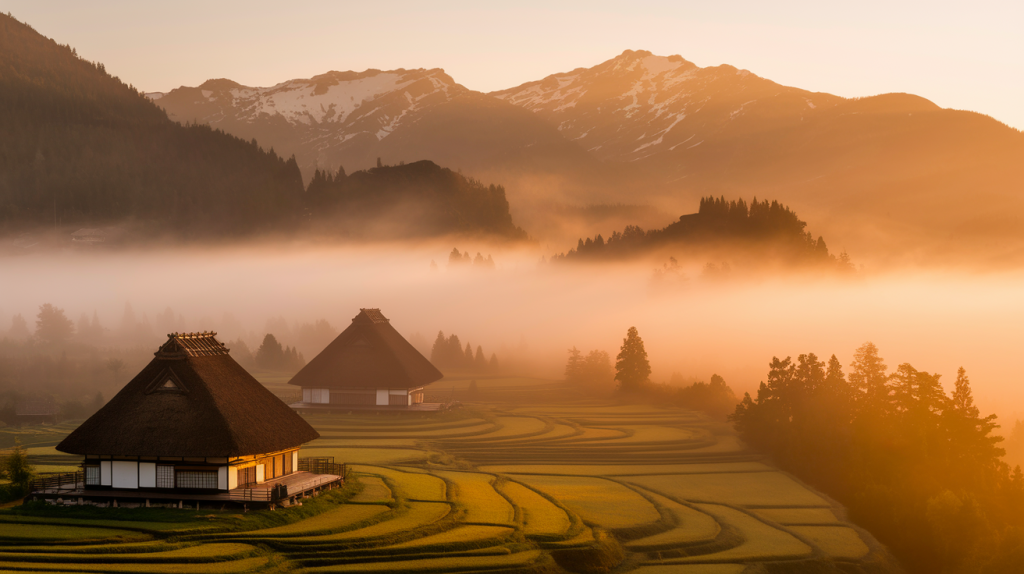
Spring (April-May) brings cherry blossoms to lower elevations and comfortable temperatures perfect for hiking and village exploration. Rice paddies fill with water, creating mirror-like reflections, and mountain wildflowers begin blooming at higher elevations. This season offers ideal conditions with fewer crowds than autumn, though weather can be unpredictable with occasional rain. Pack layers as temperatures vary significantly between morning and afternoon.
Summer (June-August) delivers lush green landscapes, festival season, and warm weather perfect for outdoor activities. However, June brings rainy season (tsuyu) with frequent precipitation, and July-August can be hot and humid even in mountains. This season works well if you’re hiking high-altitude trails or prioritizing festivals over photography. Temperatures range from 60-80°F, with high humidity.
Autumn (October-November) ranks as the most popular season for excellent reasons: spectacular foliage, comfortable temperatures, clear skies, and harvest season activities. Leaves typically peak in late October through early November, varying by elevation and location. Book accommodations months in advance for this season, as Japanese tourists also favor autumn for mountain village visits. Temperatures range from 40-65°F with minimal rainfall.
Easy Transportation Options
The JR Pass delivers significant value if you’re visiting multiple villages from major cities. The pass covers JR trains including limited express services to gateway cities like Takayama, plus some bus routes. A 7-day pass costs around $280 and easily pays for itself with just a few long-distance trips. Purchase before arriving in Japan for best rates.
Local bus routes connect most villages to nearby train stations, though schedules can be limited (sometimes only 3-4 buses daily). Research schedules in advance using Hyperdia or Google Maps, and note that some routes operate seasonally. Bus fares typically cost $5-$20 depending on distance. In Shirakawa-go and Gokayama, shuttle buses connect the villages, making multi-village visits feasible without cars.
Rental cars provide maximum flexibility, especially for reaching smaller villages or traveling with families. International driving permits (required) are easy to obtain before your trip. Navigation systems in rental cars typically include English options, and mountain roads are generally well-maintained. Daily rental costs range from $50-$100 depending on vehicle size. Consider renting from gateway cities like Takayama rather than major airports for better rates.
Combination strategies work well: use trains and buses for major destinations, then rent cars for 2-3 days to explore multiple villages efficiently. This approach balances convenience with cost-effectiveness while eliminating concerns about driving in unfamiliar areas for your entire trip.
Essential Budget Planning
Accommodation represents your largest expense, ranging from $50-$100 per person in minshuku (including meals) to $150-$300+ in ryokan. Budget travelers can find simple minshuku at the lower end, while mid-range visitors should expect $100-$150 per person for comfortable accommodations with good meals. Booking directly sometimes offers better rates than third-party sites, especially for family-run establishments.
Meal expenses beyond accommodation-included dining run $8-$15 for casual meals, $20-$40 for nice dinners, and $5-$10 for snacks and street food. If your accommodation includes breakfast and dinner, you’ll only need to budget for lunch and occasional snacks. Convenience stores in gateway towns offer affordable options for packed lunches during day trips.
Transportation costs vary significantly based on your approach. JR Pass users pay primarily for local buses ($5-$20 per trip), while those paying individually should budget $50-$100 per long-distance train journey. Rental cars cost $50-$100 daily plus gas ($30-$50 per tank), but split among multiple travelers, this option becomes cost-effective.
Activity costs remain modest: most villages charge no entry fees, craft workshops run $20-$50, onsen entry costs $5-$15, and museum admissions range from $3-$10. Budget $30-$50 daily for activities and you’ll have plenty of options.
Quick cost comparison for a 3-day, 2-night trip: Budget approach (minshuku stays, public transportation, simple meals) runs $300-$400 per person. Mid-range approach (nice minshuku or simple ryokan, rental car, restaurant meals) costs $500-$700 per person. Luxury approach (high-end ryokan, private transportation, premium experiences) exceeds $1000 per person.
Simple Packing List for Mountain Villages
Comfortable walking shoes top the essential list—you’ll walk cobblestone streets, uneven paths, and potentially hike between villages. Bring shoes you can easily slip on and off, as you’ll remove them frequently when entering buildings. Avoid brand-new shoes; blisters ruin village exploration.
Layered clothing adapts to changing mountain weather and varying indoor temperatures. Pack base layers, mid-layers (fleece or light sweater), and outer layers (waterproof jacket). Even summer visits can bring cool mountain evenings, while winter demands serious cold-weather gear. Modest clothing (covering shoulders and knees) shows respect when visiting temples and shrines.
Cultural essentials include a small towel (for onsen bathing—keep it out of the water but use it for modesty walking to baths), plastic bags for shoes (some places provide these, but having your own helps), and a compact umbrella (mountain weather changes quickly). Consider bringing small gifts from your home country if staying in minshuku—hosts appreciate these cultural exchanges.
Photography gear matters if you’re serious about capturing village beauty. Early morning and late afternoon provide the best light, and a tripod helps in low-light conditions. However, be mindful of residents’ privacy—always ask permission before photographing people, and respect any posted photography restrictions.
Don’t overpack—villages have limited shopping, but gateway cities offer everything you might forget. Bringing less leaves room for souvenirs and makes transportation between villages much easier.
Final Thoughts
These seven mountain villages preserve something increasingly rare: authentic connections to traditional ways of life that have survived centuries of change. From Shirakawa-go’s iconic thatched houses to Tsumago’s car-free Edo-period streets, each destination offers unique insights into Japanese culture’s rural foundations.
The beauty of village travel lies in its accessibility—you don’t need extensive Japan experience or fluent language skills to enjoy these destinations. Simple planning, respectful cultural awareness, and openness to new experiences create the foundation for unforgettable adventures. Whether you’re soaking in mountain hot springs, staying in 200-year-old farmhouses, or hiking historic trails connecting post towns, you’ll discover aspects of Japan that most travelers miss entirely.
Every season brings different magic to mountain villages. Winter’s snow-covered landscapes create fairy-tale scenes, spring’s cherry blossoms frame thatched roofs beautifully, summer’s lush greenery and festivals pulse with energy, and autumn’s foliage transforms valleys into paintings. There’s no wrong time to visit—only different experiences waiting to unfold.
Start planning your mountain village adventure today. Choose one or two destinations for a focused trip, or create a week-long journey connecting multiple villages. Book accommodations early, especially for autumn foliage season and winter illumination events. Research transportation options, pack appropriately for your season, and prepare for experiences that will deepen your appreciation for Japanese culture.
The mountains are calling, and these traditional villages offer the authentic Japan you’ve been searching for. Will you answer?