Ultimate Guide to Hiking the Great Wall of China

You’ve seen the photos. That ancient stone serpent winding through misty mountains, stretching beyond the horizon. But here’s what those pictures don’t tell you: hiking the Great Wall of China isn’t just about ticking off a bucket list item.
It’s about standing on 2,000-year-old stones, feeling the mountain wind on your face, and experiencing one of humanity’s most incredible achievements with your own two feet.
Most tourists visit the Great Wall for an hour, snap some selfies, and leave. You’re going to do something completely different. You’re going to actually *hike* it—and this guide will show you exactly how to make it happen, whether you’re a seasoned trekker or someone who hasn’t hiked since that school field trip.
Here’s what you’ll discover: the best sections for your fitness level, essential packing tips that actually matter, proven strategies for avoiding crowds, and insider knowledge that transforms a simple visit into an amazing adventure. I’ll walk you through everything from choosing your route to capturing those stunning photos you’ve been dreaming about.
The best part? Planning your Great Wall hiking experience is simpler than you think. With the right information and realistic expectations, you can create memories that last a lifetime. Let’s get started on making your Great Wall adventure absolutely perfect.
Choosing the Perfect Section: Where to Start Your Great Wall Adventure
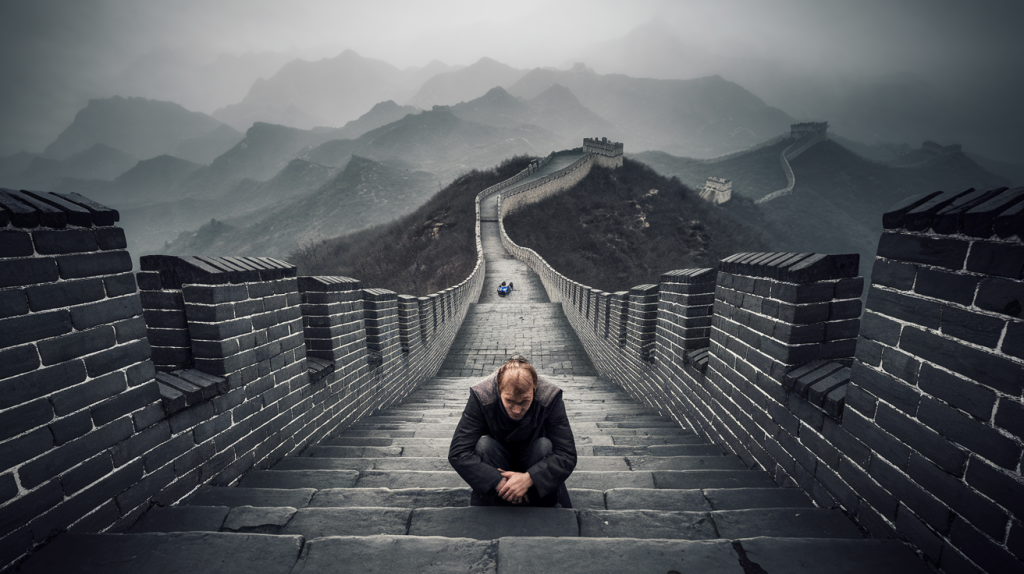
The Great Wall stretches over 13,000 miles, but you don’t need to hike all of it (thank goodness!). Choosing the right section makes the difference between an exhausting ordeal and an incredible experience. Your fitness level, time constraints, and crowd tolerance all factor into this decision.
Best Sections for First-Time Hikers
Mutianyu stands out as the ultimate choice for first-time Great Wall hikers. Located about 45 miles from Beijing, this section offers beautifully restored pathways, manageable inclines, and—here’s the best part—a cable car and toboggan ride. Yes, you can actually toboggan down from the Great Wall. The scenery is stunning, with watchtowers perched on forested ridges, and the infrastructure means you won’t worry about safety issues. Most visitors spend 2-3 hours here, which gives you enough time to explore without exhausting yourself.
Badaling is the most accessible section, just 50 miles from Beijing with direct train service. It’s heavily restored and perfect if mobility is a concern. The downside? Crowds. We’re talking shoulder-to-shoulder tourists during peak times. However, if you arrive right when it opens (around 7 AM) or visit during winter months, you can actually enjoy this section without the chaos. The views are legitimately breathtaking, and the historical significance is palpable.
Both sections offer clean facilities, English signage, and nearby restaurants—practical considerations that matter when you’re tired and hungry after hiking.
For the Adventurous: Wild Wall Experiences
Ready to step up your game? Jinshanling to Simatai represents the proven favorite for experienced hikers. This 6-mile trek takes 4-5 hours and delivers everything serious hikers want: dramatic views, crumbling watchtowers, and that authentic “wild wall” feeling. The path alternates between restored and unrestored sections, giving you the best of both worlds. You’ll encounter some steep climbs, but the reward is hiking with maybe 20 other people instead of 2,000.
Jiankou is for those who want the real deal. This section remains largely unrestored, featuring steep inclines, loose stones, and sections where the wall has partially collapsed. It’s challenging—some parts require scrambling—but the views are absolutely mind-blowing. The dramatic peaks and untouched authenticity make every difficult step worth it. Just know what you’re signing up for: this isn’t a casual afternoon stroll.
Avoiding the Crowds: Timing Your Visit Right
Timing transforms your experience. April through May and September through October offer the perfect weather window—comfortable temperatures, clear skies, and manageable tourist numbers. Summer brings heat and crowds, while winter can be brutally cold (though the snow-covered wall is stunning if you can handle the temperatures).
Here’s an effective strategy: visit on weekdays. The difference between Saturday and Tuesday is dramatic—we’re talking hundreds versus dozens of people. Early morning hikes (starting around 7 AM) mean you’ll catch sunrise, avoid crowds, and hike during cooler temperatures. Sunset hikes work too, but you’ll need to factor in getting back safely before dark.
Essential Prep: What You Need Before You Go
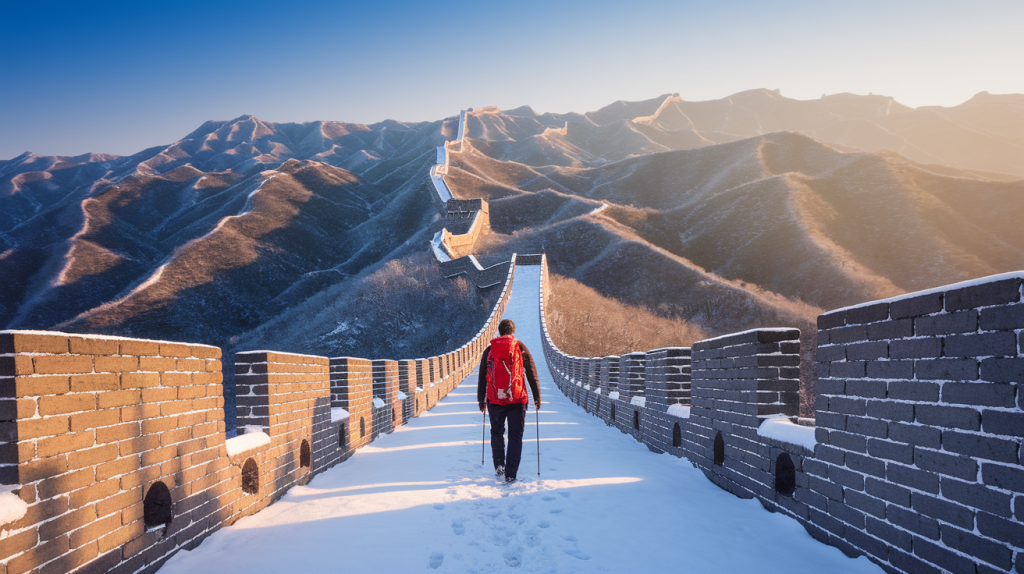
Preparation separates amazing adventures from miserable ones. You don’t need to train like you’re climbing Everest, but some smart prep work ensures you actually enjoy your hike instead of suffering through it.
Fitness and Physical Preparation
Let’s get real about the physical demands. Great Wall hiking involves steep staircases—some with steps that reach your knees. The restored sections feature regular, manageable stairs, but you’ll still climb hundreds of them. Wild wall sections add uneven surfaces, loose stones, and occasional scrambling into the mix.
If you can comfortably climb 10 flights of stairs without gasping for air, you’re ready for the beginner-friendly sections. For wild wall adventures, you’ll want to be comfortable with 3-4 hour hikes on uneven terrain.
Here’s a simple training routine that actually works: spend the month before your trip using stairs whenever possible. Skip the elevator. Find a local hiking trail with elevation changes. Do a few practice hikes with your loaded backpack to test your gear and build endurance. Your knees will thank you when you’re descending those steep sections.
The altitude around Beijing sits at about 140 feet, so altitude sickness isn’t a concern. However, the mountains where the wall runs can reach 3,000+ feet in some sections, which might affect you slightly if you’re coming from sea level.
Packing Your Perfect Hiking Kit
Your gear can make or break your experience. Start with comfortable, broken-in hiking shoes with good ankle support and grip. Those smooth-soled sneakers? Leave them at home. The stones can be slippery, especially after rain or in shaded sections.
Pack at least two liters of water per person—more if you’re hiking in summer. Dehydration sneaks up on you, and water stations are sparse or non-existent on wild sections. Bring high-energy snacks like trail mix, protein bars, or fruit. You’ll burn serious calories on those stairs.
Layer your clothing. Mountain weather changes fast, and you’ll heat up quickly during climbs but cool down at rest stops. A moisture-wicking base layer, insulating mid-layer, and windproof outer layer give you flexibility. Don’t forget sun protection: hat, sunglasses, and SPF 50 sunscreen. The sun reflects off those light-colored stones and hits you from all angles.
Your daypack should include: first aid kit, phone with downloaded maps (service can be spotty), portable charger, toilet paper (facilities are basic), hand sanitizer, and a small flashlight just in case.
What to leave behind: heavy cameras with multiple lenses (your phone works great), unnecessary gadgets, excessive clothing changes, and anything you wouldn’t want to carry up 500 stairs.
Practical Logistics Made Easy
Getting to the Great Wall from Beijing is straightforward. For Mutianyu or Badaling, you can take public buses (cheapest option at around $5), book a private driver ($50-100), or join a tour group ($30-80 per person). Tours handle everything but limit your flexibility. Private drivers offer convenience and let you set your own schedule. Public transportation takes longer but saves money.
Entrance fees vary by section. Mutianyu costs about $8, plus cable car fees if you use them. Jinshanling runs around $9. These fees typically cover basic access but not transportation within the area or special features like toboggans.
The tour versus independent hiking debate comes down to your comfort level. Tours provide structure, transportation, and English-speaking guides who share historical context. Independent hiking gives you freedom to go at your own pace, choose your own timing, and avoid gift shop stops. For first-timers nervous about navigation, tours offer peace of mind. For confident travelers, independent hiking delivers a more authentic experience.
During Your Hike: Making the Most of Every Step

You’re here. You’re standing at the base of the Great Wall, looking up at those ancient stones. Now what? These proven strategies ensure you actually enjoy the experience instead of just surviving it.
Hiking Smart: Proven Strategies for Success
Pace yourself from the start. That initial excitement will tempt you to charge up those first stairs, but you’ll regret it 30 minutes later when your legs are screaming. Start slow, find a rhythm, and remember: this isn’t a race. The wall has been here for 2,000 years—it’ll wait for you.
The stairs present the biggest challenge. Some sections feature steps that vary wildly in height and depth. Watch your footing constantly. Use handrails where available. On steep descents, turn sideways and take it slow—your knees will appreciate the careful approach.
Plan water breaks every 30-45 minutes, even if you don’t feel thirsty yet. Watchtowers make perfect rest stops, offering shade and often spectacular viewpoints. Use these moments to catch your breath, hydrate, and actually look around at what you’re experiencing.
For wild wall sections, safety becomes paramount. Test loose stones before putting your full weight on them. Some sections have significant drop-offs with no railings—stay aware of your surroundings. If weather turns bad, seriously consider turning back. The wall will still be there on a clearer day.
Bring trekking poles if you have dodgy knees. They’re lifesavers on steep descents and provide stability on uneven sections. Don’t be embarrassed—smart hikers use every tool available.
Capturing Amazing Photos
The Great Wall is ridiculously photogenic, but timing and location matter. The best viewpoints are typically from watchtowers, where you can capture the wall snaking away in both directions. Early morning and late afternoon provide that golden light photographers love, creating long shadows and warm tones that make your photos pop.
For stunning shots, position yourself to show the wall’s dramatic curves and the surrounding landscape. Include people in some photos for scale—the wall looks even more impressive when viewers can see how massive it actually is. Avoid the temptation to only shoot wide angles; details matter too. Close-ups of ancient bricks, weathered stones, and architectural details tell important stories.
Here’s a simple photography tip that works every time: put your phone or camera away for the first 10 minutes. Just experience it. Look around. Feel the moment. Then start shooting. Your photos will be better because you’ll understand what you’re actually trying to capture.
The most dramatic shots come from hiking away from the main entrance areas. Walk 20-30 minutes in either direction, and you’ll find sections with far fewer people, making for cleaner compositions and more authentic scenes.
Connecting with the Experience
Yes, photos are great. But don’t experience the Great Wall entirely through a screen. Take moments to just stand there and absorb where you are. You’re walking on stones laid by hand over 2,000 years ago. Armies marched here. Emperors commanded from these watchtowers. The sheer human effort required to build this across mountain ridges is staggering.
Local vendors at popular sections sell water, snacks, and souvenirs. They’re part of the experience, and most are genuinely friendly. A simple “xièxiè” (thank you) goes a long way. Don’t feel pressured to buy, but also recognize these folks make their living from tourism.
If you’re on a less-touristy section, you might encounter local farmers or villagers. A smile and respectful nod transcends language barriers. Some of my best Great Wall memories involve brief interactions with locals who were just as curious about me as I was about their daily lives near this ancient wonder.
Create memories beyond the Instagram shot. Sit in a watchtower and imagine what guards saw centuries ago. Touch the stones and think about the hands that placed them. Challenge yourself to spend at least 15 minutes without your phone—just being present in this incredible place.
Beyond the Basics: Insider Tips for an Unforgettable Journey
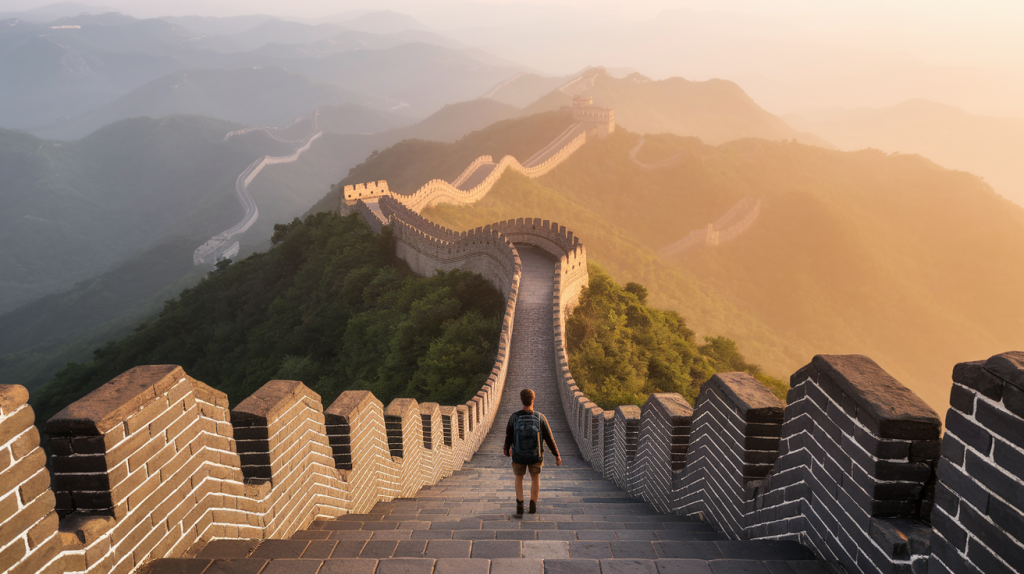
Ready to take your Great Wall experience from good to absolutely unforgettable? These insider strategies separate casual tourists from true adventurers.
Multi-Day Hiking Adventures
Single-day hikes are amazing, but multi-day treks deliver something special: the complete Great Wall experience. Popular overnight routes include the Jinshanling to Gubeikou trek (two days, one night) and the extended Jiankou to Mutianyu route (can be done in 2-3 days depending on pace).
Multi-day treks let you experience the wall at different times of day. Sunrise from a remote watchtower, with mist rising from valleys below, ranks among the most beautiful sights you’ll ever see. Sunset casting long shadows across ancient stones creates magic that day-trippers miss entirely. You’ll also hike sections that see maybe a dozen people per day, giving you that authentic wilderness feeling.
Accommodation options range from camping (allowed in some areas, though regulations change) to staying in nearby villages. Local guesthouses offer basic but clean rooms, home-cooked meals, and genuine hospitality. Expect to pay $20-40 per night for simple accommodations. Some operators offer “glamping” experiences with proper tents and meals included, running $100-200 per person.
The beauty of multi-day treks isn’t just about seeing more wall—it’s about the rhythm you develop. Day one might feel challenging, but day two brings a comfortable pace and deeper appreciation. You’re not rushing to catch a bus back to Beijing. You can rest when you want, explore side paths, and truly immerse yourself in the experience.
Cultural Connections and Local Experiences
The villages near less-touristy wall sections offer authentic glimpses into rural Chinese life. Staying overnight in places like Xizhazi village near Jinshanling means waking up to roosters, eating meals with local families, and seeing how people actually live in the shadow of this ancient monument.
Local food fuels your adventure effectively. Forget fancy restaurants—the best meals are simple dishes prepared by village families. Hand-pulled noodles, stir-fried vegetables, steamed buns, and egg drop soup provide exactly what your tired body needs. These meals typically cost $5-10 per person and taste infinitely better than tourist restaurant food.
Learning a few Mandarin phrases enhances your experience dramatically. Beyond “xièxiè” (thank you), try “nǐ hǎo” (hello), “duōshao qián” (how much?), and “hěn hǎo” (very good). Most locals near the wall speak limited English, so your effort to communicate in their language earns genuine smiles and warmer interactions.
Consider hiring a local guide for wild wall sections. They know safe routes, historical details, and hidden viewpoints. More importantly, you’re directly supporting local communities rather than big tour companies. Expect to pay $50-100 for a full day, which includes their knowledge, safety support, and often help with logistics.
Sustainable and Respectful Travel
The Great Wall faces serious preservation challenges. Millions of annual visitors create wear on ancient stones. Your responsibility as a hiker includes following leave-no-trace principles religiously. Pack out everything you pack in—every wrapper, every bottle, every scrap. Don’t carve names or initials into stones (yes, people actually do this, and it’s terrible). Stay on established paths rather than creating new erosion patterns.
Support local communities by buying from village vendors rather than bringing everything from Beijing. Stay in local guesthouses instead of chain hotels. Hire local guides and drivers. These choices put money directly into the hands of people living near the wall, giving them economic incentives to protect it.
Be a responsible visitor to this ancient wonder. Don’t climb on fragile sections that are clearly deteriorating. Respect closed areas—they’re closed for preservation reasons. If you see trash, pick it up even if it’s not yours. Leave the Great Wall better than you found it.
Sustainable travel also means managing your expectations and being flexible. If a section is crowded, consider visiting a different area rather than contributing to overtourism. If weather is bad, reschedule rather than taking unnecessary risks that might require rescue operations. Your individual choices matter.
Your Great Wall Adventure Awaits
You now have everything you need to plan an incredible Great Wall hiking experience. Let’s recap the essential steps: choose your section based on your fitness level and crowd preferences, with Mutianyu perfect for beginners and Jinshanling-to-Simatai ideal for experienced hikers wanting authentic wild wall adventures. Pack smart with proper hiking shoes, plenty of water, layers for changing weather, and sun protection.
Train a little before you go—those stairs are no joke, but they’re manageable with basic preparation. Time your visit for April-May or September-October, and aim for weekday mornings to avoid crowds. Whether you’re planning a quick day hike or an epic multi-day trek, the Great Wall delivers unforgettable memories that far exceed those tourist-trap visits.
This adventure is easier than you think and absolutely worth the effort. Standing on those ancient stones, looking out over mountain ridges that seem to stretch forever, you’ll understand why the Great Wall captivates millions. But you won’t be just another tourist snapping selfies at the entrance. You’ll be a hiker who actually experienced this wonder, who felt the history beneath your feet, who earned those views through your own effort.
The Great Wall has stood for over 2,000 years, surviving dynasties, wars, and countless seasons. It’s waiting for you. Start planning today—research your preferred section, check flight prices, block out dates on your calendar. Your bucket-list adventure isn’t some distant dream. It’s a real trip you can actually make happen.
Ready to take that first step? Begin by deciding which section matches your fitness level and adventure goals. Book your Beijing accommodation near your chosen wall section. Download offline maps. Break in those hiking shoes. Your Great Wall adventure starts now—and it’s going to be absolutely amazing.