19 Best Things to Do in Beijing: Best Guide to China’s Epic Capital

Beijing isn’t just another destination—it’s where 3,000 years of history collides with cutting-edge modernity, where you can walk on the Great Wall in the morning and sip craft cocktails in a converted factory by evening.
But here’s the challenge: with so many incredible experiences packed into one city, how do you choose what’s actually worth your limited vacation time?
I’ve got you covered. This guide cuts through the overwhelm with 19 authentic experiences that blend must-see landmarks with hidden local gems.
You’ll discover strategic planning tips to avoid tourist traps, budget-friendly alternatives that don’t sacrifice quality, and insider secrets that go beyond typical guidebooks. Whether you’re planning a whirlwind 4-day trip or a leisurely week-long exploration, you’ll know exactly how to make every moment count.
Let’s dive into the perfect Beijing itinerary that balances breathtaking imperial treasures with the authentic local experiences that make this city truly unforgettable.
Ancient Wonders & Imperial Treasures (The Historical Heavy Hitters)
1. The Great Wall at Mutianyu or Jinshanling
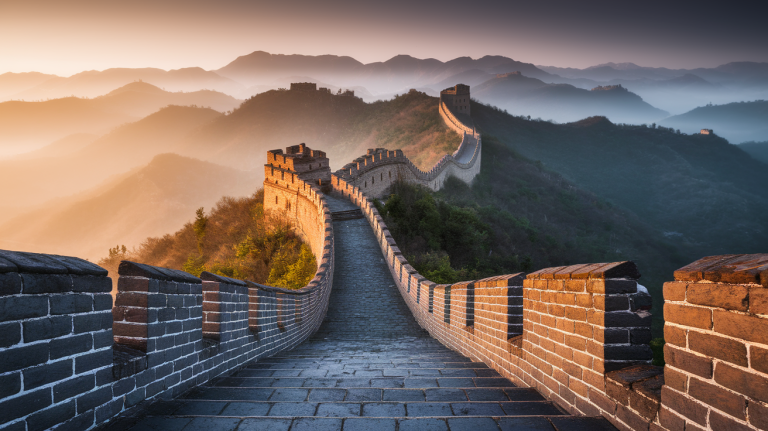
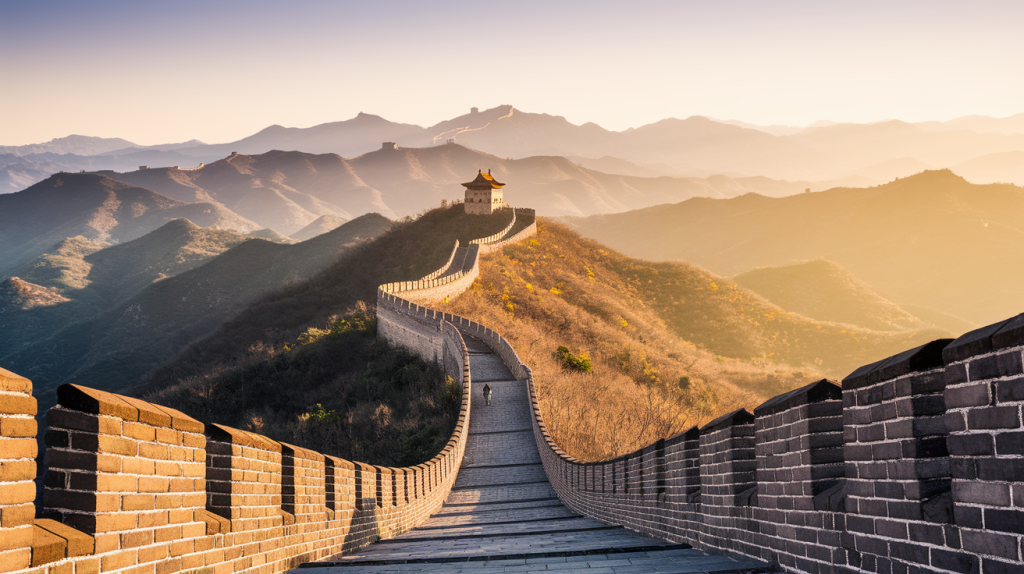
Here’s your first insider tip: skip Badaling. Yes, it’s the closest section to Beijing, but you’ll spend more time dodging tour groups than actually experiencing the Wall. Instead, head to Mutianyu (90 minutes from Beijing) or Jinshanling (2.5 hours out) for the authentic Great Wall experience you’ve been dreaming about.
Mutianyu offers restored sections with stunning mountain views and—here’s the fun part—a toboggan ride down. It’s perfect for families and first-time visitors who want spectacular photos without the extreme hiking. Jinshanling delivers more rugged, wild wall sections where you can walk for hours seeing maybe a dozen other people. The watchtowers here are phenomenal for photography, especially at sunrise.
Budget tip: Public buses to Mutianyu cost around 15-20 yuan versus 400+ yuan for private tours. Take bus 916 from Dongzhimen Station to Huairou, then switch to a local bus. Yes, it takes longer, but you’ll save serious money for that Peking duck dinner.
Visit on weekdays if possible, and arrive right when it opens (8 AM in summer, 8:30 AM in winter) to beat the crowds. The morning light is magical, and you’ll have prime photo spots mostly to yourself.
2. The Forbidden City: Your Complete Game Plan
With 980 buildings spread across 180 acres, the Forbidden City can overwhelm even seasoned travelers. Here’s your strategic route: enter through the Meridian Gate, hit the major halls along the central axis (Hall of Supreme Harmony, Hall of Central Harmony, Hall of Preserving Harmony), then veer right to explore the eastern palaces where the emperor’s concubines lived.
Most tourists stick to the central route and miss the best parts. The Imperial Garden at the northern end offers hidden corners with stunning rock formations and ancient cypress trees—perfect for escaping the crowds. The Clock Exhibition Hall showcases mind-blowing timepieces that reveal the Forbidden City’s international connections.
Money-saving hack: Book tickets online exactly 10 days in advance through the official website. They sell out quickly, especially during peak season. Tickets cost 60 yuan in peak season (April-October) and 40 yuan off-season. Audio guides add another 40 yuan but are worth every penny for understanding what you’re seeing.
Plan 3-4 hours minimum. Wear comfortable shoes—you’ll walk several miles. The Forbidden City closes on Mondays, so plan accordingly.
3. Temple of Heaven: Where Locals Start Their Day
Want to see authentic Beijing life? Show up at Temple of Heaven by 6:30 AM. You’ll witness hundreds of locals practicing tai chi, playing traditional instruments, doing ballroom dancing, and practicing calligraphy with water on the pavement. It’s completely free, utterly captivating, and gives you a glimpse into daily Chinese life that most tourists never see.
The temple itself—actually a complex of ceremonial buildings where emperors prayed for good harvests—showcases stunning Ming Dynasty architecture. The Hall of Prayer for Good Harvests, with its iconic triple-tiered blue roof, is one of Beijing’s most photographed structures. The Echo Wall creates fascinating acoustic effects that kids (and adults) love experimenting with.
Visit between 6:30-9 AM to see the locals, then explore the temple complex until mid-morning. Avoid tour group hours (10 AM-2 PM) when the tranquil atmosphere disappears. Entry costs 34 yuan in peak season for the full complex.
4. Summer Palace: Beijing’s Ultimate Escape
The Summer Palace isn’t just a palace—it’s a 700-acre masterpiece of gardens, temples, pavilions, and bridges surrounding the serene Kunming Lake. This is where China’s emperors escaped Beijing’s summer heat, and you’ll understand why within minutes of arriving.
Your perfect half-day itinerary: Start at the East Palace Gate, walk through the Long Corridor (728 meters of covered walkway with 14,000 painted scenes), climb Longevity Hill for panoramic views, then descend to the lake. Here’s the local secret: rent a paddle boat (40 yuan per hour) and explore the lake at your own pace. You’ll see the Seventeen-Arch Bridge from the water and experience the Summer Palace the way it was meant to be enjoyed—slowly and peacefully.
The Marble Boat at the lake’s edge tells a fascinating story of Empress Dowager Cixi’s controversial spending. The Buddhist Incense Pavilion offers breathtaking views worth the climb. Visit in spring for blooming flowers or autumn for stunning foliage.
Budget 4-5 hours minimum. Entry costs 60 yuan in peak season. Get there when it opens (6:30 AM in summer) to photograph the Long Corridor without crowds.
5. Jingshan Park: The Breathtaking View Everyone Forgets
Here’s Beijing’s best-kept secret for jaw-dropping views: Jingshan Park, directly north of the Forbidden City. Most tourists finish the Forbidden City exhausted and miss this gem that’s literally a 5-minute walk away. Big mistake.
The climb to the Pavilion of Everlasting Spring takes just 20 minutes, and your reward is a complete 360-degree panorama of Beijing. To the south, you’ll see the entire Forbidden City spread out like a golden ocean of roofs. To the north, modern Beijing’s skyscrapers create a stunning contrast. This is THE spot for sunset photography—arrive an hour before sunset to claim your spot.
Entry costs just 2 yuan (yes, two yuan—less than 30 cents). The park itself is lovely for strolling, with ancient cypress trees and peaceful gardens. Local photographers gather here every evening with serious camera equipment, which tells you everything you need to know about the views.
Authentic Local Experiences & Hidden Neighborhoods

6. Hutong Exploration: Beijing’s Secret Soul
Forget the touristy Nanluoguxiang hutong that’s been transformed into a souvenir shopping street. For authentic hutong experiences, head to the smaller lanes around Gulou (Drum Tower) or explore the Dashilar area south of Tiananmen Square. These narrow alleyways reveal traditional courtyard homes, elderly residents playing Chinese chess, laundry hanging between buildings, and the real rhythms of Beijing life.
The best way to explore? Walk. Rickshaw tours can be fun but keep you separated from the authentic experience. Wander aimlessly, peek through open doors (respectfully), stop at small tea houses where locals gather, and visit family-run shops that have operated for generations. The Mao’er Hutong area near Houhai offers beautifully preserved courtyards and hidden cafes in converted traditional homes.
Visit in late afternoon when residents are outside, kids are playing, and the golden light creates perfect photography conditions. Many courtyard homes now operate as boutique hotels—consider staying in one for the ultimate hutong experience.
7. 798 Art District: Where Communist Factory Meets Contemporary Cool
This former military factory complex has transformed into Beijing’s coolest art scene, and it’s a must-visit for anyone who appreciates contemporary culture. Massive industrial spaces now house cutting-edge galleries, avant-garde installations, quirky cafes, and design studios. The contrast between Maoist slogans on factory walls and modern art installations creates a uniquely Beijing aesthetic.
Most galleries offer free admission—you can easily spend 3-4 hours exploring without spending a yuan. The Ullens Center for Contemporary Art (UCCA) showcases both Chinese and international artists. Don’t miss the outdoor sculptures and street art that turn the entire district into an open-air gallery.
Local tip: The cafes here serve excellent coffee by Chinese standards. Gallery Cafe and Cafe Flatwhite are popular with Beijing’s creative crowd. Visit on weekdays for a quieter experience, or weekends when special exhibitions and events create a vibrant atmosphere.
The district is free to enter and wander. Take subway Line 14 to Jiangtai Station, then walk 10 minutes. Allocate at least half a day.
8. Lama Temple (Yonghe Temple): Spiritual Serenity in the City
The Lama Temple is Beijing’s most spectacular active Buddhist temple, and it delivers an authentic spiritual experience that feels worlds away from the tourist circus of other major sites. The incense smoke, chanting monks, and devoted worshippers create an atmosphere of genuine reverence.
The highlight? A breathtaking 26-meter Buddha statue carved from a single piece of sandalwood—it’s in the Guinness Book of World Records and absolutely worth the visit alone. The temple complex includes five main halls, each progressively more ornate, showcasing Tibetan Buddhist art and architecture at its finest.
Respectful visiting tips: Don’t point at Buddha statues, keep your voice down, and ask before photographing worshippers. If you want to offer incense (free incense is provided at the entrance), follow what locals do—it’s a meaningful gesture that connects you to the temple’s living traditions.
Entry costs 25 yuan. Visit mid-morning (9-11 AM) after the early worshippers but before tour groups arrive. The temple is closed on Mondays. Combine with nearby Confucius Temple and Guozijian (Imperial Academy) for a morning of cultural immersion.
9. Gubei Water Town: Your Perfect Day Trip
If you want ancient Chinese water town charm without traveling to Suzhou or Wuzhen, Gubei Water Town delivers—with the bonus of Great Wall views. This reconstructed ancient town sits at the base of the Simatai section of the Great Wall, offering cobblestone streets, traditional architecture, canals, and bridges that create postcard-perfect scenes.
The real magic happens after dark. The night illuminations transform the water town into something truly enchanting—lanterns reflect in the canals, the Great Wall lights up on the mountainside, and the crowds thin out. Book a hotel inside the water town to experience this magical evening atmosphere.
Complete logistics: Take a direct bus from Dongzhimen Transportation Hub (120 yuan round trip, 2.5 hours each way). Entry to the water town costs 150 yuan; add 40 yuan if you want to climb the Simatai Great Wall section. Plan a full day or overnight trip. The water town can feel touristy during peak hours, but the setting and Great Wall combination make it worthwhile.
10. Houhai Lake Area: Nightlife with Local Flavor
Houhai Lake transforms from a peaceful daytime strolling spot into Beijing’s vibrant nightlife hub after sunset. The lakeside bars range from quiet jazz lounges to raucous party spots, with live music spilling onto the streets and red lanterns reflecting in the water.
Here’s the insider knowledge: the bars directly on the lake charge tourist prices and aggressively solicit customers. Walk one street back for more authentic venues where locals actually hang out. Live music venues like Jianghu Bar and Mao Live House showcase Chinese indie bands and create memorable nights that go beyond typical tourist experiences.
During the day, rent a paddle boat, explore the connected Qianhai and Xihai lakes, or simply walk the perimeter enjoying the willow trees and traditional architecture. Street food vendors sell grilled skewers, and small restaurants offer authentic Beijing cuisine at reasonable prices—just avoid the ones with English menus and photos.
Visit in the evening for the full experience. The area is free to walk around, though bars and restaurants operate on typical pricing (budget 100-300 yuan per person depending on your choices).
Culinary Adventures & Food Experiences You Can’t Miss
11. Peking Duck: The Ultimate Beijing Food Experience
You cannot leave Beijing without experiencing proper Peking duck, but where you eat it matters enormously. Quanjude is the famous chain everyone knows—it’s reliable but touristy and overpriced. Da Dong offers a modern upscale interpretation that food critics love. But here’s the local secret: neighborhood restaurants like Liqun Roast Duck Restaurant (hidden in a hutong) or Siji Minfu deliver exceptional duck at better prices with more authentic atmosphere.
What to expect: The duck arrives in three courses. First, the crispy skin with sugar for dipping. Second, the meat wrapped in thin pancakes with spring onions, cucumber, and sweet bean sauce. Third, the remaining meat stir-fried with vegetables. A whole duck runs 150-300 yuan depending on the restaurant—enough for 2-3 people.
The ritual of eating Peking duck is part of the experience. Take your time, follow what locals do, and savor every bite of that crispy, succulent skin. Book ahead for popular restaurants, especially Liqun, which only has a few tables.
12. Wangfujing Snack Street: Adventurous Eating
Wangfujing Snack Street is Beijing’s most famous food street, and yes, it’s touristy—but it’s also genuinely fun if you approach it with the right mindset. The exotic offerings (scorpions, starfish, seahorses on sticks) are mostly for show and photos. What’s actually delicious? The lamb skewers, stinky tofu, sugar-coated hawthorn berries, and fresh fruit on sticks.
Honest advice: Don’t expect authentic local cuisine here. This is entertainment food. Budget 50-100 yuan to sample various items. Bargaining isn’t really done here—prices are posted. The squid and octopus skewers are reliably good, as are the grilled lamb skewers with cumin.
Visit in the evening when the street comes alive with lights and energy. It’s crowded, chaotic, and a bit overwhelming—exactly what makes it memorable. Bring cash, keep your belongings secure, and embrace the sensory overload.
13. Authentic Dumpling Hunt in Local Neighborhoods
Beijing’s dumpling scene rivals anywhere in China, but you need to know where to look. Din Tai Fung serves excellent dumplings in a clean, modern environment—perfect if you’re nervous about food safety. But for authentic neighborhood dumpling experiences, seek out places like Baoyuan Jiaozi Wu (which offers colorful dumplings with vegetable-dyed wrappers) or Mr. Shi’s Dumplings in the hutongs.
How to order like a local: Point at what others are eating, use translation apps, or simply say “jiaozi” (dumplings) and hold up fingers for quantity. Dumplings come boiled (shui jiao), steamed (zheng jiao), or pan-fried (guo tie/potstickers). Try multiple types. Dip them in the vinegar and soy sauce mixture provided.
A generous dumpling meal costs 30-60 yuan per person at local spots, 100+ yuan at upscale places. The best dumplings have thin skins, juicy filling, and that perfect balance of flavors. Don’t be afraid to venture into places with no English menu—they usually have the best dumplings.
14. Hot Pot Experience: Beijing’s Social Dining Ritual
Hot pot is China’s ultimate social dining experience, and Beijing does it exceptionally well. You’ll get a divided pot (half spicy, half mild broth), order raw ingredients, and cook everything yourself at the table. It’s interactive, delicious, and perfect for groups.
Complete beginner’s guide: Order a variety of thinly sliced meats (lamb is classic in Beijing), vegetables, mushrooms, tofu, and noodles. Cook meat for 30-60 seconds in the boiling broth, vegetables for 2-3 minutes. The dipping sauce station lets you create custom sauces—sesame paste, garlic, cilantro, and chili oil are popular combinations.
Haidilao is the famous chain with incredible service (they’ll even do your nails while you wait). Donglaishun specializes in traditional Beijing-style lamb hot pot. Local neighborhood spots offer the most authentic atmosphere at the best prices.
Budget 100-200 yuan per person. Go with friends—hot pot is meant to be shared. The experience takes 2-3 hours, so don’t rush. It’s as much about the conversation and communal cooking as the food itself.
15. Morning Food Markets: Where Real Beijing Wakes Up
Want to see Beijing at its most authentic? Hit a local morning food market by 7 AM. You’ll find jianbing (savory breakfast crepes made fresh on a griddle), baozi (steamed buns with various fillings), doujiang (fresh soy milk), and youtiao (fried dough sticks) that locals grab on their way to work.
The Sanyuanli Market near the diplomatic district or smaller neighborhood markets in residential areas offer the real deal. Watch vendors expertly prepare jianbing in minutes—they spread the batter, crack an egg, add crispy wonton, spread sauce, add cilantro and scallions, fold it up, and hand it to you for 8-12 yuan. It’s Beijing’s perfect breakfast.
Perfect for jet lag: If you’re awake at dawn anyway, embrace it and explore morning markets. You’ll see a side of Beijing that most tourists sleep through. Bring small bills, be patient (vendors are busy), and don’t be afraid to point at what others are eating.
Markets operate roughly 6-9 AM, then vendors pack up. Budget 20-30 yuan for a filling breakfast. This is street food at its finest—simple, delicious, and absolutely authentic.
Modern Beijing & Unique Experiences
16. Tiananmen Square: Understanding the Significance
Tiananmen Square is one of the world’s largest public squares and carries immense historical and political significance. Whether you visit depends on your interest in modern Chinese history and politics. It’s undeniably iconic, but be prepared for heavy security and crowds.
What to know: You’ll pass through airport-style security to enter. Bags are X-rayed, and certain items aren’t allowed. The square itself is vast and mostly empty space, with monuments including the Monument to the People’s Heroes and Chairman Mao Memorial Hall (where Mao’s embalmed body lies in state—free to visit but with strict rules and long lines).
Visit early morning (around 6-7 AM) to watch the flag-raising ceremony if you’re interested in that experience. Photography is allowed but be respectful and aware of your surroundings. The square is free to enter and connects directly to the Forbidden City, making it easy to combine both in one morning.
Many travelers find it more interesting for what it represents than what’s actually there. It’s worth walking through to say you’ve seen it, but don’t expect it to be a highlight of your trip.
17. Beijing National Stadium (Bird’s Nest): Olympic Legacy
The Bird’s Nest stadium from the 2008 Olympics has become an iconic symbol of modern Beijing. The striking architecture—a lattice of steel beams that resembles a bird’s nest—is genuinely impressive, especially when lit up at night. The question is whether you need to pay to go inside or just admire it from outside.
Honest assessment: The exterior views are spectacular and free. The interior tour (50 yuan) shows you the stadium seating and field, but unless you’re a serious Olympics fan or architecture enthusiast, the exterior experience might be enough. The evening light shows create beautiful photo opportunities from Olympic Park.
Combine your visit with the nearby Water Cube (now an indoor water park) and Olympic Forest Park for a complete modern Beijing experience. The area is easily accessible via subway (Line 8 to Olympic Sports Center Station) and makes for a nice contrast to Beijing’s ancient sites.
Visit in the evening for the best lighting and cooler temperatures. The area is less crowded on weekdays. Budget 1-2 hours if you’re just taking photos, 3-4 hours if you’re touring the facilities and exploring Olympic Park.
18. Panjiayuan Antique Market: Treasure Hunting Paradise
Panjiayuan Antique Market is Beijing’s ultimate treasure hunting destination—a massive outdoor market where vendors sell everything from genuine antiques to skillful reproductions, Mao memorabilia, jade, calligraphy, furniture, and collectibles. It’s chaotic, fascinating, and requires sharp bargaining skills.
Bargaining strategies that work: Start at 30-40% of the asking price. Be willing to walk away (vendors will often call you back with better prices). Buy multiple items from one vendor for better deals. And here’s the reality check: most “antiques” are reproductions, but that doesn’t make them less interesting or beautiful. Genuine antiques require expert knowledge and come with proper documentation.
The full market operates on weekends (Saturday and Sunday, 6 AM-6 PM), though some vendors set up on weekdays. Arrive early (before 9 AM) for the best selection and cooler weather. Bring cash—many vendors don’t accept mobile payments. Wear comfortable shoes and budget several hours for browsing.
Even if you don’t buy anything, the people-watching and browsing are worth the trip. This is where Beijing’s collectors, decorators, and antique enthusiasts come to hunt for treasures.
19. Traditional Tea Ceremony: Slow Down and Savor
After days of rushing between temples and palaces, a traditional tea ceremony offers the perfect opportunity to slow down and experience Chinese culture at a contemplative pace. But be warned: tourist tea scams are common, where friendly locals invite you to tea houses and you end up with a 500+ yuan bill.
Authentic tea houses: Maliandao Tea Street has legitimate tea shops where you can sample teas and learn about tea culture without scams. The Lao She Teahouse offers cultural performances along with tea service (pricier but legitimate). Or seek out small neighborhood tea houses in the hutongs where locals actually drink tea.
A proper tea ceremony involves multiple infusions of the same leaves, each revealing different flavors. You’ll learn about tea varieties (green, black, oolong, pu-erh), proper brewing temperatures, and the meditative aspects of tea culture. Good tea is surprisingly expensive in China—be prepared to pay 100-300 yuan for quality tea to take home.
This is the perfect rainy-day or rest-afternoon activity when you need a break from sightseeing. Budget 1-2 hours. The experience teaches you that tea is about much more than just a beverage—it’s philosophy, art, and tradition combined.
Plan Your Perfect Beijing Adventure
Beijing delivers everything you want in a world-class destination: breathtaking ancient wonders that have survived millennia, vibrant local experiences that reveal authentic Chinese culture, modern energy that propels China into the future, and culinary adventures that satisfy every palate. The perfect blend of must-see landmarks and hidden gems means your trip can be as structured or spontaneous as you prefer.
You can absolutely experience Beijing’s highlights in 4-7 days with smart planning. Mix the famous imperial sites with neighborhood explorations. Balance historical heavy hitters with modern art districts. Alternate intense sightseeing days with relaxed cultural experiences. The key is avoiding the trap of trying to see everything—that leads to exhaustion and shallow experiences.
Essential practical tips: Spring (April-May) and fall (September-October) offer the best weather—comfortable temperatures and clear skies perfect for photography. Summer brings heat and crowds, while winter means pollution and cold (but smaller crowds and lower prices). Download essential apps before you arrive: Baidu Maps for navigation (Google Maps doesn’t work well in China), Pleco for Chinese translation, and WeChat for mobile payments. Buy a transportation card at any subway station—it works on subways and buses, saving you time and money throughout your trip.
One final insider tip: Don’t pack your days too full. Beijing’s scale and crowds can be exhausting. Build in downtime for wandering hutongs, sipping tea, or simply people-watching in parks. Some of your best memories will come from unplanned moments—a conversation with a local, stumbling upon a hidden courtyard, or watching elderly residents practice calligraphy in the park.
Which experience are you most excited about? The breathtaking views from the Great Wall? The imperial grandeur of the Forbidden City? The authentic flavors of neighborhood dumplings? Or maybe the artistic energy of 798 Art District? Beijing offers something for every type of traveler, and this guide gives you the foundation to create your perfect itinerary.
Start planning your Beijing adventure today. Don’t let overwhelm stop you from experiencing one of the world’s most fascinating cities. Use this guide to prioritize what matters most to you, skip the tourist traps, and create unforgettable memories in China’s epic capital. Beijing is waiting—and trust me, it’s even more incredible than you’re imagining.