9 Best Lesser-Known Travel Destinations in 2026

You’re standing at the edge of a mist-draped cliff, surrounded by landscapes so surreal they feel pulled from a fairytale, and there’s not another tourist in sight. Sound impossible in 2026?
It’s not.
While everyone else crowds into the same overrun destinations, smart adventurers are discovering wild places that deliver authentic experiences, pristine trails, and genuine connections with nature. These aren’t hidden gems that require extreme survival skills—they’re accessible destinations that simply haven’t hit the mainstream radar yet.
The travel landscape is shifting. According to Pinterest’s 2026 trend report, “Mystic Outlands” destinations—those enchanting, slightly surreal landscapes—are what adventurers crave right now. We’re talking about places where you can hike for hours without seeing another soul, camp under unpolluted night skies, and explore dramatic scenery that rivals any famous destination.
By the end of this guide, you’ll have a curated list of nine breathtaking destinations with practical advice on when to visit, what to pack, and how to explore safely. Whether you’re a seasoned backpacker or a family looking for beginner-friendly adventures, these destinations offer something unforgettable without the tourist chaos.
Let’s explore where your 2026 adventures should take you.
—
Why Choose Off-the-Beaten-Path Destinations in 2026?
The Rise of “Mystic Outlands” Travel
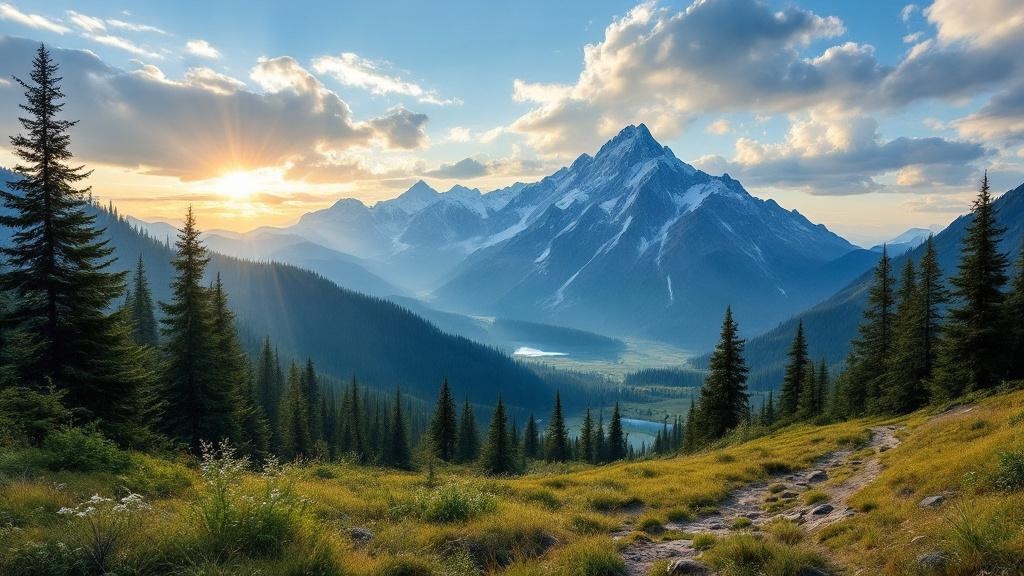
The 2026 travel trend leans toward ethereal, slightly surreal landscapes that feel like stepping into another world. We’re moving away from cookie-cutter beach resorts and overcrowded city tours toward destinations that offer genuine wonder and discovery.
For outdoor enthusiasts, this shift is perfect. These lesser-known destinations deliver exactly what you’re seeking: authentic nature experiences without the Instagram crowds, better wildlife viewing opportunities, and trails where you can actually hear the wind through the trees instead of constant chatter from tour groups.
The data backs this up. Searches for “Faroe Islands aesthetic” jumped 95% on Pinterest, while “ethereal places” climbed 45%. People want landscapes that take their breath away—and they want to experience them in peace.
Benefits for Outdoor Adventurers
Less crowded trails mean safer, more peaceful hiking experiences. You’re not jostling for position at viewpoints or worrying about trail congestion on narrow mountain paths. When you’re backpacking through the Scottish Highlands or camping in Bulgaria’s Balkan Mountains, you’ll find more available permits, better camping spots, and the freedom to set your own pace.
The financial benefits matter too. These destinations typically cost significantly less than tourist hotspots. Your dollar stretches further in Georgia (the country) or Bulgaria than it does in Switzerland or Norway, allowing you to extend your trip or invest in better gear.
There’s also the satisfaction of discovery. You’ll return home with stories and photos that your friends haven’t seen a thousand times before. You’re not following someone else’s itinerary—you’re genuinely exploring.
Addressing Common Concerns
I know what you’re thinking: “Lesser-known means risky, right?”
Not necessarily. “Off-the-beaten-path” doesn’t mean lacking infrastructure or safety measures. Most of these destinations have established hiking trails, reliable accommodations, and emergency services. They’re simply less marketed to international tourists.
Many of these locations offer family-friendly options alongside challenging adventures for experienced hikers. The Faroe Islands, for instance, has coastal walks suitable for kids right alongside advanced cliff-edge trails for serious adventurers.
The key is proper preparation. Each destination requires different considerations—altitude acclimatization in Bolivia, weather preparedness in Scotland, wildlife awareness in Bulgaria. We’ll cover these specifics for each location so you can plan confidently.
—
1. The Faroe Islands, Denmark – Wild Nordic Beauty
Why Adventurers Will Love It
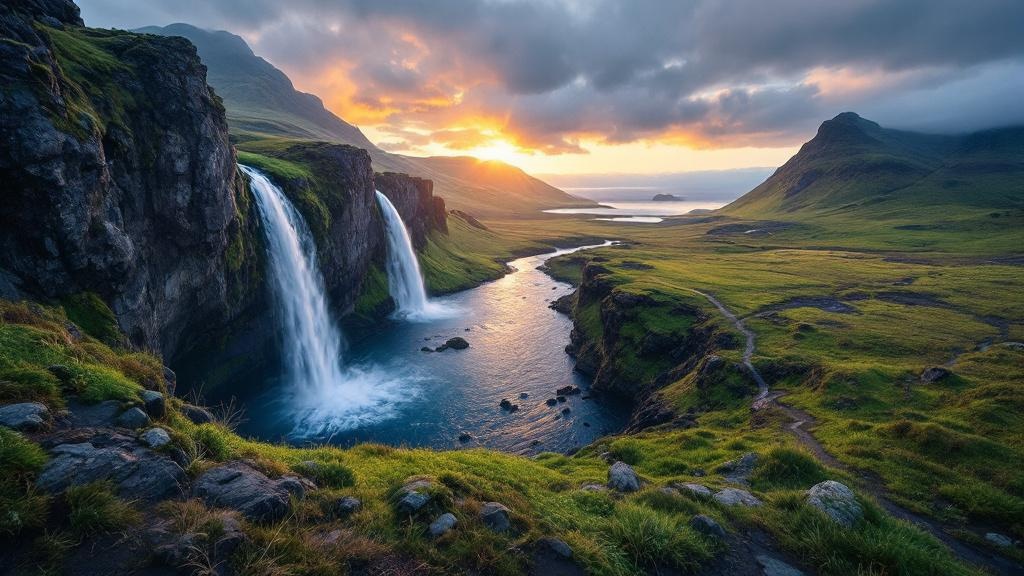
The Faroe Islands deliver dramatic Nordic landscapes without the crowds and costs of Iceland. These 18 volcanic islands rise from the North Atlantic like a scene from a fantasy novel—sheer cliffs plunge into churning seas, waterfalls cascade directly into the ocean, and villages cling to hillsides beneath perpetually moody skies.
The hiking here is genuinely epic. The trail to Kallur Lighthouse on Kalsoy Island takes you across ridges with stomach-dropping views on both sides. Múlafossur Waterfall in Gásadalur tumbles over a cliff into the ocean below, and you can hike right to the viewpoint. These aren’t Instagram-famous spots yet, which means you’ll likely have them mostly to yourself.
Wildlife enthusiasts will love the bird colonies. Puffins nest here by the thousands during summer months, and you’ll spot seals lounging on rocks along the coastline. The islands host some of Europe’s most accessible seabird viewing, with species like guillemots, fulmars, and kittiwakes nesting on cliff faces.
The terrain ranges from beginner-friendly coastal walks to advanced mountain routes. This versatility makes the Faroes perfect whether you’re bringing kids on their first international hiking trip or seeking challenging multi-day backpacking routes.
Essential Outdoor Activities
Multi-day backpacking routes connect villages across the islands, allowing you to experience traditional Faroese hospitality while covering serious mileage. The hiking trails between Saksun and Tjørnuvík takes you through mountain passes with stunning valley views.
Sea kayaking along the rugged coastlines offers a completely different perspective. You’ll paddle beneath towering cliffs, into sea caves, and around rock formations that rise dramatically from the water. Several outfitters offer guided trips for beginners and experienced paddlers alike.
For photographers and nature lovers, the Faroes provide endless opportunities. The constantly changing weather creates dramatic lighting conditions—one minute you’re in thick fog, the next the sun breaks through illuminating green hillsides against dark seas.
Family-friendly options abound in villages like Gjógv and Saksun, where easy coastal walks offer beautiful scenery without technical difficulty. Kids will love exploring the natural harbor in Gjógv, a gorge carved into the rock where boats shelter from storms.
Practical Planning Tips
Visit between May and September for the best hiking conditions. Summer brings incredibly long daylight hours—18-20 hours in June—giving you maximum time to explore. July and August are warmest but also busiest (though still uncrowded by most standards).
The weather changes rapidly and dramatically. Pack waterproof layers, wind-resistant gear, and warm clothing even in summer. I’m talking serious rain gear, not just a light jacket. The wind can be fierce, especially on exposed cliff trails.
Camping is allowed in designated areas, and several campgrounds offer basic facilities. Wild camping regulations are strict to protect the fragile landscape, so stick to established sites.
Safety considerations are serious here. Cliff edges can be unstable, and the weather shifts without warning. Always check forecasts before heading out, tell someone your route, and don’t take risks near cliff edges—especially in wind. Several hiking fatalities have occurred from people getting too close to edges for photos.
Getting there requires flying through Copenhagen or Edinburgh to Vágar Airport. Once there, rent a car—it’s essential for accessing trailheads. The undersea tunnels connecting islands make exploration straightforward, though tolls apply for some routes.
—
2. Salar de Uyuni, Bolivia – The Ultimate Surreal Landscape
What Makes It Breathtaking
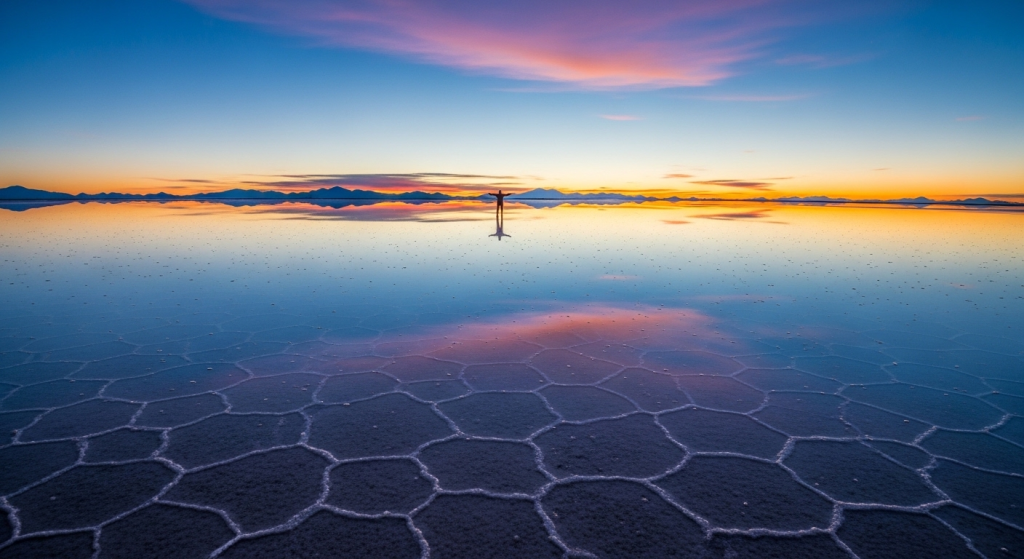
Salar de Uyuni is the world’s largest salt flat—4,086 square miles of pure white hexagonal salt patterns that stretch to the horizon. During the rainy season (roughly December through April), a thin layer of water transforms the flats into the world’s largest natural mirror, perfectly reflecting the sky and clouds. It’s one of the most surreal landscapes on Earth.
This isn’t just about the salt flats themselves. The surrounding region includes volcanic peaks with colorful mineral deposits, high-altitude lagoons in shades of green and red, geysers spouting steam into thin air, and rock formations sculpted by wind into impossible shapes.
For adventurous photographers, Salar de Uyuni offers unlimited creative possibilities. The lack of reference points creates optical illusions—you can stage perspective photos that play with size and distance. At night, the absence of light pollution reveals the Milky Way so clearly it feels like you could reach up and touch it.
The landscape feels otherworldly because it genuinely is unlike anywhere else. Standing in the middle of the flats with 360-degree views of pure white extending to every horizon creates a sense of being on another planet entirely.
Outdoor Adventures to Explore
Multi-day 4×4 expeditions are the primary way to explore this region. Three to four-day tours take you across the salt flats, through Eduardo Avaroa National Reserve, past colored lagoons, and around volcanic landscapes. These aren’t luxury tours—you’re sleeping in basic salt hotels and refugios—but they’re unforgettable adventures.
Hiking opportunities exist around Eduardo Avaroa National Reserve, though the high altitude limits strenuous activity. The landscapes around Laguna Colorada and Laguna Verde offer shorter walks where you can explore on foot while your body adjusts to the elevation.
Wildlife viewing surprises many visitors. Flamingos—three different species—feed in the mineral-rich lagoons. You’ll spot vicuñas (wild relatives of llamas) grazing on sparse vegetation, and if you’re lucky, Andean foxes hunting at dawn or dusk.
Camping on the salt flats is possible with guided tours. Sleeping under those stars, with the Milky Way reflected in the water beneath you and above you simultaneously, ranks among the most memorable camping experiences you’ll ever have.
Essential Preparation and Safety
Altitude is your biggest challenge. Salar de Uyuni sits at 11,995 feet above sea level, and many tours go even higher. Altitude sickness is real and can be serious. Spend at least two days in La Paz (11,942 feet) before your tour to acclimatize. Drink tons of water, avoid alcohol, and don’t push yourself physically until you’ve adjusted.
The best season depends on what you want. April-May and October-November offer the best chances for mirror reflections—enough water for reflections but not so much that tours can’t access the flats. June-August is dry season, showing the hexagonal salt patterns clearly but without reflections.
Gear essentials include serious sun protection. The white salt reflects UV rays intensely, and at this altitude, you’ll burn fast. Bring high-SPF sunscreen, a wide-brimmed hat, and quality sunglasses (preferably polarized). You’ll also need warm layers—temperatures drop dramatically at night, often below freezing even in summer.
For beginners, booking guided tours is essential. The landscape lacks landmarks, making navigation impossible without experience. Reputable tour companies provide 4×4 vehicles, experienced drivers who know the routes, and basic accommodations. Don’t go with the cheapest operator—safety standards vary significantly.
Family considerations matter here. The high altitude can be challenging for young children, and the long days in 4×4 vehicles may test patience. This adventure suits older kids and teenagers better than families with young children.
—
3. Sardinia, Italy – Mediterranean Wild Coast
Discover Untouched Natural Beauty
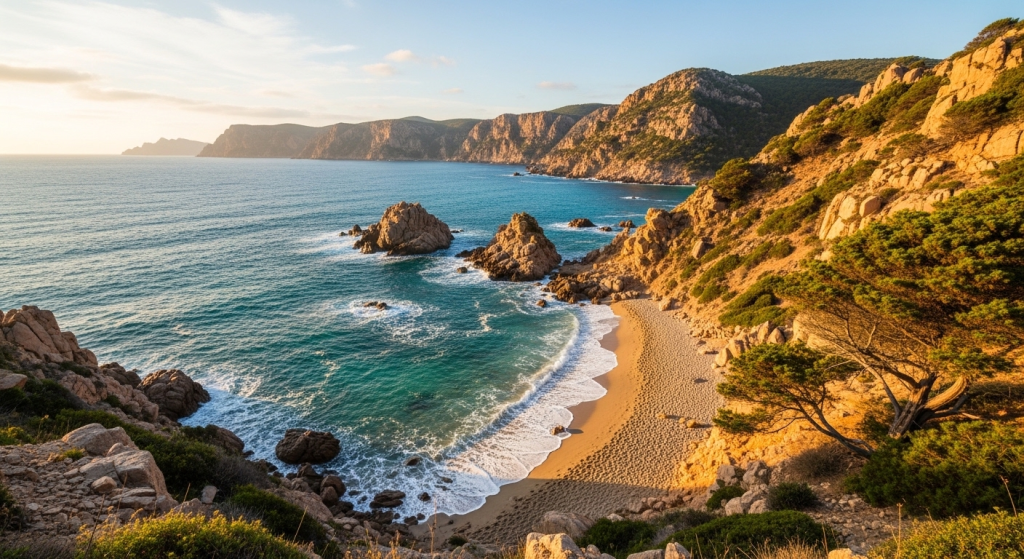
Sardinia offers Mediterranean beauty without the crowds that overwhelm the Amalfi Coast or Cinque Terre. This large Italian island features crystal-clear turquoise waters, rugged limestone cliffs, hidden coves accessible only by boat or trail, and a mountainous interior that remains genuinely wild.
The coastline is stunning—white sand beaches framed by juniper and myrtle shrubs, granite rock formations sculpted by wind and waves, and water so clear you can see the sandy bottom 30 feet down. But unlike more famous Italian destinations, you can still find beaches where you’re one of a handful of people.
The interior mountains surprise visitors who expect only coastal scenery. The Gennargentu massif rises to nearly 6,000 feet, offering serious hiking through ancient forests, past archaeological sites dating back thousands of years, and through traditional mountain villages where shepherding remains a way of life.
Cultural authenticity sets Sardinia apart. In mountain villages, you’ll experience genuine Sardinian culture—distinct from mainland Italian culture—with its own language, traditions, and cuisine. This isn’t a tourist show; it’s real life that welcomes respectful visitors.
Epic Outdoor Activities
Selvaggio Blu ranks among Europe’s most challenging and spectacular coastal treks. This six to seven-day route traverses the eastern coast from Santa Maria Navarrese to Cala Gonone, combining hiking, scrambling, and rappelling down cliff faces. It’s serious—requiring technical skills, climbing gear, and excellent fitness—but delivers unparalleled coastal scenery.
For beginner-friendly coastal adventures, the walk from Cala Gonone to Cala Luna takes about 90 minutes each way along a well-marked trail. You’ll hike above the coastline with views of turquoise coves below, then arrive at Cala Luna, a stunning beach backed by caves. It’s achievable for families with older children.
Rock climbing opportunities abound on Sardinia’s limestone cliffs. Routes range from beginner-friendly sport climbs to challenging multi-pitch traditional routes. The climbing season extends nearly year-round thanks to the mild Mediterranean climate.
Kayaking and snorkeling in the Golfo di Orosei marine reserve let you explore sea caves, hidden beaches, and underwater grottos. The water clarity makes snorkeling spectacular—you’ll see schools of fish, octopuses, and diverse marine life without needing to dive deep.
Mountain biking through Gennargentu National Park offers trails through cork oak forests, past mountain streams, and around peaks with panoramic views. The trails range from easy forest roads to technical single-track descents.
Planning Your Sardinian Adventure
Visit in May-June or September-October for ideal conditions. You’ll avoid the July-August heat and crowds while still enjoying excellent weather. Spring brings wildflowers across the landscape, while autumn offers warm seas and comfortable hiking temperatures.
Family-friendly beaches like Cala Brandinchi (nicknamed “Little Tahiti”) and La Pelosa offer shallow, calm waters perfect for kids. These beaches have facilities and lifeguards during summer months.
Accommodation options include campgrounds along the coast, agriturismi (working farms that offer rooms) in the interior, and small family-run hotels in villages. Camping gives you flexibility and keeps costs down, while agriturismi provide authentic cultural experiences with incredible home-cooked meals.
Essential gear includes good hiking boots for rocky trails, snorkel equipment (or plan to rent locally), and serious sun protection. The Mediterranean sun is intense, especially when reflected off water and white limestone.
Safety note: Carry plenty of water on trails. Many routes have limited or no water sources, and dehydration happens quickly in the heat. Some coastal trails have significant exposure—steep drops to the sea—so watch your footing and avoid hiking in strong winds.
—
4. The Scottish Highlands – Misty Castle Country
Epic Landscapes and Ancient Trails
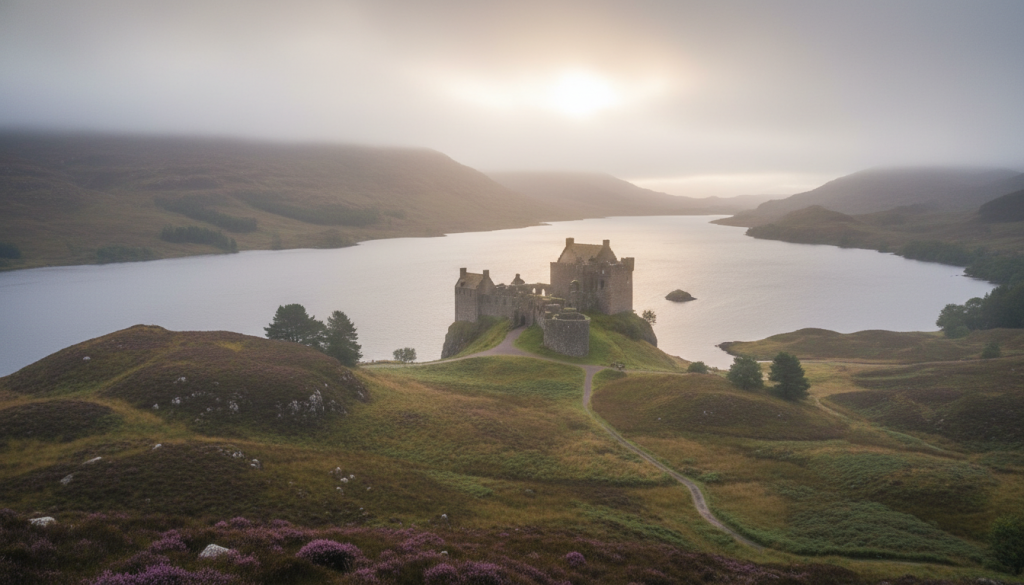
The Scottish Highlands deliver the moody, mist-draped landscapes that define the “Mystic Outlands” trend. Mountains rise dramatically from deep glens, lochs reflect constantly changing skies, and ancient castles stand sentinel over wild landscapes that have changed little in centuries.
This is some of Europe’s most remote wilderness. In the northwest Highlands, you can hike for days without seeing a road, passing through landscapes of raw beauty—peat bogs, heather-covered moorlands, rocky peaks, and hidden mountain lochs.
The long-distance trails here are legendary among hikers. The West Highland Way covers 96 miles from just north of Glasgow to Fort William, passing through diverse landscapes from lowland forests to high mountain passes. The Skye Trail on the Isle of Skye traverses some of Scotland’s most dramatic mountain scenery over 80 challenging miles.
Historic sites add cultural depth to your outdoor adventures. You’ll hike past ruins of ancient clan strongholds, through glens that witnessed historic battles, and around lochs where castles rise from rocky promontories. The landscape tells stories everywhere you look.
Ultimate Highland Adventures
Multi-day backpacking routes offer true wilderness experiences. The Cape Wrath Trail, an unofficial route through the northwest Highlands, covers roughly 200 miles of remote terrain with minimal infrastructure. You’ll carry everything you need, navigate using map and compass, and camp wild in some of Britain’s most isolated landscapes.
Munro bagging—climbing Scotland’s 282 peaks over 3,000 feet—is a classic Highland pursuit. Some Munros are straightforward mountain walks, while others require scrambling skills and head for heights. Ben Nevis, Britain’s highest peak at 4,413 feet, makes an achievable goal for fit hikers, though the mountain demands respect with its rapidly changing weather.
Wild camping opportunities under Scotland’s outdoor access code give you freedom to camp almost anywhere, as long as you follow leave-no-trace principles. Imagine pitching your tent beside a remote loch, with no one else for miles, and waking to mountain reflections in still water.
Beginner-friendly options exist throughout the Highlands. Glen Nevis near Fort William offers riverside walks and waterfall hikes suitable for families. The Fairy Pools on Skye provide an easy walk to crystal-clear pools and waterfalls, with the Cuillin mountains as a dramatic backdrop.
For families, Loch Lomond and The Trossachs National Park offers accessible adventures. Well-maintained trails, visitor facilities, and shorter routes make it perfect for introducing kids to Highland hiking while still delivering beautiful scenery.
Preparing for Highland Weather
The weather is famously unpredictable and often challenging. Rain can appear from nowhere, mist can descend in minutes reducing visibility to a few meters, and wind can make standing difficult on exposed ridges. These conditions demand respect and preparation.
Visit between May and September for the longest days and (relatively) best weather, but prepare for rain at any time. I’ve experienced four seasons in a single day in the Highlands—sunshine, rain, hail, and wind all within a few hours.
Essential gear includes proper waterproof jacket and trousers (not just water-resistant), warm layers including fleece or down, navigation tools (map, compass, and GPS), and a headlamp. Even on day hikes, carry emergency supplies—the weather can trap you out longer than planned.
Midges (tiny biting insects) are notorious in the Highlands from late May through September, especially in calm, damp conditions. Bring midge repellent or a head net—trust me on this. They don’t carry diseases, but they’re incredibly annoying in swarms.
Safety considerations are serious. Weather changes rapidly, and mountains that look benign in sunshine become dangerous in mist and rain. Always check weather forecasts, tell someone your route and expected return time, and know when to turn back. Mountain rescue teams respond to hundreds of callouts annually, many involving well-intentioned but underprepared hikers.
Transportation requires planning. Car rental is highly recommended for accessing remote trailheads. Public transportation exists but is limited in frequency and coverage, especially in remote areas.
—
In Closing
These nine lesser-known destinations offer everything adventurous travelers crave in 2026—breathtaking landscapes, authentic experiences, and the freedom to explore without fighting crowds at every viewpoint. Whether you’re drawn to the dramatic cliffs of the Faroe Islands, the surreal mirror of Bolivia’s salt flats, or the misty mountains of Scotland, each destination delivers unforgettable outdoor adventures.
The beauty of choosing off-the-beaten-path destinations extends beyond just avoiding crowds. You’re supporting local communities that don’t see the tourism dollars of famous hotspots. You’re experiencing places authentically, before they become mainstream. And you’re creating travel memories that feel genuinely yours, not replicas of someone else’s Instagram feed.
Remember that “lesser-known” doesn’t mean unprepared. Each destination requires specific planning—understanding weather patterns, respecting local regulations, carrying appropriate gear, and knowing your limits. The practical tips throughout this guide give you the foundation to plan confidently, but do additional research specific to your chosen destination and your group’s abilities.
The trend toward “Mystic Outlands” destinations reflects something deeper than just travel preferences. We’re seeking connection—to nature, to authentic cultures, to landscapes that remind us how vast and beautiful our world remains. These destinations deliver that connection in ways that overcrowded tourist hotspots simply cannot.
Your 2026 adventure awaits. Whether you’re a seasoned backpacker ready for Georgia’s Caucasus peaks or a family seeking beginner-friendly trails in Sardinia, these destinations offer experiences that will stay with you for years. The question isn’t whether to explore off-the-beaten-path—it’s which of these epic destinations you’ll discover first.
Start planning now. Research flights, check visa requirements, and begin gathering gear. The best campsites, hiking permits, and accommodations in these lesser-known destinations book up as word spreads. The adventurers who move quickly get the best experiences.
Where will your 2026 adventures take you?