7 French Alps Ski Risks to Avoid: Your Essential Safety Guide

Planning a French Alps ski trip? Learn the 7 most critical ski risks to avoid including avalanches, collisions, and equipment failures. Essential safety tips for Chamonix, Val d’Isère & more.
The French Alps offer some of the world’s most spectacular skiing, from the legendary slopes of Chamonix to the pristine runs of Val d’Isère. But with breathtaking terrain comes real responsibility. Every season, preventable accidents occur that could have been avoided with proper knowledge and preparation.
Whether you’re planning your first Alpine skiing adventure or you’re a seasoned skier heading to Les 3 Vallées, understanding these seven critical ski risks could save your trip—or even your life.
1. Avalanche Danger: The Silent Threat Off-Piste

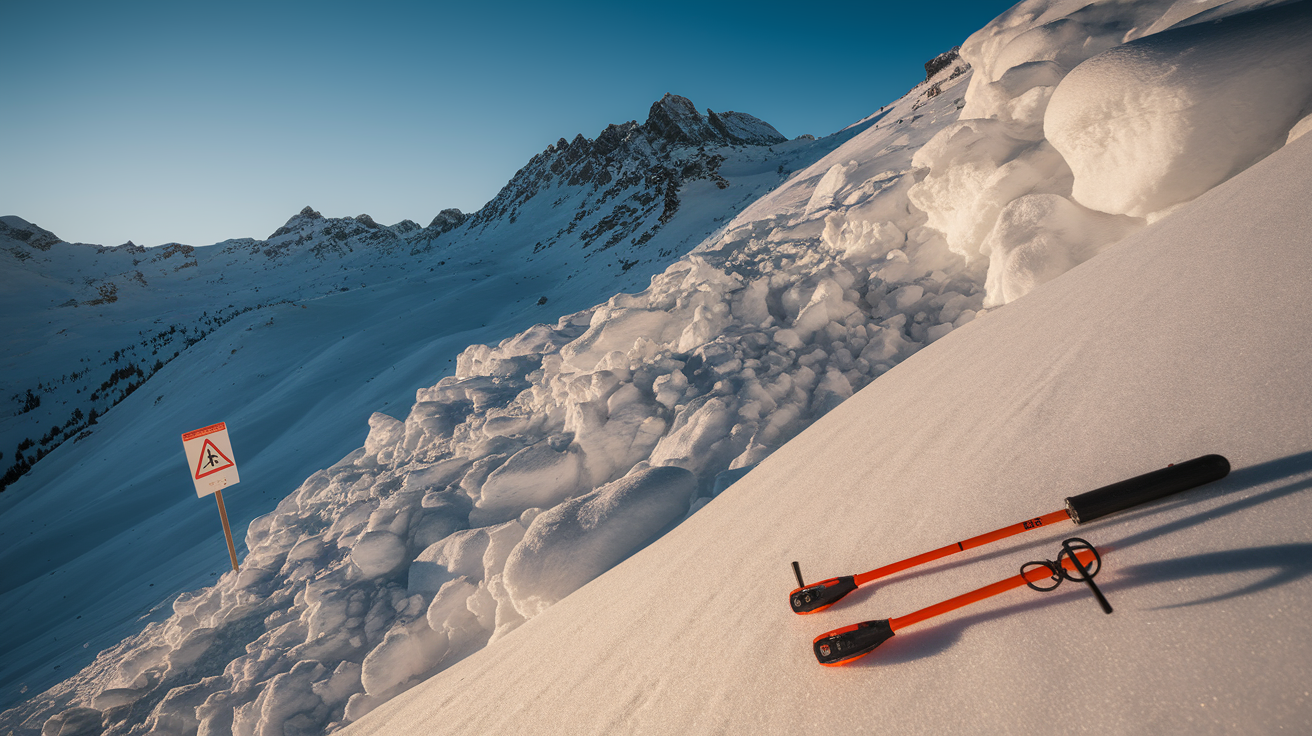
Why It’s Critical: Avalanches remain the leading cause of skiing fatalities in the French Alps, claiming an average of 30 lives annually across the Alps. Climate change has increased avalanche unpredictability, with warming temperatures creating unstable snow conditions even on traditionally safe routes. The 2023-2024 season saw a 40% increase in avalanche incidents compared to the previous decade’s average.
The Risk: Off-piste skiing in areas like La Grave or the backcountry around Chamonix exposes you to avalanche terrain. Many skiers underestimate how quickly conditions can change, especially after fresh snowfall or during temperature fluctuations. What appears as pristine powder in the morning can become a death trap by afternoon as temperatures rise.
The Vallée Blanche, one of Chamonix’s most famous off-piste routes, sees multiple avalanche incidents each season despite being a “classic” descent. Even guided groups have been caught in slides when conditions deteriorated faster than expected.
Understanding Avalanche Terrain: Slopes between 30-45 degrees are the most dangerous. Convex slopes (bulging outward) are more prone to avalanches than concave slopes. North-facing slopes in winter hold unstable snow longer, while south-facing slopes can become dangerous in spring as sun weakens the snowpack.
How to Avoid It:
- Never ski off-piste alone or without proper avalanche safety equipment (transceiver, probe, shovel)
- Check daily avalanche bulletins at Météo France before heading out—understand the five-level European avalanche danger scale
- Consider hiring a certified mountain guide (UIAGM/IFMGA qualified) for backcountry adventures
- Take an avalanche safety course before attempting off-piste skiing—organizations like ANENA offer excellent training
- Respect closed areas and warning signs—they exist for your protection, and ignoring them can result in legal consequences
- Learn to identify avalanche terrain using the 3×3 method: conditions, terrain, human factors
- Practice with your avalanche equipment regularly—in an emergency, you need to use it instinctively
- Understand how to read avalanche forecasts and apply them to specific terrain
- Know the difference between wet and dry avalanches and when each type is most likely
Advanced Safety Measures: Carry an avalanche airbag pack for off-piste skiing. Studies show they increase survival rates by 50% when deployed correctly. Modern airbag systems are lighter and more reliable than ever, with both compressed air and electronic fan systems available.
Key Insight: Even experienced skiers should treat every off-piste run with respect. The majority of avalanche victims are skilled skiers who made poor decisions about terrain selection, often due to overconfidence or group pressure.
2. Excessive Speed and Loss of Control

Why It’s Critical: Speed is a factor in over 60% of ski accidents in French Alps resorts. The combination of excellent grooming, long runs, and the thrill of Alpine skiing can lead to dangerously high speeds. At 40-50 km/h (25-31 mph)—a moderate speed for many skiers—you cover roughly 12 meters per second, leaving minimal reaction time for obstacles.
The Risk: Losing control at high speed on crowded pistes in popular resorts like Courchevel or Méribel can result in serious collisions. Icy patches, unexpected terrain changes, and crowded intersections become hazards when you’re traveling too fast to react. Late afternoon when snow turns to ice and shadows create flat light makes speed management even more critical.
Professional ski patrol reports that most serious injuries occur not on black runs, but on blue and red runs where skiers feel comfortable going fast without accounting for other slope users.
The Physics of Ski Crashes: Impact forces increase exponentially with speed. A collision at 20 km/h might result in bruises, while the same collision at 40 km/h can cause life-threatening injuries. Your stopping distance also increases dramatically—at 50 km/h on groomed snow, you need roughly 20-30 meters to stop completely, even with excellent technique.
How to Avoid It:
- Always ski within your ability level and maintain control—if you can’t stop quickly, you’re going too fast
- Reduce speed in high-traffic areas, near lift exits, at trail merges, and in flat light conditions
- Use the “uphill skier rule”—the person downhill always has right of way, and you must avoid them
- Take regular breaks to combat fatigue that affects reaction time—most accidents occur in the last run of the day
- Consider lessons to improve your technique and control at speed—proper technique allows better speed management
- Adjust your speed based on visibility, snow conditions, and crowd density
- Learn proper speed-checking techniques: hockey stops, carving turns, and use of edges
- Be especially cautious in the afternoon when snow becomes icy and harder
- Recognize that Alpine pistes are often steeper and icier than slopes in other regions
Specific Hazard Zones: The long descents into resort villages at end of day are particularly dangerous. Tired skiers on deteriorating snow conditions, combined with convergence of multiple runs, creates collision risks. The “home run” into Courchevel 1850 and the long blue run into Val d’Isère village see numerous accidents each afternoon.
Resort-Specific Tip: In Tignes and Val d’Isère, the long blue runs can tempt intermediate skiers to go too fast. Remember that blue runs in the Alps are often steeper and longer than in North American or smaller European resorts. A blue run here might be equivalent to a blue-black elsewhere.
3. Skiing Beyond Your Ability Level

Why It’s Critical: The French Alps feature some of Europe’s most challenging terrain. What’s marked as an intermediate run here might be considered advanced elsewhere. The French grading system uses green, blue, red, and black, but these ratings are relative to the resort—a blue run in Chamonix is vastly different from a blue run in a beginner-friendly resort.
The Risk: Attempting black runs or off-piste areas without adequate skill increases your risk of injury, getting lost, or putting yourself in dangerous terrain where rescue becomes difficult and expensive. This is particularly common in Chamonix, where the terrain difficulty can escalate quickly. Some runs that start as reds can have black sections with no easy alternative route.
The psychological pressure in groups can be intense. Nobody wants to be the person who “holds back” the group, but skiing beyond your ability endangers both yourself and others who may need to assist you or deal with accidents you cause.
Understanding Alpine Run Ratings: French run ratings consider: steepness, width, exposure, altitude, and grooming frequency. A groomed blue run can become a challenging red when moguls form after several days without grooming. Early season and late season, many runs that are normally intermediate become advanced due to reduced snow cover and exposed hazards.
Common Ability Misjudgments: Many skiers who are comfortable on blues in smaller resorts struggle on French Alps reds. The combination of length (many runs exceed 1,000 vertical meters), sustained steepness, variable snow conditions, and altitude effects creates challenges beyond simple technical difficulty.
How to Avoid It:
- Honestly assess your skill level before booking your resort—research run profiles and get accurate information
- Start each ski day on easier runs to warm up and assess current conditions
- Don’t let group dynamics push you beyond your comfort zone—speak up if you’re uncomfortable
- Book lessons appropriate to your level—even advanced skiers benefit from local instruction
- Research run difficulty ratings specific to French resorts before your trip using piste maps and online resources
- Have a plan B when conditions make runs more challenging than usual—most resorts have multiple descent options
- Learn to read piste maps properly, understanding that distance and vertical drop matter as much as color rating
- Consider ski guiding services if you’re unsure about terrain selection
- Understand that confidence on groomed runs doesn’t necessarily translate to off-piste ability
- Practice on progressively more difficult terrain rather than jumping difficulty levels
Technical Skill Requirements by Level:
- Blues: Confident snowplow turns, basic speed control, can link turns
- Reds: Parallel turns on varied terrain, good edge control, comfortable on steeper pitches
- Blacks: Advanced parallel turns, mogul capability, comfortable on very steep terrain, good fitness
- Off-piste: Expert-level technique, deep snow experience, avalanche training, excellent fitness
Beginner-Friendly Alternatives: If you’re an intermediate skier, consider resorts like Alpe d’Huez, Les Gets, or Morzine, which offer more forgiving terrain while still providing the authentic Alpine experience. These resorts have extensive blue and red networks that allow progression without overwhelming terrain.
When You’re Stuck on a Run Too Difficult: If you find yourself on terrain beyond your ability, don’t panic. Side-slip down using your edges, take it very slowly, and don’t be embarrassed to remove skis and walk if necessary. Ski patrol can assist if you’re truly stuck, though this may involve a charge for the service.
4. Collisions with Other Skiers and Objects
Why It’s Critical: With millions of visitors each season, popular French Alps resorts can become crowded, especially during French school holidays (February), Christmas, and Easter weeks. Collisions account for roughly 30% of ski injuries requiring medical attention, and collision-related injuries tend to be more severe than fall-related injuries.
The Risk: Blind spots at trail merges, crowded beginner areas, and inattentive skiers checking their phones create collision hazards. Trees, lift towers, safety netting, rocks, and snow guns also pose risks if you lose control. In Les 3 Vallées, the world’s largest ski area, the sheer number of trail intersections increases collision probability.
The legal implications are serious: if you collide with someone while skiing recklessly or too fast for conditions, you can be held liable for injuries and may face criminal charges in France. French law requires the uphill skier to avoid those below.
Collision Statistics: Studies show that most skier collisions occur at speeds between 30-50 km/h, when neither party expects impact. Children and beginner skiers are most vulnerable, as they’re unpredictable in their movements and less aware of uphill traffic.
How to Avoid It:
- Follow the FIS Rules of Conduct for skiers—these are internationally recognized safety rules
- Look uphill before merging onto trails or starting downhill—this is your legal responsibility
- Give other skiers plenty of space, especially beginners and children who may turn unpredictably
- Stay alert and avoid distractions like phone use while skiing—wait until you’re completely stopped in a safe area
- Use designated stopping areas only—never stop where you can’t be seen from above or in the middle of runs
- Wear brightly colored clothing to increase visibility, especially in flat light
- Consider a helmet with MIPS (Multi-directional Impact Protection System) technology for added protection against rotational forces
- Be extra cautious when visibility is reduced by snow, fog, or flat light
- Anticipate that beginners will make sudden, unpredictable movements
- Maintain extra distance on narrow sections where there’s less room for error
- Use hand signals when stopping or slowing dramatically
- Be aware of blind corners and slow down appropriately
High-Risk Collision Zones:
- Bottom of popular runs where traffic converges
- Near ski school meeting areas (mornings especially)
- Lift departure and arrival areas
- Restaurants and mountain huts at lunchtime
- Trail intersections and merges
- Narrow sections of popular routes
- Terrain park features and their approach zones
Specific Resort Hazards: The vast interconnected terrain of Les 3 Vallées means constant traffic at junction points between valleys. The Saulire cable car area above Courchevel is notorious for congestion. In Val d’Isère, the Face de Bellevarde—home to Olympic downhill races—attracts skiers going very fast who may not be skilled enough for the conditions.
What To Do If You Witness or Cause a Collision: French law requires you to stop and provide assistance if you witness or cause a collision. Exchange insurance information, take photos of the scene, and get contact details from witnesses. Ski patrol should be notified immediately. Leaving the scene of an accident can result in criminal charges.
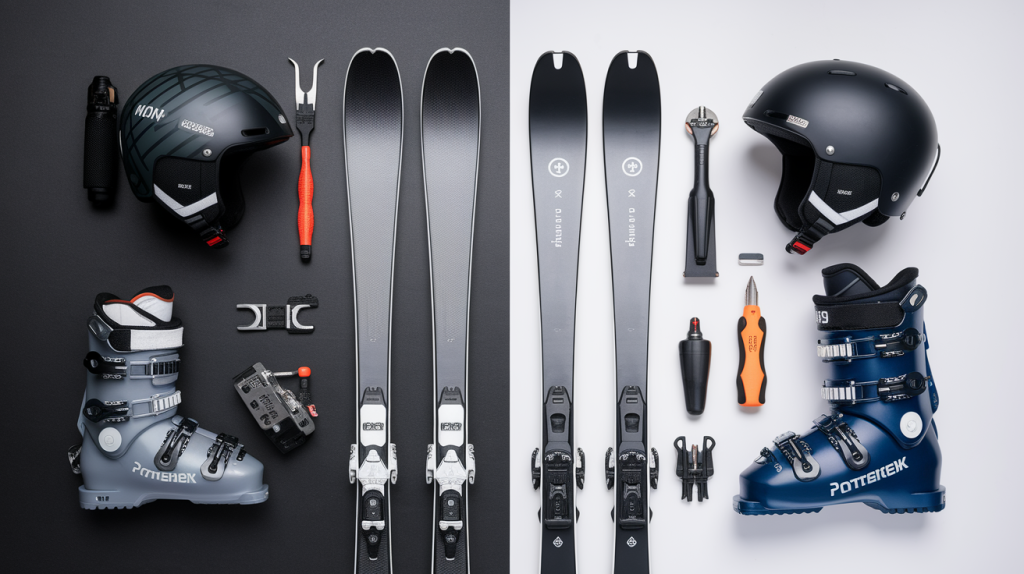
Protection Equipment: Modern ski helmets reduce head injury risk by about 35%, but only if properly fitted and worn correctly. Replace helmets after any significant impact and every 3-5 years regardless. Consider back protection if you ski terrain parks or very challenging terrain.
5. Alcohol and Drug Impairment on the Slopes

Why It’s Critical: The French Alps après-ski culture is legendary, but drinking before or during skiing dramatically increases accident risk. Alcohol impairs judgment, slows reaction time by 10-25%, affects balance and coordination, and can mask pain from injuries. Studies show that skiers with blood alcohol levels above 0.05% are significantly more likely to have accidents.
The Risk: Even one or two drinks at a mountaintop restaurant can impair your skiing ability. Combined with altitude effects (which intensify alcohol’s impact) and fatigue, alcohol significantly increases your chances of having an accident during your descent. At 2,000+ meters elevation, one drink can feel like two.
The legal situation is evolving: while France doesn’t currently have blood alcohol limits for skiing like it does for driving, courts have ruled that alcohol impairment can be a factor in determining liability in accident cases. Some resorts have banned alcohol sales at mountaintop locations.
The Altitude-Alcohol Connection: At high altitude, lower oxygen levels mean alcohol is metabolized more slowly and affects you more quickly. Dehydration, which is common at altitude, amplifies alcohol’s effects. The combination of physical exertion, cold, and altitude creates a perfect storm for impairment even from moderate drinking.
How to Avoid It:
- Save alcohol for après-ski—after your skis are off for the day and you’re safely at resort level
- If you do drink at lunch, stick to one drink maximum and give it at least 90 minutes to metabolize before skiing
- Stay hydrated with water throughout the day to combat altitude effects—aim for 3-4 liters daily
- Be aware that altitude intensifies alcohol’s effects by roughly 30-50%
- Never ski under the influence of recreational drugs or certain medications that cause drowsiness
- Use the gondola or bubble lift down if you’ve been drinking—no shame in being safe
- Be aware that cold temperatures can mask the feeling of intoxication
- Consider the legal and insurance implications—alcohol impairment can void travel insurance coverage
- Remember that skiing requires complex motor skills and split-second judgment
- Eat substantial meals if you do have a drink—never drink on an empty stomach at altitude
Medication Considerations: Many common medications can impair skiing ability: antihistamines, cold medications, pain relievers, anxiety medications, and sleep aids. Always check medication labels for warnings about operating machinery or impaired judgment, and consider how they might interact with altitude and physical exertion.
Cultural Note: While long lunches with wine are part of Alpine culture, responsible skiers in resorts like Val Thorens and Courchevel increasingly opt for alcohol-free lunches and save celebrations for evening. Many mountain restaurants now promote this with excellent coffee, hot chocolate, and other non-alcoholic options prominently featured.
The Insurance Trap: Most travel insurance policies and ski insurance have clauses that reduce or eliminate coverage if you’re injured while under the influence of alcohol or drugs. This could leave you liable for tens of thousands of euros in medical and rescue costs. Helicopter evacuation alone can cost €5,000-€10,000.
6. Inadequate or Poorly Maintained Equipment
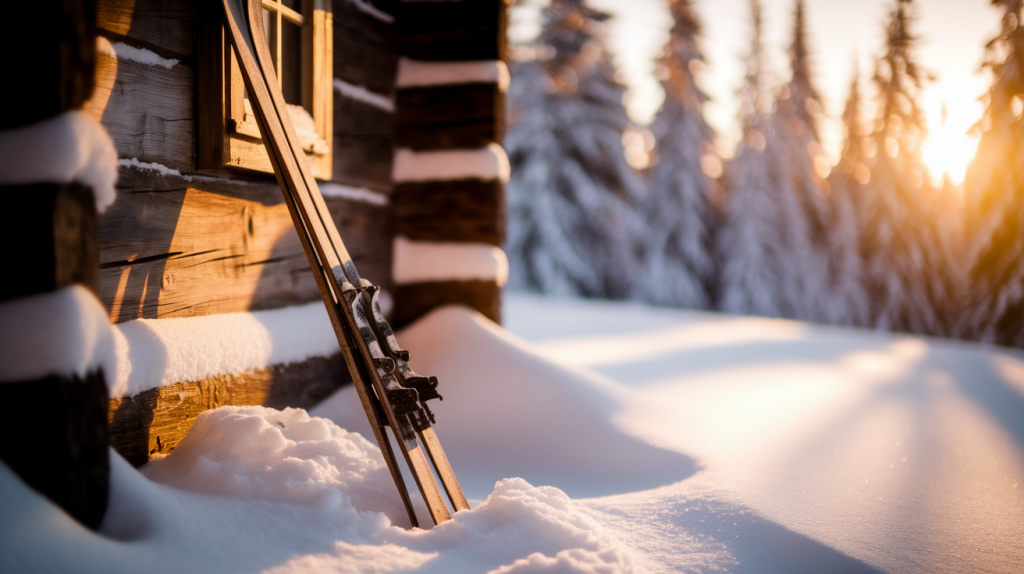
Why It’s Critical: Your equipment is your lifeline on the mountain. Poorly maintained skis, incorrect binding settings, or inappropriate gear for conditions can lead to serious accidents or injuries. Equipment failure on a challenging run far from the resort can turn a minor issue into a major emergency.
The Risk: Dull edges reduce control on icy Alpine slopes—which are common in the afternoons and on popular runs. Incorrectly adjusted bindings may not release during falls (causing knee injuries like ACL tears), or release when they shouldn’t (causing loss of control at speed). Old or damaged equipment can fail at critical moments when you need it most.
Rental equipment quality varies dramatically. Budget rental shops often provide older equipment with less frequent servicing. The €10-15 per day you might save isn’t worth the safety risk.
Binding Settings Explained: Bindings release force, measured in DIN settings, should be calculated based on your weight, height, boot sole length, age, and ability level. Too low, and bindings release unexpectedly causing dangerous falls. Too high, and they won’t release in a crash, causing knee and leg injuries. DIN settings should be checked by a certified technician, not adjusted by yourself based on internet advice.
Common Equipment Failures and Causes:
- Binding malfunction: improper adjustment, wear, ice buildup, or damage
- Edge failure: insufficient sharpening, damage from rocks, or poor storage
- Boot problems: worn soles, broken buckles, poor fit causing control loss
- Ski/snowboard damage: core shots, delamination, broken edges
- Pole failures: bent or broken shafts, lost baskets
How to Avoid It:
- Have your equipment professionally serviced before your trip—a full tune typically costs €40-60 and includes edge sharpening, base repair, and waxing
- Check binding settings with a certified technician at the start of your vacation—most shops do this free if you rent from them
- Rent from reputable shops if you don’t own equipment—look for shops affiliated with major brands or resorts
- Replace helmets after any impact or every 3-5 years—the protective foam degrades over time
- Ensure your boots fit properly and aren’t too worn—boot fit is the foundation of skiing performance and control
- Check equipment daily for visible damage or wear before heading out
- Use appropriate skis for conditions: all-mountain vs. powder vs. carving skis have very different performance characteristics
- Learn basic equipment maintenance: how to clear ice from bindings, basic binding function checks
- Carry basic tools: a multi-tool designed for ski equipment can save the day
- Know how to make emergency repairs: temporary fixes for broken straps, lost screws, etc.
- Consider equipment insurance if traveling with expensive gear
Boots: The Most Important Equipment: Ill-fitting boots cause control problems and fatigue. They should be snug but not painful, with your toes lightly touching the front when standing straight, pulling back slightly when in skiing position. Many accidents attributed to “loss of control” are actually due to boots that don’t fit properly, preventing effective edge control.
Rental Tip: In major resorts like Chamonix and Val d’Isère, premium rental shops (often called “performance” or “expert” rental) offer higher-quality equipment and better service than budget options. The price difference of €10-20 per day is worth it for safety, performance, and the assurance that equipment is properly maintained and fitted.
What to Check Each Morning:
- Edges are sharp and rust-free
- Bindings click securely when boots insert
- No cracks or damage to skis/boards
- Boot buckles function properly
- Poles are straight with intact baskets and straps
- Helmet straps and adjustments work correctly
7. Ignoring Weather Warnings and Poor Visibility Conditions
Why It’s Critical: Alpine weather can change rapidly, and conditions that seem manageable at resort level can be life-threatening at altitude. White-out conditions, extreme cold, and sudden storms create serious hazards. Temperature differences of 10-15°C between valley and summit are common, and wind chill can make actual conditions far more dangerous than thermometer readings suggest.
The Risk: Getting caught in deteriorating weather can lead to disorientation, frostbite, hypothermia, or being unable to find your way back to the resort. Poor visibility also dramatically increases collision risk—you can’t avoid what you can’t see. Several deaths occur each season from skiers caught in storms, with some cases involving people just meters from safety but unable to see refuge buildings.
In white-out conditions, you lose depth perception and can’t distinguish between snow and sky. This leads to falls, disorientation, and potentially skiing off-piste unknowingly into dangerous terrain.
Understanding Alpine Weather Patterns: The Alps create their own weather systems. Conditions can deteriorate in 30 minutes or less. The Föhn wind, a warm wind that descends the north slopes, can destabilize snow and reduce visibility quickly. Afternoon storms are common in spring. Winter brings the risk of extreme cold and wind, while spring presents avalanche risks from warming.
How to Avoid It:
- Check weather forecasts every morning before heading out—use multiple sources for accuracy
- Start early when conditions are typically best—first lifts often have the best visibility and snow
- Head down at the first signs of deteriorating weather—don’t wait until it’s dangerous
- Carry a charged phone with emergency numbers programmed in—in France: 112 for emergency, or specific ski patrol numbers
- Know the location of mountain refuges and emergency shelters—study piste maps for these before heading out
- Dress in layers with proper cold-weather gear including multiple goggle lenses (yellow/orange for flat light, dark for sunny conditions)
- Never venture off-piste in poor visibility—even expert skiers with GPS have become disoriented
- Learn to recognize signs of hypothermia (confusion, slurred speech, shivering, coordination loss) and frostbite (white, numb skin)
- Understand that wind chill dramatically affects actual temperature—wind speed of 30 km/h can make -5°C feel like -15°C
- Pay attention to cloud formations that indicate approaching weather changes
- Have a meet-up plan with your group if visibility deteriorates and you become separated
- Know your resort’s weather warning system—many use flag colors or specific signals
Technology Tools: Modern smartphone apps provide precise, location-specific forecasts. Météo France offers excellent Alpine-specific forecasting. Many resorts have weather stations at various elevations showing real-time conditions. Webcams let you check summit conditions before taking the lift up.
Emergency Numbers: Save these before your trip:
- 112: European emergency number
- Resort-specific ski patrol numbers (usually on lift pass or resort website)
- PGHM (Peloton de Gendarmerie de Haute Montagne): mountain rescue
- Your accommodation contact details
- Your travel insurance emergency number
Weather Resources:
- Météo France: official French weather service with mountain-specific forecasts
- Mountain webcams: most resorts have multiple cameras showing real-time conditions
- Resort apps: provide weather, avalanche bulletins, and lift status
- Local ski shops and guides: have the best current conditions knowledge
Hypothermia and Frostbite Recognition: Hypothermia symptoms progress from shivering and confusion to loss of coordination and eventually unconsciousness. Frostbite typically affects fingers, toes, nose, and ears first—watch for white, waxy skin that feels numb. Both require immediate medical attention and gradual rewarming, not rapid heating.
When to Call It a Day: If visibility drops below 20 meters, temperature with wind chill drops below -20°C, or wind speeds exceed 60 km/h, head down immediately. These conditions make skiing dangerous regardless of your skill level. No run is worth risking your life.
Your French Alps Ski Safety Checklist
Before Your Trip:
- Book appropriate lessons for your level
- Verify travel insurance covers skiing, off-piste if relevant, and mountain rescue (helicopter evacuation can cost €5,000+)
- Service your equipment or book quality rentals from reputable shops
- Take an avalanche safety course if planning off-piste skiing (ANENA or similar organizations)
- Research your specific resort’s terrain and difficulty—not all resorts suit all levels
- Pack appropriate clothing for high-altitude conditions (layers, quality goggles, helmet)
- Download resort apps and weather apps for conditions monitoring
- Learn basic French emergency phrases or save them in your phone
- Inform someone at home of your skiing plans and expected return
- Check European Avalanche Bulletin if doing any off-piste
Every Ski Day:
- Check weather and avalanche bulletins first thing
- Inspect equipment for damage before heading out
- Eat a substantial breakfast—skiing burns 300-600 calories per hour
- Warm up on easier terrain first—cold muscles are injury-prone
- Stay hydrated—drink water regularly throughout the day (3-4 liters daily at altitude)
- Take regular breaks to combat fatigue, especially after lunch
- Ski within your ability level—progress gradually
- Save alcohol for après-ski after you’re done for the day
- Head down early if weather deteriorates
- Know where ski patrol locations are on the mountain
End of Day:
- Check equipment for any damage from the day
- Review any close calls and what you learned
- Plan next day’s skiing based on forecast
- Hydrate and refuel properly—recovery matters
- Get adequate sleep—fatigue accumulates over a ski week
The Bottom Line: Knowledge is Your Best Protection
The French Alps offer unmatched skiing experiences, from the vertical drops of Chamonix to the extensive terrain of Les 3 Vallées. By understanding and avoiding these seven critical risks, you can focus on what matters most—enjoying the spectacular mountains safely.
Remember: the best skiers aren’t necessarily the fastest or most daring. They’re the ones who make smart decisions, respect the mountain, prepare properly, and come home safely to ski another day.
The mountains will always be there. Make sure you are too.
Ready to plan your French Alps ski adventure? Check out our complete guides to Chamonix, Val d’Isère, and Courchevel for more insider tips on making the most of your Alpine skiing experience safely and confidently.
Frequently Asked Questions
Q: Is skiing in the French Alps dangerous for beginners? A: Not if you choose appropriate resorts and runs. Resorts like Alpe d’Huez, Les Gets, and Morzine offer excellent beginner terrain with extensive green and blue runs. Take lessons from the first day, start on green runs even if you’ve skied elsewhere, and progress gradually. The Alps are no more dangerous than other regions if you ski appropriate terrain and follow safety guidelines. Most accidents involve skiers attempting terrain beyond their ability.
Q: Do I need avalanche equipment for resort skiing? A: No, avalanche gear (transceiver, probe, shovel) is only necessary for off-piste and backcountry skiing. Resort-maintained pistes are avalanche-controlled and monitored, making them safe from avalanche risk. However, if you plan any off-piste skiing—even just beyond the markers—avalanche equipment becomes essential and legally required in many areas. Never ski off-piste without proper training, equipment, and ideally a guide.
Q: What’s the best time to ski the French Alps to avoid crowds? A: January (except the first week and last week) and early March offer good conditions with fewer crowds. Avoid French school holiday weeks (usually mid-February to early March) and UK half-term (usually mid-February), when resorts can be extremely crowded. Early December and April can offer great deals but check snow conditions carefully. Mid-week skiing is always quieter than weekends.
Q: Should I get ski insurance for the French Alps? A: Absolutely essential. Mountain rescue can cost thousands of euros, with helicopter evacuation alone costing €5,000-€10,000. Regular travel insurance often doesn’t cover skiing or caps mountain rescue costs at inadequate levels. Get specific ski insurance that covers: medical expenses, mountain rescue including helicopter, repatriation, equipment damage, and off-piste if you plan to ski beyond marked runs. Check if your policy covers the specific activities you plan to do.
Q: Are French Alps runs harder than other regions? A: Generally yes, they’re among the most challenging in the world. Blue runs in the Alps are often equivalent to blue-black runs in North America or smaller European resorts. The combination of length (many runs exceed 1,000 vertical meters), sustained steepness, variable conditions, and altitude makes them more demanding. Always ski conservatively your first day to assess difficulty, and don’t be surprised if you find yourself skiing one color down from your usual level.
Q: What should I do if I get injured on the slopes? A: Stay calm and assess the injury. If you can safely move to the side of the piste, do so. Call ski patrol immediately (numbers are on your lift pass and piste maps). Don’t attempt to ski down with a significant injury. Ski patrol will assess you and arrange evacuation if needed—this is why insurance is critical. Get documentation of the incident for insurance claims. If another skier was involved, exchange details and get witness information.
Q: How fit do I need to be for French Alps skiing? A: Good fitness significantly improves safety and enjoyment. The long runs, high altitude, and challenging terrain demand more stamina than shorter runs elsewhere. Start a fitness program 6-8 weeks before your trip focusing on: leg strength (squats, lunges), core stability, cardiovascular endurance, and flexibility. Poor fitness leads to fatigue, which is when most accidents occur.
Q: Can I ski in the French Alps without speaking French? A: Yes, most resort staff speak English, especially in major resorts. However, learn basic emergency phrases: “Au secours” (help), “Accident” (accident), “Médecin” (doctor), “Blessé” (injured). Ski patrol, medical staff, and lift operators typically speak English. In more traditional resorts or mountain restaurants, French is more common, but safety communication is usually possible in English.