6 Japanese Alps Skiing Spots for Epic Winter Adventures

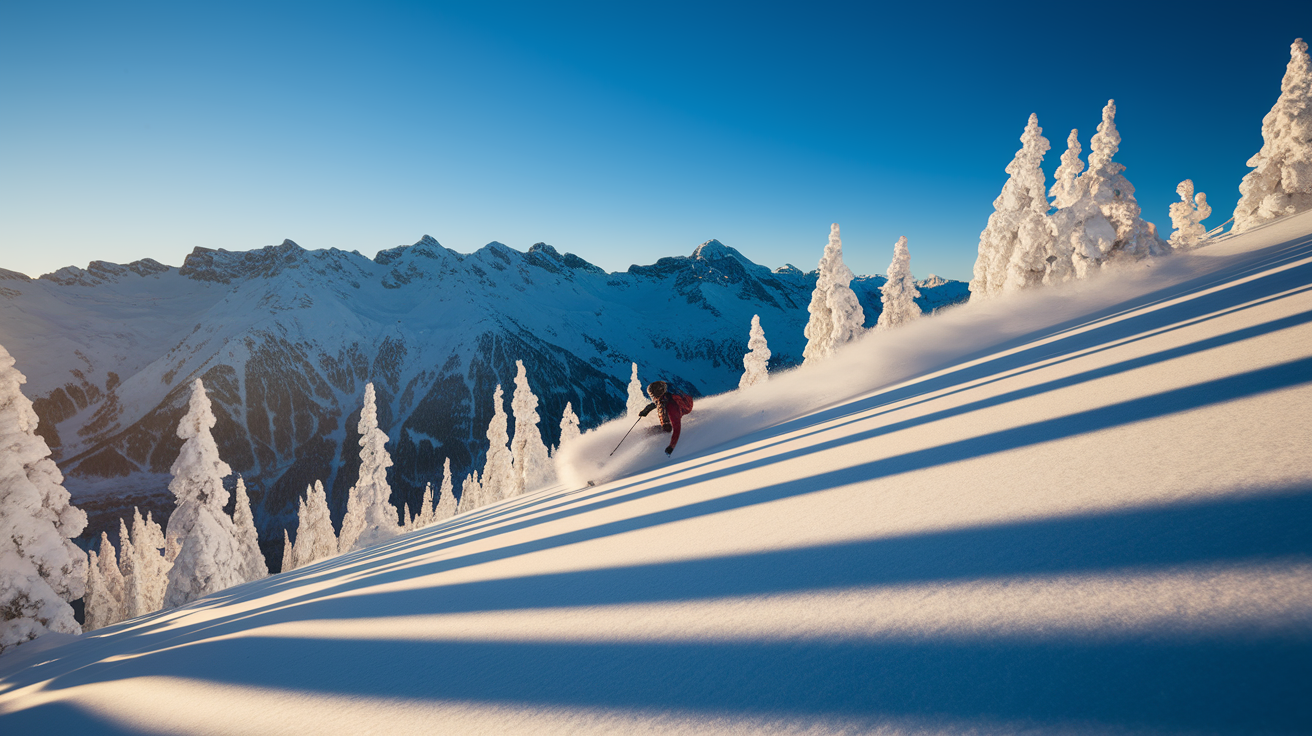
Just imagine you’re carving through pristine powder that locals call “Japow”—the lightest, driest snow on earth. Between runs, you’re soaking in natural hot springs with snow falling around you. After skiing, you’re savoring authentic ramen in a 700-year-old village. This isn’t a fantasy—it’s a typical day skiing the Japanese Alps.
While most skiers flock to the same crowded European and North American resorts, the Japanese Alps offer something extraordinary: world-class skiing combined with authentic cultural experiences and legendary hospitality. The snow quality here consistently ranks among the best globally, thanks to cold Siberian air masses picking up moisture over the Sea of Japan before dumping it on these mountains.
What makes Japanese Alps skiing truly special? Beyond the incredible powder, you’ll find resorts that blend cutting-edge lift systems with centuries-old traditions. You can ski Olympic-caliber slopes in the morning, soak in therapeutic hot springs in the afternoon, and feast on regional specialties by evening—all without the attitude or price tags of typical luxury ski destinations.
This guide reveals six exceptional skiing spots across the Japanese Alps, from the famous Olympic slopes of Hakuba Valley to hidden powder stashes in Myoko Kogen. Whether you’re an advanced skier chasing steep terrain or a family seeking gentle slopes and cultural immersion, you’ll discover your perfect Japanese powder paradise here.
Hakuba Valley: The Olympic Champion’s Playground
Why Hakuba Valley Stands Out
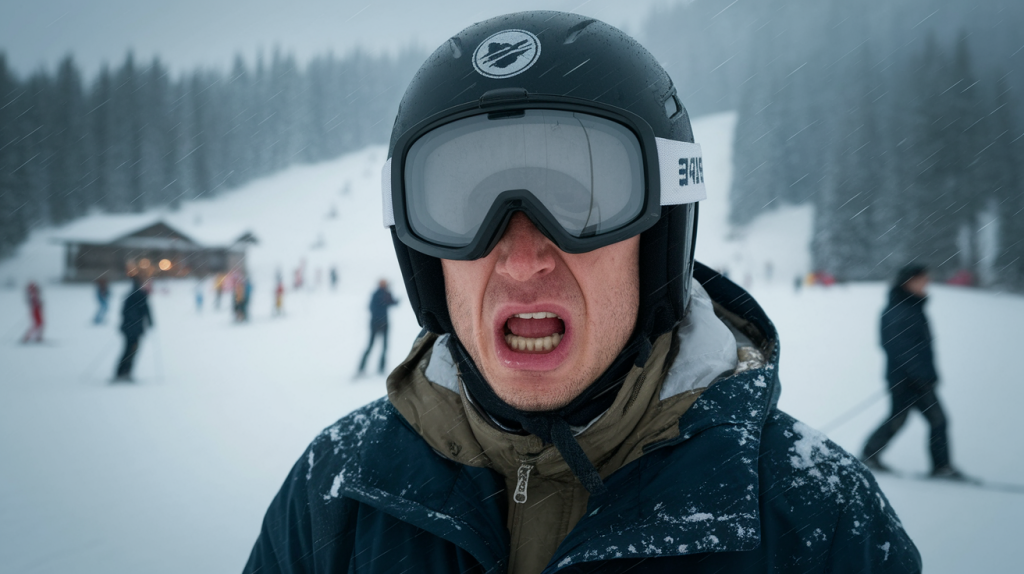
Hakuba Valley delivers what every serious skier dreams about: massive terrain variety, reliable powder, and seamless access to multiple world-class resorts. This isn’t just marketing hype—the 1998 Winter Olympics were held here, putting these slopes on the global stage. When the International Olympic Committee chooses your mountains, you know the skiing is legitimate.
The valley hosts 10 interconnected ski resorts covering over 200 runs, all accessible with one convenient valley pass. This means you can ski a different mountain every day for over a week without repeating terrain or dealing with multiple ticket purchases. The diversity is remarkable—from gentle beginner slopes to Olympic downhill courses that challenge even expert skiers.
Getting here is surprisingly straightforward. Take the 90-minute bullet train from Tokyo to Nagano (yes, the same train technology that makes Japan famous), then hop on a one-hour bus directly to Hakuba Valley. No rental car required, no complicated transfers—just smooth, efficient Japanese transportation delivering you straight to powder paradise.
Best Resorts Within Hakuba Valley
Happo-One stands as the crown jewel for advanced skiers. This resort hosted the Olympic downhill and super-G events, and those runs remain open to the public. The terrain here is serious—steep, technical, and absolutely thrilling when conditions align. The summit sits at 1,831 meters, offering panoramic views of the Northern Alps that’ll make you pause mid-run just to take it all in.
Cortina provides the complete opposite experience, making it perfect for families and intermediate skiers. The tree runs here are legendary—wide-spaced forests that protect you from wind while creating that magical “skiing through a snow globe” feeling. The resort maintains a more relaxed vibe than its Olympic neighbor, with shorter lift lines and a welcoming atmosphere for skiers still building confidence.
Hakuba 47 caters specifically to snowboarders and freestyle enthusiasts, though traditional skiers will find plenty to love. The terrain parks here rank among Japan’s best, with features ranging from beginner boxes to massive kickers that attract professional riders. The natural terrain offers excellent variety too, with everything from gentle cruisers to challenging mogul fields.
Essential Tips for Visiting
January through February delivers the deepest, driest powder—this is when Hakuba truly earns its reputation. December offers excellent early-season conditions with smaller crowds, while March brings warmer temperatures and spring skiing that’s perfect for beginners who prefer softer snow.
For accommodations, you face an enjoyable dilemma: ski-in/ski-out convenience at resort hotels or authentic village experiences in Hakuba town. Resort hotels put you on the slopes instantly but cost more and limit your cultural immersion. Village accommodations offer better value, amazing restaurants, and that genuine Japanese atmosphere—just add a 10-minute shuttle ride to your morning routine.
The valley pass system works brilliantly. Buy one pass, ski all resorts. Shuttles run regularly between mountains, typically every 30-60 minutes. Download the Hakuba Valley app for real-time shuttle tracking and resort conditions—it’s available in English and eliminates the guesswork from multi-resort skiing.
Nozawa Onsen: Traditional Village Charm Meets Epic Skiing
The Complete Nozawa Experience
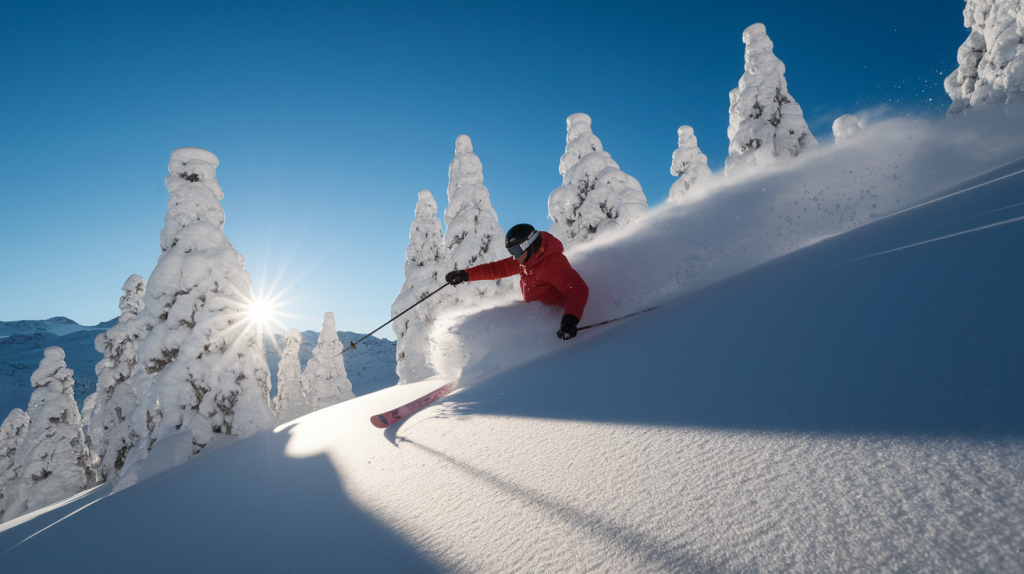
Nozawa Onsen isn’t just a ski resort—it’s a living piece of Japanese history that happens to have incredible skiing attached. This village has hosted hot spring bathers for over 700 years, and walking its narrow streets feels like stepping back in time. Traditional wooden buildings line cobblestone paths, steam rises from 13 free public hot springs scattered throughout town, and locals still practice centuries-old customs.
The skiing covers 50 kilometers of varied terrain spread across a mountain that rises 1,085 meters above the village. This vertical drop creates long, satisfying runs that let you really get into a rhythm. Unlike some resorts where you’re constantly stopping and starting, Nozawa’s layout encourages extended cruising sessions that build leg strength and confidence.
What sets Nozawa apart from other Japanese resorts is how seamlessly it integrates skiing with cultural experiences. You can literally ski down to the village, walk to an onsen in your resort wear, soak away muscle soreness, then grab dinner at a family-run restaurant that’s been serving the same recipes for generations. This combination of world-class skiing and authentic Japanese culture doesn’t exist anywhere else.
What Makes the Skiing Amazing
Intermediate skiers find paradise here. The long, sweeping runs feature consistent pitches perfect for practicing technique without intimidating steepness. The Nagasaka Zone offers particularly beautiful cruising terrain with wide-open slopes and spectacular views of the surrounding Alps.
Advanced skiers shouldn’t dismiss Nozawa as too mellow, though. The tree skiing delivers exceptional powder experiences, especially after fresh snowfall. The Yamabiko Zone features tight tree runs that demand technical skill and quick reflexes. Additionally, the Uenotaira Zone provides challenging mogul fields and steeper pitches that’ll test your abilities.
Night skiing extends your adventure time until 8:30 PM on select runs. There’s something magical about carving through illuminated slopes while snow falls through the lights. It’s also practical—you can explore the village during busy afternoon hours, then return for evening runs when crowds thin out.
Beyond the Slopes
Onsen etiquette is simpler than you think. Wash thoroughly at the cleaning stations before entering the bath (sitting on provided stools). Remove all clothing—swimsuits aren’t allowed in traditional onsens. Enter the hot water gradually, soak quietly, and respect other bathers’ space. That’s it. The locals appreciate visitors who make the effort to follow customs, and the therapeutic benefits of mineral-rich hot springs after skiing are genuinely incredible.
The local food scene centers on two specialties: nozawana pickles and sake. Nozawana is a leafy green vegetable pickled using traditional methods, creating a tangy, slightly spicy flavor that perfectly complements rich winter dishes. The local sake breweries have perfected their craft over centuries, producing smooth, complex varieties you won’t find anywhere else.
The Jigokudani Snow Monkey Park sits just 30 minutes away by bus. Wild Japanese macaques soak in natural hot springs here, creating one of the world’s most unique wildlife viewing experiences. Watching snow monkeys relax in steaming pools while snow falls around them makes for an unforgettable day trip between ski sessions.
Shiga Kogen: Japan’s Largest Ski Resort Paradise
Understanding Shiga Kogen’s Scale
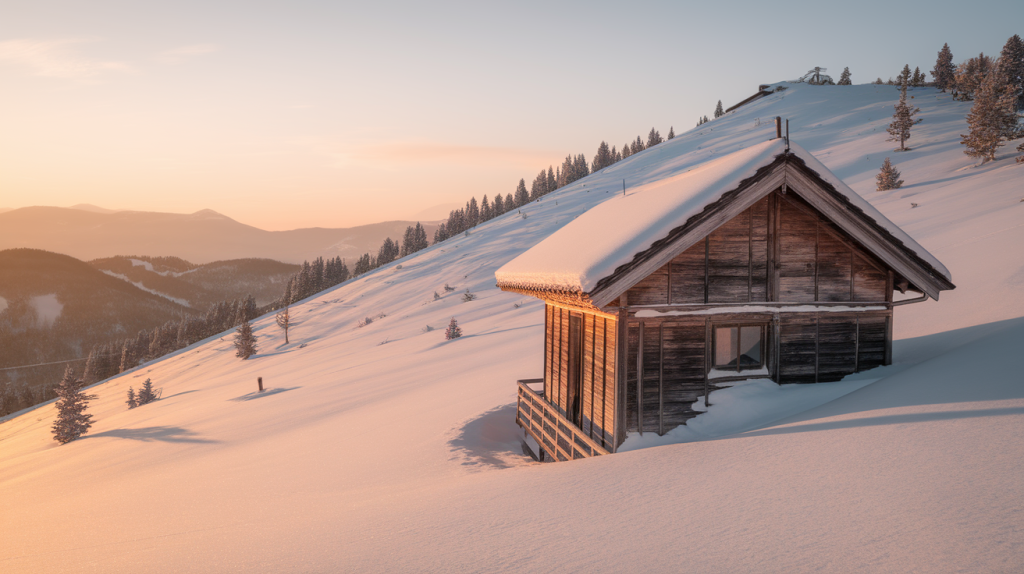
Shiga Kogen operates on a different level entirely—it’s Japan’s largest ski resort, sprawling across 19 interconnected ski areas covering 80 runs. The sheer size initially overwhelms first-time visitors, but that massive scale becomes the resort’s greatest asset once you understand the layout. You can ski here for a week and discover new terrain every single day.
The elevation works in your favor. Shiga Kogen sits higher than most Japanese resorts, with base elevations starting around 1,500 meters and peaks reaching 2,307 meters. This altitude delivers reliable snow conditions throughout the entire season, from December through May. When lower resorts struggle with rain or heavy, wet snow, Shiga Kogen typically maintains perfect powder conditions.
The resort’s structure creates perfect conditions for skiers who hate changing accommodations. Pick one centrally-located hotel, and you can access completely different terrain every day via the interconnected lift system. No packing and unpacking, no checking in and out, no wasting vacation time on logistics—just skiing.
Navigating This Ski Paradise
The lift pass system covers all 19 areas with one ticket, making the entire mountain your playground. The key to maximizing this access is understanding the resort’s geography. The areas cluster into three main zones: Central, North, and South. Each zone offers distinct characteristics and connects to the others via lifts, trails, or short shuttle buses.
Beginners should focus on the Central Zone, particularly the Ichinose Family and Sun Valley areas. These sections feature gentle, wide-open slopes perfect for building confidence. The terrain progresses logically from very easy to moderate, allowing steady skill development without sudden difficulty jumps that intimidate learning skiers.
Advanced skiers will find their challenges in the North Zone, especially the Yakebitai and Okushiga areas. These sections feature steeper pitches, mogul fields, and tree skiing opportunities. The Yokoteyama area, accessible via ropeway, delivers the resort’s most dramatic terrain with stunning 360-degree Alpine views from the summit.
Practical Planning Advice
Effective time management makes or breaks your Shiga Kogen experience. Start each day by checking the resort map and conditions report, then choose 2-3 areas to explore thoroughly rather than trying to ski everything. This focused approach lets you actually enjoy the terrain instead of spending your day navigating between areas.
For accommodations, the Ichinose area offers the best central access. Hotels here put you within easy reach of all three zones, with multiple lifts and shuttle stops nearby. The Hasuike area provides another excellent option, sitting at the junction between Central and North zones. Both locations offer traditional Japanese hotels with onsen facilities and excellent restaurants.
Transportation from major cities is straightforward but requires planning. From Tokyo, take the Hokuriku Shinkansen to Nagano Station (90 minutes), then catch the direct express bus to Shiga Kogen (70 minutes). Buses run multiple times daily during ski season, and the route delivers stunning mountain views. From Nagano, you can also arrange private shuttle services if you’re traveling with a group or have lots of gear.
Hidden Gems: Myoko Kogen and Beyond
Myoko Kogen: The Powder Hunter’s Secret
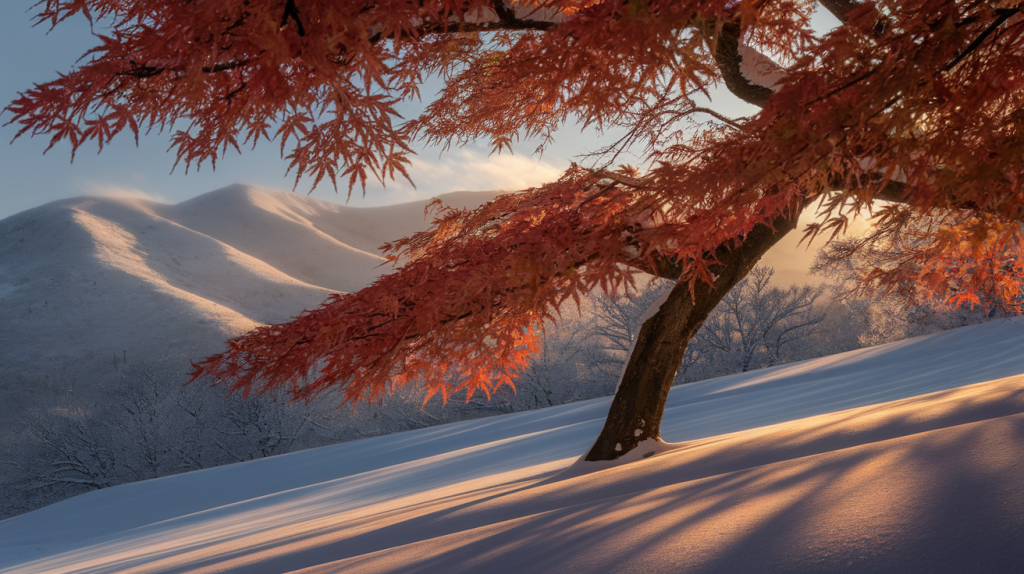
Myoko Kogen receives some of Japan’s deepest snowfall—we’re talking 10-13 meters annually. That’s over 40 feet of snow burying these mountains each winter. The geography creates this powder paradise: Myoko sits directly in the path of moisture-laden storms rolling off the Sea of Japan, which dump their entire load on these peaks.
The crowds haven’t discovered Myoko yet, which means more powder for you. While Hakuba and Niseko get packed with international tourists, Myoko maintains that local feel where you can actually find fresh tracks hours after snowfall. Lift lines rarely exceed five minutes, even on weekends. You spend your day skiing, not waiting.
The resort structure includes several distinct areas: Akakura Onsen, Akakura Kanko, Myoko Suginohara, and Seki Onsen. Each operates independently but sits close enough for easy day trips. This setup lets you choose your accommodation based on atmosphere preferences—lively village scene or quiet mountain retreat—while maintaining access to all terrain.
Backcountry access sets Myoko apart from more regulated Japanese resorts. The resort boundaries connect directly to extensive sidecountry and backcountry terrain. Hire a local guide (essential for safety and navigation), and you’ll access powder stashes that see maybe a dozen skiers all season. The tree skiing here ranks among Japan’s absolute best—perfectly spaced evergreens holding champagne powder that stays fresh for days.
Rising Stars Worth Exploring
Cortina d’Ampezzo (not to be confused with the Italian resort) brings European boutique resort vibes to the Japanese Alps. This smaller operation focuses on quality over quantity, maintaining immaculate grooming and providing personalized service that larger resorts can’t match. The terrain suits intermediates particularly well, with long cruising runs and stunning mountain views. The resort’s location in northern Nagano Prefecture means lighter crowds and authentic Japanese atmosphere.
Tsugaike Kogen delivers family-friendly skiing with a twist—it’s also a designated UNESCO Biosphere Reserve, meaning the natural environment here receives special protection. The result is pristine wilderness surrounding well-maintained ski runs. The beginner area, called Tsugaike Panorama, features Japan’s longest beginner run at 4.9 kilometers. Kids and learning adults can build confidence on this gentle, scenic descent without ever feeling overwhelmed. The upper mountain offers more challenging terrain for advanced family members, preventing boredom while the group develops skills together.
Both resorts maintain that authentic Japanese character increasingly rare at international destinations. English signage exists but isn’t dominant. Restaurant menus feature local specialties alongside standard ski resort fare. Staff members genuinely care about your experience rather than just processing transactions. These details create memorable experiences that transcend just the skiing.
Essential Planning Tips for All Locations
Peak powder season runs January through February across all Japanese Alps resorts. This window delivers the coldest temperatures, driest snow, and most consistent conditions. December offers excellent early-season skiing with smaller crowds and lower prices—perfect if you’re flexible on travel dates. March brings spring skiing conditions: warmer temperatures, softer snow, and longer daylight hours that suit families and casual skiers.
Pack layers rather than bulky single pieces. Japanese resort facilities are heated and comfortable, so you’ll constantly adjust clothing throughout the day. A quality base layer, insulating mid-layer, and waterproof shell system works better than one heavy jacket. Don’t forget hand warmers—available at every convenience store—which make chairlift rides comfortable even on the coldest days.
Lift pass savings add up quickly with advance planning. Most resorts offer early-bird discounts for passes purchased 30+ days before arrival. Multi-day passes provide better per-day rates than single-day tickets. If you’re skiing multiple resorts within one region, regional passes (like Hakuba Valley’s) deliver significant savings versus buying individual resort tickets.
Transportation becomes simple with Japan Rail Passes for visitors making multiple trips. The 7-day pass costs about the same as a round-trip Tokyo-Nagano bullet train ticket, making it valuable even for single ski trips when you factor in airport transfers and regional trains. Local buses connect most ski resorts to train stations, and schedules coordinate with train arrivals—the Japanese efficiency you’ve heard about is real and makes ski travel remarkably stress-free.
Your Japanese Alps Skiing Adventure Awaits
The Japanese Alps deliver skiing experiences you simply can’t replicate anywhere else on earth. Hakuba Valley’s Olympic slopes provide world-class terrain with convenient multi-resort access. Nozawa Onsen combines excellent skiing with authentic cultural immersion in a 700-year-old village. Shiga Kogen’s massive scale ensures you’ll never ski the same run twice during your entire trip. Myoko Kogen offers powder hunters those secret stashes and uncrowded slopes. Cortina d’Ampezzo and Tsugaike Kogen round out the options with boutique experiences and family-friendly terrain.
What ties these destinations together is that perfect blend of exceptional skiing, rich cultural experiences, and genuine Japanese hospitality. You’re not just checking another ski resort off your list—you’re immersing yourself in a completely different approach to winter sports where tradition and modernity coexist seamlessly.
The December through March window represents your ideal planning timeframe, with January and February delivering the deepest powder. Book accommodations as early as possible, especially for peak season dates—Japanese ski resorts have limited lodging compared to European and North American destinations, and the best properties fill up months in advance.
Transportation planning deserves attention but isn’t complicated. Research Japan Rail Pass options for your specific itinerary, book bullet train tickets in advance during peak season, and download resort shuttle schedules before arrival. These simple steps eliminate stress and let you focus on the actual skiing.
Start planning your Japanese Alps adventure today. Save this guide for reference when booking your trip. Research specific resorts based on your skill level and preferences. Check current snow conditions and webcams to build excitement. Most importantly, prepare yourself for powder skiing and cultural experiences that’ll redefine what you expect from a ski vacation.
The Japanese Alps are calling. Your epic winter adventure awaits on these incredible mountains where Olympic champions train, powder accumulates by the meter, and every day ends with a therapeutic soak in natural hot springs. Pin this guide, start planning, and get ready to discover why savvy skiers are choosing Japan over traditional destinations. Your perfect powder day is waiting in the Japanese Alps.