5 Best Japanese Forest Therapy Spots

You know that feeling when you step into a forest and immediately breathe deeper? That’s not just your imagination—it’s science.
And nobody understands this better than the Japanese, who’ve transformed forest walking into a legitimate wellness practice called shinrin-yoku, or forest therapy.
I’m talking about something way more powerful than your average nature hike. Forest therapy is a deliberate, slow-paced immersion in forest environments that’s been proven to reduce stress hormones, boost immune function, and lower blood pressure.
Japan has certified over 60 official Forest Therapy Bases and Roads across the country, each scientifically verified to deliver maximum health benefits.
Here’s the thing: planning a forest therapy adventure in Japan can feel overwhelming, especially if you’re worried about language barriers or don’t know where to start.
You want the authentic experience, but you also need practical information about accessibility, safety, and what to actually expect when you get there.
That’s exactly what this guide delivers. I’ve researched the five best Japanese forest therapy spots that balance stunning natural beauty with practical accessibility. Whether you’re a beginner testing the waters or an experienced outdoor enthusiast seeking your next adventure, these locations offer unforgettable experiences that’ll leave you feeling refreshed, restored, and deeply connected to nature.
What is Forest Therapy and Why Japan Does It Best
The Science Behind Shinrin-Yoku
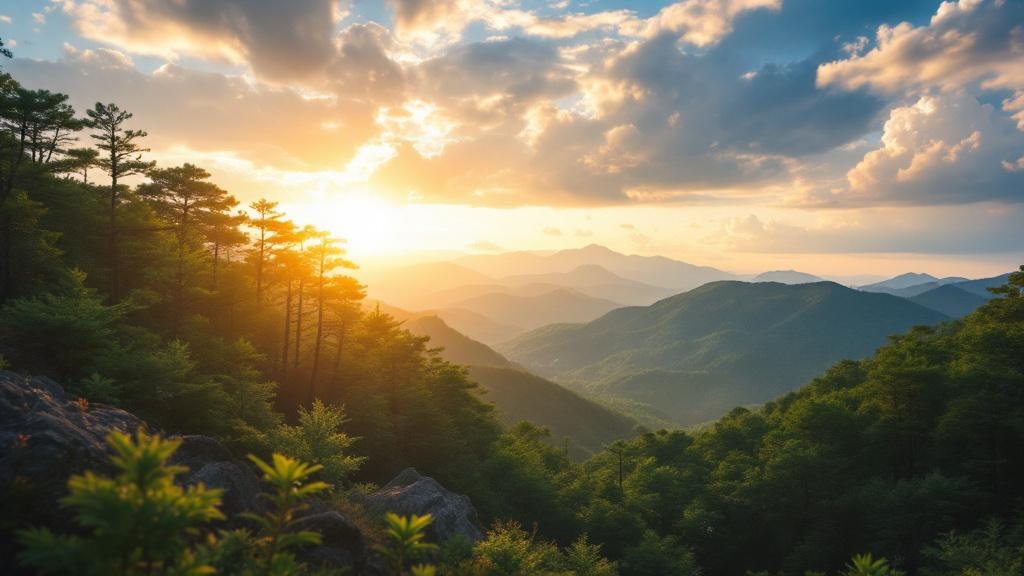
Let’s cut through the wellness buzzwords and talk real science. Forest therapy isn’t just pleasant—it’s physiologically transformative. When you spend time in forests, your body responds in measurable ways.
Studies show that shinrin-yoku reduces cortisol (your stress hormone) by up to 12.4%, lowers blood pressure, and increases natural killer cells that fight disease.
The secret? Phytoncides. These are natural oils that trees release to protect themselves from insects and decay. When you breathe them in, your immune system kicks into higher gear.
Japanese researchers have documented increased anti-cancer protein production after just a single forest therapy session. We’re talking about real, quantifiable health benefits that last for days after your visit.
Safety concerns? Official Forest Therapy Bases are professionally monitored and maintained. These aren’t wild, unmarked trails—they’re carefully designed paths with clear signage, regular maintenance, and certified guides available at most locations. The terrain is beginner-friendly, with options for different fitness levels.
How Forest Therapy Differs from Regular Hiking
Here’s where people get confused. Forest therapy isn’t hiking with a fancy name—it’s fundamentally different. When you hike, you’re goal-oriented: reaching the summit, covering distance, beating your time. Forest therapy flips that script entirely.
You move slowly and intentionally, typically covering just 2-3 kilometers over 2-4 hours. That’s not a typo. You might spend 15 minutes simply sitting beside a stream, focusing on the sound of water.
You’ll pause to touch tree bark, smell the forest air, and notice the way light filters through leaves. Certified guides lead sensory exercises: breathing techniques, meditation spots, even lying down on the forest floor.
The gear difference matters too. Forget technical hiking boots and performance fabrics. Comfortable walking shoes and relaxed clothing work better because you’re not pushing your body—you’re opening your senses. You won’t need trekking poles, GPS devices, or energy gels. Just water, a light snack, and an open mind.
Japan’s Official Forest Therapy Certification System
Japan takes forest therapy seriously enough to certify it. The Forest Therapy Society uses rigorous scientific standards to designate official bases and roads.
They measure phytoncide levels, test physiological responses in visitors, and verify that locations deliver consistent health benefits.
What makes a forest qualify? It needs specific tree density, appropriate terrain for slow walking, verified air quality, and demonstrated stress-reduction effects. Locations undergo regular testing and monitoring. This certification matters because it guarantees you’re getting authentic forest therapy, not just a nice walk in the woods.
This system also ensures your safety. Certified locations have emergency protocols, clear trail markings, and regular maintenance schedules. You’re exploring nature, but you’re never truly alone or at risk.
#1 – Akagi Nature Park, Gunma: The Beginner-Friendly Mountain Escape

Why This Spot Stands Out
Akagi Nature Park delivers everything you want in your first forest therapy experience. This official Forest Therapy Base sits at the base of Mount Akagi, offering breathtaking volcanic landscapes wrapped in ancient cedar forests. The mountain backdrop creates an epic setting without requiring technical climbing skills.
Located just two hours from Tokyo by car, Akagi makes weekend forest therapy adventures totally doable. You’ll discover multiple trail options designed for different fitness levels—from gentle lakeside walks to moderate forest paths with scenic viewpoints. The trails are well-maintained and clearly marked, perfect for families and beginners who need that extra confidence boost.
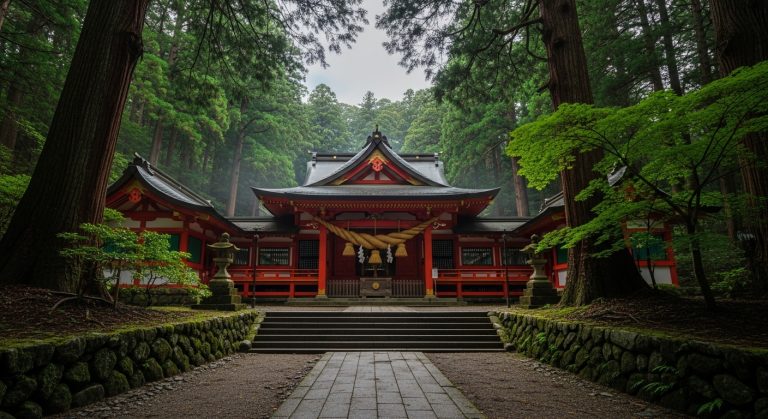
The ancient cedar groves here are stunning. We’re talking trees that have stood for centuries, creating cathedral-like spaces where sunlight filters through in golden shafts. The volcanic soil supports unique plant life you won’t find in other Japanese forests, making every turn a discovery.
What to Expect During Your Visit
The trails here range from easy to moderate, with the most popular routes taking 2-3 hours at forest therapy pace. Spring brings wildflowers that carpet the forest floor in color. Autumn transforms the landscape into a breathtaking display of reds, oranges, and golds. Winter offers serene snow-covered scenes that feel like stepping into a Japanese watercolor painting.
Plan for a half-day minimum, though a full day lets you truly immerse yourself in the experience. The park includes well-maintained facilities—clean restrooms, picnic areas, and visitor centers where you can get trail maps and information.
Best times to visit? May through June for spring blooms, late October through early November for peak autumn colors. Summer works too, though it’s more crowded and humid. Winter visits require warm layers but reward you with solitude and stunning snow-draped forests.
Planning Your Adventure
Getting There: Drive from Tokyo (about 2 hours via Kanetsu Expressway) or take the JR Joetsu Shinkansen to Jomo-Kogen Station, then a local bus. Rental cars give you the most flexibility for exploring the area.
Language Considerations: Services are Japanese-only, but don’t let that stop you. Trail signage uses clear symbols and color-coding. Download a translation app and bring offline maps. The trails themselves are intuitive to follow.
What to Bring: Comfortable walking shoes (not hiking boots), layered clothing, water bottle, light snacks, small towel, insect repellent in summer, and your camera. Skip the heavy backpack—you won’t need it.
Where to Stay: Nearby Maebashi City offers hotels and ryokan (traditional inns). For the ultimate experience, book an onsen resort at the base of Mount Akagi and combine forest therapy with hot spring soaking.
Weather varies by season, so check forecasts and plan accordingly. Spring and fall offer the most comfortable conditions for extended outdoor time.
#2 – Okutama, Tokyo: The Wild Side of the Capital
Urban Adventurers’ Paradise
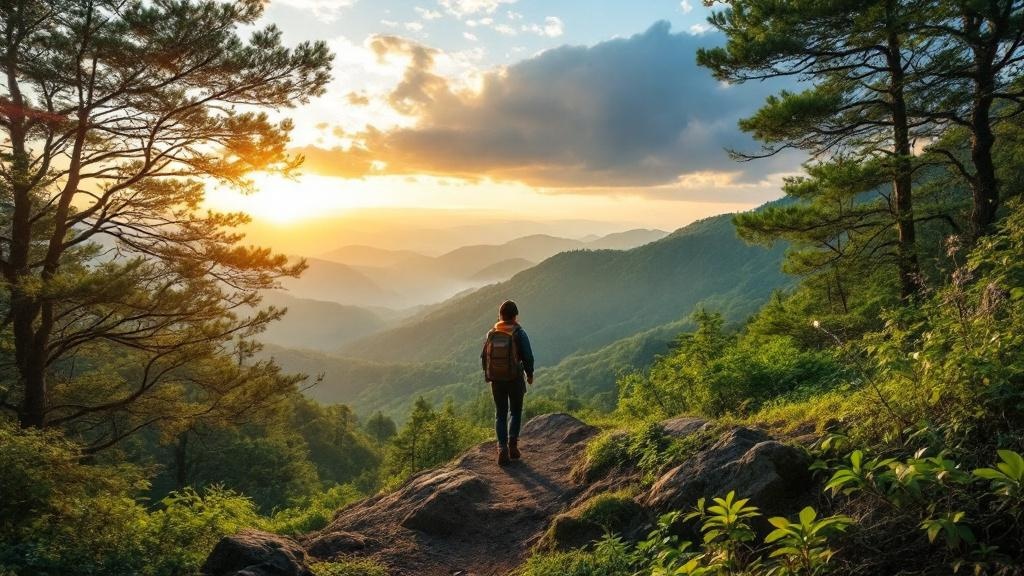
Here’s the game-changer: you can experience world-class forest therapy less than two hours from central Tokyo. Okutama proves you don’t need to travel to remote locations for authentic shinrin-yoku. This official Forest Therapy Base offers wild mountain scenery, pristine river valleys, and—this is huge—English-speaking guides.
That language barrier that stops so many international visitors? Okutama solves it. You can book guided forest therapy sessions with English-speaking professionals who explain the practice, lead sensory exercises, and share insights about the local ecosystem. This makes Okutama perfect for first-time forest bathers who want expert guidance.
Families love Okutama because it combines accessibility with genuine adventure. The trails wind through breathtaking river valleys where clear water rushes over smooth stones. Mountain ridges offer stunning viewpoints without requiring serious climbing skills. You’ll feel like you’ve escaped to wilderness while remaining surprisingly close to urban conveniences.
Trail Highlights and Experiences
Okutama features multiple certified therapy roads with varying difficulty levels. The riverside walks are perfect for beginners and families—gentle, scenic, and endlessly peaceful. Mountain ridge trails offer moderate challenges with rewarding views. Every route includes designated meditation spots and rest areas where you can practice sensory exercises.
Seasonal waterfalls appear after rain, creating spectacular photo opportunities. The area’s biodiversity means you might spot Japanese macaques, various bird species, and colorful butterflies. Wildlife encounters here are safe and beginner-friendly—animals are accustomed to human presence and maintain respectful distances.
Photography enthusiasts will find endless inspiration. The interplay of light through forest canopy, misty morning valleys, and crystal-clear streams create stunning compositions. Bring your camera, but remember to put it down sometimes and just experience the moment.
Making the Most of Your Visit
Guided vs. Self-Guided: English-speaking tours run on weekends and holidays. They’re worth it for your first visit—guides teach you proper forest therapy techniques and point out details you’d otherwise miss. Self-guided works well once you understand the practice.
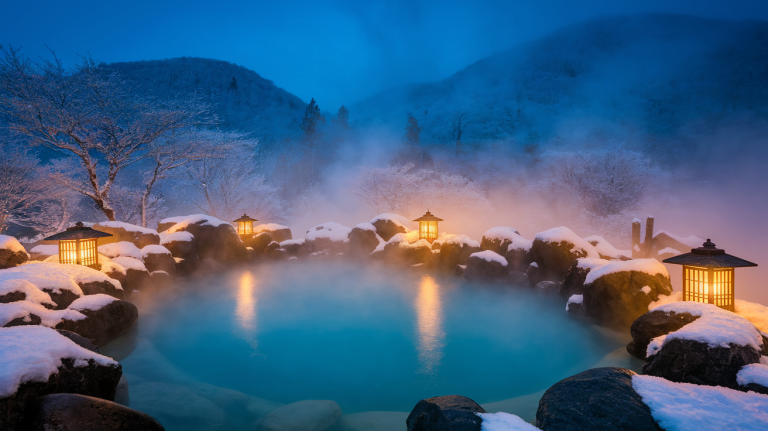
Combination Adventures: Pair your forest therapy session with a visit to local onsen. Several hot spring facilities sit within 15 minutes of the main forest therapy areas. The combination of forest bathing and hot spring soaking creates ultimate relaxation.
Family Considerations: The riverside trails are stroller-accessible in some sections. Older kids enjoy the adventure of forest exploration. Pack child-friendly snacks and plan for shorter sessions—kids benefit from forest therapy but need more frequent breaks.
Gear Knowledge: You actually need less than you think. Comfortable shoes, weather-appropriate clothing, water, and snacks cover it. Don’t overthink the equipment—simplicity is part of the practice.
Best seasons? Spring for fresh green forests, autumn for spectacular foliage. Summer offers lush growth but brings humidity and crowds. Winter is quieter and beautiful, though some trails may close after heavy snow.
#3 – Hinohara Village, Tokyo: The Hidden Gem for Deep Immersion

Off-the-Beaten-Path Exploration
Hinohara Village represents Tokyo’s wild side that most visitors never discover. This official Forest Therapy Road sits in Tokyo’s most forested village, offering authentic rural Japan alongside world-class forest therapy. While Okutama attracts weekend crowds, Hinohara remains blissfully quiet—perfect for those seeking solitude and deeper immersion.
The village atmosphere enhances the entire experience. Traditional wooden houses, small farms, and friendly locals create a sense of stepping back in time. This isn’t just forest therapy—it’s cultural immersion wrapped in nature. The epic old-growth forests here contain centuries-old trees that dwarf anything you’ll see in more accessible locations.
Pristine streams run through the forest, their water so clear you can count stones on the bottom. The sound of flowing water becomes your soundtrack, punctuated by bird calls and wind through leaves. This is where you truly disconnect from modern life and reconnect with something deeper.
What Makes This Location Special
The ancient tree groves here are extraordinary. Some specimens have stood for 300+ years, their massive trunks requiring several people to encircle. These trees create a presence you can feel—there’s a reason Japanese culture reveres old-growth forests as sacred spaces.
Multiple therapy courses accommodate different experience levels. Gentle valley walks suit beginners, while hillside trails offer moderate challenges with spectacular views. Every route passes through diverse forest ecosystems, from cedar groves to mixed hardwood forests to bamboo stands.
Local cultural experiences add depth to your visit. The village is known for traditional woodworking and crafts. Some farms offer stays where you can experience rural Japanese life firsthand. Seasonal festivals celebrate the connection between community and nature—if you time your visit right, you’ll witness traditions unchanged for generations.
The wildlife and biodiversity here surpass more developed areas. You’re in a genuine ecosystem where nature operates on its own terms. The variety of plant and animal life creates constant discovery.
Practical Visitor Information
Access Challenges: Here’s the reality—public transportation to Hinohara is limited. You’ll need a rental car for maximum flexibility. The drive from Tokyo takes about 90 minutes, following scenic mountain roads. This extra effort filters out casual visitors, preserving the area’s peaceful atmosphere.
Language Barrier: Services are Japanese-only, and locals speak limited English. But here’s the beautiful part—people are genuinely welcoming and helpful. Communication happens through smiles, gestures, and translation apps. The trails themselves need no translation.
Accommodation: Minshuku (family-run inns) offer authentic Japanese hospitality. Expect futon beds, shared baths, and home-cooked meals featuring local ingredients. Some locations allow camping for budget-conscious adventurers. Book ahead—options are limited.
Duration: Plan for full-day visits minimum. Overnight stays let you experience the forest at different times of day—early morning mist, afternoon light, and evening sounds create distinct atmospheres.
Combining Activities: Beyond forest therapy, Hinohara offers stream fishing, mountain hiking, and cultural workshops. You can easily spend 2-3 days exploring without running out of activities.
#4 – Minamiboso, Chiba: Coastal Forest Therapy Experience
Where Forest Meets Ocean
Minamiboso breaks the mountain forest mold by offering something unique—coastal forest therapy. This official Forest Therapy Base sits where forested mountains meet the Pacific Ocean, creating a rare combination of forest phytoncides and ocean breezes. You’ll discover viewpoints where you can see both dense forest and sparkling sea.
The location is incredibly accessible—just 90 minutes from Tokyo by express train. This makes Minamiboso perfect for weekend escapes when you want forest therapy benefits without extensive travel. The coastal setting also means milder weather year-round. Winters are warmer, summers are cooler, and the ocean breeze keeps humidity in check.
Families particularly love Minamiboso because it offers multi-activity options. After your forest therapy session, beaches are minutes away. Kids can play in the sand while adults relax with ocean views. This versatility makes Minamiboso ideal for families where not everyone is equally excited about forest bathing.
Unique Features and Attractions
The coastal forest ecosystem differs from inland locations. You’ll walk among tree species adapted to salt air and ocean winds, creating different textures and colors. The combination of forest air and ocean breeze feels distinctly refreshing—you’re getting phytoncides plus that crisp sea atmosphere.
Ocean views appear unexpectedly as trails wind through the forest. These viewpoints offer spectacular photo opportunities and natural meditation spots. There’s something powerful about experiencing forest and ocean simultaneously—two primal natural forces meeting.
Beyond forests, the area features flower fields that bloom throughout spring and summer. Agricultural landscapes add scenic variety—you’ll pass farms, orchards, and rural communities. The visual diversity keeps the experience fresh and engaging.
Local dining is a highlight. Coastal Chiba is famous for seafood, and farm-to-table restaurants serve ingredients harvested that morning. After forest therapy, treat yourself to fresh sushi or grilled fish paired with local vegetables. It’s the perfect way to complete your nature immersion experience.
Planning Your Coastal Forest Adventure
Best for: Families with varying interests, beginners nervous about mountain terrain, and anyone seeking milder weather conditions. The less extreme terrain makes Minamiboso accessible to a wider range of fitness levels.
Seasonal Advantages: Winter visits are surprisingly pleasant—temperatures rarely drop below comfortable levels. Summer heat is moderated by ocean breezes. Spring brings wildflowers, and autumn offers pleasant temperatures with fewer crowds than mountain locations.
Multi-Day Options: Beach resorts provide comfortable accommodations with ocean views. Camping facilities let budget-conscious travelers extend their stay. Many accommodations offer both forest access and beach proximity.
Activity Combinations: Create your perfect adventure by mixing forest therapy with surfing, beach walks, cycling through flower fields, or visiting local farms. This flexibility makes Minamiboso ideal for groups with different interests.
Getting There: Take the JR Uchibo Line express train from Tokyo Station directly to the area. Local buses connect to forest therapy trailheads. Rental cars provide more freedom to explore multiple locations.
Essential safety tips: Coastal weather changes quickly. Bring layers even in summer. Check tide schedules if combining forest and beach activities. Sun protection matters more here than in mountain forests—pack sunscreen and hats.
#5 – Atsugi, Kanagawa: The Convenient Day-Trip Destination
Perfect for Time-Strapped Adventurers
Atsugi solves the biggest obstacle to forest therapy—time. This certified location sits closest to Tokyo and Yokohama metro areas, making it ideal for testing forest therapy before committing to longer trips. You can leave Tokyo after breakfast, complete a meaningful forest therapy session, and return home for dinner.
The well-developed infrastructure here removes intimidation factors for beginners. Clear trail markings, maintained paths, excellent facilities, and regular ranger presence create a safe, comfortable environment. This is where you learn what forest therapy feels like without worrying about getting lost or facing challenging terrain.
Despite its accessibility, Atsugi delivers authentic wild forest experiences. You’ll walk among tall trees, cross mountain streams, and find quiet meditation spots far from urban noise. The contrast between easy access and genuine nature immersion makes Atsugi special.
Outdoor families with limited vacation time particularly benefit from Atsugi. You get quality nature time without sacrificing entire weekends to travel. Kids experience real forest adventure, and parents appreciate the convenience and safety features.
What to Experience
Terrain varies from gentle valley walks to moderate hill climbs. The variety means you can customize your experience based on energy levels and interests. Families with young children stick to flat routes, while more adventurous visitors tackle hillside trails with rewarding views.
Historic temples and shrines integrate naturally into forest trails, adding cultural depth to your nature immersion. These sacred sites have existed for centuries, creating connections between spiritual practice and natural environments. You’ll understand why Japanese culture sees forests as inherently spiritual spaces.
Seasonal highlights keep Atsugi interesting year-round. Spring brings cherry blossoms and fresh green growth. Summer offers lush forest canopy and cool stream valleys. Autumn delivers spectacular foliage, and winter provides quiet, contemplative atmospheres.
Guided programs and workshops run regularly—check the official website for schedules. These sessions teach proper forest therapy techniques and often include additional activities like nature crafts or meditation instruction.
Photography opportunities abound. The combination of natural beauty and cultural elements creates diverse compositions. Light filtering through trees, moss-covered stones, and traditional architecture provide endless inspiration.
Maximizing Your Day Trip
Time Management: Half-day visits (3-4 hours) provide meaningful forest therapy experiences. Full-day itineraries let you explore multiple trails and enjoy a leisurely pace with extended rest periods.
Public Transportation: Trains from Tokyo and Yokohama reach Atsugi in under an hour. Local buses connect to forest therapy trailheads. The entire journey is straightforward and well-signed.
Combining Attractions: Atsugi city offers cultural sites, excellent restaurants serving local Kanagawa cuisine, and shopping districts. You can easily fill a full day combining forest therapy with urban exploration.
Gear Storage: Visitor centers provide locker facilities for storing extra items. You can travel light from Tokyo, store unnecessary gear, and explore the forest unencumbered.
Weather Backup Plans: Nearby indoor attractions include museums, art galleries, and covered shopping areas. If weather turns bad mid-visit, you have options.
Tips for first-time forest therapy practitioners: Start with a shorter route to understand your pace. Don’t rush—the goal is sensory immersion, not distance. Leave your phone on silent (or airplane mode) to minimize distractions. Trust the process even if it feels strange at first. The benefits become apparent as you relax into the experience.
—
Ready to experience the transformative power of Japanese forest therapy? These five locations offer the perfect introduction to shinrin-yoku, combining scientific wellness benefits with breathtaking natural beauty. Whether you choose the convenient day trip to Atsugi or the immersive escape to Hinohara Village, you’ll discover why Japan has perfected the art of forest bathing. Start planning your forest therapy adventure today—your mind and body will thank you.