19 Simple Packing Tips to Make Your Travel Better!

We’ve all been there—standing in front of an overflowing suitcase at 2 AM, desperately trying to zip it closed while wondering if you really need five pairs of shoes for a weekend trip. Or worse, arriving at your destination only to realize you forgot something essential.
The truth is, smart packing makes or breaks your travel experience. Poor packing creates stress before you even leave home, leads to excess baggage fees, and leaves you fumbling through a disorganised mess every time you need something.
On the flip side, strategic packing transforms your entire journey—you breeze through airports, find what you need instantly, and actually enjoy the process.
Here’s what you’ll discover in this guide: 19 proven packing tips that actually work in real-world travel situations. These aren’t complicated hacks that require special equipment or hours of preparation. They’re simple, effective strategies that seasoned travelers use every single time they pack.
The best part? You can implement these techniques for your next trip, whether you’re heading out for a quick weekend getaway or embarking on a month-long adventure. By the end of this article, you’ll have a complete system for stress-free packing that saves time, space, and sanity. Let’s dive in and revolutionize the way you pack.
Essential Pre-Packing Strategies That Save Time

Make a Simple Packing List First
Before you touch a single item of clothing, create a packing list. This one step prevents both forgotten essentials and the dreaded overpacking spiral. When you pack without a list, you rely on memory and anxiety—a combination that leads to throwing in “just one more thing” repeatedly.
The quick method that works: Open your phone’s notes app and start a list right now. Break it into categories: clothing, toiletries, electronics, documents, and miscellaneous. As you think of items throughout the week before your trip, add them immediately. This running list captures everything without the last-minute panic.
Here’s the pro tip that saves you hours in the long run: Create a master packing list template you can reuse for every trip. After your next journey, note what you actually used and what stayed packed. Refine your master list based on this real data. Within three trips, you’ll have a personalized template that’s perfectly calibrated to your travel style.
Check the Weather and Plan Smart
Weather forecasting transforms packing from guesswork into strategy. Check the 10-day forecast for your destination one week before departure, then again the day before you leave. This gives you accurate information without obsessing over predictions that might change.
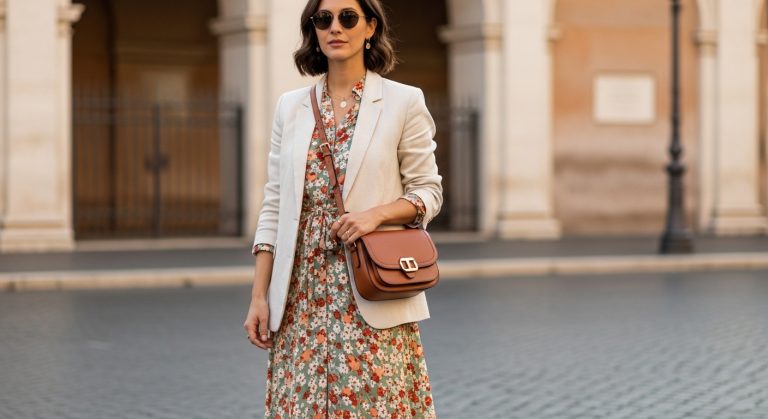
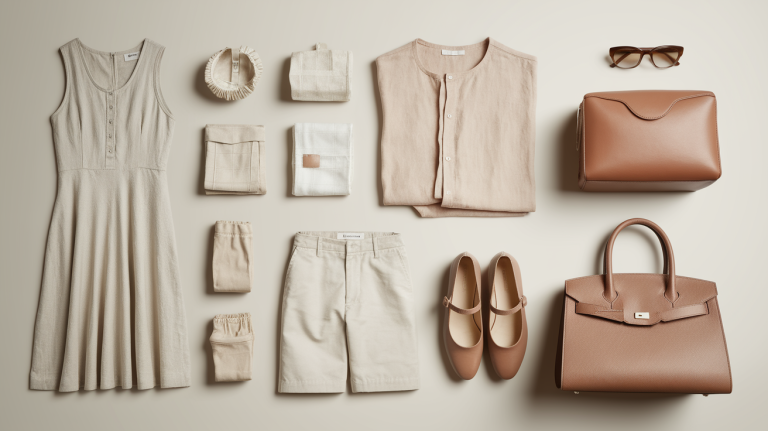
The perfect strategy involves mix-and-match clothing pieces in a coordinated color palette. Choose a base color (black, navy, or khaki) and build around it with two or three accent colors. Every top should work with every bottom—this multiplies your outfit options while minimizing what you pack.
Avoid the common mistake of packing “just in case” items. That formal dress for a dinner that might happen? The extra sweater in case it gets cold? These items consume valuable space based on unlikely scenarios. Pack for what you’ll definitely do, not what you might possibly do. If an unexpected situation arises, you can always find a solution at your destination.
Choose the Right Luggage for Your Trip
Matching bag size to trip length and destination makes everything easier. For trips under five days, a carry-on suitcase or large backpack works perfectly. Week-long trips fit comfortably in a medium checked bag. Longer journeys might require a large suitcase, but consider doing laundry mid-trip to keep your luggage manageable.
The carry-on versus checked luggage decision depends on your specific trip. Carry-on-only travel eliminates baggage fees, prevents lost luggage, and speeds up your airport experience. However, checked luggage makes sense for trips requiring special equipment, liquid toiletries, or formal clothing that wrinkles easily.
Look for amazing space-saving luggage features: compression zippers that reduce bag thickness by 20%, built-in organizational compartments, and expandable sections for souvenirs. Quality luggage with four spinner wheels maneuvers effortlessly through crowded airports, while durable materials protect your belongings through rough handling.
Proven Clothing Organization Techniques

The Rolling Method vs. Folding: What Works Best
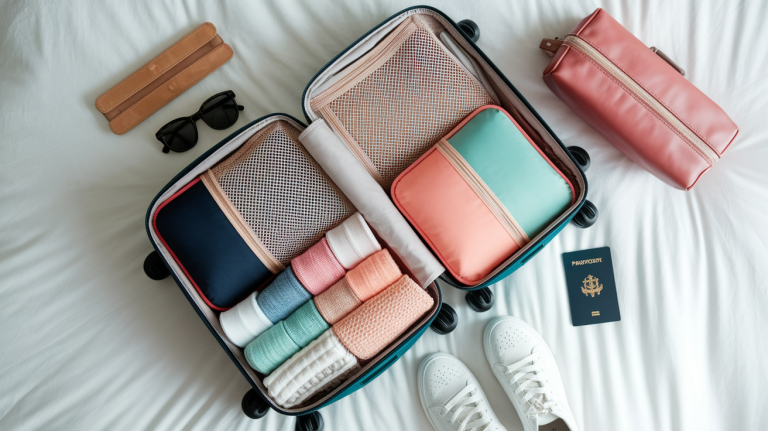
The rolling technique delivers real results for most travelers. Roll each garment tightly from bottom to top, smoothing out wrinkles as you go. This method works exceptionally well for casual clothing like t-shirts, jeans, shorts, and workout gear. Rolled items pack more compactly than folded ones and create fewer creases in wrinkle-resistant fabrics.
However, folding is actually better than rolling for certain items. Dress shirts, blazers, and structured garments maintain their shape better when folded properly. Use tissue paper between folds to prevent sharp creases. Dresses and skirts also benefit from careful folding rather than rolling, which can create difficult-to-remove wrinkles in delicate fabrics.
The winning approach combines both methods for maximum space efficiency. Roll your casual everyday items and pack them along the bottom and sides of your suitcase. Fold your nicer pieces and layer them flat on top. This hybrid system gives you the space-saving benefits of rolling while protecting your more delicate garments.
Use Packing Cubes for Complete Organization
Packing cubes are absolute game-changers for travelers who value organization. These lightweight fabric containers compartmentalize your suitcase, transforming it from a jumbled mess into a organized system. Research shows travelers using packing cubes save an average of 30% more space compared to traditional packing methods.
The simple system that works: Organize by clothing type or by outfit. The clothing-type method uses one cube for tops, another for bottoms, and a third for undergarments and socks. The outfit method packs complete daily outfits together, perfect for travelers who want to grab-and-go each morning. Choose the system that matches your travel style.
The quick-access benefit changes everything. Need a specific shirt? Pull out the relevant cube, find your item, and return the cube without disturbing everything else. This organization shines during multi-destination trips—you can remove cubes for items you won’t need at certain stops, leaving them in your hotel safe or car trunk.
The Capsule Wardrobe Approach for Travel
Creating versatile outfits with minimal pieces is the foundation of smart travel packing. Start with 5-7 bottoms and 7-10 tops that all coordinate together. This combination generates dozens of different outfit possibilities while occupying minimal suitcase space.
The essential color coordination trick: Choose one neutral base color and two accent colors maximum. For example, pack black or navy bottoms with tops in white, gray, and one bold color like red or teal. Every piece works with every other piece, eliminating the “I have nothing to wear” feeling despite packing light.
You can pack seven days of outfits in minimal space using this approach. Three pairs of pants, two shorts, five tops, two dresses (that also work as long shirts with pants), and one cardigan create endless combinations. Add two pairs of shoes—comfortable walking shoes and dressier options—and you’re set for any situation.
Bundle Wrapping for Wrinkle-Free Clothes
Bundle wrapping is an effective technique that keeps delicate items wrinkle-free during travel. This method involves wrapping clothes around a central core object, creating a single bundle that minimizes fold lines and creases. Professional travelers and flight attendants swear by this technique for business attire.
Here are easy instructions for wrapping delicate items: Place your core object (a toiletry bag or packing cube) in the center of your largest garment, like a dress or blazer. Layer progressively smaller items on top, alternating the direction of each piece. Wrap the edges of each garment around the core, creating a secure bundle. The constant tension prevents shifting and creasing.
This method is perfect for business travelers and special occasions. Your dress shirt arrives ready to wear, your cocktail dress needs minimal touch-ups, and your suit maintains its structure. The bundle fits neatly into your suitcase, often taking up less space than traditionally folded garments while providing superior wrinkle protection.
Smart Packing Hacks for Toiletries and Accessories

Toiletry Organization Made Easy
The proven 3-1-1 rule for carry-on liquids is non-negotiable for air travel: containers of 3.4 ounces (100ml) or less, all fitting in 1 quart-sized clear plastic bag, 1 bag per passenger. Master this rule to breeze through security without repacking at the checkpoint. Purchase travel-sized containers or reusable silicone bottles that meet these requirements.
Here’s an amazing space-saving tip that works brilliantly: Use contact lens cases for creams, foundation, and other thick products. These tiny containers hold enough product for a week-long trip while taking up almost no space. Label each compartment with a permanent marker to avoid confusion. This hack alone can eliminate multiple bulky containers from your toiletry bag.
Prevent leaks and spills with these simple tricks: Unscrew bottle caps, place plastic wrap over the opening, then screw the cap back on. The plastic wrap creates an extra seal that prevents pressure-related leaks during flights. Store all liquids in a waterproof bag as a second line of defense. Place this bag in an easily accessible part of your luggage—if something does leak, it won’t ruin your clothing.
Jewelry and Accessories Without Tangles
The quick hack that solves tangled necklaces: Thread each necklace through a plastic straw and clasp it closed. The straw keeps chains perfectly straight and tangle-free. For shorter necklaces, cut straws to the appropriate length. Alternatively, use a pill organizer with individual compartments—each necklace gets its own space, preventing the frustrating knots that waste precious vacation time.
Store earrings in button compartments of dress shirts you’re already packing, or use a small piece of foam or felt. Push earring posts through the material to keep pairs together and prevent loss. For stud earrings, an ice cube tray or small bead organizer works perfectly. These items take up minimal space while keeping your jewelry organized and accessible.
Essential travel jewelry case alternatives include a sunglasses case (perfect size for bracelets and rings), a pill organizer (individual compartments for each piece), or even a weekly medication organizer for longer trips. If you’re packing valuable jewelry, distribute pieces between your carry-on and checked luggage—never put everything in one bag in case of loss or theft.
Maximize Shoe Space Efficiently
Stuff socks, underwear, and small items inside shoes to utilize every inch of space. Shoes are rigid objects that create empty space—fill them with soft items that need packing anyway. This simple trick effectively makes shoes “disappear” from your space calculations while keeping small items organized and easy to find.
Wear your bulkiest shoes during travel days. Those chunky boots or athletic shoes take up enormous suitcase space, but they take up zero space when they’re on your feet. Wear your heaviest pair through the airport and during transit, then switch to lighter shoes at your destination. This strategy is especially effective for winter travel when boots are necessary but space-consuming.
The simple shower cap trick keeps shoes separate from clothes and prevents dirty soles from touching clean garments. Place each shoe in a disposable shower cap (hotels give these away free) or reusable fabric shoe bags. This barrier protects your clothing while making shoes easy to grab when you need them. Bonus tip: Place shoes along the bottom of your suitcase near the wheels—the heaviest items should always go at the bottom for better weight distribution.
Ultimate Last-Minute Packing Tips and Travel Day Essentials

The Night-Before Final Check
Complete a walkthrough of your packing list the evening before departure. Go through each category systematically, physically touching each item as you verify it’s packed. This tactile confirmation is more reliable than visual scanning alone. Check off items on your list to create a record—if something goes missing during your trip, you’ll know whether you packed it or left it home.
Charge all electronics and pack chargers last. Phones, tablets, laptops, cameras, and portable batteries should all reach 100% charge before you leave. Pack chargers and cables in an easily accessible pocket of your carry-on—you’ll need them during travel and immediately upon arrival. Use cable organizers or even toilet paper rolls to prevent tangling and make specific cables easy to identify quickly.
Set out travel documents and essentials separately from your packed luggage. Create a designated spot—a table by the door or a specific counter—for your passport, boarding passes, wallet, keys, and phone. Check this spot before you leave home and again before you leave for the airport. This system prevents the heart-stopping moment of wondering if you have your passport while you’re already en route.
Pack a Personal Item Strategically
Understanding what belongs in your carry-on versus your personal item optimizes your travel experience. Your carry-on holds clothing and items you can afford to be without for a few hours. Your personal item—a backpack, tote, or large purse—contains everything you need during the flight and immediately upon arrival.
Essential items that should never go in checked luggage include medications, valuable jewelry, important documents, electronics, a change of clothes, and any items you absolutely need within 24 hours of arrival. Airlines lose approximately 25 million bags annually—protect yourself by keeping essentials with you at all times.
Quick-access organization for airports and flights makes travel smoother. Pack your personal item in layers: items needed during the flight (book, headphones, snacks) go on top; items needed after landing (toiletries, phone charger) go in the middle; items needed only if checked luggage is delayed (change of clothes, medications) go on the bottom. This layered approach means you’re never digging through your entire bag to find one specific item.
Leave Room for Souvenirs and Purchases
The effective 80% rule for packing prevents overstuffed return journeys. Pack your suitcase to only 80% capacity on your outbound trip, leaving 20% empty space for items you’ll acquire during your travels. This breathing room accommodates souvenirs, gifts, and those irresistible purchases you didn’t plan for but absolutely need.
Bring a foldable bag for extras—these lightweight, packable duffel bags or totes compress to almost nothing when empty but expand to hold significant volume when needed. Many travelers pack a foldable bag in their checked luggage, then use it as an additional carry-on for the return flight. This strategy works perfectly for bringing home bulky items like clothing or soft goods.
Smart compression techniques for the return trip include using vacuum bags for soft items like clothing and towels. Roll these bags to expel air—you don’t need a vacuum. Wear your bulkiest purchases during travel home, just like you wore your bulkiest shoes on the way out. Distribute weight evenly between bags if you’re checking luggage, as some airlines charge extra for overweight bags even if you’re under the total weight allowance.
Create an Unpacking System
Pack dirty laundry bags from the start—actually pack them in your empty suitcase before you begin filling it. Use a mesh laundry bag or even a large plastic garbage bag. As you wear items during your trip, immediately place them in the dirty bag. This system keeps clean and worn items completely separate, making unpacking at home effortless.
The simple method for separating clean from worn items: designate one side or section of your suitcase for clean clothes and another for worn items. If you’re using packing cubes, reserve one cube exclusively for dirty laundry. This organization prevents the common problem of forgetting which items are clean and which need washing.
Make coming home easier with organized arrival. Before you leave your hotel on the last day, consolidate all items that need immediate attention—dirty laundry, toiletries that need refilling, items that need repair or cleaning. Pack these together so you can deal with them first when you get home. This approach prevents the overwhelming feeling of having to unpack and process everything at once when you’re already tired from traveling.
Conclusion
Your Travel Success Starts With Smart Packing
The most important tips to remember: Create a reusable packing list, choose versatile clothing in coordinated colors, use packing cubes for organization, pack toiletries strategically to prevent leaks, and always leave 20% empty space for return items. These five strategies form the foundation of stress-free packing.
These simple strategies eliminate travel stress by removing uncertainty and chaos from the packing process. When you know exactly what you’re bringing, where everything is located, and that you have room for anything you acquire, travel becomes genuinely enjoyable rather than anxiety-inducing. The confidence that comes from organized packing extends throughout your entire journey.
Start with 3-5 tips and build from there—you don’t need to implement everything at once. Choose the strategies that address your biggest packing pain points. Maybe you always forget essentials, so start with the packing list. Perhaps you struggle with wrinkled clothing, so try the rolling method and bundle wrapping. As these techniques become habits, gradually add more strategies to your routine.
Take Action for Your Next Adventure
Create your personalized packing list today, even if your next trip is months away. Open your notes app right now and start a master list based on your typical travel needs. This simple action takes less than 10 minutes but saves hours of stress before every future trip.
Invest in one or two key packing tools that will serve you for years. Quality packing cubes cost $20-30 but transform your packing experience immediately. A good carry-on suitcase is a worthy investment that pays for itself through avoided baggage fees and reduced travel stress. Choose tools that address your specific needs rather than buying everything at once.
Share your favorite packing tips with fellow travelers—the conversation helps solidify your own knowledge while helping others. What techniques work best for your travel style? What items do you never travel without? Building a community of smart packers makes everyone’s journeys better.
Final Thoughts
Packing doesn’t have to be overwhelming or complicated. With these proven techniques, you’re ready for stress-free travel every single time you leave home. The key is developing a system that works for your specific travel style and then refining it with each trip.
Remember, perfect packing isn’t about fitting everything into the smallest possible space—it’s about bringing exactly what you need, being able to find it easily, and having room for the unexpected. It’s about starting your journey relaxed and organized rather than stressed and frantic.
Happy travels and perfect packing every time! Your next adventure starts with that first item on your packing list. Where will you go?