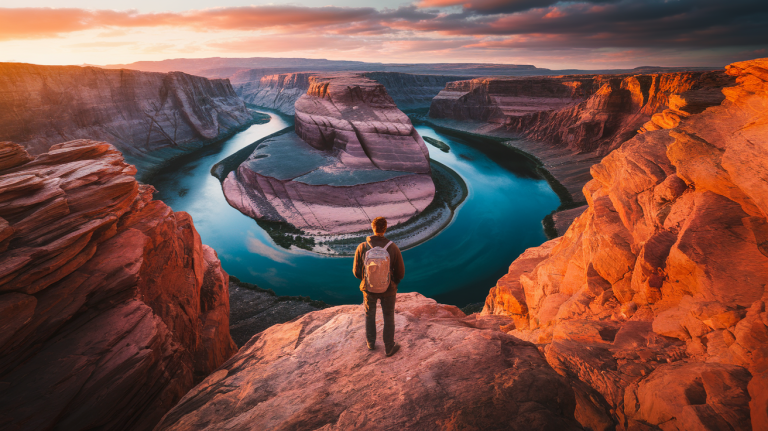
12 USA Bucket List Destinations for First-Time Visitors

You’ve seen the photos, watched the movies, and dreamed about exploring America. Now you’re finally planning that first trip—and you’re overwhelmed by choices.
I get it. The United States spans 3.8 million square miles with everything from tropical beaches to alpine peaks, bustling metropolises to pristine wilderness. Where do you even start?
Here’s the truth: You can’t see everything in one trip. But you can experience the destinations that capture America’s incredible diversity—places that deliver unforgettable moments without requiring a PhD in trip planning.
This guide highlights 12 bucket-list destinations that first-time visitors consistently rank as their most memorable experiences. These aren’t just tourist traps with good marketing.
They’re places that showcase what makes America genuinely spectacular: dramatic natural wonders, vibrant cities bursting with culture, and landscapes you won’t find anywhere else on Earth.
Let’s explore the destinations that belong on your first American adventure.
The Ultimate Natural Wonders: Where America’s Landscape Takes Your Breath Away
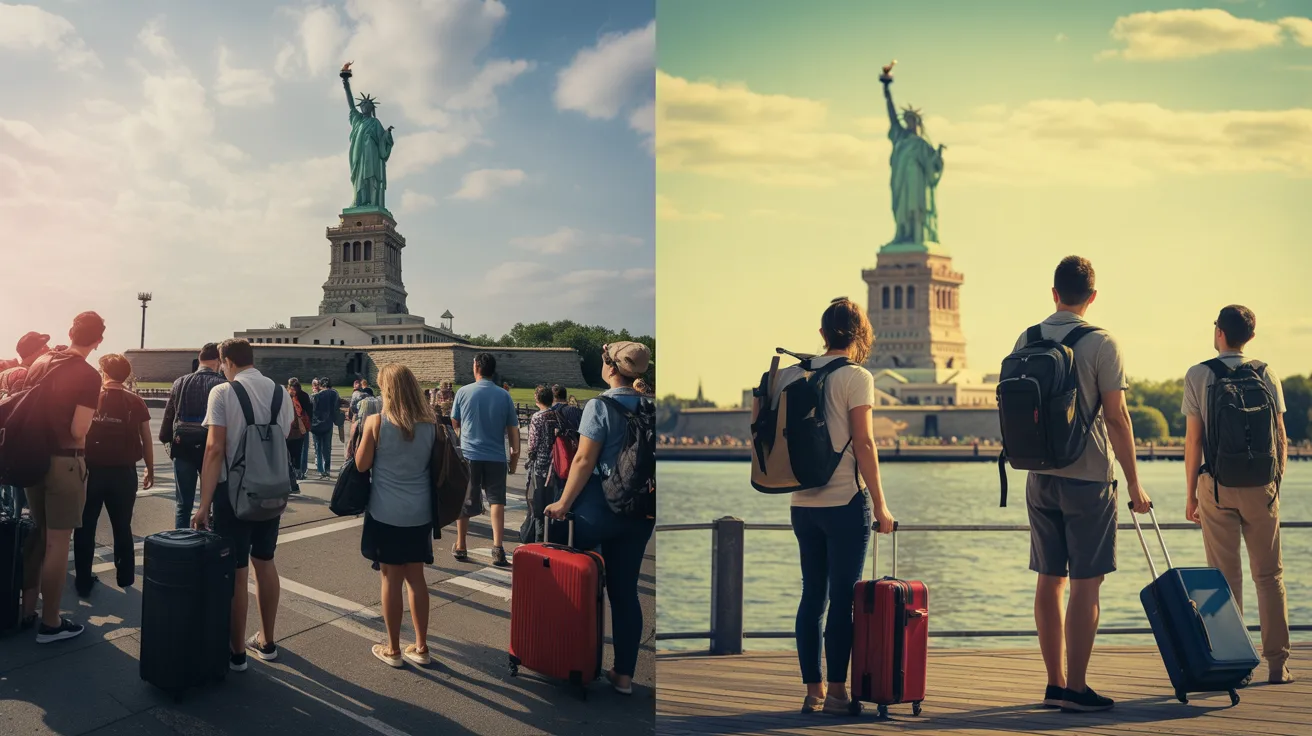
Grand Canyon, Arizona
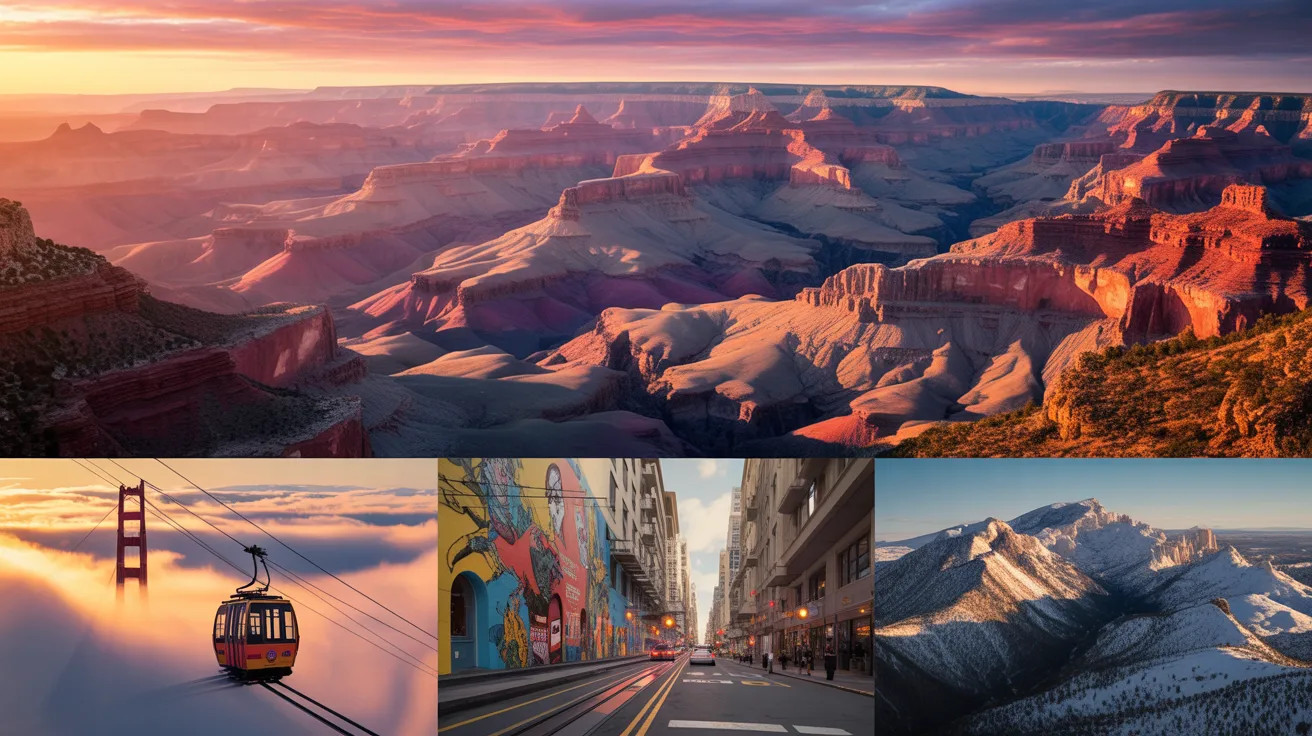
Stand on the rim of the Grand Canyon and your brain struggles to process what you’re seeing. This mile-deep chasm stretches 277 miles long and up to 18 miles wide—a landscape so massive that photos genuinely don’t do it justice.
Why it’s unmissable: The Grand Canyon represents the most iconic natural wonder in America. Layers of colorful rock formations tell two billion years of Earth’s history. You’ll watch shadows and light transform the canyon walls throughout the day, creating an ever-changing masterpiece that makes you feel wonderfully small.
Local secret: Skip the crowded midday rush and visit Mather Point on the South Rim at sunrise. You’ll avoid tour bus crowds and witness something magical—the canyon walls transforming from deep purple to fiery gold as sunlight creeps across the rock faces. Bring a thermos of coffee and claim your spot 30 minutes before sunrise.
Planning tip: Budget 2-3 days minimum. Stay in nearby Williams (60 miles away) or Flagstaff (80 miles) for authentic small-town charm and hotel rates that won’t demolish your budget. Both towns offer excellent restaurants and that classic Route 66 atmosphere. If you’re visiting during peak season (May-September), book accommodations at least three months ahead.
Yellowstone National Park, Wyoming/Montana/Idaho
America’s first national park delivers exactly what you hope for: erupting geysers, rainbow-colored hot springs, bison herds crossing roads, and grizzly bears roaming pristine wilderness. Yellowstone sprawls across 2.2 million acres—larger than Rhode Island and Delaware combined.
Why it’s unmissable: Where else can you watch a geyser shoot 8,000 gallons of boiling water 130 feet into the air every 90 minutes? Yellowstone showcases geothermal features you won’t find anywhere else in North America. The park protects the largest concentration of mammals in the lower 48 states, including wolves, elk, and the iconic American bison.
Hidden gem: Everyone flocks to Old Faithful during peak hours, creating parking nightmares and shoulder-to-shoulder crowds. Instead, explore the stunning Grand Prismatic Spring early morning when steam rises off the 370-foot-wide pool, creating an otherworldly atmosphere. The bacterial mats create rings of orange, yellow, and green around the deep blue center—it looks like something from another planet.
Planning tip: Visit in May or September for the sweet spot between weather and crowds. You’ll enjoy mild temperatures, better wildlife viewing (animals are more active), and hotel rates drop significantly. Bring layers—temperatures swing dramatically between morning and afternoon.
Yosemite National Park, California
Yosemite Valley packs more jaw-dropping scenery into seven square miles than seems physically possible. Towering granite cliffs rise 3,000 feet straight up. Waterfalls thunder down rock faces. Ancient sequoia groves contain trees that were already massive when Rome fell.
Why it’s unmissable: This park creates the ultimate outdoor playground for first-time visitors. You can hike easy trails to breathtaking viewpoints, photograph iconic landmarks like Half Dome and El Capitan, and experience wilderness without requiring expert mountaineering skills. The valley floor offers accessible beauty that tour buses can reach, while serious hikers find challenging backcountry trails.
Authentic experience: Skip the crowded valley floor shuttle stops and hike the Mist Trail to Vernal Fall. This 3-mile round trip delivers spectacular views that casual visitors miss. You’ll climb granite steps right next to the thundering waterfall—bring a rain jacket because you will get soaked. The payoff? Standing at the top of a 317-foot waterfall with views across the valley that make every step worthwhile.
Planning tip: Book accommodations six months ahead—Yosemite’s popularity creates fierce competition for lodging. Consider staying in Mariposa, a charming Gold Rush town just 45 minutes from the park entrance. You’ll pay half the price and enjoy excellent restaurants that locals actually frequent.
Iconic American Cities: Urban Adventures That Define the USA
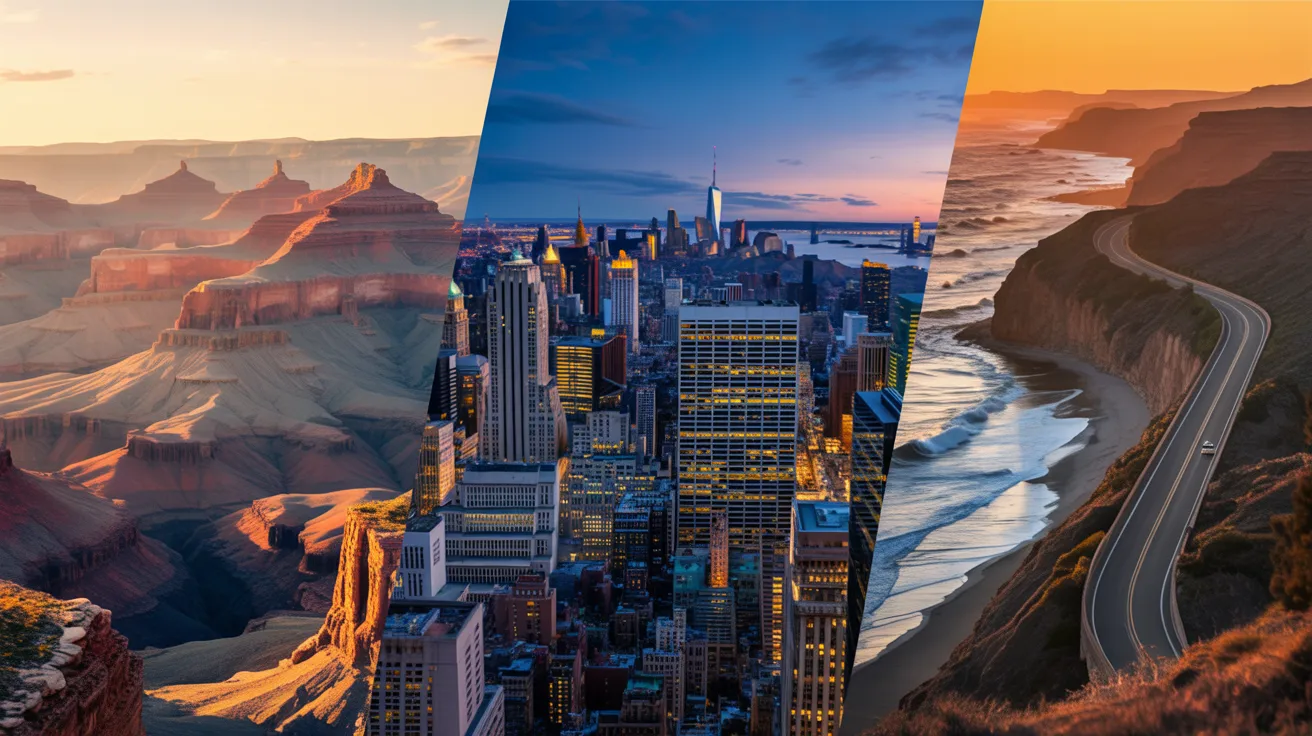
New York City, New York
New York City hits you like a wave—the energy, the diversity, the sheer density of experiences packed into 302 square miles. This city offers world-class museums, theater, food from every culture on Earth, and that unmistakable buzz you can’t find anywhere else.
Why it’s unmissable: The city that never sleeps lives up to its reputation. Walk through Central Park, stand in Times Square’s neon chaos, visit the Statue of Liberty, explore world-famous museums like the Met or MoMA, catch a Broadway show, and eat your way through neighborhoods that feel like different countries. New York delivers more iconic experiences per square mile than any American city.
Local favorite: Skip the overpriced tourist trap restaurants in Midtown Manhattan. Head to Queens’ Flushing neighborhood for authentic international cuisine at a fraction of the cost. You’ll find legitimate Chinese soup dumplings, Korean BBQ, Colombian arepas, and Taiwanese bubble tea—all in one walkable area. This is where New Yorkers actually eat.
Planning tip: Buy the unlimited 7-day MetroCard ($34) and use the subway system like a local. Stay in Brooklyn neighborhoods like Williamsburg or Park Slope, or Queens areas near subway lines. You’ll pay significantly less than Manhattan hotels while maintaining easy access to everything. A 30-minute subway ride beats paying $300+ per night for a tiny Midtown room.
San Francisco, California
San Francisco combines natural beauty with progressive culture, historic landmarks with innovative cuisine, creating a city unlike anywhere else in America. The Golden Gate Bridge, Victorian houses, cable cars, and stunning bay views define this compact city built on 43 hills.
Why it’s unmissable: You can walk across the Golden Gate Bridge, ride historic cable cars up impossibly steep streets, explore Alcatraz Island, wander through diverse neighborhoods, and eat incredible food representing cultures from around the Pacific Rim. San Francisco packs enormous personality into just 49 square miles—you can explore multiple distinct neighborhoods in a single day.
Hidden neighborhood: Everyone hits Fisherman’s Wharf and Union Square. Instead, explore the Mission District’s Clarion Alley Mural Project for vibrant street art that changes constantly. This single block contains dozens of murals created by local artists addressing social justice, community, and cultural identity. Afterward, grab authentic Mexican tacos from taquerias that locals frequent—you’ll pay $3 for food that rivals fancy restaurants charging $15.
Planning tip: Layer your clothing because San Francisco’s weather changes dramatically throughout the day. Mornings start foggy and cold, afternoons turn sunny and warm, evenings get chilly again. Book hotels near BART (Bay Area Rapid Transit) stations for easy, affordable transportation. A $10 day pass beats paying for parking and dealing with San Francisco’s notoriously difficult parking situation.
New Orleans, Louisiana
No other American city matches New Orleans’ unique cultural blend. French colonial architecture, African-American heritage, Creole cuisine, jazz music pouring from doorways, and a celebration of life that makes every day feel like a party—this city operates by its own rules.
Why it’s unmissable: New Orleans created jazz, perfected Creole and Cajun cuisine, and maintains traditions you won’t experience anywhere else. Walk through the French Quarter’s historic streets, listen to live music on every corner, eat beignets at Café Du Monde, explore above-ground cemeteries, and experience a culture that values celebration, music, and incredible food above everything else.
Secret spot: Bourbon Street delivers exactly what you expect—crowded, touristy, and expensive. Venture two blocks over to Frenchmen Street for live jazz in intimate venues where locals hang out. You’ll hear world-class musicians performing in small clubs, pay reasonable cover charges, and experience the authentic music scene that makes New Orleans special.
Planning tip: Visit during shoulder season (February-March or October-November) for perfect weather, lower hotel prices, and authentic festivals that locals actually attend. You’ll avoid the oppressive summer heat and humidity while experiencing the city at its best. Book a hotel in the French Quarter or nearby Marigny neighborhood to walk everywhere—New Orleans rewards pedestrian exploration.
Coastal Paradise and Island Escapes: America’s Stunning Shorelines
Hawaii (Maui or Oahu)
Hawaii delivers tropical paradise without requiring a passport. Crystal-clear water, pristine beaches, volcanic landscapes, lush rainforests, and that laid-back island culture create an unforgettable escape from mainland life.
Why it’s unmissable: You’re visiting America’s only tropical state—an archipelago 2,500 miles from the nearest continent. Hawaii offers world-class snorkeling, hiking through volcanic craters, watching sea turtles swim alongside you, and experiencing Polynesian culture that predates American statehood by centuries.
Complete island choice: First-time visitors should choose between two islands. Pick Oahu for iconic Waikiki Beach, Pearl Harbor’s historical significance, excellent restaurants, and the best infrastructure for tourists. Choose Maui for the ultimate Road to Hana adventure (a breathtaking coastal drive), world-class snorkeling at Molokini Crater, and watching sunrise from Haleakala volcano’s 10,000-foot summit.
Planning tip: Book flights 2-3 months ahead for the best rates—Hawaii airfare fluctuates dramatically based on demand. Stay in a condo with a kitchen to save serious money on dining costs (restaurant meals in Hawaii run expensive). Rent a car to discover hidden beaches and local food trucks that serve incredible plate lunches for $12 instead of $40 resort meals.
Florida Keys, Florida
The Overseas Highway connects 44 islands across 113 miles, creating an unforgettable road trip through turquoise waters and laid-back island culture. You’ll drive over 42 bridges, including the famous Seven Mile Bridge, with ocean views stretching in every direction.
Why it’s unmissable: This scenic drive delivers Caribbean vibes without leaving the continental United States. Each key offers distinct personality—Key Largo for diving and snorkeling, Islamorada for sport fishing, Marathon for family-friendly beaches, and Key West for quirky culture and spectacular sunsets. The journey matters as much as the destination.
Local experience: Stop at John Pennekamp Coral Reef State Park in Key Largo for snorkeling that rivals Caribbean destinations at a fraction of the cost. You’ll explore America’s only living coral barrier reef, swimming among tropical fish, sea turtles, and colorful coral formations. The park offers glass-bottom boat tours if you prefer staying dry.
Planning tip: Allocate 3-4 days minimum to properly explore the Keys—rushing defeats the purpose of island time. Book Key West accommodations early because this quirky island town fills up fast during peak season (December-April). Stay in a guesthouse or small hotel instead of chain properties to experience authentic Keys character.
Charleston, South Carolina
Charleston combines historic charm, Southern hospitality, pristine beaches, and a food scene that rivals any major city. This coastal gem preserves 300 years of American history while embracing modern culinary innovation and vibrant culture.
Why it’s unmissable: Walk through cobblestone streets lined with pastel-colored historic homes, explore plantations that tell complicated stories about American history, relax on nearby beaches, and eat at restaurants that showcase Lowcountry cuisine. Charleston delivers sophisticated culture in a compact, walkable city that feels manageable for first-time visitors.
Authentic activity: Take a Gullah culture tour to understand the hidden history and African heritage that shaped the Lowcountry. Gullah descendants maintain language, traditions, and foodways that connect directly to West African roots. These tours reveal stories that traditional historic tours often overlook, providing essential context for understanding Charleston’s complex past.
Planning tip: Visit March-May or September-November for pleasant weather without summer’s oppressive heat and humidity. Stay in the Historic District to walk to most attractions—Charleston rewards pedestrian exploration. The city’s compact layout means you can cover major sites without constantly calling Ubers.
Desert Dreams and Mountain Majesty: America’s Diverse Landscapes

Sedona, Arizona
Red rock formations create a stunning backdrop for hiking, spiritual retreats, and some of the most photographed landscapes in America. Sedona’s iron-rich sandstone glows orange and red in the sun, creating scenery that looks photoshopped even in person.
Why it’s unmissable: Sedona offers accessible outdoor adventure with scenery that rivals more famous national parks. You can hike to spectacular viewpoints, explore Native American ruins, photograph dramatic rock formations, and experience the “energy vortexes” that draw spiritual seekers from around the world. The town itself offers excellent restaurants, galleries, and accommodations.
Hidden trail: Devil’s Bridge offers breathtaking views without the difficulty of longer hikes—perfect for capturing that Instagram-worthy moment. This 4.2-mile round trip leads to Sedona’s largest natural sandstone arch. You’ll climb onto the bridge itself for photos that make friends back home jealous. Start early to beat crowds and harsh midday light.
Planning tip: Book hotels in nearby Cottonwood or Camp Verde for better rates, then drive 20 minutes to Sedona’s trails. You’ll pay half the price for accommodations while maintaining easy access to hiking. Sedona’s popularity has driven hotel prices sky-high—staying in neighboring towns makes this destination affordable.
Glacier National Park, Montana
The “Crown of the Continent” showcases pristine alpine meadows, turquoise lakes, and dramatic mountain peaks with authentic wilderness solitude. Glacier protects over one million acres of Rocky Mountain wilderness along the Canadian border.
Why it’s unmissable: This park delivers the ultimate mountain experience without requiring technical climbing skills. You’ll hike through wildflower meadows, spot mountain goats and bighorn sheep, photograph crystal-clear lakes reflecting snow-capped peaks, and experience wilderness that feels genuinely remote. Glacier receives far fewer visitors than Yellowstone or Yosemite, creating a more intimate connection with nature.
Ultimate drive: Going-to-the-Sun Road ranks among America’s most spectacular drives—50 miles of jaw-dropping vistas and wildlife encounters. This engineering marvel crosses the Continental Divide at Logan Pass (6,646 feet), with pullouts offering views that make you forget you’re sitting in a car. The road typically opens fully in July and closes by October due to snow.
Planning tip: Visit July-August when the complete road is open and trails become snow-free. Book lodging in West Glacier or Whitefish 8-12 months ahead—Glacier’s remote location means limited accommodation options that fill up fast. Consider staying in Whitefish, a charming mountain town 30 miles from the park with excellent restaurants and reasonable hotel rates.
Zion National Park, Utah
Towering sandstone cliffs in shades of cream, pink, and red create a desert cathedral unlike anywhere else on Earth. Zion’s massive rock formations rise up to 2,000 feet above the canyon floor, creating dramatic scenery that changes with every shift in light.
Why it’s unmissable: Zion offers diverse hiking experiences from easy riverside walks to challenging scrambles up sheer rock faces. The park’s shuttle system makes it incredibly accessible for first-time visitors—you don’t need a car to explore major attractions. Zion combines spectacular scenery with well-maintained trails and infrastructure that welcomes outdoor enthusiasts of all skill levels.
Local secret: Hike The Narrows (wading through the Virgin River) on weekday mornings for a more intimate experience in this stunning slot canyon. You’ll walk through water for the entire hike, with canyon walls rising 1,000 feet on either side and the river narrowing to just 20 feet wide in places. Rent waterproof boots and walking sticks from outfitters in Springdale—they’re essential for navigating slippery rocks.
Planning tip: Stay in nearby Springdale for walkable access to the park entrance and shuttle. This small town offers excellent restaurants, gear shops, and accommodations ranging from budget motels to upscale resorts. Visit April-May or September-October for perfect hiking weather—summer temperatures regularly exceed 100°F, making strenuous hikes dangerous.
Planning Your First American Adventure
You’ve explored 12 destinations that capture America’s incredible diversity—from tropical beaches to alpine peaks, vibrant cities to pristine wilderness. Now comes the practical question: How do you turn this bucket list into an actual trip?
Here’s what works: Focus on 2-3 destinations within the same region rather than trying to see everything in one trip. The United States spans enormous distances—Los Angeles to New York covers 2,800 miles (roughly the distance from London to Cairo). Attempting to visit destinations on opposite coasts creates exhausting travel days that steal time from actual exploration.
Consider these regional combinations that maximize your experience while minimizing travel stress:
Western Natural Wonders: Combine Grand Canyon, Sedona, and Zion for an epic desert and canyon road trip. These three destinations sit within 350 miles of each other, creating a logical driving loop.
California Dreaming: Pair San Francisco with Yosemite for the ultimate California experience—vibrant city culture followed by pristine wilderness just a few hours away.
Southern Charm: Combine New Orleans with Charleston for a deep dive into Southern culture, history, and incredible cuisine.
Mix iconic landmarks with hidden local experiences to get authentic value for your budget. Every destination on this list includes both famous attractions and lesser-known spots that locals actually enjoy. The Grand Canyon delivers at sunrise from Mather Point. New Orleans reveals its soul on Frenchmen Street, not Bourbon Street. This balance creates trips that feel authentic rather than checking boxes on a tourist checklist.
Book accommodations and major attractions 2-6 months ahead to avoid last-minute stress and inflated prices. Popular destinations like Yosemite, Glacier, and Hawaii fill up fast during peak season. Waiting until the last minute means paying premium prices for whatever’s left—or finding nothing available at all.
America rewards the explorers who venture beyond the obvious. You’ll discover that the best moments often happen between the famous landmarks—conversations with locals, unexpected viewpoints, hidden restaurants, and those spontaneous detours that become your favorite stories.
Your first American adventure awaits. Choose your destinations, book those flights, and prepare for landscapes and experiences you’ll remember for the rest of your life.
Ready to start planning your epic USA adventure? Save this guide and begin mapping out your perfect itinerary today. Which destination calls to you first?