12 Japanese Healing Destinations for Body And Mind

Imagine soaking in steaming mineral waters while snow-capped mountains tower above you, or meditating in a centuries-old temple as morning mist drifts through ancient cedar forests.
Japan’s healing destinations offer more than just a vacation—they’re a complete reset for your overwhelmed mind and tired body.
In our constantly connected world, you’re juggling work emails at dinner, scrolling through social media before bed, and rarely experiencing true stillness.
Your shoulders carry tension you didn’t even know was there. Your mind races even when you’re trying to relax. You need more than a typical vacation—you need genuine restoration.
Japan understands healing in a way Western culture is only beginning to appreciate. For centuries, the Japanese have recognized that true wellness comes from harmonizing body, mind, and spirit through nature, ritual, and mindful living. These twelve destinations aren’t tourist traps—they’re authentic healing sanctuaries where you can finally exhale.
Mount Koya (Koya-san): Sacred Mountain Sanctuary
The Ultimate Temple Lodging Experience
Mount Koya delivers an experience you won’t find anywhere else on Earth. This sacred mountain, located two hours from Osaka, hosts 117 Buddhist temples nestled in serene mountain forests.
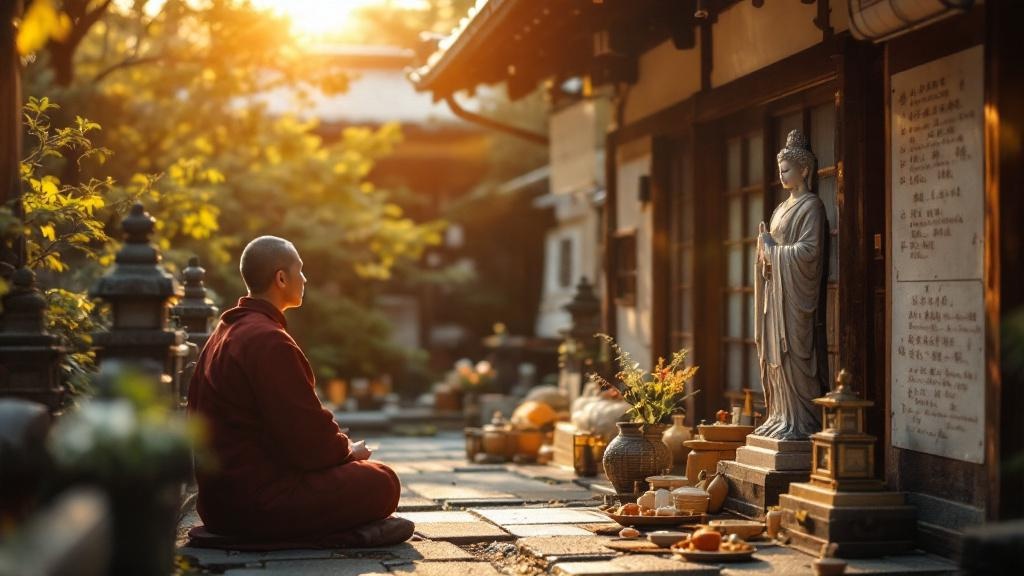
The real magic happens when you stay in a shukubo—authentic temple lodging run by Buddhist monks who’ve dedicated their lives to spiritual practice.
Your stay at a shukubo strips away everything unnecessary. You’ll sleep on a futon laid over tatami mats in a simple, elegant room. No television. No distractions.
Just you, the temple’s peaceful energy, and the opportunity to participate in morning meditation sessions alongside the resident monks.
The monks serve shojin ryori—traditional Buddhist vegetarian cuisine that nourishes your body while respecting all living beings.
Each meal is a meditation in itself: beautifully arranged seasonal vegetables, tofu prepared in ways you’ve never tasted, and mountain vegetables that ground you in the present moment. This isn’t deprivation—it’s discovering how satisfying simple, mindful eating can be.
Many temple lodgings offer natural hot springs where you can soak after a day of exploration. The combination of spiritual practice, clean eating, and thermal healing creates a profound reset that lasts long after you return home.
Healing Through Spiritual Connection
The crown jewel of Mount Koya is Okunoin Cemetery—a transformative two-kilometer path through ancient cedars leading to the mausoleum of Kobo Daishi, the founder of Shingon Buddhism.
Walk this path at dawn when mist weaves between 200,000 moss-covered monuments, and you’ll understand why pilgrims have journeyed here for over 1,200 years.
The energy here is palpable. You don’t need to be religious to feel it. As you walk among the towering cryptomeria trees and centuries-old stone lanterns, something shifts inside you.
The constant mental chatter quiets. Your breathing deepens. You’re present in a way that feels almost foreign in our distracted age.
Several temple lodgings offer proper meditation instruction for beginners. The monks teach you how to sit, how to breathe, and most importantly, how to observe your thoughts without getting swept away by them. These aren’t abstract concepts—they’re practical tools you’ll use long after you leave.
Practical Planning Tips
Getting to Mount Koya is straightforward: take the Nankai Electric Railway from Osaka’s Namba Station to Gokurakubashi, then ride the cable car up the mountain. The entire journey takes about two hours and builds anticipation as you ascend into the clouds.
Book your temple stay at least two months in advance, especially if you’re visiting during spring’s cherry blossom season or autumn’s spectacular foliage.
Popular temples like Ekoin and Shojoshin-in fill up quickly because they offer the complete experience: meditation, vegetarian meals, morning prayers, and onsen access.
Pack comfortable walking shoes for exploring the temple complex and modest clothing that covers your shoulders and knees. Bring layers—mountain temperatures drop significantly at night, even in summer. Most importantly, come with an open mind and willingness to embrace simplicity.
This destination works beautifully for solo travelers seeking meaningful introspection and couples ready to share something profound. The digital detox happens naturally when you’re surrounded by sacred silence and ancient wisdom.
Hakone: Hot Spring Paradise Near Tokyo
Natural Thermal Healing Waters
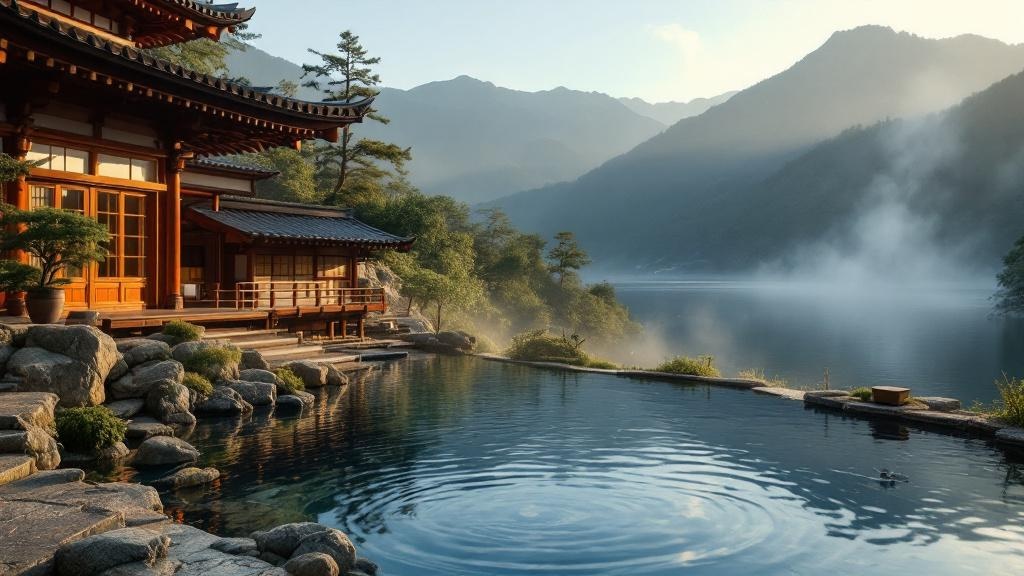
Hakone proves you don’t need to travel far from Tokyo to find authentic healing. Just ninety minutes by train from the capital’s chaos, this mountain resort area offers over 17 hot spring sources, each with unique mineral compositions targeting specific ailments.
The therapeutic benefits of Hakone’s waters aren’t folklore—they’re backed by research. The sulfur-rich springs effectively treat muscle pain and joint stiffness.
The alkaline waters soften your skin and promote circulation. The iron-rich springs boost energy and combat fatigue. You’re not just relaxing—you’re actively healing your body through mineral absorption.
The variety of bathing options means you’ll never get bored. Indoor baths offer privacy and controlled temperatures. Outdoor rotenburo let you soak while gazing at mountain views or watching snow fall.
Private family baths (kashikiri-buro) give couples or families exclusive time together. Each experience offers different benefits for your body and mind.
What makes Hakone especially appealing is accessibility. You can visit for a day trip or stay multiple nights at a traditional ryokan. Either way, you’re getting authentic Japanese onsen culture without the language barriers or logistical challenges of more remote destinations.
Beyond the Baths: Complete Wellness Experience
Hakone’s healing extends far beyond hot springs. Lake Ashi offers peaceful boat cruises where you can practice water gazing—a form of moving meditation that calms racing thoughts.
The lake’s still surface reflects Mount Fuji on clear days, creating a view that has inspired artists and poets for centuries.
The area’s art museums provide creative soul nourishment. The Hakone Open-Air Museum combines sculpture with nature, encouraging you to walk mindfully through outdoor galleries.
The Pola Museum of Art houses Impressionist works in a building designed to harmonize with the surrounding forest. Engaging with art in these serene settings activates different parts of your brain, offering mental restoration that complements physical healing.
Forest walks through old-growth cedar groves deliver the benefits of shinrin-yoku (forest bathing) that Japanese researchers have been studying for decades.
The trees release phytoncides—natural compounds that boost your immune system, lower blood pressure, and reduce stress hormones. A two-hour forest walk delivers measurable health benefits that last for days.
Traditional ryokan stays include kaiseki meals—multi-course dinners that showcase seasonal ingredients prepared with exquisite attention to detail.
Each dish tells a story about the season, the region, and the chef’s skill. This mindful eating experience helps you reconnect with food as nourishment rather than fuel.
Top Healing Spots in Hakone
Tenzan Onsen offers rustic outdoor baths surrounded by nature, where you can hear the river rushing below while you soak. The multiple pools at different temperatures let you practice contrast bathing—alternating between hot and cool water to boost circulation and invigorate your system.
Hakone Yuryo features beautiful garden settings with multiple bath options, including foot baths where you can relax without fully committing to the onsen experience. Their private baths are perfect if you’re shy about communal bathing or traveling with family.
Yunessun provides a family-friendly spa resort with unique themed baths—including wine baths, green tea baths, and even sake baths. While less traditional, these experiences make onsen culture accessible to children and those seeking playful healing.
One essential consideration: many traditional onsen don’t allow guests with tattoos. However, Hakone has several tattoo-friendly options. Research before you visit, or book private baths where tattoo policies don’t apply. Don’t let this detail derail your healing journey—solutions exist for every situation.
Kinosaki Onsen: The Seven Bath Pilgrimage
Ancient Town, Timeless Healing
Kinosaki Onsen has perfected the art of healing through hot springs for 1,300 years. This charming town, built along a willow-lined canal, looks like it stepped out of a historical drama.
Stone bridges arch over the canal. Traditional wooden buildings house family-run ryokan. Lanterns light your evening strolls. The entire town is designed around one purpose: helping you heal.
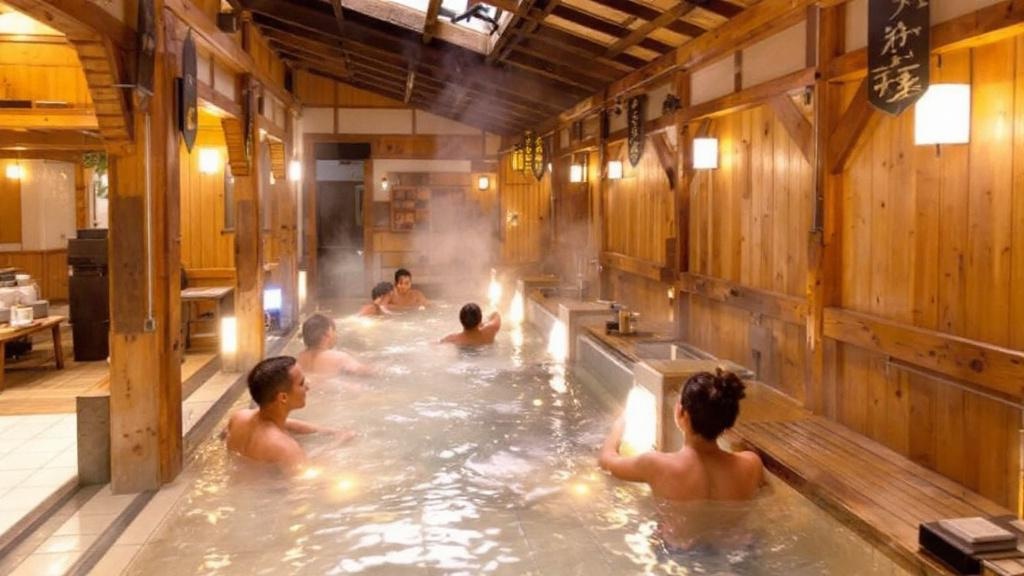
The town’s genius lies in its seven public bathhouses (sotoyu), each offering different healing properties and atmospheres. Your ryokan provides a pass that grants free access to all seven baths, plus a yukata (cotton kimono) and geta (wooden sandals) for walking between them. This onsen-hopping tradition turns healing into an adventure.
Each bathhouse specializes in treating specific conditions. Mandara-yu helps with skin problems. Goshono-yu improves circulation. Kouno-yu relieves nervous tension. You’re not just randomly soaking—you’re following a therapeutic protocol refined over centuries.
The simple pleasure of walking between bathhouses in your yukata, wooden sandals clicking on the stone paths, delivers its own healing. You’re moving slowly.
You’re part of a tradition. You’re not rushing anywhere. This mindful movement between healing sessions amplifies the benefits of each soak.
The Perfect Healing Ritual
Start your Kinosaki experience by checking into a traditional ryokan. The best establishments offer private onsen access in your room or building, so you can soak whenever inspiration strikes—dawn, midnight, or anywhere between.
After settling in, begin your seven-bath pilgrimage. Each bathhouse takes fifteen to thirty minutes to experience fully. Some are cave-like and intimate. Others feature garden views.
A few have outdoor sections where you can watch stars while you soak. The variety keeps the experience fresh and engaging.
The different mineral compositions and temperatures affect your body in distinct ways. The slightly acidic waters tighten pores and improve skin texture.
The alkaline waters relax muscles and ease joint pain. The sulfur-rich springs detoxify and boost circulation. By visiting all seven, you’re giving your body a complete treatment.
Between baths, stroll the canal paths. Stop at small cafes for green tea and sweets. Watch other visitors in their yukata enjoying the same ritual. This communal healing—where everyone is focused on wellness—creates a supportive energy that enhances your individual experience.
When to Visit for Maximum Serenity
Winter brings snow crab season, adding culinary healing to your thermal therapy. The local Matsuba crab is legendary, and ryokan serve elaborate crab dinners that nourish body and soul. Soaking in outdoor baths while snow falls around you creates a magical contrast of hot and cold.
Spring transforms Kinosaki with cherry blossoms framing the canal walks. The pink petals floating on the water create Instagram-worthy scenes, but more importantly, they remind you of life’s beautiful impermanence—a core concept in Japanese aesthetics and mindfulness.
Avoid peak weekends and national holidays if you want quieter healing experiences. The bathhouses get crowded, and the peaceful atmosphere diminishes when tour groups arrive. Weekday visits, especially in shoulder seasons, offer the serenity you’re seeking.
Getting to Kinosaki takes about 2.5 hours by train from Kyoto or Osaka. The journey itself begins your decompression—watching rural landscapes roll past your window, feeling the city’s grip loosen with each passing mile.
Yakushima: Ancient Forest Healing
Forest Bathing Among Mystical Cedar Trees
Yakushima is where nature healing reaches its peak. This UNESCO World Heritage island, located off Kyushu’s southern coast, hosts primeval forests with cedar trees that have stood for over a thousand years.
Walking among these ancient giants, you’re not just visiting nature—you’re entering a living cathedral that inspired Studio Ghibli’s “Princess Mononoke.”
The healing power of Yakushima’s forests is scientifically proven. The trees release phytoncides—natural compounds that boost your immune system’s natural killer cells by up to 50%.
These effects last for weeks after your visit. You’re not imagining the benefits—your body is literally becoming healthier with each breath of forest air.
The moss-covered landscapes create an otherworldly atmosphere that shifts your consciousness. Time feels different here. Your thoughts slow down.
The constant mental noise that usually fills your head fades into background static, then disappears entirely. This isn’t meditation you have to work at—it’s a natural state that emerges when you’re surrounded by such profound natural beauty.
The island’s high rainfall (it’s one of Japan’s wettest places) creates lush vegetation that seems to glow with vitality. Everything is green, alive, growing.
This abundance of life force is contagious. Visitors consistently report feeling more energized and alive after just a few days on Yakushima.
Hiking Your Way to Wellness
Shiratani Unsuikyo Ravine offers easy to moderate trails through moss-covered forests that look exactly like the animated landscapes in “Princess Mononoke.” The three-hour loop trail delivers maximum forest bathing benefits without requiring extreme fitness. You’re walking on soft forest paths, crossing crystal-clear streams, breathing in healing forest air.
For serious hikers, the trek to Jomon Sugi—a 7,000-year-old cedar tree—is a challenging full-day journey that tests your body while feeding your soul. The ten-hour round trip hike is demanding, but standing before a tree that was ancient when the pyramids were new puts your life in perspective. Your daily stresses seem absurdly small next to such timeless existence.
The island offers numerous waterfall trails for those seeking varied healing experiences. The sound of falling water creates natural white noise that helps quiet mental chatter. The negative ions generated by waterfalls boost mood and energy levels—another scientifically verified benefit.
After hiking, natural hot springs scattered across the island provide perfect recovery for tired muscles. Some are developed facilities. Others are wild riverside pools where you soak surrounded by nature. Both types deliver the mineral therapy your body needs after a day of forest exploration.
Island Life for Soul Restoration
Yakushima’s slow-paced rural lifestyle promotes the mindfulness you’re seeking. The island’s 13,000 residents live in harmony with nature’s rhythms. They fish, farm, and move through their days without the frantic energy of mainland Japan. Spending time in this environment recalibrates your nervous system to a healthier baseline.
The fresh seafood and local produce nourish your body with real food—not the processed stuff you usually eat in a rush. Simple meals of grilled fish, local vegetables, and rice taste extraordinary when you’re eating mindfully in a peaceful setting.
Stargazing opportunities away from light pollution remind you that you’re part of something vast and beautiful. Lying on your back watching the Milky Way stretch across the sky is free therapy that reconnects you with wonder and perspective.
Ocean activities—snorkeling, diving, and sea turtle watching—add water therapy to your forest healing. The island’s clear waters host vibrant marine life that delights and amazes. Swimming with sea turtles creates joy that lingers long after you dry off.
Essential planning: Rent a car to explore the island freely. Pack rain gear regardless of season—sudden showers are common. Book lodging early, especially during peak seasons. Come prepared for rustic conditions—this isn’t luxury resort healing, it’s authentic nature immersion that delivers profound results.
Beppu: Japan’s Hot Spring Capital
Therapeutic Waters in Abundance
Beppu takes hot spring healing to another level entirely. This coastal city in Oita Prefecture produces more hot spring water than anywhere else in Japan—over 2,000 sources pumping out 130,000 tons of thermal water daily. The sheer abundance means you can experience healing waters in ways impossible anywhere else.
The city divides into eight distinct hot spring areas, each with different mineral properties targeting specific health conditions. The sulfur springs help with skin problems and detoxification. The iron-rich springs combat anemia and fatigue. The acidic springs tighten skin and improve circulation. You’re not limited to one type of healing—you can customize your therapy based on your body’s needs.
Beppu’s variety extends beyond mineral composition. You’ll find mud baths that draw toxins through your skin. Sand baths where you’re buried in naturally heated volcanic sand that promotes deep sweating and relaxation. Steam baths where geothermal vapor opens your pores and respiratory passages. Traditional soaking pools in every size and temperature imaginable.
The therapeutic benefits treat everything from arthritis to skin conditions, muscle pain to stress disorders. These aren’t vague wellness claims—they’re documented medical benefits that have made Beppu a destination for health-conscious Japanese people for generations.
Unique Healing Experiences
The sunamushi (sand bath) experience at Takegawara Onsen is unlike anything else you’ll try. Attendants bury you in naturally heated black sand, leaving only your head exposed. The weight of the sand combined with the heat creates intense sweating that flushes toxins and deeply relaxes muscles. Ten minutes feels like an hour-long massage. When you emerge, your skin glows and your body feels lighter.
The Jigoku Meguri (Hell Tour) shows you the spectacular colored hot springs that are too hot for bathing but incredible to witness. The cobalt blue waters of Umi Jigoku. The blood-red waters of Chinoike Jigoku. The mud pools bubbling at Oniishibozu Jigoku. These natural wonders remind you of the powerful geothermal forces creating your healing waters.
Hyotan Onsen offers a complete wellness facility with multiple bath types, including a waterfall bath that massages your shoulders with powerful streams of hot water. The variety means you can spend hours moving between different healing experiences without repetition or boredom.
The historic Takegawara Onsen, built in 1879, provides traditional sand bathing in a beautiful Meiji-era building. The combination of historical atmosphere and authentic healing creates an experience that honors the past while delivering modern wellness benefits.
Quick Tips for Beppu Healing
Stay at least two to three days to fully experience the different bath types. Each offers distinct benefits, and your body needs time to respond to the various mineral treatments. Rushing through defeats the purpose of healing.
Purchase a bath-hopping pass that grants access to multiple facilities at a discounted rate. This economical option encourages you to try different experiences without worrying about individual entry fees.
Beppu works perfectly for people seeking variety and therapeutic benefits over spiritual or nature experiences. If you want measurable physical healing and don’t need ancient temples or mystical forests, Beppu delivers exactly what you need.
Access is straightforward: two hours by train from Fukuoka, or fly directly into nearby Oita Airport. The city offers accommodations at every price point, from budget guesthouses to luxury ryokan with private onsen.
Kumano Kodo: Pilgrimage Path to Inner Peace
Walking Meditation Through Sacred Forests
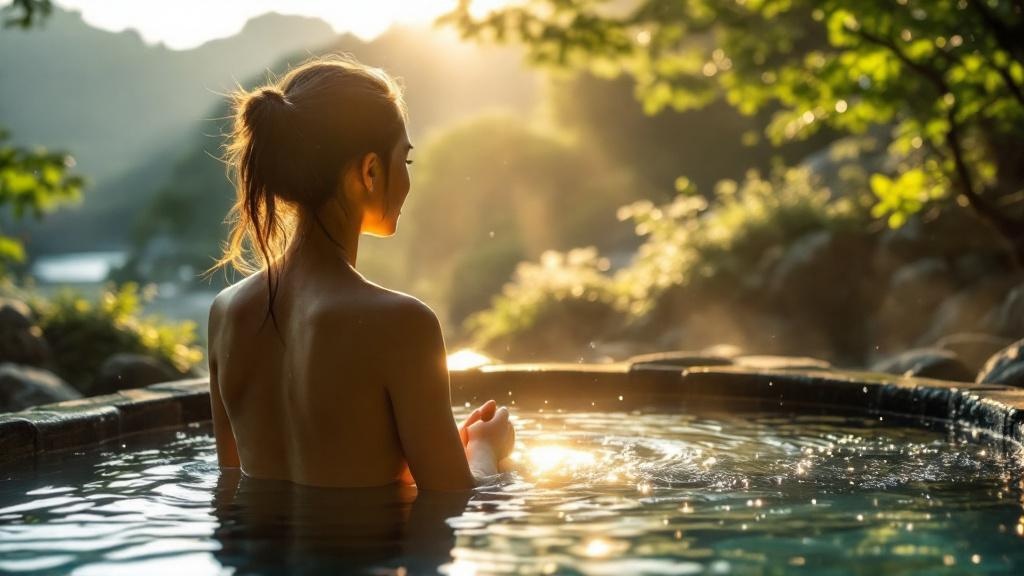
The Kumano Kodo pilgrimage routes deliver healing through movement, nature, and spiritual connection. These ancient paths wind through the mountainous Kii Peninsula, connecting three grand shrines that have drawn pilgrims for over a thousand years. Walking these trails isn’t just exercise—it’s moving meditation that heals body and soul simultaneously.
The forest bathing benefits here match Yakushima’s, but the spiritual dimension adds another healing layer. You’re walking paths that emperors, monks, and common people have traveled for centuries, all seeking the same thing you are: renewal, clarity, and peace. That shared intention across time creates an energy you can feel with each step.
Scientific research on shinrin-yoku (forest bathing) confirms what pilgrims have known intuitively: time in these forests reduces stress hormones, lowers blood pressure, improves mood, and boosts immune function. The Kumano Kodo’s ancient cedars, pristine streams, and mountain air deliver these benefits in concentrated form.
The pilgrimage offers multiple trail options, from easy day hikes to challenging multi-day journeys. You don’t need to be an athlete—you just need willingness to walk at a contemplative pace, breathing deeply, staying present with each step. This is the opposite of your usual rushed, distracted movement through the world.
Hot Springs Along the Sacred Path
The genius of the Kumano Kodo is how it combines hiking with hot spring therapy. After a day of walking, you soak in healing waters that ease muscle fatigue and prepare your body for the next day’s journey. This alternation between effort and rest, movement and stillness, creates perfect balance.
Yunomine Onsen holds the distinction of being the world’s oldest hot spring and a UNESCO World Heritage site. Pilgrims have soaked here for 1,800 years, making it part of the sacred pilgrimage itself. The small village maintains its traditional character—no resort development, just authentic healing waters in a mountain valley.
Kawayu Onsen offers a unique experience: a natural riverside bath where you can dig your own soaking pool in the riverbed. The hot spring water seeps up from below, mixing with cool river water to create your perfect temperature. This playful interaction with nature adds joy to your healing.
Wataze Onsen provides remote mountain sanctuary for those seeking solitude. The rustic facilities and limited access mean fewer visitors and deeper peace. Sometimes the best healing happens when you’re far from crowds and distractions.
Tsuboyu is an intimate cave bath where pilgrims have soaked for 1,800 years. The small space accommodates just two or three people at a time, creating a private healing experience. Booking required, but the effort is worth it for this unique connection with pilgrimage history.
Planning Your Healing Pilgrimage
The Kumano Kodo works beautifully for active travelers seeking both physical challenge and spiritual renewal. The walking engages your body while the forest environment and sacred sites nourish your spirit. This holistic approach delivers comprehensive healing that purely physical or purely spiritual practices can’t match.
Routes exist for all fitness levels. The Nakahechi route offers the most accessible trails with good infrastructure. The Kohechi route challenges experienced hikers with steep mountain passes. The Iseji route provides coastal walking with ocean views. Choose based on your abilities and interests—all paths lead to healing.
Accommodation ranges from traditional minshuku (family-run guesthouses) to modern hotels. The minshuku experience adds cultural immersion to your pilgrimage, with home-cooked meals and warm hospitality that feels like staying with Japanese relatives.
Collect stamps at each shrine you visit for a complete spiritual journey. The stamp book becomes a tangible record of your pilgrimage and a meaningful souvenir that carries the energy of your healing journey.
Spring and autumn offer comfortable hiking weather with spectacular scenery—cherry blossoms in April, autumn colors in November. Summer brings heat and humidity but fewer crowds. Winter is challenging but possible for experienced hikers. Choose your season based on your preferences and physical capabilities.
—
These six Japanese healing destinations offer distinct paths to the same goal: restoring your overwhelmed body and exhausted mind. Mount Koya provides spiritual reset through temple life and meditation. Hakone delivers accessible hot spring therapy near Tokyo. Kinosaki perfects the onsen-hopping ritual in a charming traditional town. Yakushima immerses you in ancient forests that heal at a cellular level. Beppu offers therapeutic variety through abundant geothermal resources. The Kumano Kodo combines pilgrimage walking with hot spring recovery.
You don’t need to visit all twelve destinations to experience profound healing. Choose one that resonates with your current needs. If you’re spiritually depleted, Mount Koya calls you. If your body aches from stress and tension, Beppu’s varied baths await. If you need nature immersion, Yakushima’s ancient forests are ready to receive you.
The common thread connecting all these destinations is intention. Japan approaches healing holistically—not as a quick fix, but as a practice of harmonizing body, mind, and spirit through nature, ritual, and mindful living. When you visit with openness and presence, these places work their magic.
Ready to begin your healing journey? Start researching flights and accommodations today. Your overwhelmed nervous system and tired body are begging for this reset. Japan’s healing destinations aren’t going anywhere—they’ve been offering restoration for centuries and will continue for centuries more. But your need for healing is urgent and real. Make it happen.
Which destination speaks to your soul right now? Trust that instinct and start planning. Your future self—calmer, healthier, more balanced—is already thanking you.