11 best things to do in Hiroshima, Japan

Hiroshima wasn’t on my radar until I started planning my third trip to Japan. I’d done Tokyo, Kyoto, and Osaka—the usual suspects. But something kept pulling me toward this city that’s transformed itself from tragedy into a beacon of peace and resilience. And let me tell you, Hiroshima completely exceeded my expectations.
This city deserves a prominent spot on your Japan itinerary, and I’m going to show you exactly why. Hiroshima offers an incredible blend of profound historical significance, authentic cultural experiences, and stunning natural attractions that you won’t find anywhere else. Unlike other travel guides that just list tourist spots, this guide gives you practical, actionable tips that make planning your visit simple and stress-free.
You’ll discover 11 amazing experiences that showcase both the somber history and vibrant present of this remarkable city. From the powerful Peace Memorial Park to the iconic floating torii gate at Miyajima, from mouthwatering Hiroshima-style okonomiyaki to peaceful mountain temples—these are the essential experiences that will make your Hiroshima visit unforgettable.
Ready to explore one of Japan’s most meaningful destinations? Let’s dive in.
Essential Historical & Cultural Experiences
Peace Memorial Park and Museum
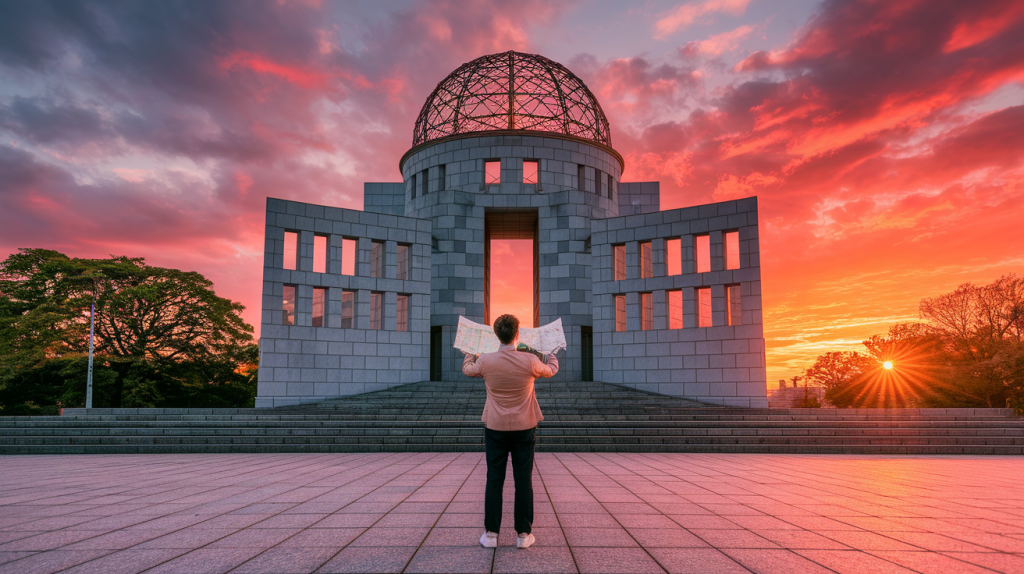
This isn’t just another museum visit—it’s a profound experience that changes how you view history, humanity, and peace. The Peace Memorial Park sits at ground zero of the 1945 atomic bombing, and visiting this site offers a deeply moving perspective on one of history’s most significant events.
The Peace Memorial Museum presents the story with unflinching honesty through personal artifacts, survivor testimonies, and detailed historical context. You’ll see a watch stopped at 8:15 AM, a child’s tricycle, and photographs that document both the devastation and the remarkable recovery. The museum underwent extensive renovations and now uses modern exhibition techniques to make the experience even more impactful.
Here’s how to make your visit meaningful: Arrive early in the morning (the museum opens at 8:30 AM) to avoid crowds and give yourself the emotional space this experience deserves. Plan to spend at least 2-3 hours here—rushing through does a disservice to the stories being told. The audio guide costs 400 yen and provides essential context that enhances your understanding significantly.
Prepare yourself emotionally before visiting. This experience is heavy, and that’s intentional. Take breaks when you need them—there are peaceful spots throughout the park where you can sit and reflect. The park itself features multiple monuments, including the Children’s Peace Monument adorned with thousands of colorful paper cranes, and the Flame of Peace that will burn until all nuclear weapons are eliminated from the earth.
Pro tip: Visit the museum first, then walk through the park. This sequence helps you process what you’ve learned while surrounded by the hopeful symbolism of the park’s design.
Atomic Bomb Dome (Genbaku Dome)
Standing before the Atomic Bomb Dome creates a moment of profound silence. This skeletal structure, formerly the Hiroshima Prefectural Industrial Promotion Hall, is the only building that remained standing near the bomb’s hypocenter. UNESCO designated it a World Heritage Site in 1996, and it serves as a stark, powerful reminder of nuclear warfare’s devastating impact.
The dome sits on the northern end of Peace Memorial Park, right along the Motoyasu River. The building’s exposed steel framework and crumbling walls have been carefully preserved in their post-bombing state—a deliberate choice to maintain its authenticity as a historical witness.
The best time to photograph the dome is during golden hour, either early morning or late afternoon, when the light creates dramatic shadows through the skeletal structure. However, remember this is a memorial site that demands respect. Keep your voice low, avoid overly cheerful poses in photos, and take time to read the informational plaques that explain the building’s history.
Here’s something most guides don’t tell you: Walk to the opposite side of the river for a different perspective. The reflection of the dome in the water creates a particularly moving image, especially on calm days. The surrounding area has benches where you can sit and contemplate the site’s significance.
The dome is free to view and accessible 24/7, though I recommend visiting during daylight hours for safety and to fully appreciate the architectural details. Combine your visit with the Peace Memorial Park to understand the complete story.
Hiroshima Castle
Hiroshima Castle offers a completely different energy—a celebration of the city’s pre-war history and samurai heritage. Originally built in 1589, the castle was destroyed by the atomic bomb and reconstructed in 1958. While purists might prefer original castles, this reconstruction serves an important purpose: showing what was lost and what the city has rebuilt.
The five-story main keep houses a museum with samurai armor, swords, and exhibits about castle life during the feudal period. Climb to the top floor for panoramic views of modern Hiroshima—the contrast between the historical castle and the contemporary cityscape tells its own story about resilience and rebirth.
But here’s the real gem: the “upside down castle” photography trick at the moat. On calm days, the castle reflects perfectly in the water, and if you flip your camera upside down, you capture a stunning mirror image. The best spot for this shot is on the eastern side of the moat, particularly early morning when the water is still. This simple trick creates one of the most unique castle photos you’ll take in Japan.
The castle grounds are free to explore, and they’re gorgeous during cherry blossom season (late March to early April) when over 350 cherry trees bloom. The museum admission costs 370 yen—a bargain for what you get. Plan to spend about 90 minutes here, including time to walk the grounds and enjoy the peaceful atmosphere.
Getting there is easy: it’s a 15-minute walk from the Peace Memorial Park or a short tram ride to Kamiyacho-nishi or Kamiyacho-higashi stops. The castle is open 9 AM to 6 PM (until 5 PM December-February) and closed December 29-31.
Amazing Day Trips & Natural Wonders
Miyajima Island and Itsukushima Shrine
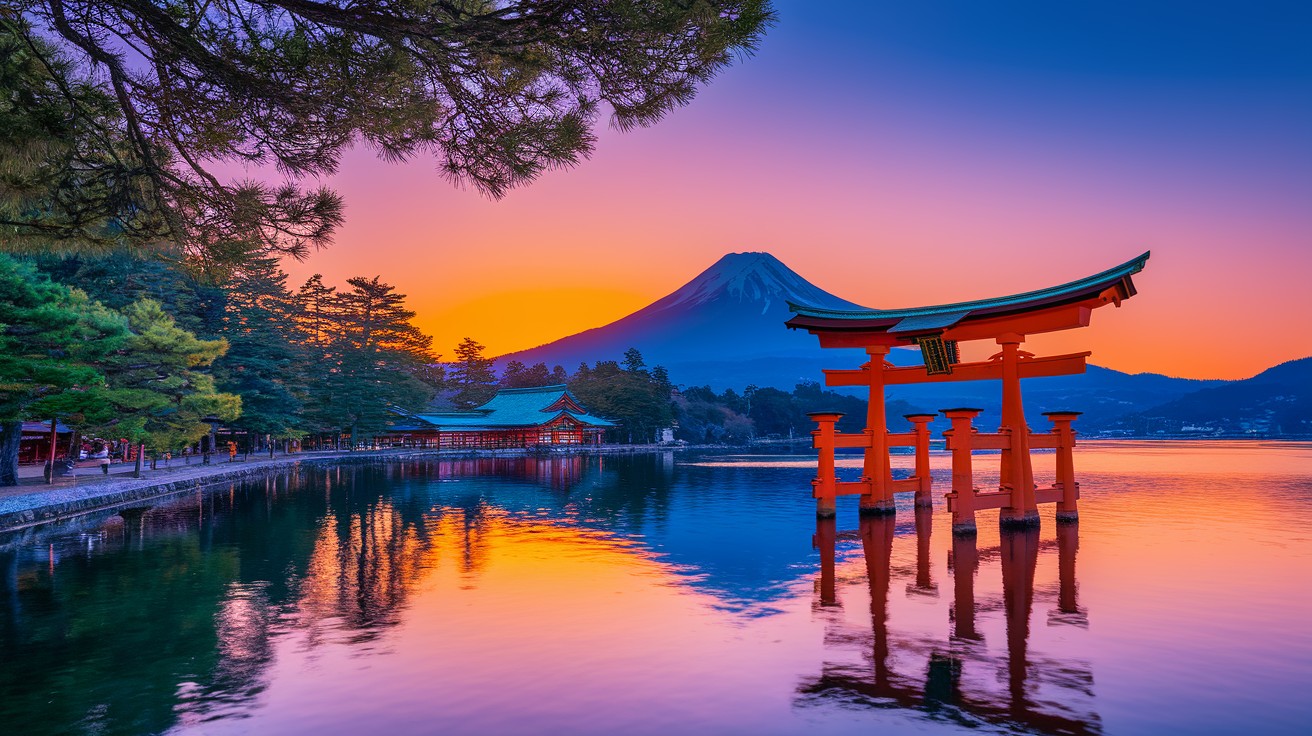
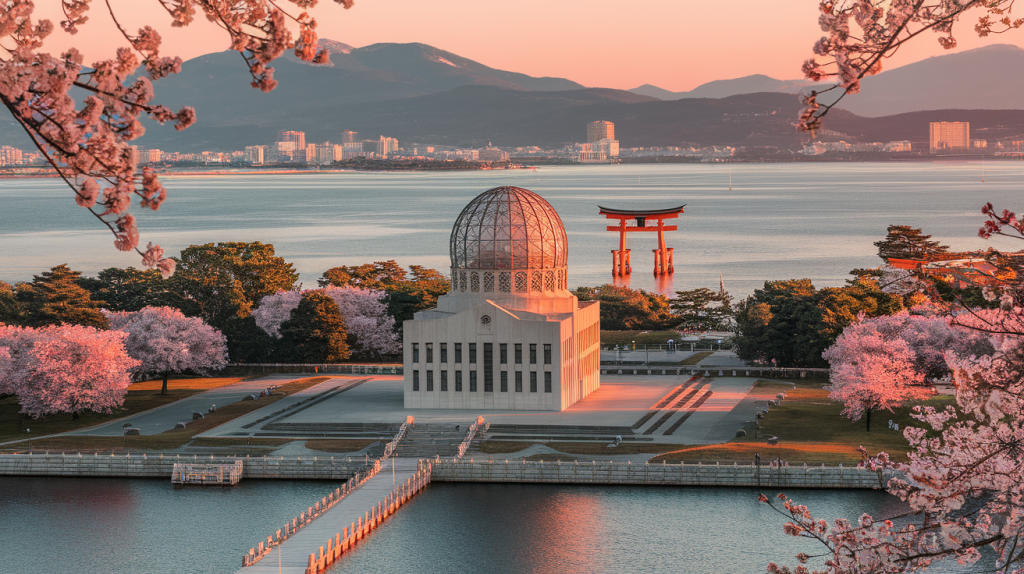
If I had to choose just one experience in the Hiroshima area, Miyajima Island would be it. This sacred island combines natural beauty, architectural wonder, and spiritual significance into one unforgettable day trip. The iconic “floating” torii gate of Itsukushima Shrine is one of Japan’s most photographed sites—and it absolutely lives up to the hype.
The shrine appears to float during high tide, creating that magical scene you’ve seen in countless photos. But here’s what makes this place truly special: it’s equally stunning at low tide when you can walk right up to the gate and examine its massive pillars up close. Each experience offers something different—high tide provides the classic floating effect and boat tours that pass through the gate, while low tide reveals tidal pools and lets you stand where the ocean was hours before.
Check the tide schedule before you visit (available at the ferry terminal and online) and plan accordingly. If possible, time your visit to experience both high and low tide—this means spending several hours on the island, which you should do anyway because there’s so much to explore.
The ferry ride from Hiroshima takes just 10 minutes from Miyajimaguchi Station. JR Pass holders can ride the JR ferry for free—just show your pass. Ferries run every 15 minutes, so there’s no need to stress about timing. The island itself is car-free, adding to its peaceful atmosphere.
Beyond the shrine, Miyajima offers friendly deer that roam freely (they’re less aggressive than Nara’s deer), charming shopping streets selling local crafts and snacks, and some of the best momiji manju (maple leaf cakes) you’ll taste. The island gets crowded during midday, so arrive early morning or stay into the evening for a more serene experience.
Pro tip: The illuminated shrine at night is breathtaking. If you can, stay at one of the island’s traditional ryokans to experience the magical atmosphere after day-trippers leave.
Mount Misen Hiking Adventure
Mount Misen rises 535 meters above Miyajima Island, and reaching its summit rewards you with what’s considered one of Japan’s most beautiful views. The panoramic vista encompasses the Seto Inland Sea’s countless islands, Hiroshima in the distance, and on clear days, even Shikoku Island. Buddhist monk Kobo Daishi deemed this one of Japan’s three most scenic views, and I’m not about to argue with his judgment.
You have three hiking trails to choose from, each offering different challenges and scenery. The Momijidani Course (2.5 km, about 90 minutes) is the most popular—it starts from Momijidani Park and winds through beautiful forest with several temple stops along the way. The Daisho-in Course (2.5 km, 90 minutes) begins at Daisho-in Temple and features more stairs but interesting religious statues and monuments. The Omoto Course (3 km, 2 hours) is the longest and least crowded, offering the most wilderness experience.
Not feeling the hike? The Miyajima Ropeway provides an effective alternative that gets you most of the way up in about 15 minutes. The two-stage ropeway offers spectacular views during the ascent, and from the upper station, it’s just a 30-minute walk to the summit. The ropeway costs 2,000 yen round trip (1,010 yen one way if you want to hike one direction).
Here’s what to pack: comfortable hiking shoes with good grip (the trails include steep stone steps), water (at least one liter per person), snacks, and layers since it’s cooler at the summit. The hike is manageable for anyone with moderate fitness, but those steep steps do require some effort. Take your time and enjoy the journey—the forest atmosphere is incredibly peaceful.
At the summit, you’ll find Misen Hondo Hall with its “eternal flame” that’s supposedly burned for over 1,200 years. There’s also a small tea house where you can rest and enjoy simple refreshments while taking in those incredible views.
Shukkei-en Garden
After all that hiking and historical intensity, Shukkei-en Garden offers a perfect moment of tranquility. This traditional Japanese garden was created in 1620 and designed to represent scenic valleys, mountains, and forests in miniature form. The name literally means “shrunken-scenery garden,” and it delivers exactly that—an entire landscape compressed into a walkable space.
The garden centers around a large pond with islands connected by elegant bridges, surrounded by carefully pruned trees, tea houses, and stone lanterns. A circular path lets you experience constantly changing views as you walk—each turn reveals a new perspective designed to evoke different emotions and aesthetic experiences.
Spring brings cherry blossoms and azaleas that create stunning pink and purple displays. Summer offers lush green landscapes and water lilies floating on the pond. Autumn transforms the garden with fiery maple leaves that rival any fall foliage in Japan. Even winter has its charm with snow-dusted pines and the stark beauty of bare branches reflected in still water.
The on-site tea house, Sensuitei, offers traditional tea ceremonies where you can experience matcha and wagashi (Japanese sweets) while overlooking the garden. This costs an additional 500 yen but provides an authentic cultural experience in a beautiful setting. Reservations aren’t required for the casual tea service, though formal ceremonies need advance booking.
The garden is a 15-minute walk from Hiroshima Station or easily accessible by tram. Admission is only 260 yen—an incredible value for what you experience. The garden opens at 9 AM and closes between 5-6 PM depending on season. Plan to spend about an hour here, more if you’re a photographer or want to enjoy the tea house.
This is one of those places where you want to slow down, breathe, and simply be present. Sit on one of the benches, watch the koi fish glide through the pond, and appreciate the meticulous care that goes into maintaining this peaceful oasis in the middle of a modern city.
Delicious Food Experiences You Can’t Miss
Okonomiyaki at Okonomi-mura
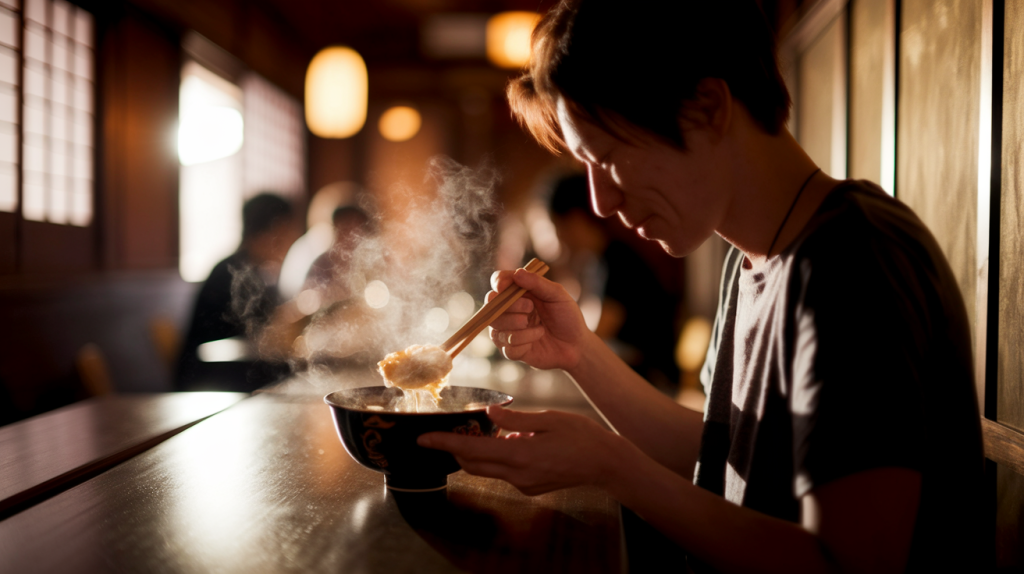
You haven’t truly experienced Hiroshima until you’ve eaten Hiroshima-style okonomiyaki. This savory pancake is the city’s signature dish, and Okonomi-mura is ground zero for this delicious experience. This four-story building houses 24 different okonomiyaki stalls, each with its own style and loyal following—it’s basically a temple dedicated to this amazing comfort food.
Here’s what makes Hiroshima-style okonomiyaki different from Osaka’s version: instead of mixing all ingredients together, Hiroshima style layers them. The chef starts with a thin crepe-like batter, adds mountains of shredded cabbage, bean sprouts, your choice of protein (pork is classic), yakisoba or udon noodles, a fried egg, and finally tops it with savory-sweet okonomiyaki sauce, mayo, and aonori (seaweed flakes). The result is a towering, complex creation that’s crispy, savory, and incredibly satisfying.
Walking into Okonomi-mura can feel overwhelming—which stall do you choose? Here’s the simple truth: they’re all good. Some have longer lines (usually stalls on the upper floors with more character), but don’t stress about finding the “best” one. Look for a stall where the chef’s movements catch your eye, where the atmosphere feels welcoming, or just pick one randomly. The experience of watching your okonomiyaki being made on the teppan (griddle) right in front of you is half the fun.
Most stalls have picture menus, making ordering easy even without Japanese language skills. The classic “niku-tama-soba” (pork, egg, noodles) costs around 800-1,000 yen. Point to what you want, watch the magic happen, and prepare for one of the most satisfying meals of your trip.
Pro tip: Sit at the counter rather than a table if available. Watching the chef’s practiced movements as they build your okonomiyaki is entertainment in itself, and the teppan keeps your food perfectly warm as you eat.
Fresh Oysters (Kaki)
Hiroshima Prefecture produces roughly 60% of Japan’s oysters, and locals will tell you with complete confidence that theirs are the best in the country. After trying them, I’m inclined to agree. The nutrient-rich waters of Hiroshima Bay create plump, sweet oysters with a clean flavor that’s less briny than oysters from other regions.
You’ll find oysters prepared every way imaginable: raw on the half shell, grilled over charcoal, deep-fried as kaki-fry, steamed, in hot pots, and even in okonomiyaki. Each preparation method highlights different aspects of the oyster’s flavor and texture. The grilled oysters are my personal favorite—the smoky char adds complexity while the meat stays incredibly juicy.
Peak oyster season runs from October through March, when the oysters are at their fattest and most flavorful. During these months, you’ll find oyster festivals, special oyster menus, and oyster stands throughout the city. But honestly, Hiroshima oysters are good year-round because of the careful farming practices.
Where to eat them? On Miyajima Island, several restaurants near the ferry terminal specialize in oysters, and you can watch them being grilled right on the street. In Hiroshima city, head to the Hondori shopping arcade area where several izakayas (Japanese pubs) serve excellent oyster dishes. For a more upscale experience, Kakifune offers all-you-can-eat grilled oysters on a boat-shaped restaurant.
If you’re nervous about trying raw oysters, start with grilled or fried versions. The kaki-fry (breaded and deep-fried oysters) are gateway oysters—crispy outside, creamy inside, and absolutely delicious with a squeeze of lemon. Once you taste how sweet and fresh Hiroshima oysters are, you might become a convert.
Momiji Manju Sweet Treats
These maple leaf-shaped cakes are Miyajima’s most famous souvenir, and they’re genuinely delicious—not just tourist kitsch. The traditional version features a sponge cake exterior with sweet red bean paste filling, but modern versions have gotten creative with flavors like chocolate, custard, matcha, cheese, and even seasonal variations.
The name “momiji” means maple leaf, and the cakes are shaped using special molds that create detailed leaf patterns. They’re small enough to eat in a few bites, making them perfect for snacking as you explore or bringing home as gifts. Most shops sell them in beautiful boxes that make impressive souvenirs.
On Miyajima’s main shopping street, you’ll find dozens of shops selling momiji manju. Iwamura is one of the oldest and most respected makers, but honestly, try several shops and decide for yourself. Many offer free samples, so taste before you buy. Some shops make them fresh while you watch, and these warm, just-made versions are incredibly good.
Here’s a fun twist: try age-momiji (fried momiji manju). Several shops offer this variation where they deep-fry the cakes, creating a crispy exterior that contrasts beautifully with the soft cake and filling. It sounds strange but tastes amazing—think of it as a Japanese doughnut.
For bringing them home: momiji manju stay fresh for about a week, and the individually wrapped versions travel well in your suitcase. Buy them toward the end of your trip and store them in a cool, dry place. They make perfect gifts because they’re distinctly Japanese, delicious, and come in attractive packaging that shows you put thought into the present.
Hidden Gems & Local Favorites
Mitaki-dera Temple
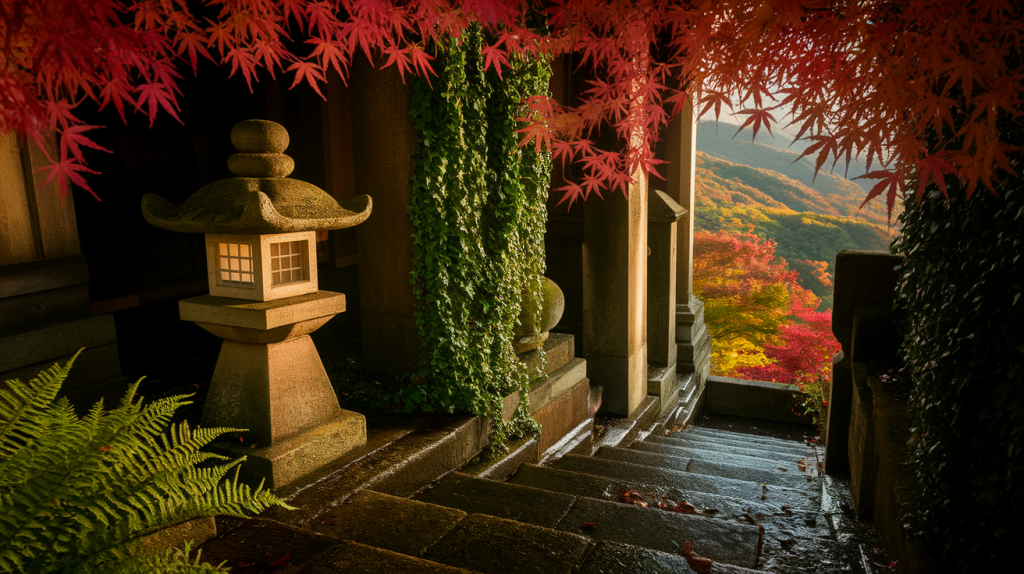
While crowds flock to the Peace Park and Miyajima, Mitaki-dera Temple remains blissfully peaceful—a hidden gem tucked into the forested mountains just outside central Hiroshima. This 8th-century temple complex sits along a mountain stream with three waterfalls (mitaki means “three waterfalls”), creating an atmosphere of natural tranquility that feels worlds away from the city.
The approach to the temple follows a beautiful hiking trail through dense forest. Stone steps wind upward past moss-covered statues, small shrines, and the sound of rushing water. The forest canopy filters sunlight into soft, dappled patterns, and the air smells of earth and cedar. It’s the kind of place that makes you instinctively slow down and breathe deeper.
The temple itself is lovely, with traditional architecture that harmonizes perfectly with the natural setting. But the real magic is the journey and the atmosphere. You’ll likely see monks going about their daily routines, and the relative lack of tourists means you can experience the temple’s spiritual energy without distraction.
Autumn transforms Mitaki-dera into one of Hiroshima’s best fall foliage spots. The maple trees explode into brilliant reds and oranges, creating a canopy of color above the temple buildings and reflecting in the stream. If you’re visiting between mid-November and early December, this should be at the top of your list.
Getting there requires a short train ride to Mitaki Station (about 15 minutes from Hiroshima Station), followed by a 20-minute walk or 5-minute taxi ride. The walk itself is pleasant, following a quiet road that gradually becomes more forested. The temple is free to enter, though donations are appreciated. Plan to spend about an hour here, including the approach walk and time to explore the grounds.
Bring good walking shoes since the paths can be uneven and slippery near the waterfalls. The temple is less accessible than major tourist sites, but that’s precisely what makes it special—you’re experiencing Hiroshima as locals do.
Hiroshima’s Waterside Districts
Hiroshima is crisscrossed by rivers—seven channels of the Ota River delta run through the city—and the waterside areas offer some of the most photogenic and relaxing spots that most tourists miss. Locals know these riverside paths are perfect for evening walks, cycling, and watching the sunset paint the city in golden light.
The riverside promenade between Peace Memorial Park and Hiroshima Station features wide, tree-lined paths perfect for walking or cycling. You’ll pass under distinctive bridges, see locals fishing and exercising, and get a completely different perspective on the city. The water reflects the city lights at night, creating a romantic atmosphere that’s popular with couples.
Rent a bicycle from one of the many bike-sharing stations throughout the city (Hiroshima has an excellent bike-share system called “Peacecle”) and spend a few hours exploring these waterside routes. The flat terrain makes cycling easy, and dedicated bike paths keep you safe from traffic. This is how locals get around, and it’s an effective way to cover more ground than walking while still experiencing the city intimately.
For the best sunset views, head to the observation deck at Orizuru Tower (near the Atomic Bomb Dome) or find a spot along the riverside near Motoyasu Bridge. The sunset reflecting off the rivers and illuminating the Peace Park creates a powerful visual moment—the city bathed in light, moving forward while honoring its past.
The waterside districts also host seasonal events like summer fireworks festivals and cherry blossom viewing parties. If your visit coincides with these events, you’ll experience Hiroshima at its most festive and community-oriented.
Local Shopping Streets and Markets
Beyond the major tourist sites, Hiroshima’s shopping streets reveal the city’s contemporary character and offer authentic local experiences. Hondori Shopping Arcade, the city’s main covered shopping street, stretches for nearly half a kilometer and features everything from department stores to tiny specialty shops that have operated for generations.
Unlike tourist-focused shopping areas, Hondori serves locals, which means you’ll find practical shops alongside souvenir stores. This is where you discover unique Japanese products you didn’t know you needed: innovative kitchen gadgets, beautiful stationery, local snacks, and fashion that reflects current Japanese trends rather than tourist stereotypes.
For authentic local crafts, look for shops selling Miyajima-zaiku (wooden crafts from Miyajima), hand-painted daruma dolls, and traditional textiles. These make meaningful souvenirs that support local artisans. The staff in smaller shops often speak some English and genuinely enjoy explaining their products’ history and significance.
Navigation tip: Hondori runs roughly east-west in central Hiroshima. The eastern end connects to Hatchobori (another major shopping area), while the western end leads toward Peace Memorial Park. Use the covered arcade to your advantage during rain—it’s a practical feature that makes shopping comfortable in any weather.
For groceries and local food products, visit the basement food floors (depachika) of department stores like Fukuya or Sogo. These elaborate food halls showcase incredible Japanese culinary artistry: perfectly arranged fruits, intricate bento boxes, beautiful wagashi, and regional specialties. Even if you don’t buy anything, browsing is a feast for the eyes.
The best deals on souvenirs often come from shops slightly off the main arcade. Walk down the side streets branching from Hondori to find less touristy shops with better prices. Compare prices at a few stores before buying—this is normal shopping behavior in Japan and won’t offend anyone.
Your Unforgettable Hiroshima Adventure Awaits
These 11 experiences showcase why Hiroshima has become one of my favorite Japanese cities. The profound historical sites teach essential lessons about peace and resilience. The natural wonders—from Miyajima’s floating torii to Mount Misen’s panoramic views—rival anything in Japan. The food scene celebrates local flavors with passion and pride. And the hidden gems reveal a city that’s vibrant, modern, and welcoming while honoring its complex past.
Here’s the practical truth about visiting Hiroshima: plan for at least 2-3 days to experience these highlights without rushing. Two days covers the essential sites in the city and a day trip to Miyajima. Three days lets you add Mount Misen hiking, explore the hidden temples, and truly savor the food scene. If you’re using a JR Pass, Hiroshima makes an easy stop between Kyoto and Fukuoka, and the pass covers the Miyajima ferry.
Getting around Hiroshima is simple. The city has an extensive tram system that’s easy to navigate (most routes cost a flat 220 yen), and the Peacecle bike-share system offers another excellent option. The city is compact enough that you can walk between many attractions, especially around Peace Memorial Park and the downtown shopping areas.
The beauty of Hiroshima lies in its duality—it asks you to confront humanity’s darkest moments while celebrating the hope, creativity, and resilience that emerged from tragedy. You’ll leave with a deeper understanding of history, a collection of stunning photos, a satisfied stomach, and probably a box of momiji manju in your bag.
Start planning your perfect Hiroshima adventure today. Check tide schedules for Miyajima, make a list of okonomiyaki stalls you want to try, and prepare yourself for one of Japan’s most meaningful and memorable destinations. This city will change how you see the world—I promise you that.