10 best things to do in Shanghai – China

Shanghai’s skyline transforms from ancient pagodas to futuristic skyscrapers in just one city block – a mind-bending contrast that exists nowhere else on Earth.
Whether you’re scrolling through dreamy Shanghai aesthetic photos or planning your ultimate China bucket list travel adventure, this mega-city delivers experiences that’ll redefine your entire China trip.
From free things to do in Shanghai like wandering through the enchanting Yu Garden Shanghai to splurging on world-class dining at a luxury Shanghai restaurant, this complete guide covers every traveler’s needs.
Solo adventurers seeking authentic Chinese aesthetic moments, couples hunting Instagram-worthy China wallpaper backgrounds, and families balancing must-see attractions with hidden local gems – we’ve got you covered.
These 25 carefully curated experiences span every budget and interest, from exploring Shanghai University’s campus culture to discovering what to do in Shanghai after dark. Ready to transform your travel to China dreams into an unforgettable Shanghai city adventure?
Explore Shanghai’s Iconic Skyline: From The Bund to Lujiazui Financial District

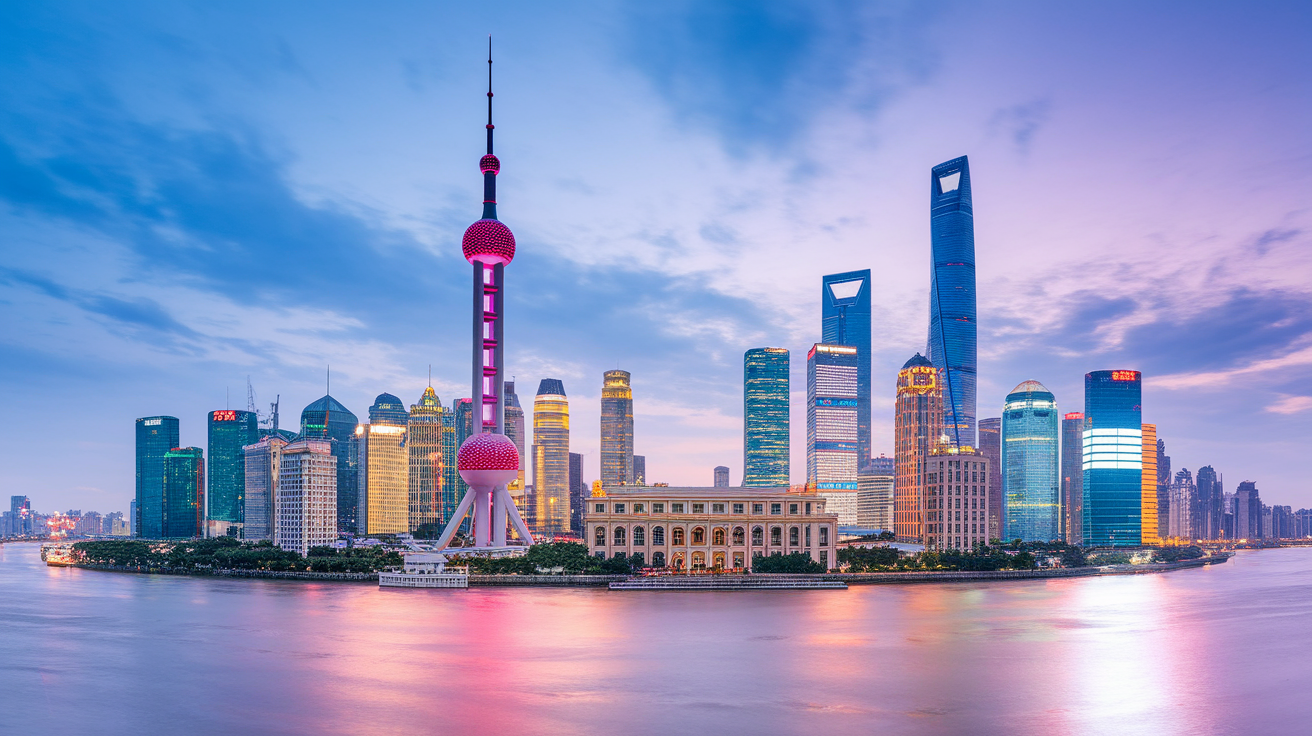
Standing on The Bund at sunset feels like stepping into a living China wallpaper – the contrast between colonial European architecture and futuristic Pudong towers creates pure magic.
This iconic waterfront promenade tops every China bucket list for good reason. Cross the Huangpu River via the historic Bund Sightseeing Tunnel (¥50/$7) or take the metro (¥3/$0.50) to experience both sides.
For budget travelers, walking The Bund is completely free and offers million-dollar views. Luxury seekers should book the Park Hyatt’s Cloud 9 bar on the 87th floor (cocktails from ¥120/$17) for unparalleled Shanghai city panoramas.
Pro tip: Visit during blue hour (30 minutes after sunset) when both sides illuminate simultaneously – perfect for capturing that Shanghai aesthetic Instagram shot.
Local photographer Ming shared, “I’ve shot this skyline for 15 years, and it still surprises me daily.” The Oriental Pearl Tower observation deck (¥220/$31) provides 360-degree views, while the Shanghai World Financial Center’s Sky Walk (¥180/$25) offers heart-stopping glass floor experiences. Book tickets online to skip hour-long queues, especially during peak travel China season (April-May, September-October).
Experience Ancient Chinese Culture: Yu Garden Shanghai and Traditional Tea Houses
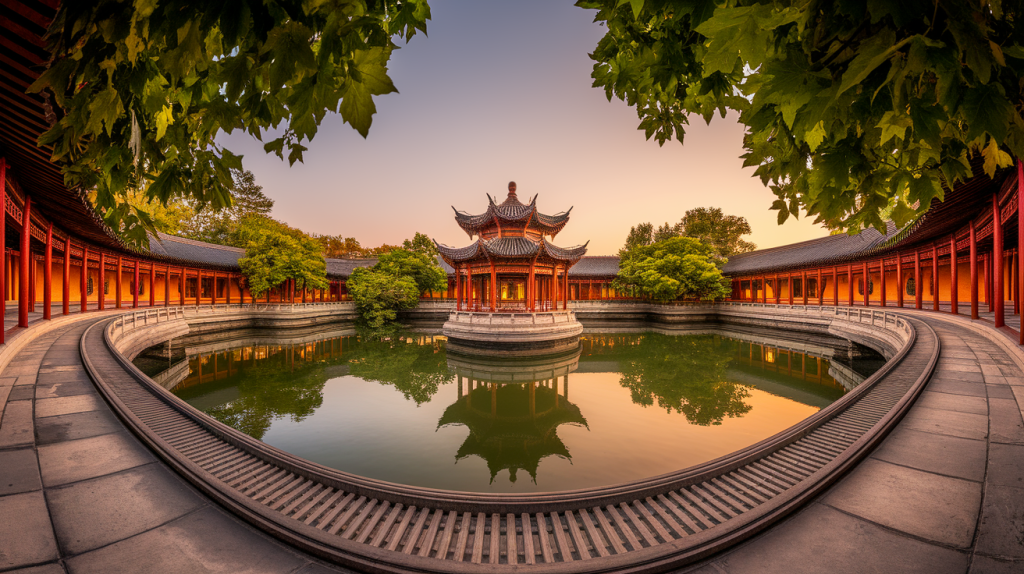
Yu Garden Shanghai transports you back 400 years with its exquisite Ming Dynasty architecture, making it an essential stop on any China trip. This UNESCO-recognized garden showcases traditional Chinese aesthetic principles through intricate rockeries, ancient pavilions, and koi-filled ponds. Entry costs ¥40 ($6), but the surrounding bazaar offers free browsing through authentic handicraft shops.
The adjacent Huxinting Teahouse, accessible via a zigzag bridge (locals believe evil spirits travel in straight lines), serves traditional ceremonies from ¥80 ($11). Budget tip: Visit weekday mornings (8-10am) to avoid crowds and capture serene photos for your China wallpaper collection.
“Yu Garden taught me patience,” reflects frequent traveler Sarah from Australia. “Watching elderly locals practice tai chi at dawn while sipping jasmine tea – pure tranquility.” The garden’s Six Scenic Areas each represent different seasons, with spring (March-April) showcasing blooming magnolias and autumn (October-November) displaying golden ginkgo leaves.
For authentic experiences, join the 4pm tea ceremony at the Hall of Heralding Spring (¥120/$17 including snacks). The nearby City God Temple provides free cultural immersion, while traditional medicine shops offer fascinating insights into ancient Chinese healing practices.
Explore Shanghai’s Museum Quarter: Where History Meets Modern Art
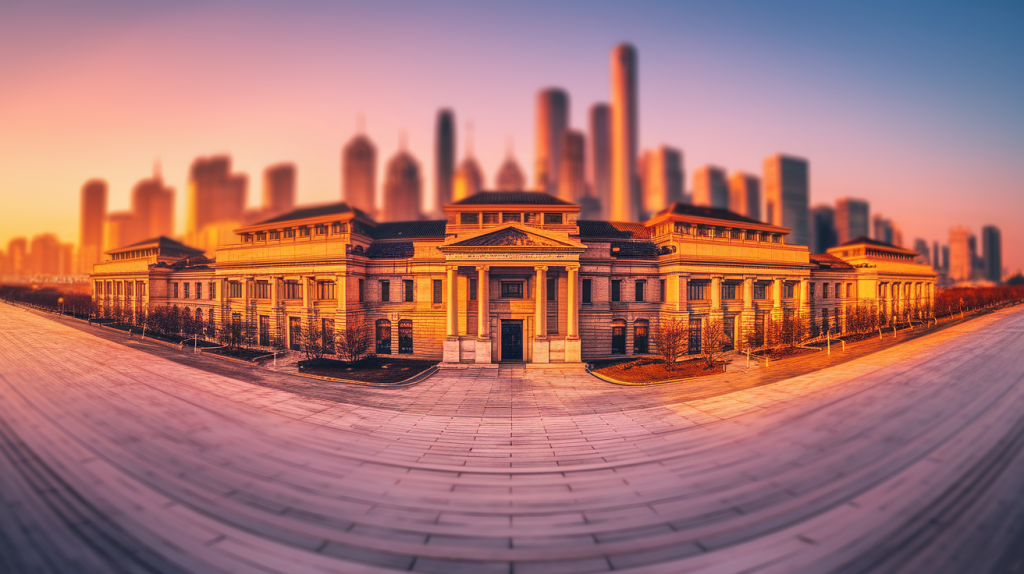
Shanghai’s museum scene rivals any world capital, offering incredible value for curious travelers exploring China places rich in culture.
The Shanghai Museum houses China’s finest collection of ancient bronzes, ceramics, and calligraphy – entry is completely free, making it perfect for budget-conscious China bucket list travel. Allow 3-4 hours to properly explore its 11 galleries.
The ultra-modern Shanghai Museum of Natural History (¥30/$4) captivates families with interactive dinosaur exhibits and IMAX theaters.
Art enthusiasts should splurge on the private galleries in M50 Creative Park, where emerging Chinese artists showcase contemporary works starting from ¥500 ($70).
Museum director Chen Wei notes, “We see visitors cry viewing our Tang Dynasty paintings – art transcends language barriers.” The Propaganda Poster Art Centre (¥20/$3) offers fascinating insights into China’s recent history through original Cultural Revolution artwork.
Pro insider tip: Many museums offer free English tours at 2pm daily. The Shanghai Science and Technology Museum (¥60/$8) provides hands-on exhibits perfect for families, while the China Art Museum in the former Expo pavilion showcases rotating contemporary exhibitions. Book timed entries online during peak travel China periods to guarantee admission.
Uncover Free Things To Do In Shanghai: Budget-Friendly Adventures for Every Traveler

Shanghai proves that amazing travel China experiences don’t require deep pockets. The Huangpu River walkway stretches 8 kilometers, offering free exercise and stunning Shanghai city views perfect for sunrise jogs or evening strolls. People’s Square provides free people-watching opportunities, especially during weekend kite-flying sessions and morning tai chi classes.
Fuxing Park buzzes with locals practicing everything from ballroom dancing to traditional opera singing – pure cultural immersion at zero cost. The French Concession’s tree-lined streets showcase beautiful architecture and quirky boutiques, perfect for free walking tours following food blogger Anna’s route (available online).
“I spent an entire day in Xintiandi’s outdoor areas without spending a yuan,” shares backpacker James from Canada. “The architecture photography opportunities alone justified my China trip.” The historic Shikumen houses provide endless Instagram-worthy Shanghai aesthetic shots.
Century Park (free on weekdays, ¥10/$1.50 weekends) offers massive green spaces for picnics and lake activities. The Bund’s morning markets sell fresh fruit from ¥5 ($0.70), perfect for budget breakfasts. Temple visits like Jing’an Temple’s courtyard areas provide spiritual experiences and cultural insights. Download the “Shanghai Free” app for updated listings of complimentary events, exhibitions, and festivals throughout your China bucket list adventure.
What To Do In Shanghai After Dark: Rooftop Bars, Night Markets, and River Cruises
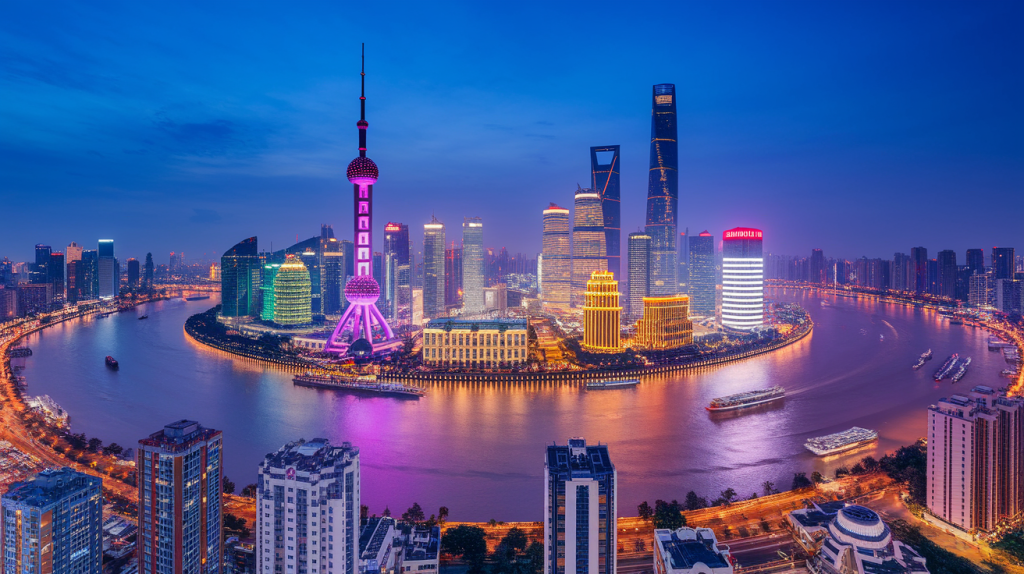
Shanghai transforms into an electric wonderland after sunset, offering nightlife experiences that’ll dominate your China wallpaper gallery. The legendary rooftop scene includes Vue Bar (cocktails from ¥80/$11) with Bund views and Flair on the 58th floor (¥120/$17) for 360-degree Shanghai city panoramas. Budget travelers can enjoy similar views from the Bund promenade’s free riverside bars.
Night markets explode with authentic flavors and bargaining adventures. Wulumuqi Night Market serves incredible xiaolongbao from ¥15 ($2), while the massive Qipu Road market stays open until midnight for fashion finds. The Huangpu River evening cruises (¥120-300/$17-42) showcase illuminated skyscrapers reflecting like jewels on water.
Local DJ Kevin explains, “Shanghai’s nightlife blends traditional Chinese culture with international sophistication – nowhere else offers this combination.” The historic jazz scene thrives at JZ Club (cover ¥80/$11), where live music ranges from traditional Chinese instruments to modern fusion.
For unique experiences, join the evening food tours through narrow longtang alleys (¥180/$25), or catch traditional Kunqu opera performances at the Yifu Theatre (tickets from ¥50/$7). The 24-hour dumpling shops in the Former French Concession provide perfect late-night fuel for continued Shanghai travel adventures.
Experience Shanghai’s Food Scene: From Street Food to Michelin-Starred Shanghai Restaurants
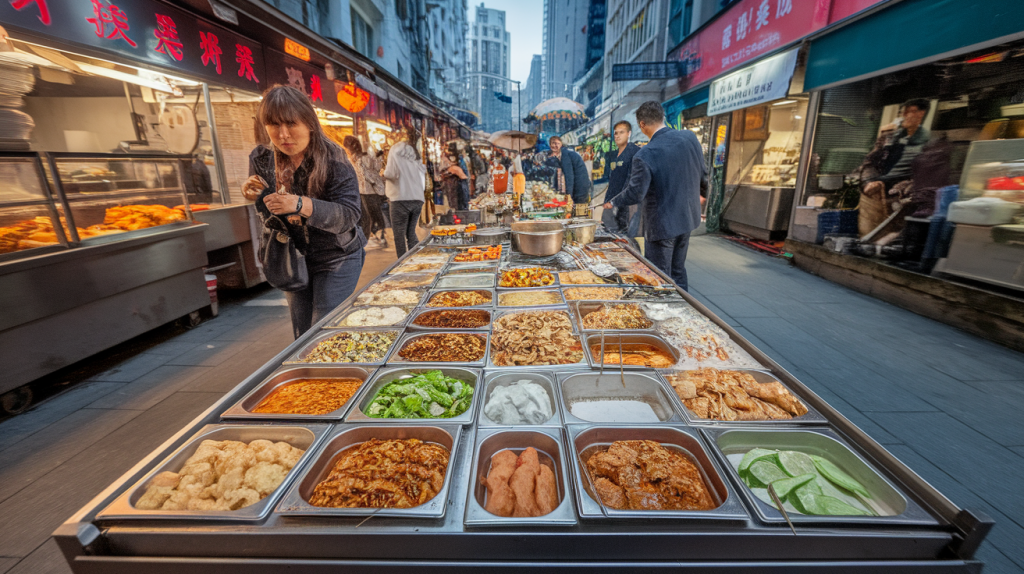
Shanghai’s culinary landscape spans from ¥8 ($1) street-side xiaolongbao to ¥2,000 ($280) Michelin-starred tasting menus, ensuring every traveler finds their perfect China places dining experience. The legendary soup dumplings at Nanxiang Steamed Bun Restaurant have attracted lines since 1900 – arrive before 11am or after 2pm to avoid hour-long waits.
For luxury dining, Ultraviolet by Paul Pairet offers the world’s most innovative 20-course molecular gastronomy experience (¥4,000/$560, book 3 months ahead). Budget food tours through Yu Garden’s food courts provide authentic tastings from ¥50 ($7) per person, including local favorites like shengjianbao and scallion oil noodles.
“Every Shanghai restaurant tells a story,” explains food critic Li Ming. “From Republican-era recipes to modern fusion, the city’s food evolution mirrors China’s journey.” The bustling wet markets near People’s Square offer fascinating morning tours where locals select ultra-fresh ingredients.
Hidden gems include the tiny family-run restaurants in Tianzifang’s narrow alleys, serving home-style dishes passed down through generations. Shanghai’s famous hairy crab season (October-December) transforms ordinary restaurants into seafood celebrations. The French Concession hosts weekend farmers markets featuring organic produce and artisanal treats perfect for picnic supplies during your China trip exploration.
Experience Shanghai University District: Academic Culture and Student Life Hotspots
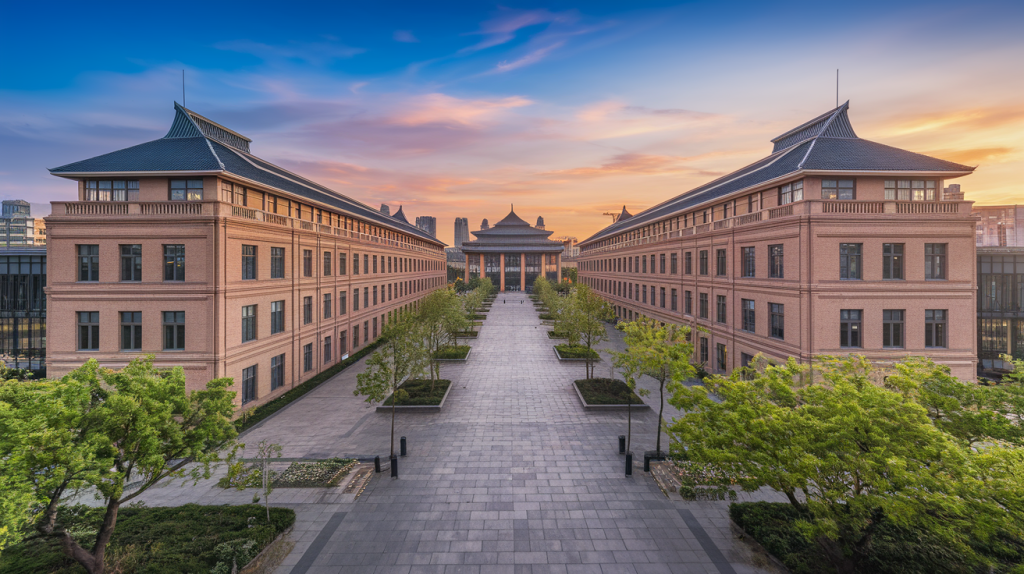
Shanghai University and surrounding academic areas provide authentic glimpses into modern Chinese youth culture, often overlooked on typical China bucket list itineraries. The sprawling campuses offer beautiful architecture, peaceful lakes, and surprisingly excellent cafeterias where meals cost under ¥20 ($3). International visitors can join free campus tours led by English-speaking students every Saturday at 10am.
The student districts buzz with affordable entertainment, trendy cafés, and bookshops selling everything from classical Chinese literature to K-pop merchandise. Wujiaochang area surrounding Fudan University transforms into a vibrant night market after 6pm, with street food stalls and bubble tea shops creating a lively Shanghai aesthetic.
“Foreign visitors always surprise me by loving our university libraries,” laughs student ambassador Wang Lei. “The ancient architecture mixed with cutting-edge technology represents modern China perfectly.” Many university art galleries host rotating exhibitions featuring student work and visiting international artists, with free admission and English descriptions.
The surrounding neighborhoods offer budget accommodation in student guesthouses (¥80-150/$11-21 per night) and access to authentic local experiences. University bookstores stock unique China wallpaper designs, postcards, and souvenirs unavailable in tourist areas. Evening lectures and cultural performances, often featuring traditional Chinese music or contemporary dance, welcome international visitors for minimal fees (¥20-50/$3-7).
Explore Shanghai City’s Hidden Neighborhoods: French Concession and Tianzifang

The French Concession whispers stories of 1920s glamour through its plane tree-lined streets and Art Deco architecture, creating an unexpectedly European atmosphere in the heart of this Chinese metropolis. Former residences of celebrities like Sun Yat-sen (¥20/$3 entry) and Soong Ching-ling offer fascinating historical insights, while the surrounding streets showcase perfectly preserved Shikumen houses.
Tianzifang transforms traditional longtang alleys into a creative maze of artist studios, vintage boutiques, and cozy cafés. Entry is free, but budget ¥200-500 ($28-70) for unique handcrafted souvenirs and artisanal treats. The narrow passages create natural Instagram opportunities, especially during golden hour when warm light filters through hanging laundry and old brick walls.
“These neighborhoods preserve Shanghai’s soul,” observes local architect Chen Mei. “Modern skyscrapers represent our future, but these streets remember our heart.” The area’s specialty coffee shops serve excellent brews from ¥25 ($3.50), perfect for afternoon people-watching sessions.
Hidden courtyards house traditional workshops where artisans create everything from custom cheongsam dresses (¥800-2,000/$112-280) to hand-painted ceramics. Weekend art walks connect multiple galleries and studios, often featuring wine tastings and live music. The nearby Xintiandi district offers upscale shopping and dining, while maintaining similar architectural charm perfect for China travel photography.
Uncover Shanghai’s Shopping Paradise: From Luxury Malls to Vintage Markets
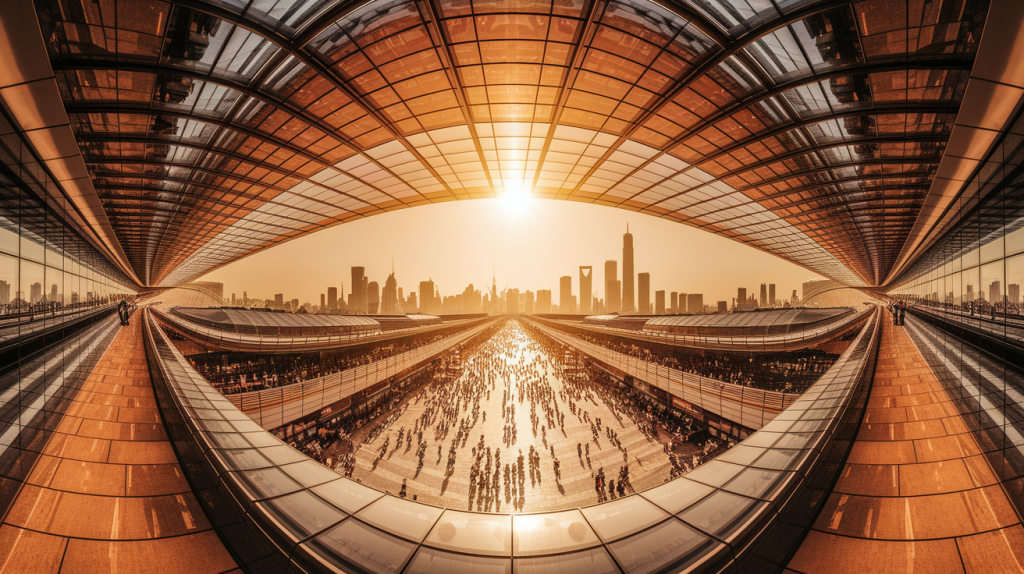
Shanghai shopping spans from world’s largest luxury malls to treasure-hunting vintage markets, satisfying every traveler’s retail therapy needs during their China trip. Nanjing Road pedestrian street buzzes with flagship stores, department stores, and street food vendors, while the underground malls provide air-conditioned relief and bargain hunting opportunities.
The IFC Mall and Plaza 66 house international luxury brands with tax-free shopping for tourists (bring your passport), while the quirky markets in the Former French Concession offer vintage qipao dresses from ¥150 ($21) and antique Chinese furniture. Fabric Market on Dongjiadu Road provides custom tailoring services where skilled craftsmen create bespoke suits from ¥800 ($112) in just 48 hours.
“Shanghai’s markets taught me negotiating is an art form,” laughs frequent visitor Maria from Spain. “Start at 30% of asking price and enjoy the conversation.” The Dongtai Road Antique Market opens early (7am) when serious collectors hunt for genuine pieces among tourist reproductions.
For unique China places souvenirs, explore the underground Pearl Market for cultured pearls and jade jewelry, or visit the tea markets where experts guide tastings and explain different regions’ specialties. The city’s 24-hour convenience stores stock everything from local snacks to phone chargers, while luxury hotel gift shops offer curated collections of Chinese designer items perfect for high-end China wallpaper and décor inspiration.
Experience Shanghai Travel Like a Local: Transportation, Etiquette, and Insider Tips
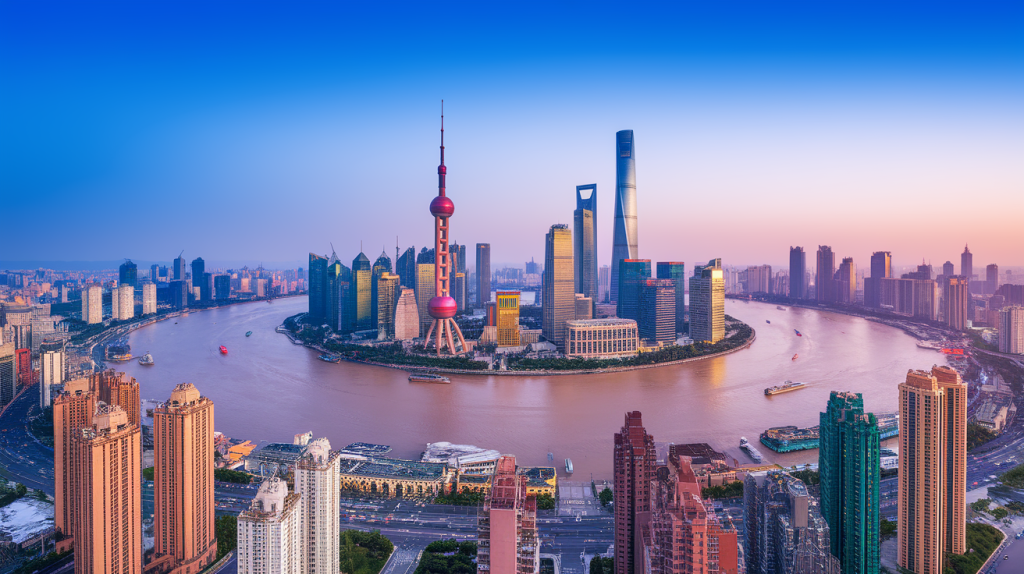
Mastering Shanghai’s transportation system transforms your China travel experience from tourist struggle to local confidence. The metro system covers 800+ kilometers with English announcements and signs, costing just ¥3-10 ($0.50-1.50) per journey. Download the “Metro Daduhui” app for real-time schedules and route planning, essential for efficient Shanghai city navigation.
Taxi apps like Didi (China’s Uber) work seamlessly with translation features, though traditional taxis remain cheaper for short distances. The extensive bus network costs ¥2 ($0.30) but requires Mandarin skills. Bike-sharing systems like Mobike and Ofo provide convenient short-distance options for ¥1-2 ($0.15-0.30) per 30 minutes.
“Understanding subway etiquette opened doors to genuine local interactions,” shares expat teacher David. “Stand right on escalators, offer seats to elderly, and don’t eat messy foods.” Rush hours (7-9am, 5-7pm) require patience, but off-peak travel reveals the system’s efficiency.
Cultural etiquette essentials include removing shoes when entering homes, using both hands when exchanging business cards, and learning basic Mandarin phrases like “xiexie” (thank you). Tipping isn’t expected in restaurants, but rounding up taxi fares shows appreciation.
In Closing
Shanghai seamlessly weaves 400 years of history with breathtaking modern innovation, creating an unforgettable destination that deserves its place on every China bucket list.
From watching the sunrise over The Bund’s colonial facades to savoring xiaolongbao in hidden longtang alleys, this dynamic metropolis offers experiences for every budget and travel style.
Whether you’re exploring world-class museums, bargaining at vintage markets, or simply wandering the plane tree-lined streets of the French Concession, Shanghai rewards curious travelers with layers of discovery.
The city’s efficient metro system, welcoming locals, and blend of free attractions alongside luxury experiences make it accessible yet endlessly sophisticated.
Start planning your Shanghai adventure today – this is one China trip that will exceed every expectation and leave you planning your return before you’ve even departed.